Understanding anxiety and panic disorders
Anxiety and panic disorders represent a spectrum of experiences in which fear, worry, and physiological arousal become prominent and persistent features of daily life. In many people these feelings arise from real threats, yet in anxiety disorders the response can become disproportionate, chronic, and hard to control. Panic disorder specifically involves sudden episodes of intense fear often accompanied by a cascade of physical sensations such as a racing heart, chest tightness, shaking, dizziness, and an overwhelming sense of impending doom. When these episodes recur or create a persistent fear of having another attack, daily functioning can be profoundly challenged. Understanding the difference between occasional anxiety and a disorder is a cornerstone of effective management, and recognizing patterns early can help people seek appropriate support before symptoms escalate. Anxiety is not a sign of weakness, it is a signal from the nervous system that a person may need additional tools, strategies, and care to restore balance. By examining the interplay between thoughts, feelings, and bodily responses, individuals can begin to map out a path toward greater clarity, safety, and resilience. Recognizing that anxiety often serves a protective purpose, even when its effects feel disruptive, helps in reframing it as information rather than as an enemy that must be crushed. This shift in perspective can empower someone to approach treatment with curiosity, patience, and a willingness to practice new skills in real life rather than only in theory. The journey toward managing anxiety and panic disorders typically involves a combination of education, therapeutic approaches, lifestyle adjustments, and ongoing self observation, all tailored to the unique experiences and goals of the person seeking help. In many cases, relief emerges gradually as strategies are learned, rehearsed, and integrated into daily routines.
The mind–body connection and why the body reacts when fear arises
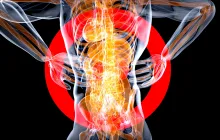
The body is designed to respond to danger with rapid coordination between the brain, the nervous system, and hormonal systems. When a threat is detected, the brain signals the autonomic nervous system to accelerate heartbeat, deepen breathing, and sharpen senses. In healthy situations these responses subside once the danger passes, allowing the person to resume ordinary activity. In anxiety and panic disorders, the system can become hyperreactive, so ordinary stressors may trigger a cascade of symptoms that feel out of proportion to the situation. Frequent activation of the fight‑or‑flight response can lead to a heightened baseline level of tension, making everyday tasks feel fatiguing and unpredictable. The physical sensations associated with anxiety, such as muscle tension, headaches, stomach distress, or a surge of adrenaline, can themselves become cues that reinforce worry and vigilance. Over time this loop can create a pattern where anticipation of anxiety becomes more distressing than the actual events that provoke it. Understanding these mechanisms is not about pathologizing normal fear but about demystifying the physiological changes that accompany it and identifying practical ways to soften their impact through deliberate practice and gradual exposure to feared situations. When people learn to observe bodily signals with curiosity rather than judgment, they often regain a sense of control that had felt elusive. This process also involves recognizing that anxiety often coexists with other factors such as sleep disturbance, caffeine use, hormonal fluctuations, and life stressors, each capable of heightening sensitivity to fear cues. By attending to these interactions, a person can design a plan that reduces vulnerability and enhances recovery.
Diagnosis, assessment, and when to seek professional help
Clinical assessment typically involves a careful conversation about symptoms, their duration, and the impact on functioning, along with a review of medical history and potential sleep, medical, or substance‑related contributors. A clinician may use structured interviews or standardized questionnaires to clarify the nature of anxiety and determine whether panic attacks are episodic or part of a broader pattern such as generalized anxiety, social anxiety, or a phobia. Seeking professional help is important when symptoms persist for weeks or months, when panic attacks become frequent or disabling, or when there is significant distress interfering with relationships, work, or school. A precautionary step is to rule out medical conditions that can mimic anxiety symptoms, such as thyroid issues, caffeine or stimulant use, cardiovascular concerns, or certain respiratory problems. The aim of assessment is not only to diagnose but to understand the individual’s unique triggers, coping styles, and life context so that a personalized treatment plan can be developed. Early engagement with mental health professionals can reduce the risk of symptom escalation and open access to evidence‑based interventions that have helped many people regain a sense of steadiness and purpose.
Evidence‑based therapies and why they work
Among the most effective treatments for anxiety and panic disorders are cognitive behavioral approaches that teach people to identify and reframe unhelpful thoughts, reduce maladaptive behaviors, and gradually confront feared situations in a controlled way. Cognitive behavioral therapy helps individuals notice the links between automatic thoughts, emotional reactions, and bodily sensations, then learn practical techniques to interrupt cycles of worry. Exposure therapies, a component of cognitive behavioral strategies, gradually introduce people to feared stimuli in a safe and progressive manner, allowing tolerance to increase and fear responses to diminish over time. For some, mindfulness‑based approaches cultivate nonjudgmental awareness of present experiences, helping to reduce reactivity to distressing thoughts or sensations and promoting a steadier emotional rhythm. In certain cases, clinicians may integrate acceptance and commitment therapy, which emphasizes values‑driven actions and the acceptance of uncomfortable experiences while reducing avoidance. When panic is a prominent feature, specific forms of exposure such as interoceptive exposure—deliberate practice of internal bodily sensations in a controlled setting—can help decouple anxiety from physiological fear. The effectiveness of these therapies is supported by research across diverse populations, and many individuals benefit from a combination of therapeutic modalities tailored to their needs. Families and partners can also participate in therapy or psychoeducation to improve understanding and support while preserving the autonomy and dignity of the person managing anxiety.
Self‑management and daily routines that support calm and resilience
Building daily habits that nurture emotional stability is a practical complement to professional treatment. Consistent sleep patterns, regular physical activity, and balanced meals all influence the body's stress system. Gentle movement such as walking, stretching, or yoga can reduce muscle tension and improve breath control, contributing to a sense of steadiness throughout the day. Creating a predictable daily schedule can reduce uncertainty, which often fuels worry, and establishing regular routines for meals, exercise, and relaxation helps the nervous system settle into a calmer pace. Mindful breathing practices, like slow diaphragmatic breaths, have immediate effects on heart rate and autonomic balance, providing accessible tools when anxiety surfaces. The act of journaling or reflective writing can help individuals externalize thoughts, recognize patterns, and track progress over time. A warm bath, soothing music, or a brief nature walk can serve as restorative interludes that reinforce the feeling of safety. Reducing sources of irritants such as excessive caffeine, nicotine, or alcohol can lighten the body's reactivity, especially when used in moderation within a broader treatment plan. The key is to cultivate a compassionate approach to self‑care that honors the need for rest, connection, and meaningful activities, rather than treating self‑care as a punitive obligation.
Breathing, grounding, and body awareness techniques
Breathing exercises are often the first practical tool people learn because they can be done anywhere and require no special equipment. Slow, deep breaths that engage the diaphragm help to slow the racing heart and reduce sensations of panic. Grounding techniques anchor attention to immediate sensory experiences, such as noticing five things you can see, four you can touch, three you can hear, two you can smell, and one you can taste. These practices interrupt spiraling worry and bring the mind back into contact with the present moment. Progressive muscle relaxation teaches a gentle release of tension by systematically tensing and relaxing different muscle groups, which fosters a more conscious connection between mind and body. Visual imagery, such as picturing a tranquil scene or a comforting place, can create a sense of safety and reduce physiological arousal. When practiced regularly, these techniques become reliable tools that people can deploy during a moment of distress, and they contribute to a greater sense of control rather than surrender to fear. The goal is not to erase fear entirely but to reduce its intensity and to increase the time people experience relief between anxious episodes.
Cognitive strategies: reframing and flexible thinking
Many anxiety patterns are sustained by automatic thoughts that overpredict danger or minimize personal efficacy. Cognitive strategies focus on examining the evidence for and against these thoughts, considering alternative explanations, and testing predictions through real‑world experiences. People learn to phrase thoughts in a more balanced and evidence‑based way, which reduces the emotional weight of feared outcomes. This process often includes recognizing cognitive distortions such as catastrophizing, overgeneralization, or all‑or‑nothing thinking, and then rehearsing more adaptive responses. The practice strengthens the ability to pause before acting on fear, choose behaviors aligned with values, and gradually expand comfort zones. It is important to approach this training with patience, because changing longstanding thought patterns takes repeated practice and supportive feedback. Over time, flexible thinking can transform how a person interprets uncertainty, turning it into an opportunity for learning rather than a threat to safety.
Exposure and gradual confrontation to feared situations
Exposure work involves carefully planned steps to face situations that trigger anxiety, starting with less intimidating challenges and gradually progressing to more difficult ones. The underlying aim is to demonstrate that feared outcomes are unlikely or manageable, which weakens avoidance as a coping strategy. Successful exposure relies on a supportive therapeutic environment, clear goals, and a pace that respects the individual's comfort level. The process can be extended to various domains such as social settings, public speaking, or situations that provoke agoraphobic fears. While exposure can feel daunting, it is often one of the most effective means of reducing sensitivity to anxiety triggers. A key principle is to pair exposure with coping strategies learned in therapy, so that the person can tolerate discomfort and still act in ways that align with their values. The long‑term benefit is a broader repertoire of experiences, increased confidence, and a more resilient sense of self in the face of uncertainty.
Managing panic attacks when they occur
During a panic attack, the priority is to stabilize breathing, reassure the body that danger is not present, and remind oneself that the symptoms, while frightening, are temporary and non‑harmful. Slowing breathing, counting breaths, and grounding can intervene in the escalation phase. It is helpful to adopt self‑talk that reduces doom narratives and emphasizes that the attack will pass. Some people find it useful to adopt a mantra or physical grounding technique, such as placing a hand on the chest to monitor breathing or focusing on a steady, rhythmic task. After the episode, it is important to reflect on what triggered the attack, what coping strategies were effective, and what could be adjusted in the future. Over time, the frequency and intensity of panic attacks often diminish as skills become more automatic and confidence grows. The experience can be transforming when viewed through a compassionate lens, recognizing a need for support without letting fear define the person.
Lifestyle factors that influence anxiety and resilience
The environment in which a person lives and works plays a crucial role in the experience of anxiety. Regular physical activity supports hormonal balance, sleep quality, and overall mood, contributing to a lower baseline level of reactivity. Nutrition matters too, since certain foods or additives may influence energy and sleep, while hydration supports cognitive function. Sleep quality is a central pillar; poor sleep can amplify worry and reduce the ability to regulate emotions. Social connections provide a sense of safety, belonging, and shared perspective, which can alleviate loneliness that sometimes magnifies distress. Reducing stimulants such as caffeine, particularly later in the day, can lessen sleep disruption and nervousness. Creating spaces for restorative downtime, managing work demands, and cultivating meaningful activities all contribute to a resilient nervous system. In some cases, addressing environmental stressors such as noisy roommates, chaotic routines, or extreme schedules can have a measurable impact on anxiety levels. Understanding how daily choices accumulate over time helps people build a lifestyle that sustains calm, energy, and focus.
Medications and medical considerations
Medication is one option for managing anxiety and panic disorders, often used in combination with psychotherapy. Selective serotonin reuptake inhibitors and other antidepressants may reduce long‑term anxiety by altering chemical signaling in the brain, while certain benzodiazepines can ease acute distress but carry risks of dependence if used improperly. It is essential to discuss benefits, side effects, and interactions with a qualified clinician who will personalize the approach based on medical history, age, comorbid conditions, and preferences. Medication is not a universal solution, and some individuals prefer to pursue therapy first or to focus on lifestyle and coping strategies while monitoring symptoms. When considering pharmacological options, it is important to have clear expectations about onset of effect, duration, and plans for tapering or discontinuation if appropriate. Continuous follow‑up helps ensure that treatment remains aligned with changing needs and life circumstances.
Special considerations for different life stages and circumstances
Adolescents, adults, pregnant individuals, and older adults each face unique challenges and expectations around anxiety management. In younger people, mood and behavior can reflect developmental changes, school pressures, social dynamics, and family context, requiring careful coordination with caregivers and educators. Pregnancy introduces hormonal shifts that can influence mood and anxiety, necessitating careful monitoring of symptoms and treatment options that consider both maternal and fetal health. In older adults, anxiety may co‑exist with medical conditions, cognitive changes, or bereavement, demanding a thoughtful approach that respects autonomy and dignity while ensuring safety. Cultural background and language can shape the meaning of anxiety and the acceptability of certain therapies, making culturally responsive care an important aspect of effective treatment. Across life stages, a person’s values and goals guide the selection of strategies that feel accessible, respectful, and sustainable.
Building a sustainable, personalized treatment plan
A durable plan combines education, therapy, medication when appropriate, and lifestyle strategies into a coherent framework. It begins with a clear understanding of symptoms, triggers, and personal resources. Goals are defined in concrete terms and revisited regularly to reflect progress and changing circumstances. A personalized plan may emphasize regular practice of coping strategies, scheduled check‑ins with mental health professionals, and a gradual expansion of situations that previously caused distress. It also includes safety nets for times of heightened illness, such as knowing when to seek urgent help or how to adjust routines to protect well‑being. The essence of sustainability lies in small, consistent efforts that accumulate into meaningful change. It requires patience, self‑compassion, and the readiness to adapt strategies as needs evolve. By nurturing curiosity about one’s own experience and embracing gradual growth, a person can foster a baseline of resilience that supports steady improvement.
Myths, truths, and common misunderstandings
There are many misconceptions about anxiety and panic disorders that can hinder recovery. Some people wrongly assume that anxiety is a personal failing or that it is simply a sign of weakness. Others think that the only effective remedy is avoidance, which often worsens long‑term outcomes by reinforcing fear. A constructive perspective recognizes that anxiety is a valuable signal that something requires attention, and that courage can involve asking for help, practicing exercises, and engaging with life despite discomfort. Another myth is that suppression or forced cheerfulness is a reliable way to cope, whereas openness to uncomfortable emotions and the gradual application of coping techniques tends to produce more durable benefits. By replacing myths with evidence and experience, individuals can cultivate realistic expectations, reduce shame, and approach treatment with openness and persistence.
Support networks and professional partnerships
Recovery is rarely a solitary journey. Friends, family, coworkers, therapists, and support groups can offer validation, practical assistance, and encouragement at different stages of treatment. A caring network can help sustain motivation, reinforce positive changes, and provide a sense of belonging that buffers stress. Professional partnerships are especially valuable because they bring expert guidance, accountability, and a structured plan. Clear communication with clinicians about what works and what does not allow for adjustments that enhance effectiveness. When people feel heard and understood, they are more likely to stay engaged in therapy and to practice the skills that lead to lasting improvements. Building and maintaining these connections can be a pivotal element in reducing isolation and promoting resilience.
Practical tips for daily life and ongoing practice
Practical advice emphasizes consistency, small steps, and gentle persistence. Establishing a routine that includes dedicated time for practice of breathing exercises, mindfulness, or journaling can create predictable moments of calm amid daily responsibilities. Planning ahead for challenging days, such as maintaining a flexible schedule and arranging supportive social contact, helps reduce the impact of stress. It is helpful to track patterns in mood and anxiety to identify trends and assess which strategies yield the most relief. The goal is to embed a toolkit into everyday life so that when anxiety rises, there is immediate access to strategies rather than a sense of improvisation or helplessness. This ongoing practice fosters a sense of mastery and reduces fear about the future, making it easier to stay engaged in work, relationships, and personal goals.
Resources, education, and continuing growth
Access to reliable information can empower individuals to participate actively in their care. Reading reputable sources, attending psychoeducation groups, and exploring guided programs can deepen understanding and motivation. Many people benefit from structured courses that teach cognitive behavioral techniques, relaxation methods, and coping skills in an organized format. Educational materials should be approached critically, with attention to scientific validity and alignment with one’s personal preferences. Ongoing education supports informed decision making, reduces uncertainty, and helps people remain curious about their own responses to stress. As knowledge grows, so too does the capacity to adapt strategies to changing life circumstances, which is essential for maintaining long‑term gains.
A path forward: integrating strategies into a meaningful life
The journey toward managing anxiety and panic disorders is ultimately about creating a life in which fear is present but manageable, where one can pursue values and goals with confidence, and where distress cues no longer dictate every choice. This path invites patience, curiosity, and a willingness to experiment with different approaches until an effective combination is found. It also requires compassion toward oneself when progress feels slow or when setbacks occur, recognizing that healing is not linear. Each day presents an opportunity to apply skills, notice improvements, and reinforce a sense of safety within the body and mind. In this ongoing process, individuals may discover that anxiety, while challenging, can be a catalyst for growth, greater self‑awareness, and deeper connections with others who share similar experiences. Through commitment to practice, professional guidance when needed, and a supportive environment, anxiety and panic disorders can become manageable conditions rather than dominant forces in life.