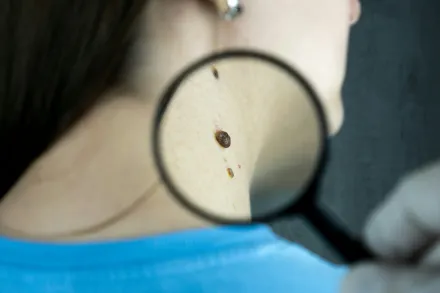
Skin cancer represents a group of diseases driven by the growth of abnormal cells in the skin, and its impact on health can be profound when it is not detected early. Across populations, sun exposure, genetic predisposition, and certain environmental factors shape the risk landscape, yet the most reliable defense remains everyday vigilance and timely medical assessment. Understanding how the skin communicates warning signs through subtle changes helps people take action before a small problem grows into a difficult medical challenge. This article explores the patterns, processes, and practical steps that empower individuals to spot early indicators with clarity, curiosity, and care, while also acknowledging the limits of self observation and the essential role of professional evaluation.
The biology of skin cancer and why early signs matter
At its core, skin cancer arises when skin cells accumulate genetic mutations that disrupt normal regulatory mechanisms, allowing cells to multiply in ways that mirror a misbegotten clock. The skin is the largest organ in the body and functions as both a protective barrier and a dynamic interface with the environment. Because sunlight carries ultraviolet radiation, it can damage the genetic material in skin cells, and this damage may accumulate over years or decades. Some cancers begin in pigment-producing cells called melanocytes, giving rise to melanoma, which can spread aggressively if not detected promptly. Other cancers originate in the outermost layer or in deeper skin structures, producing forms that are often less dangerous when caught early but can still cause significant problems if neglected. Recognizing early signs is not about alarming fear but about informed awareness and timely action that improves outcomes and preserves quality of life over the long term.
Biological processes in the skin interact with a person’s age, skin tone, and overall health to shape the appearance of early lesions. In lighter-skinned individuals, changes may be more immediately noticeable against a pale background, whereas in darker skin tones, signs may be subtler and require careful scrutiny. The early manifestations can be small and deceptively benign in appearance, yet they may herald a shift toward a more problematic state if left unchecked. Medical knowledge emphasizes that early detection correlates with a higher likelihood of successful treatment, reduced need for extensive procedures, and better survival statistics in certain cancers. This correlation is a practical reason to cultivate a habit of paying attention to the skin without inducing constant anxiety.
Beyond specific diseases, the skin carries a memory of how it has weathered years of sun exposure, hormonal changes, aging, and injuries. New or evolving marks can be the result of noncancerous conditions, but it is the persistence, growth, or transformation of suspicious features that invites professional evaluation. An informed reader can cultivate a mindset that treats the skin as a living record of history, one that sometimes whispers warnings through texture changes, color shifts, or new shapes. When in doubt, seeking a professional opinion is a prudent step rather than waiting for symptoms to worsen, because early intervention often means simpler management and better outcomes.
Recognizing changes on moles and new lesions
Moles are common and usually harmless. They can appear as flat or raised spots and may vary in color, size, and shape. The challenge emerges when a mole changes in a way that signals a need for medical assessment. A mole with uneven or asymmetrical shape, irregular or blurred borders, multiple or uneven colors, a diameter that is unexpectedly large, or evolving features over weeks to months should prompt careful attention. These patterns do not guarantee cancer, but they heighten the importance of professional examination to determine whether any particular lesion requires biopsy or imaging. The human eye often relies on pattern recognition acquired through regular self-checks, and this capacity improves when a person becomes familiar with their own skin and the way it normally looks in different seasons and lighting conditions.
New lesions deserve the same level of scrutiny. A lesion that appears as a new mark that was not present before, especially in sun-exposed areas, can be a candidate for evaluation even if it does not resemble an existing mole. Some cancers begin as a small, firm bump beneath the surface that may not be immediately visible but becomes palpable or tender over time. In addition to color and border changes, texture shifts such as roughness, scaling, or the development of a crust can indicate evolving pathology. It is important to note that not all suspicious changes are cancerous, but only a professional assessment can differentiate benign variations from malignant growths with confidence and provide appropriate guidance on next steps.
Particular attention should be paid to lesions that change with seasons or after sun exposure, or that fail to heal after a minor injury. A scar-like appearance, a lesion that bleeds or oozes without clear cause, or a mark that becomes raised and hard may be signals that require prompt examination. The goal of watching moles and new lesions is not to diagnose oneself but to build a conversation with a dermatologist, share observed patterns, and obtain an expert assessment when patterns suggest risk. Clear communication about the lesion’s history, changes over time, and any accompanying symptoms such as itching or tenderness helps clinicians reach accurate conclusions efficiently.
For people with a history of sunburns, a family history of skin cancer, or living in regions with intense ultraviolet exposure, the threshold for seeking evaluation can be somewhat lower. In these contexts a lesion that seems minor to the casual observer may warrant professional review, given the cumulative risk factors. Education about what to monitor, how to document changes through simple photographs with consistent lighting, and when to schedule checkups can empower individuals to participate actively in their own skin health. The principle remains simple: early detection often hinges on noticing subtle changes early and acting promptly when concern arises.
Understanding the ABCDE approach in everyday observation
The ABCDE framework provides a mnemonic that many clinicians use to describe warning signs in a way that is easy to remember. A stands for asymmetry, meaning that one half of the lesion does not resemble the other half. B refers to irregular borders, where edges are ragged, notched, or blurred rather than smooth and well defined. C highlights color variation, with multiple colors or hues that do not blend in a uniform way. D denotes diameter, with lesions larger than a common reference such as a pencil eraser often warranting closer look, especially if they are growing. E captures evolution, the idea that any change in size, shape, color, or elevation over time should trigger consideration of medical evaluation. This framework is a guide for everyday vigilance, not a diagnosis, and it can help people articulate concerns clearly during a consultation. It is important to apply it with sensible caution, recognizing that not all melanomas or skin cancers follow the same pattern, and some early signs may be subtle or atypical.
When using this framework in daily life, it is valuable to compare current observations with how the skin has looked in the recent past. A stable mole that has remained unchanged for years is less concerning than a lesion that begins to drift in any of these dimensions. Documentation through photographs, notes about the lesion’s location, size estimates, and a description of any accompanying symptoms such as itching, tenderness, or crusting can be extremely helpful to a clinician. Individuals should be mindful that certain lesions can mimic benign conditions like eczema or dermatitis, yet persistence beyond a few weeks or recurrent changes should prompt medical review. The goal is a careful, respectful approach that prioritizes health without causing unnecessary alarm.
Another important aspect of recognizing changes is understanding that skin conditions can vary with age and body site. For instance, sun-exposed areas such as the face, neck, ears, and arms may bear a higher burden of mutational events leading to early signs, while less exposed regions might reveal abnormalities later. Scalp lesions, particularly in individuals with thinning hair, can be overlooked but may carry significance when they persist or grow. Nails and the mucous membranes inside the lips or mouth can also host early signs that warrant professional assessment, underscoring the need for a comprehensive skin health check that covers all regions of the body. The practical takeaway is to adopt a broad, not overly anxious, but attentive approach to monitoring, especially in the context of consistent personal risk factors.
In clinical practice, dermatologists often rely on both visual inspection and dermoscopy to enhance diagnostic precision. Dermoscopy is a noninvasive technique that uses a magnified view of the lesion with special lighting to reveal structures beneath the surface of the skin. This tool can help differentiate benign features from those that suggest malignancy, enabling more accurate decisions about biopsy and treatment planning. While at-home observation is valuable, it should be viewed as a preliminary screening step that informs the decision to seek professional care. The combination of thoughtful self-monitoring and expert evaluation represents a pragmatic path to catching concerning changes early while avoiding unnecessary procedures for benign conditions.
Another key aspect is recognizing that certain treatments or dermatologic conditions may influence how lesions appear. For example, people undergoing immunotherapy, targeted therapy, or other systemic treatments can experience changes in their skin that may mimic or mask early cancer signs. In such cases, it is essential to maintain ongoing communication with healthcare providers who understand the person’s medical history and current therapies. Honest reporting about new or evolving lesions, along with any systemic symptoms such as fatigue or fever that accompany skin changes, can assist clinicians in distinguishing inflammatory or benign processes from malignant ones and in determining the appropriate next steps for evaluation or intervention.
Ultimately the practice of recognizing early signs hinges on a balanced approach: stay informed about typical warning patterns, maintain a regular self-check routine, document observations, and seek professional advice when uncertainty persists. This approach respects the complexity of skin cancer while empowering individuals to act with confidence and calm. It also reinforces a broader message about health maintenance, which includes sun safety, avoidance of unnecessary tanning, protective clothing, and routines that minimize chronic ultraviolet exposure. Adopting these habits alongside vigilant skin observation creates a comprehensive strategy that supports long-term skin health and reduces the likelihood that concerning changes go unnoticed.
Guidelines for monitoring skin changes at home without alarm
Home monitoring is about informed curiosity rather than diagnostic confidence. It begins with a simple, sustainable habit: regularly examining exposed areas of the skin and gradually covering areas that are less visible. A reflective routine that happens in daylight or under well-lit conditions makes subtle changes easier to detect. When a new mole appears, or an existing one begins to alter its appearance, it is prudent to observe for a period and document any movement toward worrying characteristics with phrases that clinicians understand, such as asymmetry, irregular borders, color drift, increased diameter, or evolution in size and shape. These observations should be shared with a dermatologist who can provide an expert assessment, possibly including dermoscopic imaging or a biopsy if indicated.
If a lesion is bleeding, crusting persistently, or healing poorly over several weeks, these features merit earlier evaluation. It is also reasonable to seek prompt assessment for any lesion that grows rapidly, becomes raised, or feels firm and different from surrounding skin. The act of seeking medical advice does not imply a diagnosis of cancer, but it does reflect a proactive stance toward health that can lead to reassurance or timely treatment if required. A disciplined approach to home monitoring can reduce anxiety by providing concrete data to discuss with a clinician, turning a potentially uncertain situation into a manageable medical conversation.
A practical strategy is to perform periodic self-examinations with a consistent framework that respects privacy and comfort. Individuals may prefer to do this in front of a mirror with a partner for difficult-to-see areas, such as the back or scalp. Using a handheld mirror, a comb, or a compatible camera allows for revisiting the same areas with consistent angles and lighting. It is helpful to track changes in moles or lesions' color, edges, and size over time, but it is equally important to document any new lesions that appear and to note whether symptoms such as itching, tenderness, or aching accompany the visual changes. By treating this as a routine part of skin health rather than a dramatic search for danger, people can maintain a constructive relationship with their bodies and with medical professionals.
Finally, home monitoring should be integrated with broader health practices. Daily sun protection, including broad-spectrum sunscreen, protective clothing, hats, and shade, reduces the risk of new lesion formation and minimizes the likelihood that existing lesions progress. Avoiding tanning devices and seeking regular medical skin checks, especially for individuals with higher risk profiles, complements the self-check routine and reinforces the message that early signs are often subtle but are within the realm of early intervention when approached consistently and calmly.
In this context, education becomes a practical tool. Understanding that not every change indicates cancer is equally important as recognizing that certain patterns warrant professional evaluation. People who have a family history of skin cancer, have a fair complexion, or have heavy sun exposure in youth should approach self-monitoring with heightened attentiveness. It is never too late to start a routine, and even small steps toward consistent observation can translate into meaningful outcomes when matched with timely medical care. The aim is to empower individuals to participate actively in their health journey while relying on clinical expertise to confirm or allay concerns as appropriate.
To support this effort, clinicians emphasize open communication about the lesion’s development, symptoms, and context. Describing the lesion’s exact location, whether it sits on sun-exposed skin or on less obvious sites, and whether it has been present since childhood or only recently can help doctors assess risk more accurately. The evaluation often includes a complete skin examination, dermoscopic imaging when indicated, and, if necessary, a biopsy to determine the precise nature of the lesion. The collaboration between patient and clinician, founded on clear information and mutual respect, is the cornerstone of successful early detection and effective treatment planning.
What to look for in sun-exposed areas and in remote regions of the body
Sun exposure increases the likelihood of photoaging and mutations that can culminate in neoplastic changes. The face, ears, neck, hands, and forearms are common sites where suspicious changes may appear earlier due to frequent ultraviolet exposure. Yet skin cancers can arise almost anywhere, including areas that receive less sun, such as the trunk, scalp beneath hair, and even the nails. The diversity of possible locations underscores the importance of a comprehensive check that covers both visible and less accessible regions. When a lesion is found in a difficult area, seeking professional evaluation is especially prudent to ensure that subtleties do not go unnoticed. The clinician may use a dermoscopic approach to reveal features not visible to the naked eye and may discuss the potential need for biopsy based on combined clinical judgment and imaging findings.
Color variation is often a red flag, particularly the appearance of shades that include black, blue, white, or a mix of tones within a single lesion. Patchy pigmentation or the appearance of an irregular color gradient can reflect abnormal cellular activity that should be evaluated. Borders that are jagged, notched, or blurred are another hallmark that can distinguish benign moles from malignant growths. In many cases, a lesion that enlarges in diameter over a period of weeks or months draws attention and prompts further investigation. Even lesions that look unchanged over years can occasionally transform, and thus periodic reassessment remains a prudent habit for individuals across their lifespans. When the skin around a lesion becomes inflamed or tender, it adds another layer of consideration and increases the likelihood that a clinician will want to conduct a thorough examination.
Fine textures such as scaling, crust, or a raised, nodular surface may signal deeper changes in the skin layers. A lesion that feels unusually firm or different from the surrounding skin can be a sign of altered tissue architecture, sometimes associated with malignant processes. It is important to assess both appearance and sensation, noting whether a lesion itches, bleeds, oozes, or heals slowly after minor injuries. These signs, especially when combined, create a stronger case for professional review. However, a cautious approach is necessary to avoid unnecessary distress; many benign conditions can mimic early cancer signs, including irritated harmless moles, dermatologic infections, and inflammatory reactions. The path to clarity lies in expert assessment rather than solitary interpretation.
Finally, awareness of the possibility of developments in the nails is useful. Changes in nail color, thickness, or the emergence of unusual lines and patches can sometimes reflect systemic processes or localized skin disorders, including cancers that originate in adnexal structures of the skin. Any persistent nail abnormality should be evaluated by a clinician, particularly if it is associated with pain, swelling, or a noticeable lesion adjacent to the nail bed. Holistic observation that includes both the skin and its appendages supports early detection in a manner consistent with comprehensive dermatologic care. It also reinforces the principle that vigilance is a shared responsibility among individuals, caregivers, and healthcare professionals, all aimed at maintaining skin health and preventing advanced disease through timely action.
When to seek medical evaluation and what to expect
The decision to seek medical evaluation is based on observed patterns, personal risk factors, and the level of concern that accompanies a lesion. If you notice asymmetry, irregular borders, color variation, an unusual diameter, or evolution in a lesion, scheduling an appointment with a dermatologist is a reasonable and constructive step. Even if the clinician’s assessment reveals a benign condition, the visit provides reassurance and education about skin health, sun protection, and self-monitoring practices. In cases where biopsy or imaging is indicated, the clinician will discuss the rationale, the expected steps, and any potential risks or preparation required. The patient-centered approach emphasizes clear communication, informed consent, and shared decision-making, ensuring that individuals participate actively in choices about their care while receiving professional guidance grounded in evidence-based practice.
During an examination, dermatologists perform a thorough inspection of the entire skin surface, often comparing lesions with surrounding tissue and with prior photographs if available. They may use dermoscopy to enhance visualization, and they may assess regional lymph nodes for signs of spread when there is a high index of suspicion. If any lesion appears suspicious, a biopsy is typically performed to obtain a definitive diagnosis. The biopsy procedure is generally straightforward and can be done in a clinic setting with appropriate anesthetic, and the resulting tissue is sent to a pathology laboratory for analysis. The diagnosis then informs treatment planning, which can range from careful observation to surgical removal, topical therapies, or other interventions based on the cancer type and stage.
Patients are encouraged to bring a record of their skin changes, including dates of observation, any symptoms, and a brief history of sun exposure and family history of skin conditions. This information helps clinicians form a more accurate context for interpretation. It is also important for patients to discuss any concerns about biopsy discomfort, recovery time, and how results may influence future surveillance. By approaching the process with openness and collaboration, individuals can navigate the path from suspicion to diagnosis with less stress and clearer expectations, while healthcare teams identify the most appropriate course of action in a timely and respectful manner.
In addition to clinic visits, telemedicine offers a convenient option for preliminary assessments when access to in-person care is limited. High-quality photographs of suspicious lesions can be reviewed by specialists who may guide the need for an in-person visit or urgent care. Telemedicine can be a productive step in a broader strategy of early detection, particularly for individuals in remote areas or those with mobility constraints. Still, it is essential to recognize the limits of remote evaluation, as certain imaging and biopsy-dependent determinations require direct examination. The integration of technology with traditional dermatology thus supports efficient, patient-centered care that prioritizes early detection while respecting patient preferences and logistical realities.
Awareness of potential risk factors helps individuals tailor their monitoring approach. Fair-skinned people with a history of blistering sunburns, multiple sun-protective failures, or a family history of melanoma may benefit from more frequent checkups and more rigorous self-monitoring. Conversely, people with darker skin tones should remain vigilant for signs that may appear differently, such as changes in color or texture in sun-protected areas, and should not assume immunity from skin cancer. A proactive stance that acknowledges both general risk patterns and personal history fosters a balanced approach to skin health that can catch early signs before they progress to more challenging stages. The overarching aim is to enable patients to act promptly, make informed decisions, and engage in ongoing prevention strategies that support long-term wellbeing.
Common types of skin cancer and their early signs
Basal cell carcinoma is the most common form of skin cancer and often manifests as a pearly or waxy bump, a flat or scar-like lesion, or a sore that heals slowly and then bleeds again. Early signs can be subtle, and the lesion may be gentle to the touch, which can lead to delayed recognition. The key is to notice a lesion that persists for more than several weeks, especially if it bleeds or crusts without a clear cause. Early intervention is typically effective for basal cell carcinoma and can prevent larger scarring and structural damage, particularly when the lesion is on the face or neck where it is more visible and potentially disruptive to daily life. Regular examination of sun-exposed areas is a practical measure in reducing risk through early detection and treatment.
Squamous cell carcinoma often presents as a firm, red nodule or a flat lesion with a scaly or crusted surface. It may grow more quickly than benign lesions and can appear in sun-damaged skin, on the lips, ears, hands, or other exposed sites. Early signs include a persistent sore that does not heal, a rough patch that persists despite treatment, or a new lesion that enlarges over weeks or months. Because squamous cell carcinoma can be more aggressive than basal cell carcinoma, timely medical evaluation is particularly important. Treatments such as surgical excision, Mohs micrographic surgery, or other targeted therapies can be highly effective when the disease is caught early, underscoring the benefit of prompt recognition and care.
Melanoma is the most serious form of skin cancer and often begins as a mole or pigmented lesion that changes over time. Early signs may include a mole that becomes asymmetrical, develops irregular borders, displays multiple colors, increases in diameter beyond a common reference, or evolves in height and texture. Some melanomas start as new lesions with an irregular appearance rather than evolving from existing moles. The rapid pace of change in melanoma highlights the importance of swift investigation when warning signs are detected. Prompt biopsy and staging enable treatment to be tailored to the cancer’s depth and spread, which is critical for improving survival rates and reducing the likelihood of metastasis. Even when a lesion looks small or innocuous, clinicians may recommend an assessment if the lesion exhibits suspicious characteristics or evolves quickly.
In addition to these primary categories, clinicians recognize other less common skin cancers that may present with unique early signs, including lesions that resemble ulcers, non-healing wounds, or lesions that mimic inflammatory conditions. The diversity of presentations reinforces the principle that any persistent, unusual, or evolving skin abnormality deserves professional attention. Early detection across all cancer types improves the range of available treatment options and can reduce the physical and emotional burden associated with advanced disease. Maintaining ongoing communication with healthcare providers about any suspicious lesion helps ensure that care is timely, accurate, and aligned with best practices in dermatology and oncology.
From a preventive standpoint, ongoing sun protection remains essential regardless of cancer type. The best defense against aggressive disease lies in reducing exposure to ultraviolet radiation, avoiding tanning devices, and adopting protective behaviors that preserve skin health over the long term. Equally important is the cultivation of a positive health-seeking mindset that encourages proactive screening, regular professional skin checks, and an open dialogue about skin changes. Education, community awareness, and access to dermatologic services collectively strengthen early detection efforts, enabling people to remain informed, empowered, and cooperative participants in their own health journeys. This collaborative approach helps translate scientific knowledge into practical, patient-centered outcomes that improve lives by catching problems earlier and guiding effective management.
In conclusion of this section, it bears repeating that the early signs of skin cancer are not always dramatic, and many cancers begin with subtle presentations that resemble benign conditions. The value of vigilance lies not in fear but in informed action, consistent self-monitoring, and timely medical evaluation when changes occur. By integrating personal observation with professional assessment, individuals can maximize the chances that cancer, if present, is detected in its earliest, most treatable stage. This approach respects the complexity of skin disease while prioritizing patient autonomy, safety, and well-being, and it reflects a commitment to health that many people find both practical and empowering in everyday life.
Preventive strategies and routine surveillance to complement early detection
Preventive strategies revolve around reducing risk and building an environment in which the skin remains resilient over time. Regular use of broad-spectrum sunscreen with adequate SPF, even on days that appear overcast, significantly lowers the risk of new skin cancers and slows the progression of existing lesions. Protective clothing, wide-brimmed hats, and sunglasses help shield the skin from ultraviolet exposure, diminishing cumulative damage across the years. Avoiding tanning beds and abrupt sunburns during childhood and adolescence provides lasting protective effects; the body’s ability to repair UV-induced DNA damage is enhanced when exposure is moderated and protective habits are established early in life. These measures contribute to a broader culture of health that emphasizes prevention as a central cornerstone of dermatologic care.
Routine surveillance complements preventive measures by ensuring that changes are identified as early as possible. Individuals should consider annual or semiannual skin checks with a dermatologist, particularly if they have fair skin, a high number of moles, a family history of skin cancer, or a history of significant sun exposure. In some cases, clinicians may recommend more frequent evaluations based on risk profiles and prior findings. These visits often include a full-body skin examination, documentation of existing lesions, and targeted assessment of any suspicious areas. The outcome of each visit is not only an assessment but an opportunity to receive personalized guidance about sun protection, skin care, and, when necessary, follow-up testing or treatment planning. The intent is to integrate medical expertise with everyday health routines in a way that reduces risk and enhances overall skin health.
Beyond clinical care, community education and patient empowerment play pivotal roles in improving early detection rates. Public health campaigns that demystify skin cancer, teach people to recognize common warning signs, and encourage regular self-examination contribute to earlier identification and treatment. Access to affordable screening, culturally appropriate information, and supportive counseling can remove barriers that prevent individuals from seeking care. By fostering a climate of awareness and proactive care, communities can reduce the burden of skin cancer and support individuals in making informed decisions about their health across the lifespan.
In daily life, individuals can reinforce preventive habits by integrating skin health into routine wellness practices. Keeping the skin moisturized, treating chronic conditions promptly, and avoiding harsh skin products that provoke irritation are practical steps that support an overall approach to dermatologic health. Recognizing that early signs can occur at any age and in any skin type reinforces the universality of vigilance and the shared responsibility to act when something appears unusual. The combination of personal responsibility, professional support, and accessible resources creates a sustainable framework that aligns prevention, detection, and treatment with patient-centered values and evidence-based care, ultimately advancing the goal of healthier skin for everyone.
As knowledge advances and new diagnostic tools become available, the core principles of early detection remain anchored in attentive self-observation, timely evaluation by qualified clinicians, and a commitment to sun-safe behaviors. This triangulation of personal practice, professional expertise, and environmental stewardship offers a robust strategy for reducing the impact of skin cancer. By approaching skin health with curiosity, patience, and practical steps, individuals can maintain confidence in their ability to identify potential issues early while benefiting from the best available medical care when needed. The outcome of such an approach is not merely the avoidance of disease but the preservation of well-being, autonomy, and a sense of calm in the face of health concerns.