Understanding the heart and how disease can begin to show itself
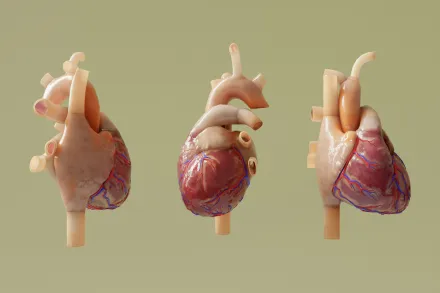
The human heart is a muscular organ whose primary job is to deliver oxygen-rich blood to every part of the body and to receive blood that returns from the lungs. When the arteries that supply the heart muscle with blood become narrowed or when the heart has to work harder than normal, signs can emerge well before a catastrophic event occurs. Early signs are often subtle, easily mistaken for ordinary fatigue or stress, and may vary between individuals. Recognizing that a symptom pattern is unusual for you, persistent, or progressively worsening is a critical step toward preventing serious outcomes. This article explores the kinds of signals that may indicate emerging heart disease, how they can appear in different people, and what steps to take when they notice them.
Chest discomfort and pressure: a common but complex signal
Chest discomfort can present as pressure, squeezing, fullness, aching, or a feeling of tightness behind the breastbone. It may radiate to the left arm, to the neck, jaw, back, or shoulder blades, and it sometimes occurs with or without physical exertion. For many people with coronary problems, the sensation is not a sharp pain but a nagging heaviness that lingers for several minutes. Women may experience subtler symptoms that are easy to overlook, including a sense of indigestion, fatigue, or a discomfort that seems to come from the chest wall rather than from the heart itself. Because chest-related symptoms can be caused by a range of conditions, distinguishing heart-related discomfort from less dangerous issues requires attention to the duration, intensity, and context of the symptom, as well as accompanying signs such as shortness of breath, sweating, or faintness. If chest pain or pressure lasts more than a few minutes, recurs, or is accompanied by faintness, cold sweat, or a feeling of impending doom, urgent medical evaluation is essential. Persistent or progressive chest discomfort should never be ignored, especially in older adults, people with risk factors, or those with a family history of heart disease.
Shortness of breath and unusual breathing difficulties
Breathlessness during simple activities such as walking up stairs, climbing a small incline, or even resting can signal problems with the heart's ability to pump efficiently. In some cases, shortness of breath occurs at night when lying flat, a condition known as orthopnea, or it may wake someone from sleep due to fluid buildup in the lungs, called paroxysmal nocturnal dyspnea. When breathing becomes rapid, shallow, or uncomfortable without a clear cause like a respiratory infection, it can reflect reduced cardiac output or pressure changes in the circulation. For older adults or people with diabetes or high blood pressure, breathlessness can be the first noticeable hint of heart disease, and it should prompt medical assessment to determine whether the lungs or the heart is the primary origin and to identify risk factors that could be addressed to prevent progression.
Palpitations and irregular heartbeats you can feel
Palpitations describe the sensation that the heart is racing, fluttering, or skipping beats. They may occur sporadically or chronically and can be accompanied by dizziness, lightheadedness, or chest discomfort. Palpitations are not always dangerous, especially in young healthy individuals or during periods of stress or caffeine intake. Yet they can be an early sign of electrical disturbances in the heart, such as arrhythmias, or they can occur with heart muscle disease or underlying coronary problems. When palpitations are new, persistent, or associated with fainting, chest pain, or shortness of breath, a medical evaluation is warranted to assess heart rhythm, electrolyte balance, and the overall function of the heart. Recognizing patterns—such as palpitations that occur at rest, during exertion, or in specific postures—can help clinicians determine the likely cause and appropriate treatment strategy.
Dizziness, lightheadedness, and fainting spells
Feeling dizzy or lightheaded can result from a temporary drop in blood flow to the brain, which may be caused by abnormal heart rhythms, low blood pressure, or dehydration. When dizziness occurs in the context of chest pain, shortness of breath, or fainting, it raises concern for potential heart-related causes. In some people, especially older adults, dizziness may be the only or the earliest symptom of heart disease, making it essential not to dismiss these episodes as merely being dehydration or fatigue. A thorough evaluation often includes listening to the heart, checking blood pressure and heart rhythm, and sometimes tests that measure how well the heart responds to stress or activity. Early attention to these symptoms can help prevent falls or episodes that could lead to serious injury or worse outcomes.
Edema: swelling that signals possible fluid overload
Swelling in the ankles, feet, legs, or abdomen can indicate that the heart is not pumping efficiently, allowing fluid to accumulate in tissues. This kind of edema often worsens during the day and improves somewhat with rest or leg elevation. While edema can arise from several noncardiac conditions, persistent swelling with other cardiac signs such as shortness of breath, fatigue, or chest discomfort should prompt an evaluation for heart failure or high blood pressure. The pattern and distribution of swelling, along with associated symptoms like weight gain, abdominal fullness, or difficulty breathing when lying flat, help clinicians distinguish heart-related causes from other disorders such as liver or kidney disease. Early detection and treatment can slow progression and improve quality of life.
A persistent cough or wheezing: not always lung-related
A cough that lasts for weeks or months, especially when accompanied by wheezing or producing pink-tinged sputum, can be a sign of fluid buildup in the lungs from heart failure. Some individuals may attribute this to allergies or bronchitis, but a cough that persists despite standard therapies warrants heart-related consideration, particularly in those with risk factors or prior cardiac events. When the cough is worse at night or when lying down, or when it is accompanied by breathlessness, fatigue, or swelling, clinicians investigate to determine whether heart function is contributing to pulmonary symptoms. Early recognition of this link enables treatment strategies that can reduce hospitalizations and improve activity tolerance.
Indigestion, nausea, or abdominal discomfort as a heart signal
Some people, especially women and older adults, may experience symptoms that feel like indigestion, a feeling of fullness, or epigastric pressure as an early sign of a heart issue. These symptoms can be mistaken for gastrointestinal problems and may appear without the classic chest pain. When such discomfort is new, persistent, or accompanied by sweating, shortness of breath, or faintness, it is prudent to seek evaluation. The heart may be involved through stress on the organ or via reduced blood flow that affects the stomach and surrounding structures. Recognizing this pattern requires openness to cardiac explanations, even in the absence of overt chest symptoms, to catch a heart problem before it progresses.
Pain in the jaw, neck, shoulder, or arm without typical chest pain
While many people associate heart problems with chest pain, referred pain can occur in the jaw, neck, shoulder, or arm. Women, men with diabetes, and older individuals may report these atypical patterns more often than the classic chest-centered presentation. The pain may be mild or intermittent and may be triggered by exertion or emotional stress. Combined with shortness of breath, fatigue, or dizziness, such pain deserves careful assessment because it can indicate ischemia or evolving coronary disease. A thoughtful evaluation, including history, physical exam, and appropriate testing, helps ensure that treatment decisions address the true source of the symptoms and that men and women receive accurate information about their heart health needs.
Fatigue: a quiet but meaningful signal
Unexplained fatigue that lasts for days or weeks and is out of proportion to activity may be a sign that the heart is not pumping efficiently enough to meet the body's demands. This kind of tiredness can be easy to misattribute to stress, sleep deprivation, heavy workloads, or poor lifestyle choices. However, when fatigue is persistent, worsens with exertion, or is accompanied by other symptoms such as shortness of breath, dizziness, or swelling, it becomes important to consider a cardiac origin. Early recognition of fatigue as a potential heart-related symptom can prompt timely testing and risk-factor assessment, helping to prevent deterioration that could lead to hospitalization or more serious complications.
Risk factors: the background that amplifies early signs
Certain conditions and lifestyle choices increase the likelihood that early signs reflect heart disease. Age is a major factor, with risk rising after midlife, but heart disease can begin at any age, especially in the presence of multiple risk factors. A family history of heart disease, high blood pressure, elevated cholesterol, diabetes, smoking, obesity, sedentary behavior, poor diet, and chronic stress all contribute to the likelihood that mild symptoms may herald more serious disease. Recognizing the constellation of risk factors in your life helps tailor the level of vigilance you apply to any new or unusual symptoms. It also informs discussions with healthcare providers about screening tests, preventive therapies, and the pace at which lifestyle modifications should be pursued to reduce risk over time.
How risk factors interact with early signs to guide evaluation
When risk factors accumulate, the threshold for concern about even mild or atypical symptoms lowers. For someone with a strong family history of premature heart disease, a new feeling of chest pressure or episodic breathlessness may prompt earlier diagnostic testing, such as an electrocardiogram, a blood test for cardiac enzymes, or imaging that assesses how well the heart and arteries are functioning. In patients with diabetes or high blood pressure, attention to small changes in energy levels, sleep quality, or edema becomes particularly important because these conditions can mask or accelerate heart disease. Effective management combines risk-factor modification with timely medical assessment, recognizing that early signs are more than fleeting nuisances when risk profiles are unfavorable.
Monitoring heart health at home: practical steps
Home monitoring provides a practical way to understand how your heart responds to daily activities and to notice changes that deserve medical attention. Regular blood pressure checks, especially for individuals with hypertension, offer invaluable information about cardiovascular risk. Tracking resting heart rate, variability, and how it changes with exercise or stress can reveal underlying issues that require professional evaluation. While home measurements are not a substitute for clinical testing, they empower people to describe symptoms more accurately and to notice patterns that may otherwise go unnoticed. Wearable devices can augment awareness, but their data should be interpreted in consultation with a healthcare professional who can distinguish normal variation from meaningful signals that point toward heart disease.
When to seek urgent care: red flags that require immediate action
Some symptoms demand prompt medical attention to prevent serious consequences. A sudden unexpected chest pain or pressure that lasts longer than a few minutes, or recurs after a brief relief, especially when accompanied by sweating, nausea, shortness of breath, dizziness, or fainting, is a medical emergency. Similarly, if swelling appears rapidly in the legs, abdomen, or face, or if shortness of breath worsens quickly during activity or at rest, urgent assessment is essential. Understanding these red flags helps ensure that interventions such as aspirin consideration, rapid transport to an emergency department, or activation of cardiovascular emergency services are pursued without delay when appropriate. Early action in emergencies can significantly influence outcomes, including chances of survival and recovery quality.
What clinicians look for: how early signs translate into diagnosis
During a medical evaluation for suspected heart disease, clinicians consider the symptom patterns, the patient’s age and risk factors, and physical findings such as heart rhythm, blood pressure, and signs of fluid overload. They may order tests that assess blood flow to the heart muscle, heart function, and the electrical activity of the heart. Imaging tests, like ultrasound-based echocardiography or vascular imaging, help reveal areas of reduced blood supply or structural changes. Blood tests may measure markers of heart muscle injury, cholesterol levels, blood sugar, and kidney function. The goal of this workup is to determine whether the symptoms are linked to coronary artery disease, heart failure, rhythm disturbances, or less common conditions, and to establish an evidence-based plan that emphasizes prevention, symptom control, and, when needed, treatment such as medications or procedures that improve blood flow and heart performance.
Prevention: turning early signs into opportunities for protection
Even when early signs are mild, they present a crucial opportunity to intervene and reduce future risk. Prevention focuses on lifestyle strategies that lower blood pressure, improve cholesterol, stabilize blood sugar in diabetes, promote healthy weight, and enhance overall cardiovascular fitness. Regular physical activity, a balanced diet rich in fruits, vegetables, whole grains, lean proteins, and healthy fats, smoking cessation, and moderation of alcohol intake form the foundation of prevention. For some individuals, medication is necessary to manage risk factors effectively, and adherence to prescribed therapies plays a major role in preventing progression. A proactive approach that pairs symptom awareness with consistent risk-factor management can transform early signals into a shield against future heart disease and its complications.
Special considerations: women, older adults, and diverse presentations
Heart disease does not present identically in every person. Women often report nonclassic symptoms such as fatigue, sleep disturbances, nausea, or abdominal discomfort rather than classic chest pain. Older adults may experience atypical signs or a blunted perception of pain, which can delay diagnosis. Racial and ethnic differences can influence the prevalence of certain risk factors and symptoms, underscoring the importance of personalized assessment. Regardless of background, open dialogue about symptoms, medical history, family risk, and the impact on daily life is essential to ensure that early signs are recognized quickly and managed appropriately. Clinicians strive to interpret symptoms within the broader context of each patient, pairing empathy with evidence-based testing to guide safe and effective care.
Living with the message: integrating knowledge into daily routine
Arming yourself with knowledge about early signs does not imply alarm but rather informed awareness. By maintaining regular medical checkups, tracking symptoms, and engaging in heart-healthy behaviors, you create a practical safety net that reduces the likelihood that a problem remains hidden until it becomes severe. Sharing concerns with trusted family members, learning to read bodily cues, and developing a plan for seeking care during times of uncertainty all contribute to a resilient approach to heart health. A life oriented toward prevention and proactive monitoring can yield not only longer years but also healthier and more productive days, with fewer episodes that disrupt activity or cause anxiety about health.
Choosing reliable sources and making smart health decisions
In an information-rich era, distinguishing accurate guidance from misinformation is important for maintaining heart health. Rely on sources that align with the latest clinical guidelines and that emphasize evidence-based practices. Discuss any information you gather with a healthcare professional, especially if you have a family history of heart disease or known risk factors. A careful synthesis of medical advice, personal risk understanding, and feasible lifestyle changes creates a practical path toward reducing risk while staying engaged in your own care. Remember that while early signs can be alarming, they also offer a unique chance to implement effective strategies that preserve cardiovascular well-being for years to come.