In the seasonal cycle when the days shorten and the air carries a chill, the body faces a familiar set of challenges as respiratory viruses circulate more freely. Nutrition plays a meaningful supporting role in how the immune system responds to these challenges. While there is no magic food that guarantees immunity or prevents every infection, a consistent pattern of eating that emphasizes nutrient density, variety, and balanced portions can strengthen the body’s defenses, help keep mucosal barriers resilient, and support faster recovery if ill...


The immune system operates in a world where chemical signals travel swiftly and cells interact through a finely tuned network of messages. A central part of this network is the redox balance, a dynamic equilibrium between oxidants, commonly known as reactive oxygen species, and the antioxidant defenses that keep those reactive species in check. Immune cells such as neutrophils, macrophages, dendritic cells, T cells, B cells, and natural killer cells routinely generate reactive oxygen species as part of their antimicrobial arsenal, a deliberate ...

Blood is a complex fluid composed of plasma and a spectrum of cellular elements that together maintain hemostasis while preserving the ability to respond to injury. In the normal physiological state, when a blood vessel is damaged a carefully choreographed sequence of reactions activates platelets and a cascade of clotting factors that culminates in the formation of a stable fibrin mesh, effectively sealing the breach and preventing excessive blood loss. Yet beneath this protective mechanism lies a delicate balance between coagulation and its r...

Living with chronic obstructive pulmonary disease, commonly known as COPD, involves navigating a condition that affects breathing, endurance, and overall daily function. Exercise emerges not as a luxury but as a pillar of management, capable of improving strength, stamina, and mental resilience while lifting mood and reducing the burden of breathlessness. The core idea is not to chase maximal performance but to cultivate safe, sustainable movement that respects the limits of the lungs and optimizes the body’s efficiency. When done thoughtfully,...

Glucose regulation sits at the center of metabolic health, influencing energy, mood, weight management, and long term disease risk. The foods we choose and the way we combine them during meals can shape how quickly glucose enters the bloodstream after eating, how much insulin the body needs to release, and how well the body can sustain steady energy between meals. When people think about blood sugar, they often focus on the moment after a meal or on a laboratory number, but the bigger picture involves an ongoing conversation between the foods i...

Artificial intelligence has begun to reshape the landscape of medical risk assessment by enabling rapid synthesis of diverse data sources into actionable insights about the probability of developing diseases. At its core, AI-powered disease risk assessment involves creating computational models that learn patterns from large datasets consisting of clinical records, imaging studies, laboratory results, genomic information, and even lifestyle indicators. These models aim to estimate an individual’s likelihood of future health events, ranging from...

Inflammation is a fundamental response built into the body's defense systems, an intricate sequence of events designed to isolate injury, clear damaged tissue, and stimulate healing. When functioning normally, this process is timely and restrained, bringing warmth, redness, swelling, and tenderness to the site of harm as blood flow increases and immune cells converge to neutralize threats. Yet when inflammation becomes persistent or chronic, the same powerful mechanisms can contribute to tissue damage, disrupt metabolic balance, and contribute ...

Inflammation is a fundamental biological process that responds to injury, infection, or irritation with a coordinated series of cellular and chemical events designed to restore tissue integrity and promote healing. In a typical scenario, a complex orchestra of cells, signaling molecules, and vascular responses acts to contain damage, remove debris, and begin tissue repair. Yet when inflammation becomes excessive or chronic, it can itself cause tissue injury, pain, and impairment of function. Anti inflammatory medications are targeted tools desi...

Water is the solvent of life, but its role in immune defense goes beyond simply sustaining cells. In the bloodstream and tissues, adequate hydration preserves plasma volume, maintains blood flow, and ensures that immune cells can patrol effectively without becoming sluggish. When hydration levels are low, viscosity increases in mucus secretions and the movement of immune sentinels through the interstitial spaces can slow down, potentially delaying immune surveillance. Proper hydration also supports the integrity of protective barriers that stan...
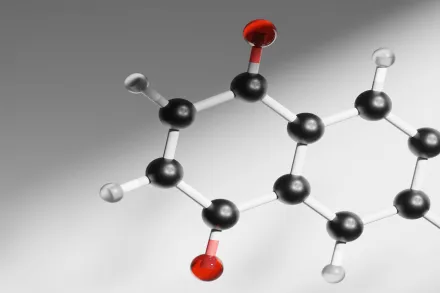
In the vast landscape of micronutrients that sustain human health, selenium stands out as a trace element with outsized influence on metabolic processes, antioxidant defenses, and endocrine function. Although required only in small amounts, selenium participates in a network of selenoproteins that help coordinate cellular resilience, inflammatory responses, and the delicate balance of reactive molecules that shape how the body responds to stressors. The topic of selenium in diet invites a nuanced exploration because its importance is tied not o...