Introduction to the essential concept
In the vast landscape of human health, antioxidants occupy a central position as guardians of cellular integrity. They are not magical cure-alls, but rather a sophisticated set of molecules and enzymatic systems that help maintain balance within the body's intricate redox networks. When functioning properly, antioxidants limit damage caused by reactive oxygen species and other free radicals that naturally arise during metabolism, exposure to environmental stressors, and inflammatory processes. The idea that dietary patterns rich in antioxidants can contribute to disease prevention has deep roots in nutrition science, yet the practical implications demand careful interpretation, because antioxidants interact with biology in multifaceted ways. This article explores the role of antioxidants in disease prevention with an emphasis on mechanisms, dietary sources, bioavailability, and the nuanced evidence from clinical and population studies, all framed within a realistic view of how individuals can integrate antioxidant-rich habits into daily life.
Antioxidants are diverse. They include vitamins such as C and E, mineral cofactors like selenium, and a broad spectrum of phytochemicals including flavonoids, carotenoids, phenolic acids, and other polyphenols that permeate fruits, vegetables, grains, coffee, tea, nuts, and seeds. In addition to these nonenzymatic antioxidants, our bodies rely on an array of enzymatic defenses that actively neutralize reactive species. Enzymes such as superoxide dismutase, catalase, and glutathione peroxidase operate in concert with small-molecule antioxidants to sustain a delicate redox balance. This balance is not simply about eliminating all reactive species; in fact, controlled levels of reactive oxygen and nitrogen species play indispensable roles in cell signaling, immune defense, and tissue repair. The objective of antioxidant action is to minimize cellular damage without suppressing the adaptive responses essential for resilience. When redox homeostasis tilts toward excessive oxidative stress, or when antioxidant defenses are overwhelmed, the risk of cellular injury rises, potentially contributing to chronic disease processes over time.
The language of antioxidants can be complex. Some compounds act directly by scavenging free radicals, while others function indirectly by modulating signaling pathways, influencing the expression of protective enzymes, or altering the gut microbiome in ways that reshape systemic inflammation. An overarching theme in recent research is that antioxidants should be viewed as part of a dynamic system rather than as isolated nutrients. The synergy of nutrients and the context of the food matrix matter. For example, a fruit-rich pattern contains not only vitamin C and various polyphenols but also fiber, minerals, and other bioactives that collectively influence absorption, metabolism, and biological effects. A comprehensive approach to dietary antioxidants, therefore, emphasizes whole foods and varied sources rather than isolated supplements as the most robust strategy for supporting health over the long term.
From a public health perspective, antioxidants intersect with many preventive endpoints. They are implicated in the modulation of inflammation, the lowering of oxidative hits that contribute to endothelial dysfunction, the stabilization of cellular membranes, and the maintenance of mitochondrial integrity. While the mechanistic underpinnings are well described, translating these ideas into clear-cut clinical recommendations requires careful appraisal of study designs, populations, dosages, and potential trade-offs. The evidence supports a general principle: a diet abundant in plant-based foods rich in antioxidants, when combined with other healthy lifestyle habits, is associated with lower risks of several chronic diseases. However, high-dose antioxidant supplementation has yielded mixed and sometimes adverse results in randomized trials, underscoring the importance of pursuing a pattern-based approach rather than a pill-centric mindset when it comes to disease prevention.
The biochemistry of antioxidants and oxidative stress
At the core of the antioxidant discussion lies oxidative stress, a state in which the production of reactive oxygen species and related radicals outpaces the body's capacity to neutralize them. In healthy cells, reactive species arise as byproducts of mitochondrial respiration, immune responses, and detoxification processes. They also participate in signaling cascades that regulate cell growth, apoptosis, and adaptation to stress. The body counters this potential onslaught through a layered defense: enzymatic antioxidants constructed from amino acids and minerals, and nonenzymatic antioxidants that often come from the diet. Enzymatic systems include superoxide dismutase, which converts superoxide radicals into hydrogen peroxide; catalase and glutathione peroxidase, which reduce hydrogen peroxide to water and molecular oxygen. Glutathione, a tripeptide and a major nonenzymatic antioxidant, serves as a central redox buffer that interacts with a wide range of cellular processes.
Dietary antioxidants contribute in several ways. Vitamin C, a water-soluble vitamin, can directly scavenge reactive species in extracellular fluids and help regenerate other antioxidants such as vitamin E. Vitamin E, a fat-soluble molecule, protects cell membranes from lipid peroxidation, preserving membrane integrity and function. Carotenoids, including beta-carotene, lycopene, and lutein, interpose within lipid environments, quenching singlet oxygen and stabilizing lipid structures. Polyphenols, a vast and diverse group, exert not only free-radical scavenging activity but also regulate gene expression and enzymes involved in inflammation and cell survival. The combined actions of these compounds support cellular resilience, especially when encountered as part of a varied, plant-forward dietary pattern.
Nevertheless, it is important to recognize that the antioxidant system is context-dependent. The effects of a particular compound can differ depending on concentration, nutritional status, and the presence of other nutrients. Some polyphenols, for instance, may behave as pro-oxidants under certain conditions, which can paradoxically trigger adaptive cellular defenses that strengthen resilience over time. This phenomenon highlights the complexity of redox biology and the need for a nuanced interpretation of how antioxidants influence health outcomes in real-world settings. It also helps explain why simply taking large doses of a single antioxidant supplement has not consistently produced the expected benefits in clinical trials and may even carry risks in specific populations.
Another layer of complexity comes from the gut microbiome, which metabolizes many polyphenols into bioactive compounds with distinct bioavailability and biological effects. These microbial metabolites can cross into circulation and affect tissues far from the gut, contributing to anti-inflammatory and metabolic benefits in ways not possible with parent compounds alone. The microbiome thus acts as an important mediator, transforming dietary antioxidants into combinations that the human body can utilize more efficiently. This interdependence reinforces the idea that dietary patterns, rather than isolated nutrients, are fundamental drivers of antioxidant-mediated health outcomes.
Dietary antioxidant sources and patterns
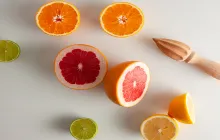
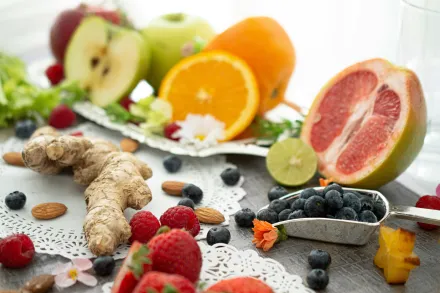
Healthy eating patterns that emphasize fruits, vegetables, whole grains, legumes, nuts, and seeds reliably provide a spectrum of antioxidants. Citrus fruits, berries, leafy greens, cruciferous vegetables, and colorful vegetables contribute vitamin C, beta-carotene, lutein, zeaxanthin, and myriad polyphenols. Tea, coffee, and cocoa deliver a rich array of catechins, theaflavins, and other polyphenolic compounds. Nuts and seeds supply vitamin E and diverse phenolics along with healthy fats that facilitate the absorption of fat-soluble antioxidants. Spices and herbs, while used in smaller amounts, can also contribute meaningful quantities of antioxidant compounds. A key principle is variety: different plant foods provide complementary antioxidants that may work together in ways that extend beyond the sum of their individual components.
Fermented foods, whole grains, and legumes add another dimension by contributing fiber and prebiotic compounds that help shape the gut microbiome. The result is an indirect yet potent route for improving redox balance through microbial metabolism and short-chain fatty acid production, which in turn modulates inflammatory pathways. A plant-forward diet that maintains energy balance and moderates processed food intake tends to produce a favorable antioxidant profile while supporting other aspects of metabolic health. For many people, this translates into meals that feature colorful vegetables, aromatic herbs, legumes, and a variety of fruits distributed across the day in a way that sustains consistent intake rather than overwhelming during any single sitting.
It is also useful to consider the timing and context of antioxidant-rich foods. Consuming antioxidant-rich sources with meals that contain some healthy fats can improve the absorption of fat-soluble compounds like vitamin E and carotenoids. Simultaneously, adequate hydration and a balanced plate help maintain digestive efficiency and nutrient bioavailability. When choosing beverages, green tea and coffee provide polyphenols that contribute to the overall antioxidant load, but moderation remains important due to caffeine content and individual tolerance. Importantly, reliance on fortified foods or supplements should be approached with caution, as the body’s response to concentrated antioxidants can differ from the response to dietary sources, and high-dose supplements have shown mixed results in trials for certain diseases.
In clinical practice, a practical approach centers on dietary patterns rather than on individual nutrients. Emphasizing a variety of plant-based foods, minimizing ultra-processed products, and incorporating whole grains, lean proteins, and healthy fats aligns with a robust antioxidant intake while supporting cardiovascular, metabolic, and immune health. It is also valuable to tailor choices to individual preferences, cultural contexts, and personal health goals, ensuring that the plan is sustainable over the long term. This person-centered perspective acknowledges that long-lasting dietary change is more likely to yield meaningful health benefits than short-term, single-nutrient interventions.
Bioavailability, metabolism, and the journey from plate to tissues
Bioavailability, or the extent to which antioxidants are absorbed and reach target tissues, is a central consideration when translating dietary intake into biological effects. Many antioxidants undergo complex digestion and metabolism, including intestinal absorption, hepatic processing, conjugation, and eventual distribution through the bloodstream. Lipid-soluble compounds such as carotenoids rely on dietary fats for efficient absorption, while water-soluble vitamins may enter the circulation more rapidly but are also subject to renal excretion and tissue distribution patterns. The matrix of the food matters; whole foods tend to provide a synergy of compounds that enhance uptake and utilization compared with isolated extracts.
Individual factors shape bioavailability as well. Age, genetic makeup, existing nutrient status, gut microbiota composition, and concurrent medications can influence how antioxidants are processed. For example, certain enzymes involved in detoxification pathways may be upregulated in response to a chronic diet rich in bioactive compounds, potentially enhancing the body's resilience to inflammatory insults. Conversely, conditions such as malabsorption syndromes or liver disease can limit antioxidant bioavailability, underscoring the importance of personalized considerations in nutrition counseling and clinical decision-making.
Beyond absorption, the distribution of antioxidants to specific tissues matters for disease prevention. The eye, brain, heart, and arteries are tissues where oxidative processes have substantial impact on function and integrity. Antioxidants that concentrate in these tissues may provide localized protection against lipid peroxidation, protein modification, and DNA damage. Yet tissue-specific effects are influenced by transport proteins, receptor interactions, and local metabolic demands, which makes uniform assumptions about systemic antioxidant benefits overly simplistic. This complexity reinforces the value of holistic dietary patterns and lifestyle choices that support natural antioxidant defenses rather than relying on a single nutrient to deliver broad protection.
In the research setting, biomarkers such as plasma antioxidant capacity, levels of specific antioxidant vitamins, or measures of oxidative damage in lipids, proteins, and DNA offer insight into how dietary patterns relate to redox status in populations. However, these biomarkers have limitations and can reflect short-term fluctuations rather than long-term risk modification. Integrating biomarker data with clinically meaningful outcomes remains a central challenge in translating antioxidant science into precise dietary recommendations for disease prevention. As our understanding evolves, a more nuanced framework emerges—one that considers the cumulative influence of diverse dietary compounds, lifestyle factors, and individual biology on antioxidant function across the lifespan.
Antioxidants and cardiovascular health: mechanisms and evidence
Cardiovascular disease remains a leading cause of morbidity and mortality worldwide, with oxidative stress playing a pivotal role in the initiation and progression of atherosclerosis. Oxidized low-density lipoprotein forms part of the inflammatory milieu that attracts immune cells to arterial walls, promotes foam cell formation, and contributes to plaque instability. Antioxidants can intervene at multiple points in this process. By limiting lipid peroxidation, they help preserve endothelial function, reduce inflammatory signaling, and support the health of vascular smooth muscle cells. In addition, certain polyphenols and micronutrients have been shown to modulate blood pressure, improve insulin sensitivity, and influence platelet function, all of which contribute to cardiovascular risk reduction when embedded in a broader healthy lifestyle.
Population studies have linked higher intake of fruits, vegetables, and other antioxidant-rich foods with favorable cardiovascular outcomes. Randomized trials, however, have yielded mixed results, especially regarding single-nutrient supplements. A number of large trials investigating beta-carotene, vitamin E, or vitamin C alone did not demonstrate clear reductions in cardiovascular events and, in some cases, suggested potential harm at high doses, particularly when used without medical supervision. This discrepancy between observational data and intervention trials emphasizes the differences between dietary patterns and isolated nutrient supplementation. It also highlights the possibility that antioxidants act in concert with other dietary components, body fat distribution, physical activity, and genetic predispositions to yield cardiovascular benefits that are not replicable by a single nutrient bolus.
For clinicians and public health professionals, the practical takeaway is that emphasizing plant-based foods rich in a spectrum of antioxidants, along with fiber, minerals, and healthy fats, supports cardiovascular health. The goal is to foster an anti-inflammatory milieu, robust endothelial function, and favorable lipid profiles through sustainable dietary habits rather than through oversimplified supplementation strategies. In addition, lifestyle factors such as regular physical activity, smoking avoidance, weight management, and adequate sleep synergize with antioxidant-rich diets to further reduce cardiovascular risk, illustrating how preventive strategies are most effective when integrated into a comprehensive health plan.
Antioxidants and cancer prevention: nuance and cautious interpretation
The relationship between antioxidants and cancer prevention is complex and nuanced. On one hand, oxidative DNA damage and chronic inflammation can contribute to tumor initiation and progression, suggesting that antioxidants could confer protective effects. On the other hand, some trials of high-dose antioxidant supplements have not only failed to reduce cancer risk but, in certain contexts, appeared to be associated with adverse outcomes. For instance, early results from beta-carotene supplementation in high-risk populations revealed an unexpected increase in certain cancer risks among smokers, prompting caution about high-dose, single-nutrient strategies. This body of evidence underscores that cancer prevention is a multifactorial enterprise where redox biology is interwoven with DNA repair capacity, immune surveillance, hormonal milieu, and environmental exposures.
Dietary patterns rich in diverse plant bioactives, however, have been associated with reduced cancer risk in epidemiological studies. Polyphenols and other phytochemicals exhibit several mechanisms that may contribute to cancer control: anti-inflammatory actions, modulation of detoxification enzymes that process potential carcinogens, inhibition of abnormal cell proliferation, and promotion of programmed cell death in precancerous cells. Importantly, these effects often require sustained exposure to a broad array of compounds, which aligns with findings that whole-food dietary patterns—rather than isolated antioxidant supplements—are more consistently linked to favorable cancer-related outcomes. While this does not guarantee prevention, it points to a prudent strategy: prioritize dietary diversity and plant richness as a buffer against cancer risk while avoiding unproven high-dose supplement regimens.
Communication with patients and the public about antioxidants and cancer risk should emphasize a balanced view. Encouraging fruit and vegetable intake, whole grains, legumes, nuts, and seeds provides a nutritious combination of antioxidants, fiber, and other bioactives that may collectively contribute to lower cancer risk. Clinicians should remain aware of the limits of evidence regarding supplements, especially in individuals with cancer or a predisposition to cancer, and should tailor guidance to personal risk factors, treatment plans, and the best available scientific consensus. In this domain, a cautious, pattern-based approach is prudent and aligns with broader principles of cancer prevention that prioritize lifestyle and environmental considerations alongside nutrition.
Antioxidants and brain health: evidence from neuroscience
Oxidative stress and inflammation are implicated in several neurodegenerative disorders, including Alzheimer's disease, Parkinson's disease, and other cognitive aging processes. The brain’s high oxygen consumption, abundant polyunsaturated fatty acids, and relatively modest antioxidant capacity render it especially vulnerable to oxidative injury. Antioxidants may support brain health by limiting lipid peroxidation, protecting neuronal membranes, modulating inflammatory pathways, and supporting mitochondrial function. Yet translating these biochemical promises into clinical outcomes has been challenging. Some observational studies suggest that higher intake of fruits, vegetables, and polyphenol-rich foods correlates with slower cognitive decline, but randomized trials of supplement formulations have produced inconsistent results. This pattern mirrors other disease domains and reinforces the idea that dietary patterns offering a spectrum of protective compounds may be more effective than a singular compound in pill form.
Emerging research on polyphenols such as resveratrol, curcumin, and flavonoids continues to explore their potential to cross the blood-brain barrier, interact with signaling pathways, and influence neuroinflammation and synaptic plasticity. While early findings are intriguing, robust evidence from long-term, well-controlled studies is needed before definitive recommendations can be made. In practice, promoting a brain-healthy diet that emphasizes colorful fruits and vegetables, whole grains, legumes, and moderate consumption of beverages like tea aligns with broader health benefits and includes antioxidant support as part of a holistic approach to cognitive aging.
Antioxidants in metabolic health and diabetes prevention
Metabolic disorders, including metabolic syndrome and type 2 diabetes, feature oxidative stress as a contributing factor to insulin resistance and beta-cell dysfunction. Antioxidants may help to mitigate inflammatory processes and protect tissues from oxidative damage in metabolic tissues such as liver, adipose tissue, and skeletal muscle. Some studies have observed associations between higher intakes of antioxidant-rich foods and improved glycemic control, better lipid profiles, and reduced inflammatory markers. However, trials examining specific antioxidant supplements for diabetes prevention have yielded mixed results, with many failing to show meaningful risk reductions.
In the context of diabetes prevention, the emphasis remains on comprehensive lifestyle strategies that address diet quality, physical activity, body weight, and metabolic health. Plant-based dietary patterns that provide a broad spectrum of antioxidants often coincide with improvements in insulin sensitivity and inflammatory tone. In addition, maintaining hydration, prioritizing fiber-rich carbohydrates, and choosing minimally processed foods support gut health and metabolic stability, potentially enhancing the body’s capacity to manage oxidative stress associated with glucose dysregulation. Taken together, antioxidant-rich foods are a meaningful part of a lifestyle that reduces metabolic risk, but they work best when integrated into a balanced program rather than relied upon as a standalone intervention.
Antioxidants and aging: redox biology and the quest for healthy longevity
Aging is accompanied by shifts in redox homeostasis, accumulation of cellular damage, and a gradual decline in regenerative capacity. The concept of oxidative stress as a central driver of aging has evolved into a nuanced framework that acknowledges hormetic effects, where small amounts of stress may trigger adaptive responses that reinforce resilience. Antioxidants, by moderating oxidative insults, can influence the pace of age-related functional decline indirectly by preserving DNA integrity, promoting mitochondrial efficiency, and reducing chronic inflammation often labeled as “inflammaging.”
Dietary patterns rich in antioxidants may support healthy aging by maintaining vascular function, supporting immune competence, and safeguarding cognitive and musculoskeletal health. Yet aging is influenced by a constellation of factors beyond redox balance, including genetics, environmental exposures, physical activity, and social determinants of health. Consequently, the most reliable path to healthy aging emphasizes consistent engagement in diverse, nutrient-dense dietary practices, regular movement, adequate sleep, stress management, and avoidance of harmful behaviors, in concert with an evidence-informed stance on antioxidant intake.
Gut microbiota, polyphenols, and systemic redox balance
The gut microbiome serves as a dynamic ecosystem that shapes and is shaped by dietary antioxidants. Polyphenols are often poorly absorbed in the small intestine, only to be transformed by colonic bacteria into metabolites with distinct bioactivities and improved systemic availability. These microbial-derived compounds can modulate inflammatory signaling, alter gut barrier integrity, and influence oxidative processes in distant organs. This cross-talk between diet, microbiota, and host biology contributes to the antioxidant landscape in a way that cannot be captured by studying isolated nutrients alone. Thus, supporting a diverse gut microbiome through plant-rich, fiber-containing foods can amplify the beneficial effects of dietary antioxidants and indirectly contribute to disease prevention pathways across organ systems.
Additionally, the composition of the microbiome may determine individual responses to antioxidant-rich foods, underscoring the reality of personalized nutrition. Genetic factors, prior dietary patterns, antibiotic use, and health status can influence microbial ecology, which in turn modulates the production of metabolites with anti-inflammatory and antioxidant properties. In public health terms, promoting dietary patterns that nourish microbial diversity is compatible with antioxidant-centered strategies for preventing chronic disease, and it aligns with broader goals of metabolic and immunological resilience across populations.
Safety, supplementation, and the prudent use of antioxidants
While a diet rich in antioxidants through whole foods is widely regarded as safe and beneficial for most individuals, the use of high-dose antioxidant supplements warrants caution. Several studies have shown that megadoses of single antioxidants can disrupt redox balance, interfere with essential signaling processes, or interact with medications. For example, high-dose vitamin E supplementation has been linked to potential adverse outcomes in certain populations, including those with cardiovascular risk or bleeding disorders, highlighting that more is not always better. Vitamin A is another example where excessive intake can lead to toxicity with consequences for liver function and bone health. These caveats illustrate why clinicians and nutrition scientists advocate for nutrient intakes within established dietary guidelines and for prioritizing foods over supplements when it comes to antioxidants.
Another important consideration is individual health status and medical therapies. Some antioxidants can interact with prescription drugs or alter the metabolism of medications. Therefore, people who are pregnant, nursing, or undergoing treatment for cancer, cardiovascular disease, or chronic inflammatory conditions should seek professional guidance before starting high-dose antioxidant supplements. In general, a cautious approach favors dietary patterns that deliver a wide range of antioxidants in physiologic amounts, recognizing that the body has evolved to handle these compounds within the context of regular meals and daily life. When supplementation is considered, it should be based on clinical need, evidence of benefit in the relevant population, and professional supervision to avoid unintended consequences.
Practical guidance for everyday life: turning knowledge into habits
Implementing antioxidant-rich dietary choices in daily life involves simple, sustainable steps rather than drastic changes. Start by filling half the plate with a variety of colorful vegetables and fruits at each meal, ensuring a spectrum of antioxidant compounds, phytochemicals, and fiber. Incorporate legumes and whole grains to provide additional polyphenols and micronutrients that support metabolic health and gut health. Choose healthy fats, such as olive oil, avocados, and nuts, which not only contribute to heart health but also aid the absorption of fat-soluble antioxidants. Include a modest portion of protein from fish, poultry, eggs, dairy, or plant-based alternatives to maintain amino acid balance while keeping overall energy needs in check. When drinks are included, unsweetened beverages like water, herbal infusions, or tea can accompany meals without adding excessive calories, while still providing a contribution of antioxidants from polyphenol-rich infusions.
Practical meal ideas emphasize variety and color: a leafy green salad with a handful of berries and nuts, a roasted vegetable medley with olive oil and herbs, a grain bowl featuring quinoa or brown rice, beans, and a vegetable ensemble, and a fruit-based dessert that emphasizes whole fruit rather than added sugars. Snack choices like fruit, raw nuts, and yogurt with fruit can maintain antioxidant intake between meals without promoting unhealthy snacking patterns. In terms of cooking, methods that preserve nutrient content, such as steaming, light sautéing, and minimal processing, help retain antioxidant capacity, while waste-conscious food planning reduces environmental impact and supports overall well-being. These practical strategies align with broader health goals and demonstrate how antioxidants can be integrated into everyday life in a meaningful, accessible way.
Research frontiers and the future of antioxidant science
Current research continues to refine our understanding of how antioxidants influence health across diverse populations and life stages. Advances in redox biology, systems biology, and nutrigenomics are helping to delineate how genetic variation modifies antioxidant needs and responses. Biomarkers of oxidative stress and antioxidant capacity are becoming more sophisticated, enabling more precise assessments of how dietary patterns affect redox homeostasis over time. Precision nutrition, which aims to tailor dietary recommendations to an individual's genetic makeup, microbiome profile, and metabolic status, holds promise for optimizing antioxidant strategies in disease prevention. As data accumulates, we may learn to predict who benefits most from particular foods, how to optimize meal timing for redox balance, and how to design interventions that harmonize antioxidant intake with physical activity, sleep, and stress management for comprehensive health benefits.
From a public health perspective, large-scale observational studies and pragmatic trials continue to inform guidelines that promote sustainable, enjoyable patterns of eating. The emphasis remains on real-world applicability: encouraging people to eat a diverse array of plant-based foods daily, to choose minimally processed options, and to maintain energy balance in ways that support long-term health. Science also acknowledges the importance of social, economic, and cultural factors that shape food choices; effective antioxidant-focused recommendations must be culturally appropriate, affordable, and emotionally satisfying to achieve broad impact. In this light, nutrition communication should be clear but nuanced, acknowledging uncertainties while providing practical guidance that resonates with diverse communities.
Ultimately, the role of antioxidants in disease prevention is best understood as part of a holistic lifestyle framework. Regular physical activity, adequate sleep, stress management, avoidance of tobacco and excessive alcohol, vaccination where appropriate, and attentive healthcare are all integral components of reducing disease risk. Antioxidants contribute to a broader network of protective factors, amplifying resilience when embedded in a balanced daily routine. The ongoing scientific conversation invites curiosity and humility, recognizing that health outcomes emerge from the complex interplay between nutrients, cells, organs, and environments over the course of a lifetime. In this sense, antioxidants are one important thread in the rich tapestry of disease prevention, weaving into the everyday choices that collectively influence longevity and quality of life.
Closing perspective: integrating knowledge with everyday practice
Embracing the role of antioxidants in disease prevention means adopting a pragmatic, evidence-informed approach that respects biological complexity and human variability. It invites individuals to explore colorful, plant-forward eating patterns that honor cultural preferences and personal tastes while delivering a rich mosaic of antioxidant compounds. It also calls for mindful respect of the limits of supplementation, especially at high doses, and for collaboration with healthcare professionals to tailor guidance to individual health needs. In summary, antioxidants should be viewed not as a panacea but as a meaningful component of a comprehensive strategy for reducing chronic disease risk. Through consistent dietary choices, supportive lifestyle habits, and a commitment to long-term well-being, people can harness the benefits of antioxidants as part of a resilient and healthful life trajectory.