Understanding Viral Outbreaks and What Influences Them
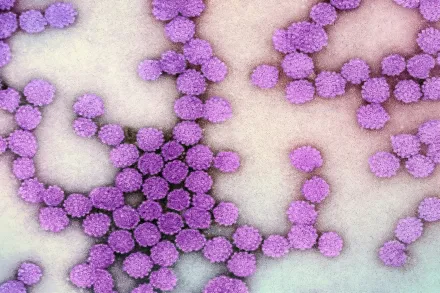
Many readers know that viruses move through communities with surprising speed, but the underlying mechanics involve a web of factors more subtle than simple contagion. Environmental conditions, human behavior, and the state of the immune system all contribute to how readily a virus can spread and how severe the illness might become for those exposed. In this discussion we explore how natural strategies, grounded in everyday choices, can help reduce the likelihood of outbreaks and lessen their impact when they occur. The idea is not to promise absolute protection but to strengthen the body's defenses and reduce opportunities for transmission through mindful living, clean environments, and supportive habits that align with healthy physiology.
Foundational Habits for Immune Resilience
The immune system operates most effectively when it has a steady supply of nutrients, adequate rest, and regular physical activity. Sleep acts as a master regulator, guiding hormonal balance and cognitive function while consolidating immune responses that have been trained throughout the day. Without enough restorative sleep, the body becomes more vulnerable to viral intruders because defense cells operate with diminished acuity and the inflammatory balance can tilt toward weariness rather than resilience. In addition, consistent physical activity helps the immune system maintain an efficient surveillance network, where specialized cells patrol the body for signs of trouble and respond with speed when invaders are detected. Even moderate movement, performed consistently, can support cardiovascular health, metabolic stability, and mucosal defenses that form the first line of protection against airborne and contact-transmitted viruses.
The immune system is also shaped by daily routines, including the quality of sleep, the timing of meals, and the consistency of activity. When these elements come together in a balanced pattern, the body maintains a steady rhythm that supports immune surveillance, tissue repair, and the rapid deployment of defensive cells when needed. Nutrition provides the raw materials for immune cells and for barrier functions that help keep pathogens at bay. A diet that emphasizes variety, color, and minimally processed foods supplies the vitamins, minerals, and phytochemicals that support both the innate and adaptive branches of immunity. Hydration keeps mucosal surfaces moist and resilient, preserving their barrier function and helping immune components travel where they are most needed. The synergy of restful sleep, regular movement, sound nutrition, and proper hydration creates a robust platform from which natural defenses can operate with clarity and efficiency.
Consistency is crucial. A routine that respects the body's natural rhythms and avoids chronic stress fosters a calm internal environment in which immune activity is well regulated. It is not merely the presence of nutrients but the timing of intake, the diversity of foods, and the avoidance of extreme dieting or prolonged fasting that matters for sustained immune health. People who adopt regular mealtimes, limit processed foods, and listen to their hunger and fullness signals often maintain healthier weight and metabolic function, both of which influence immune performance. This foundation—adequate sleep, steady movement, balanced nutrition, and thoughtful hydration—serves as the core around which more specialized strategies can be built to prevent the spread and impact of viruses in communities.
Nutrition and Diet That Support Viral Defense
Beyond general guidelines, particular nutrients deserve attention for their roles in defending the body against infections. Vitamin D, for example, has been associated with modulating immune responses and may influence susceptibility to respiratory infections in some populations. Sunlight exposure, fortified foods, and appropriate supplementation in consultation with a healthcare professional can help maintain levels that support epithelial barriers in the lungs and skin, as well as the function of immune cells. Zinc plays a role in maintaining the activity of white blood cells and in the production of antiviral proteins, and adequate intake from dietary sources such as shellfish, legumes, and whole grains supports ongoing immune vigilance. Vitamin C, found in citrus fruits and leafy greens, contributes to antioxidant defense and can assist in the maintenance of a robust mucosal lining. A diverse diet that includes fiber from vegetables, fruits, whole grains, and fermented foods can support a healthy microbiome, which in turn helps educate and regulate the immune system.
It is important to frame supplementation with caution and with guidance when necessary. Whole foods provide a complex matrix of nutrients that work together, and isolated doses may not replicate the benefits of a balanced diet. Yet, under certain circumstances, targeted supplements may be appropriate to address specific gaps, such as low vitamin D levels or limited intake of iodine or selenium, but these decisions should be made with a medical professional who can tailor recommendations to age, sex, health status, and exposure risk. The overarching message is that dietary quality matters and that nutrient-rich choices support the body's innate capacity to recognize and respond to viral intruders. By choosing a daily pattern that emphasizes colorful produce, lean protein sources, healthy fats, and fermented foods, individuals can contribute to a resilient internal environment that reduces the chance of sustained viral outbreaks inside a community.
Hydration and Gut Health as a Frontline Defense
Water and fiber affect the gut lining and the immune cells that patrol intestinal tissues. A well-hydrated body maintains mucous membranes that trap viruses and bacteria, while dietary fiber nourishes beneficial bacteria that produce short-chain fatty acids necessary for immune regulation. A flourishing gut microbiome influences inflammation levels and the readiness of mucosal defenses. A habit of regular hydration, with water as the principal drink, supports the effective transport of immune mediators and the removal of waste products that could otherwise derail immune balance. Likewise, including fermented foods introduces live cultures that help diversify the microbial ecosystem, which may support the barrier function of the intestine and the respiratory tract where viruses often land during the initial stages of infection.
When the microbiome is balanced, there is a constructive dialogue between gut bacteria and immune cells, which can help temper exaggerated inflammatory responses and support more precise attack on invading pathogens. This is particularly relevant in the context of respiratory viruses, where the interplay between gut health and lung immunity has become a field of active study. In daily life, this means prioritizing plant-based fibers, moderate amounts of fermented foods, and hydration while avoiding unnecessary antibiotics that disrupt microbial balance except when clearly indicated for bacterial infection. The overall effect is a more adaptable immune system that can respond to common viral threats with a measured but effective response, reducing the likelihood of severe illness and slow the spread within a household or community when outbreaks occur.
Sleep, Stress, and Immune Regulation
Chronic stress can erode immune defenses by elevating stress hormones and creating a state of persistent low-grade inflammation. Short-term stress, in contrast, can activate immune responses, but chronic stress undermines the body's ability to mount timely and effective defenses. Practical strategies to manage stress include establishing routines that provide predictability, engaging in regular relaxation practices such as breathing exercises or mindfulness, and prioritizing time for restorative sleep. Sleep deprivation has a measurable impact on the function of natural killer cells and other components of innate immunity, which play a critical role in early detection and elimination of virus-infected cells. By cultivating a calm environment, minimizing unnecessary stress, and ensuring sufficient sleep duration, individuals can retain a more vigilant immune posture that contributes to lower viral load and reduced transmission risk in collective settings.
In addition to stress management, the rhythms of day and night influence immune performance. Exposure to daylight during waking hours supports circadian alignment, and dimming light in the evening can promote the natural release of melatonin, a hormone with diverse roles including immune support and antioxidant activity. Together, these patterns help synchronize immune responses with environmental cues and personal activity, providing a subtle but meaningful enhancement to natural defenses. When communities adopt habits that respect these rhythms, overall resilience improves and the chance of rapid, uncontrolled outbreaks diminishes because individuals recover more quickly and do not remain contagious for extended periods.
Hygiene, Ventilation, and Transmission Reduction
Natural prevention of viral outbreaks is reinforced by practical steps to reduce transmission. Regular hand hygiene remains a foundational habit. While soaps and sanitizers provide reliable protection, the habit becomes especially potent when combined with mindful avoidance of touching the face and with careful cleaning of frequently used surfaces. These behaviors can be incorporated into daily routines in a nonintrusive way, becoming second nature as part of healthy living. In addition, improving ventilation within indoor spaces reduces the concentration of aerosolized viruses, especially in crowded or poorly ventilated areas. Fresh air exchange and air filtration support respiratory health by diluting contaminants and limiting exposure to viral particles. Plants and natural materials can contribute to ambient air quality, while avoiding overcrowding and encouraging outdoor activities further lowers risk. The integration of these practices into social and work life can help communities maintain healthier environments during peak viral seasons without resorting to drastic measures.
Another important aspect is surface hygiene combined with a cautious approach to shared objects. While viruses may persist on surfaces for varying durations, routine cleaning with appropriate agents reduces the likelihood of fomite-mediated transmission. Yet the emphasis remains on balanced risk management rather than a fear-based approach. By combining regular cleaning with habits that minimize exposure, such as coughing or sneezing into the elbow and choosing to ventilate spaces after activities that generate aerosols, people can create a practical defense that works in daily life. These approaches are compatible with natural living and contribute to an atmosphere where viruses struggle to maintain a foothold, especially in homes and small communities that rely on collective discipline and mutual care.
Outdoor Living, Time in Nature, and Immune Support
Natural settings offer more than aesthetic pleasure; they can influence immune function through exposure to fresh air, sunlight, and physical activity in a setting that reduces stress. Time spent outdoors supports vitamin D production from sunlight, which is linked to immune health in several populations. Outdoor activity combines exercise with exposure to natural microbial communities, which may help calibrate the immune system in beneficial ways. This does not mean exposure to hazards; rather it suggests that a balanced blend of outdoor walks, gardening, and recreation can complement indoor routines. Time in nature also tends to reduce chronic stress, improve mood, and encourage healthier behavior patterns, all of which contribute to a more robust, resilient immune system capable of responding promptly to viral encounters and potentially slowing the pace of spread within a community where people feel connected and cared for.
Vaccination and Complementary Natural Approaches
While natural approaches focus on strengthening the body's own defenses, vaccination remains a central tool in preventing outbreaks by training the immune system to recognize specific viruses. The pairing of vaccines with natural lifestyle practices creates a layered defense that reduces the probability of widespread transmission and lowers the burden on healthcare systems during seasonal surges. It is important to approach health decisions with accurate information and to discuss concerns with qualified professionals who can provide evidence-based guidance. In addition to vaccination, natural strategies such as maintaining balanced nutrition, adequate sleep, regular physical activity, and proper hygiene support immune resilience and can improve the effectiveness of vaccines by ensuring the body has the resources it needs to respond appropriately to immunological challenges. This integrated approach strengthens communal health and reduces the duration and severity of outbreaks in a population as a whole.
Building Community Resilience Through Education and Preparedness
Community resilience emerges when individuals share knowledge and adopt consistent practices that reduce risk and protect vulnerable members. Education about how viruses spread within social networks, the importance of staying home when ill, and the value of maintaining clean environments creates a culture of care that translates into safer neighborhoods. Preparedness extends beyond stockpiling supplies; it involves establishing routines that align with public health guidance and that respect personal boundaries and cultural practices. When communities cultivate a proactive mindset, people become agents of prevention rather than passive observers. This shift helps to flatten peaks during outbreaks and to shorten the time needed for containment, enabling families to maintain normal functioning and children to continue learning in safer settings.
Sleep Hygiene, Light Exposure, and Daily Structure
Daily structure that aligns with natural light cycles supports both sleep quality and metabolic regulation. Engaging in regular wake times, consistent bedtimes, and appropriate exposure to daylight during the day contributes to better sleep architecture and improved energy management. This, in turn, supports immune surveillance and the body's ability to repair and renew tissues while viruses attempt to gain a foothold. A predictable daily rhythm reduces erratic behavior that can lead to unhealthy choices and increased stress, both of which undermine immune function. In addition, mindful routines that include pauses for rest, hydration, and mindful breathing help maintain balance throughout the day and can support a calmer, more resilient response to potential viral encounters.
Infection Control at Home and Work
Practical infection control extends to the spaces where people live and work. Maintaining clean kitchens, bathrooms, and shared surfaces reduces the risk of harboring viral particles that can spread through contact. Encouraging hand hygiene, promoting vaccination when appropriate, and providing access to fresh air and water fosters a culture of safety without imposing harsh restrictions. At home, family routines such as handwashing before meals, after outdoor activities, and after contact with pets or visitors reinforce habits that protect everyone. In workplaces, thoughtful policies that allow sick employees to stay home without penalty, along with good ventilation and clean facilities, help maintain productivity while reducing the chance of an outbreak spreading through colleagues. Small, consistent practices accumulate to produce meaningful protection for communities over time.
Outdoor Ventilation and Microclimates
Architectural choices that favor outdoor airflow and open spaces can have lasting effects on viral transmission dynamics. When possible, designs that permit windows and doors to facilitate cross-ventilation or the use of outdoor workspaces can significantly reduce indoor viral concentration. Microclimates within buildings, created by fans, filters, or natural air movement, influence how viruses disperse and how long they remain viable in a given space. By prioritizing breathable air and avoiding stagnant pockets of warm, damp air, communities can create environments where viruses encounter fewer opportunities to spread. This approach reinforces natural health by combining environmental stewardship with practical safety measures and encourages ongoing attention to the quality of the built environment as part of public health strategy.
Fermented Foods, Probiotics, and Microbial Balance
In addition to a diverse plant-forward diet, fermented foods introduce beneficial microbes that may support gut health and immune function. Yogurt, kefir, sauerkraut, and other cultured products provide live cultures that can help shape a balanced microbiome. Probiotic supplements are also available, but their effects vary between individuals, and it is wise to consult a healthcare professional before starting any new supplement regimen. A healthy gut ecosystem supports the development and function of immune cells, helps regulate inflammatory responses, and contributes to a more resilient barrier against pathogens. By enjoying a variety of naturally fermented foods and choosing probiotic options with evidence of quality, people can enhance their internal defense network in a way that complements other natural strategies.
Seasonal Preparation and Adaptive Practices
Viral threats often follow seasonal patterns, and preparing for these changes through adaptive behavior can reduce risk. This means tailoring activity, nutrition, and exposure to align with seasonal weather, air quality, and typical virus circulation periods. It is practical to adjust outdoor time, clothing choices, and indoor ventilation to maintain comfortable, healthy conditions while not overtaxing the body's resources. Seasonal awareness also invites communities to renew health-related routines, revisit vaccination schedules, and reinforce hygiene habits during high-risk intervals. By viewing each season as an opportunity to reinforce healthy living rather than a period of caution, individuals create a steady defense that helps limit the emergence and spread of viral outbreaks in society.
Ethical Considerations and Equity in Natural Prevention
Natural prevention efforts are most effective when they are accessible to all members of a community, regardless of socio-economic status. Equity means ensuring access to nutritious foods, safe housing, clean water, and opportunities for safe physical activity. It also involves distributing information in culturally appropriate ways and respecting diverse beliefs while encouraging practices that support health. When prevention becomes a shared value rather than a private choice, communities benefit from higher compliance and more cohesive responses to viral threats. This collective resilience hinges on compassion, education, and the shared recognition that protecting the vulnerable strengthens the whole network.
Mindful Contact Reduction and Social Habits
In social life, certain behaviors can reduce the risk of viral spread without eliminating human connection. Mindful contact, such as avoiding close physical contact when someone is visibly ill, choosing outdoor gatherings when weather permits, and coordinating with others to maintain sane routines rather than reactive panic, contributes to community protection. Social habits that emphasize consent, respect, and shared responsibility help maintain trust and cooperation, which are essential during times of health risk. By modeling calm, evidence-based behavior, individuals influence peers and family members to adopt protective practices, creating a ripple effect that lowers the probability of transmission on a larger scale. These patterns are part of a broader philosophy of care that respects personal autonomy while prioritizing collective well-being.
Air Quality and Indoor Plants as Natural Modulators
Indoor air quality can influence respiratory health and, by extension, the body's ability to handle viral challenges. Fresh air exchange, humidity control, and the presence of indoor plants may contribute to a more comfortable and healthier indoor environment. Plants can help moderate humidity and remove certain pollutants, though their impact on infection risk is secondary to ventilation and hygiene. The overall effect is a diminished baseline stress on the respiratory system, making it easier for the body to respond to pathogens when exposures occur. These ecological practices fit naturally into home life and can be integrated with sustainable living choices that emphasize outdoor time, energy efficiency, and low-toxicity cleaning methods. In sum, the environment we live in matters for immune readiness, and gentle ecological adjustments can support natural prevention strategies.
Scarcity, Resource Management, and Resilience
When communities face limited resources or scarce access to healthcare, resilience hinges on how people manage what they have and how they support one another. Simple, repeatable routines that maximize resource efficiency while maintaining essential health practices can keep viral threats at bay even in challenging circumstances. This includes planning meals that stretch perishable ingredients, optimizing sleep and rest periods, and sustaining physical activity through adaptable routines such as indoor workouts or walks in safe areas. The emphasis is on sustainable habits that reduce stress and maintain the body's readiness to respond to disease. By building a culture of mutual aid and practical problem-solving, communities can weather outbreaks with less disruption and greater cohesion, while still honoring individual needs and preferences.
Personal Narratives and Behavioral Change
Human behavior changes gradually, and personal stories of success can inspire others to adopt healthier practices. When people share experiences about improved sleep, better nutrition, or more consistent exercise, they contribute to a social learning process that reinforces beneficial habits. It is important, however, to present information in accurate, non-judgmental ways and to acknowledge that different bodies respond in unique ways. The goal is not perfection but steady progress toward a healthier lifestyle. By inviting curiosity, offering practical tips, and encouraging reflection, the community can move toward a shared standard of care that reduces vulnerability to viruses and fosters a sense of empowerment rather than fear.
Scientific Communication and Evidence-Based Natural Approaches
Clear, accessible explanations of how natural methods affect immune function help individuals make informed choices. It is essential to distinguish between well-supported facts and speculative ideas, and to cite credible sources when possible. The goal is to enable readers to understand the rationale behind lifestyle recommendations, to recognize that science evolves, and to remain open to updated guidance from health authorities. By presenting a balanced view that highlights the benefits of sleep, nutrition, physical activity, environmental hygiene, and social responsibility, the article supports readers in integrating evidence-based practices into daily life. This approach respects critical thinking and encourages ongoing learning as new data emerges about viral behavior and host defenses.