Understanding the Foundations of Clean Hands
In daily life the simple act of washing hands is often treated as a routine gesture rather than a potential shield against illness, yet the foundational science behind clean hands reveals a profound truth that echoes through medicine, education, food preparation, and community health. The skin of the hands serves as a dynamic interface between the external environment and the internal body, hosting a diverse ecosystem of microorganisms that range from harmless residents to opportunistic pathogens. When we engage in proper handwashing, we disrupt the transmission pathways that connect contaminated surfaces to the mouth, the nose, and the eyes, as well as to other people we touch. The technique, when performed consistently and thoroughly, reduces microbial load on the skin, lowers the risk of spreading contagious diseases, and supports a culture of care that extends beyond the individual to families, workplaces, and public spaces. This broad significance is not merely about keeping sterile surfaces; it is about recognizing how touch mediates human connection and how careful hygiene choices can preserve health without sacrificing everyday interaction.
From History to Science: How Hand Hygiene Evolved
The story of hand hygiene stretches across centuries and disciplines, reflecting an evolving understanding of how microscopic life shapes health outcomes. In medical history the recognition of the role of cleanliness emerged gradually as physicians and nurses observed lower rates of infection when greater attention was given to the cleanliness of hands and instruments. Pioneers of microbiology uncovered the invisible world that travels on our skin and fingertips, transforming once speculative beliefs into evidence-based practice. As science clarified that certain diseases spread through contact rather than solely through air, the imperative to reduce surface contamination gained urgency. This historical arc culminates in modern guidelines that describe practical, repeatable methods for handwashing, rooted in the biology of microbes, the physics of water and soap, and the psychology of habit formation. The enduring insight is that technique matters because even small steps, when performed consistently, can accumulate into meaningful protection over time.
The Anatomy of a Handwashing Moment
Hands are not flat surfaces; they are complex structures with creases, nails, cuticles, and areas where skin meets skin. Each region presents its own challenge for cleaning because debris and microbes can lodge in the spaces between fingers, under nails, and around knuckles. Soap acts by binding oils that harbor dirt and microbes, while friction helps lift residues away from the skin. Water serves to rinse away the loosened material, and thorough drying reduces the chance of recontamination by moisture. The effectiveness of handwashing, therefore, depends on attention to detail: covering all exterior surfaces, paying special care to the backs of the hands, between the fingers, around the nails, and at the wrists. By visualizing the hand as a three-dimensional landscape rather than a single plane, one can appreciate why a mindful, methodical routine matters as much as duration alone.
The Why Behind Regular Handwashing in Communities
Public health principles explain why routine handwashing is a cornerstone of disease prevention, from preventing gastrointestinal illnesses to reducing respiratory transmissions in crowded settings. When many individuals practice effective hand hygiene, communities experience a collective reduction in outbreaks, which translates into fewer lost workdays, lower healthcare costs, and more stable schooling for children. The social dimension matters because hygiene becomes a shared norm; when people see others washing hands properly in schools, offices, and transit hubs, they are more likely to model similar behavior. This social reinforcement is coupled with practical realities: environments that supply clean water, appropriate soap, and accessible facilities enable individuals to perform the necessary actions without friction. In sum, handwashing is both an individual skill and a public good whose value grows with widespread adoption and consistent practice.
The Standard Method for an Effective Clean
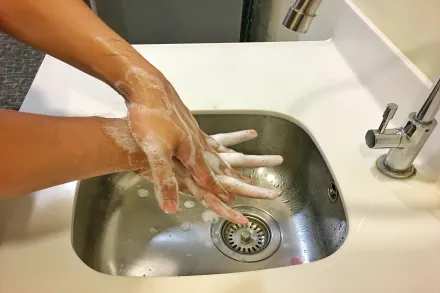
A well-executed handwashing routine begins with wet hands under clean running water, which prepares the skin to receive soap and helps lift oils that trap dirt. A generous lather follows, as soap molecules surround grease and microorganisms, enabling friction to detach them from the skin. The cleaning process should be sustained for a substantial period, with deliberate strokes that cover all surfaces: the palms, the backs of the hands, the spaces between fingers, the undersides of the fingers, the thumbs, each fingertip, and the area around the nails. Rinsing clears away the loosened material, and drying completes the cycle by reducing moisture that could harbor remaining microbes. The entire sequence—wet, lather, scrub, rinse, and dry—constitutes a protocol that, when performed with care, significantly lowers the probability of transferring organisms to other people or to objects that others will touch later. These steps are adaptable across environments, yet their core logic remains consistent: maximize contact with soap, maximize contact with water, and minimize opportunities for recontamination during the drying phase.
Why Duration and Technique Both Matter
Duration matters because microbial removal is a function of both contact time and mechanical action. Even a seemingly generous amount of soap can be ineffective if hands are not scrubbed long enough or if certain surfaces are neglected. Conversely, excessive rinsing without adequate scrubbing may fail to remove stubborn residues. The embrace of technique over sheer speed yields better outcomes: synchronizing vigorous rubbing with systematic coverage ensures that creases, joints, and nail folds receive adequate attention. In practice this means maintaining continuous motion for a moment that aligns with cognitive cues like counting a slow, steady rhythm or pairing the act with other routine activities. When people internalize a dependable cadence, their hands gain a predictable pattern that supports consistent hygiene, even in the face of busy schedules or fatigue. The science is clear that both sufficient duration and thoughtful technique are essential to maximize the antimicrobial effect of soap and water without relying on additional measures that may not be available in every setting.
Common Mistakes and How to Correct Them
Despite good intentions, people frequently overlook critical aspects of the handwashing process. Skipping the backs of the hands, neglecting between-the-finger spaces, neglecting under the nails, or drying hands with a shared or unclean cloth are common errors that undermine the benefits of washing. Rushing the routine, using only a small amount of soap, or foregoing handwashing entirely in situations that demand it, such as before meals or after using the restroom, can lead to residual contamination that defeats the aim of the practice. Correcting these mistakes involves cultivating a practical awareness of the hand surfaces most prone to harbor microbes and building a consistent routine that does not rely on memory alone. Establishing visible cues, like the habit of turning on the faucet with a covered or disposable barrier, choosing the right soap with gentle cleansing agents, and ensuring access to clean towels or disposable wipes, helps sustain accuracy over time. In addition the practice of mindfully performing the routine during key moments — after touching shared surfaces, after contact with animals, or before handling food — reinforces a reliable approach to hygiene that reduces the risk of inadvertent transmission.
Handwashing in Homes, Workplaces, and Public Spaces
Every environment presents its own constraints and opportunities for hand hygiene. In homes, water quality, soap availability, and habitual patterns shape daily behavior; in workplaces, especially those with high contact with surfaces and people, institutional policies and accessibility to facilities influence how often hands are washed. Public spaces, such as restrooms in transit hubs or community centers, test the resilience of hygiene norms by offering shared resources that must balance convenience, privacy, and cleanliness. The best practices translate across settings: keep the sink area well supplied with soap, ensure water runs hot enough to encourage thorough cleaning without discomfort, provide a safe and convenient drying option, and maintain facilities so that people perceive washing their hands as a straightforward, unobtrusive act rather than a chore. When environments facilitate easy adherence, individuals are more likely to incorporate thorough handwashing into their routines with minimal friction or stigma, which in turn reinforces public health outcomes on a broad scale.
Handwashing in Healthcare and Sensitive Care Settings
In healthcare environments, the stakes for hand hygiene are especially high because patients may be more vulnerable to infections and complications. The guidelines in these settings emphasize consistency, absolute compliance, and meticulous attention to every surface on the hands. Healthcare workers are encouraged to wash hands before patient contact, after contact with potentially contaminated surfaces, after removing gloves, and before performing any invasive procedure. Yet the emphasis extends beyond professionals to include patients, visitors, and caregivers who interact with healthcare facilities. Education and role modeling are critical; when leaders demonstrate rigorous technique and when protocols are embedded into the daily workflow, a culture of safety emerges. The equipment used in these settings—antimicrobial soaps, alcohol-based sanitizers where appropriate, and accessible sinks—complements the handwashing routine, providing layered protection that can reduce pathogen transmission even when time pressures are high.
Soap Types, Water Quality, and Sensory Considerations
The choice of soap can influence the experience and effectiveness of handwashing, though all effective soaps share the core property of reducing surface tension and enabling microbial detachment. Mild, skin-friendly formulations reduce irritation and the potential for dermatitis that could discourage repeated washing, especially among healthcare workers, parents, and food service staff who wash hands frequently. Water quality matters because hard water can interfere with soap lather and leave mineral residues that may feel unpleasant on the skin. The sensory aspect of handwashing—the scent, the feel of the lather, the temperature of the water, and the perceived cleanliness of the hands after drying—plays a significant role in whether individuals will choose to wash when it matters. Encouraging the use of gentle soaps, maintaining comfortable water temperatures, and ensuring that drying materials are clean and readily available can enhance adherence and support consistent practice without sacrificing comfort. In sum, while the fundamental mechanism of handwashing remains constant, thoughtful attention to soap properties and environmental cues can improve user experience and long-term commitment to hygiene.
Drying Hands: The Final Step and Its Importance
Drying hands thoroughly after washing is a critical, sometimes overlooked, step in the cleaning sequence. Wet hands can transfer microbes more readily to surfaces and to other people, and lingering moisture can remain a medium for microbial survival. A thorough drying process reduces dampness, lowers the chance of recontamination, and contributes to the perception of cleanliness that reinforces continued practice. The choice between paper towels, air drying, or cloth towels has practical implications: disposable options minimize cross-contamination and limit the risk of harboring residual organisms, while some environments favor air drying for sustainability or space reasons. Whatever method is chosen, ensuring that hands are completely dry before touching shared objects, handling food, or leaving the bathroom strengthens the overall effectiveness of hand hygiene and supports healthier routines across diverse contexts.
Behavioral Science: Making Handwashing a Habit
Effective hand hygiene is as much a behavioral challenge as a technical one. Habit formation research suggests that cues, consistency, and perceived social norms strongly influence whether individuals adopt regular washing. People are more likely to wash hands at appropriate moments when they see others doing the same, when facilities are easy to access, and when the action becomes a smooth, almost automatic part of daily life. Education campaigns that emphasize practical demonstrations, clear signals about the best times to wash, and positive reinforcement can shift behavior in meaningful ways. Importantly, these efforts should respect cultural differences and adapt messaging to local languages, values, and routines. By aligning handwashing with everyday activities, communities can foster durable habits that persist even under stress, such as during busy workdays, travel, or illness outbreaks, thereby enhancing public health resilience.
Designing Better Hand Hygiene Campaigns
Campaign design benefits from integrating insights from psychology, sociology, and communication science. Clear, relatable messaging that explains not just the how but the why of handwashing helps people internalize the practice. Campaigns can leverage local champions, school programs, and workplace policies to create a sense of collective responsibility. Visual cues, such as informative signage near sinks that demonstrate the critical surfaces to cover, complement hands-on training and reminders. Campaigns should also evaluate accessibility: ensuring facilities are reachable, well lit, clean, and stocked with soap and towels reduces barriers. Measuring impact through simple metrics, such as observed compliance rates or reductions in illness-related absenteeism, keeps campaigns accountable and allows for iterative improvements. The aim is to cultivate an environment where proper handwashing feels intuitive, not a burdensome obligation, so that even during unhealthy seasons or high-demand periods the practice persists with minimal effort.
The Future of Hand Hygiene: Technology and Innovation
Emerging technologies promise to augment traditional handwashing practices with real-time feedback, data analytics, and smarter infrastructure. Sensors embedded in sinks can monitor usage patterns, indicate when soap or water is low, and prompt reminders to complete the routine. Digital analytics can help health systems and organizations track compliance trends across departments, enabling targeted interventions. In consumer contexts, smart bathroom fixtures may pair with mobile applications to teach proper technique through guided demonstrations or to monitor duration and coverage. While technology can enhance effectiveness, it should support empowerment rather than surveillance, ensuring privacy and dignity for users. The best innovations integrate seamlessly into everyday life, reducing friction and reinforcing the instinct to wash hands at the moments that matter most, such as before meals, after using the restroom, and after interacting with shared surfaces in public settings. As science advances, the core principle endures: technology should augment human capacity for clean hands while preserving simplicity and accessibility for all.
Public Health, Equity, and Cultural Sensitivity
Access to handwashing resources is not uniform across the globe, and disparities in infrastructure, education, and cultural norms shape how often people wash their hands. Addressing these inequities requires thoughtful policy, investment in reliable water supply and sanitation facilities, and culturally informed outreach that respects traditions while encouraging safer practices. Equity-centered approaches consider the needs of children, the elderly, people with disabilities, and communities facing economic hardship. By designing inclusive strategies that remove barriers and meet people where they are, society can advance a shared standard of hand hygiene without blaming those who struggle to access facilities. Education, community engagement, and sustained investment work together to ensure that everyone has the opportunity to practice handwashing effectively, thereby strengthening collective health security and resilience in the face of infectious threats.
Hand Hygiene in Everyday Life: Food Preparation and Personal Care
Beyond disease prevention, handwashing plays a critical role in food safety and personal care. In kitchens and food service environments, clean hands reduce the risk of contaminating ingredients and spreading pathogens to surfaces, utensils, and equipment. In the home, proper hand hygiene supports safe meal preparation, infant care, and cleaning tasks, contributing to a healthier living environment. Personal care routines—such as washing hands after handling pets, after coughing or sneezing, or before applying skincare products—also benefit from deliberate technique and mindful practice. By integrating handwashing into diverse daily activities, individuals reinforce the habit across contexts, making clean hands a natural part of living rather than an exception reserved for certain occasions. The cumulative effect is a cascade of protective benefits that propagate through households, workplaces, schools, and communities.
Children, Education, and Early Habits
Instilling proper handwashing in children sets the foundation for lifelong health habits. When young people learn the rationale behind washing and experience success with a clear, reliable routine, they carry these practices into adolescence and adulthood. Schools are especially influential environments for cultivating skills and norms, where structured routines, peer modeling, and age-appropriate demonstrations can make hand hygiene engaging rather than tedious. Parents and educators can collaborate to create playful yet meaningful ways to practice handwashing correctly, from teaching the correct rubbing motions to emphasizing the length of time necessary for an effective cleanse. By nurturing curiosity and competence in children, societies invest in healthier future generations who value cleanliness as a cornerstone of well-being rather than a chore to endure.
Older Adults and Immunocompromised Populations
For older adults and individuals with compromised immune systems, meticulous hand hygiene is particularly important because even minor lapses can lead to disproportionate health consequences. In these populations, skin may be drier or more prone to irritation, which makes choosing gentle soaps and proper moisturization important so that the routine remains sustainable. Caregivers for vulnerable individuals should model and reinforce correct technique, provide accessible facilities, and ensure that opportunities to wash hands are available during critical moments, such as after assisting with meals, medical tasks, or personal care routines. The aim is to maintain dignity while reducing risk, recognizing that health outcomes are shaped not only by clinical interventions but also by everyday patterns of care and attention to personal hygiene.
Environmental Considerations and Sustainability
Handwashing practices interact with broader environmental concerns, including water usage, soap production, and waste from disposable towels. Balancing hygiene with sustainability calls for thoughtful choices: leveraging water-efficient fixtures, selecting biodegradable or recyclable packaging for soaps, and encouraging responsible disposal of towels and wipes. Facilities can adopt water-saving technologies without compromising effectiveness, such as motion-activated taps and designed water flow that encourages complete rinsing. Education about mindful water use during handwashing helps align health goals with ecological responsibility. By integrating environmental stewardship into hygiene messaging, communities can protect individual health while preserving natural resources for future generations, creating a holistic approach to well-being that honors both people and the planet.
Integrated Health Narratives: Hygiene as Social Living
When handwashing becomes part of a larger narrative about care, responsibility, and mutual respect, it transcends being merely a personal hygiene practice and becomes a shared social value. A culture that values clean hands acknowledges the interconnectedness of community health and personal choice. Narratives that celebrate simple acts of consideration, such as washing hands before sharing a meal or before touching a vulnerable family member, reinforce positive behavior without shaming or fear. This holistic perspective positions handwashing as a daily expression of empathy, responsibility, and practical wisdom. In this framing, the routine is not an obligation but a practice that nurtures trust, safety, and social cohesion across diverse situations and relationships.
Reinforcing Practice: Everyday Moments as Teaching Moments
One of the most powerful strategies for sustaining high-quality hand hygiene is to weave reminders into daily life in a nonintrusive way. Subtle cues such as strategic placement of soap near sinks, clear signage describing the essential surfaces to scrub, and easy access to clean towels can transform routine into habit without instructive friction. When people encounter these cues in kitchens, bathrooms, schools, and workplaces, they are reminded to engage in mindful washing at the moments when it matters most. The resilience of hand hygiene depends on these small, persistent prompts that support behavior change over time, turning a potentially forgotten action into an automatic, reliable part of living, working, and caring for others.
Closing Reflections on Everyday Hygiene
Ultimately, the importance of handwashing techniques lies not only in the science of microbial reduction but in the recognition that health emerges from everyday decisions carried out with consistency and care. The knowledge that hands travel through so many moments of contact with people, surfaces, and objects creates a sense of responsibility: a responsibility to protect others by maintaining clean hands, to respect shared spaces by reducing transmission risks, and to honor the trust others place in us to act thoughtfully in moments of vulnerability. By embracing robust techniques, maintaining accessible facilities, and fostering a culture of hygiene that values education and empathy, societies can strengthen communal resilience against infectious threats while preserving the dignity and autonomy of individuals. The practice of handwashing, when performed with attention and purpose, becomes a quiet but powerful expression of care that supports healthier, safer, and more connected communities for years to come.