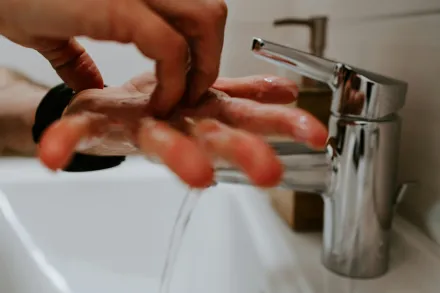
Understanding the Role of Hands in the Spread of Disease
Hands are among the most versatile tools people rely on in daily life, but they can also serve as vehicles for a surprising array of microscopic travelers. The skin, while a strong barrier, is not an impermeable shield against every invader. Tiny organisms such as bacteria, viruses, and fungi can be transferred from one surface to another with a simple touch, a handshake, or a shared object. In crowded environments like schools, offices, public transit, and healthcare facilities, the volume and variety of contact increases the chances that these microscopic passengers will move from contaminated surfaces to the mucous membranes of the eyes, nose, or mouth, or onto food and beverages. When hands become contaminated, they become a direct link in chains of transmission that can lead to illness for individuals and, on a larger scale, affect communities through outbreaks. This reality places hand hygiene at the center of public health strategies that aim to reduce the burden of infectious diseases without the need for expensive technology or medicines. The simple act of cleansing hands with soap or sanitizer, performed consistently and correctly, can interrupt transmission pathways and shift the trajectory of health outcomes in subtle yet powerful ways. The significance of this practice grows when one considers seasons of illness, crowded venues, and settings where vulnerable populations are present, such as young children, older adults, and people with compromised immune systems. In these contexts, protecting hands is a form of proactive care that supports the broader health of communities through everyday behavior rather than heroic but sporadic interventions.
From morning routines to aftercare routines, the movements of hands shape the flow of life. A handshake, a shared utensil, a door handle passed from person to person, or a simple finger touching a shared device can all serve as touchpoints through which microbes travel. The cumulative effect of countless small contacts over the course of a day can be greater than any single exposure. This realization reframes hand hygiene from being a niche practice reserved for clinicians or caregivers to a universal habit with tangible benefits for everyone. It is not merely a question of cleanliness for its own sake but a matter of reducing risk, preserving energy, and extending the time people can enjoy good health during periods of peak activity and social interaction. The everyday importance of hand hygiene becomes especially evident during times when illnesses spread rapidly, and public health messaging resonates with people who may not think of themselves as potential vectors. When individuals adopt a steady, mindful approach to cleaning their hands, they contribute to a culture of safety that supports schools, workplaces, and neighborhoods alike.
Science Behind Hand Hygiene
At the heart of hand hygiene lies microbiology and the understanding that many microbes are capable of surviving on surfaces long enough to pose a threat. Bacteria and viruses vary widely in their resilience and in how they interact with skin and soap. Some organisms cling to the skin’s microtopography, hiding in small crevices and under the nails, while others ride along the surface of the skin on moisture and oils that are naturally present. Soap acts on a molecular level to break up oily films that trap microbes, while water rinses away particles that have been loosened by the cleansing action. The mechanical action of rubbing and scrubbing helps to dislodge organisms, and the friction serves as a mechanical force that reduces microbial load on the hands. Alcohol-based hand sanitizers, when they contain the right concentration of ethanol or isopropanol, dissolve lipids in the membranes surrounding many microbes, inactivating them and rendering them unable to establish infection. The effectiveness of hand hygiene, therefore, depends on both the chemical properties of the cleansing agent and the physical movement applied during cleansing. In hospital settings, where patients are especially vulnerable, the goal is not only to remove visible dirt but to reduce unseen microbial presence to levels that are unlikely to transmit disease. A well-functioning hand hygiene habit pairs scientific understanding with practical execution to create a resilient shield against infections.
Researchers have shown that specific hand-cleansing techniques can achieve notable reductions in microbial counts on the skin. Efficacy varies depending on factors such as the duration of washing, the thoroughness of coverage, and the type of product used. It is well established that handwashing with soap and water for at least twenty seconds significantly lowers the risk of respiratory and gastrointestinal infections in communities, while the use of alcohol-based sanitizers can effectively reduce transmission when hands are not visibly dirty. Importantly, the science also highlights that poor technique or inconsistent practice can undermine the benefits of cleansing. A small amount of product applied too briefly, missed areas such as between the fingers or under the nails, or washing that stops before a thorough rinse can leave surfaces contaminated. The science underlines a simple truth: hand hygiene works best when it is precise, consistent, and integrated into daily routines. Education about how microbes spread, combined with clear demonstrations of proper technique, yields better adherence and outcomes for individuals and populations alike.
Historical Perspective on Hand Washing
Long before the modern understanding of microbiology emerged, humans recognized the practical value of cleansing hands. Ancient traditions across cultures included ritual bathing and the practice of washing hands before meals or after certain activities as a matter of etiquette and health. It was not until the development of germ theory in the late nineteenth century that scientists began to articulate scientifically how hands could transfer disease agents from one person to another. Pioneering physicians and public health advocates observed correlations between cleanliness and the incidence of illness, and they began to advocate for routine hand washing in hospitals and communities. Over time, campaigns emerged that linked hygiene to outcomes such as reduced postoperative infections and lower rates of diarrheal disease in children. The historical arc reveals a constant tension between what people know and what they practice. Societal norms, access to clean water and soap, and the organization of institutions all shape how hand hygiene is adopted or neglected. The evolution of hand hygiene measures shows how simple actions, when supported by science and public health infrastructure, can transform health trajectories at scale.
As societies industrialized and urbanized, the pressures on public health systems intensified, and hand hygiene became a practical metric for assessing stewardship of contagious risks. The medical community gradually formalized standards for hand cleansing in clinical settings, including when to perform hand hygiene, which parts of the hands to cleanse, and how to manage cases where gloves were worn or removed. Public health campaigns shifted from abstract admonitions about cleanliness to concrete instructions that people could adopt in daily life. The historical narrative illustrates that the adoption of rigorous hand hygiene practices does not arise solely from scientific discoveries; it also depends on education, policy, accessibility, and the cultural willingness of communities to change habit patterns that have become routine in daily life. The result is a blended legacy of science and social progress that continues to shape how societies respond to infectious threats today.
Practical Techniques: Soap, Water, and Hand Sanitizers
Effective hand hygiene blends the right materials with a disciplined technique. When washing with soap and water, one should wet the hands, apply an adequate amount of soap, and rub all surfaces of the hands with deliberate motion. It is important to cover the backs of the hands, between the fingers, under the nails, and around the wrists. The duration should be at least twenty seconds, a timeframe that allows the cleansing action to dislodge microbes and break down films that harbor them. After lathering thoroughly, hands are rinsed under clean running water to wash away the loosened dirt and microbes, and a clean towel or air drying method should be used to finish the process. The act of drying is not merely a ritual of cleanliness; dryness itself reduces the likelihood of microbial transfer because many organisms thrive on damp surfaces. In settings where water may be scarce or where rapid cleansing is needed, alcohol-based hand sanitizers provide a practical alternative. These sanitizers should contain an alcohol concentration within a proven effective range, typically around sixty to ninety percent, to ensure rapid microbial kill without requiring water. The fast-acting nature of sanitizers makes them suitable for situations where hands are not visibly soiled, yet it is essential to remember that sanitizers do not remove physical dirt and may be less effective when hands are dirty or greasy. A mindful operator knows when to use soap and water versus sanitizer, and a thoughtful user understands that neither technique substitutes for consistent practice and proper coverage across all surfaces of the hands.
Beyond the mechanics, the choice of product matters for comfort, skin health, and adherence. Some individuals experience dryness or irritation with frequent washing, which can undermine consistency. Selecting gentle soaps, using moisturizers after cleansing, and avoiding harsh solvents can help maintain skin integrity, which in turn supports regular hand hygiene. Education about proper technique should include demonstrations of correct coverage and the importance of wrist areas, fingertips, and nails. In environments such as kitchens, healthcare facilities, and laboratories, it is common to provide both sinks with appropriate draining and storage arrangements and alcohol-based products at points of care. The practical takeaway is simple: the best hand hygiene solution is one that people are willing and able to perform correctly, repeatedly, and in a way that fits into their daily rhythm. This pragmatic view recognizes that habit formation and accessibility are as critical as the biological efficacy of the cleansing agents themselves.
Hand Hygiene in Healthcare Settings
Healthcare environments present unique challenges because patients can be highly susceptible to infection, and the consequences of transmission can be severe. In such contexts, hand hygiene is treated as a cornerstone of patient safety, with rigorous expectations that staff, visitors, and even patients participate in cleansing practices at designated moments. The routines typically emphasize moments when hands are most likely to acquire or transmit pathogens: before touching a patient, before performing clean or sterile procedures, after exposure to bodily fluids, after touching a patient, and after touching the patient’s surroundings. Across hospitals and clinics, visual cues and accessible cleansing stations support adherence, but sustained compliance requires more than infrastructure. It calls for leadership that models hygiene behavior, ongoing training that demonstrates technique and rationale, and feedback systems that help teams identify and address gaps. In practice, consistent hand hygiene reduces postoperative infections, urinary tract infections associated with catheters, and respiratory infections, among other conditions. The cumulative effect is a measurable improvement in patient outcomes and a reduction in the overall burden of healthcare-associated infections. A culture that prizes cleanliness extends beyond the walls of the clinic and into the daily habits of the entire community, reinforcing the idea that protecting one’s hands is a shared responsibility for those who care for others.
In addition to routine cleansing, healthcare settings increasingly deploy multimodal strategies that blend education, reminders, and feedback with product accessibility. Such strategies aim to normalize hand hygiene as a standard operating procedure rather than an optional practice. Clinicians are encouraged to verbalize their actions, patients and families are invited to participate, and data on compliance are used to refine training programs. The ethical dimension of hand hygiene in hospitals also emerges in considerations of equity—ensuring that all patients, regardless of status, benefit from safe care practices. Investments in staff training, product quality, and environmental design collectively create an ecosystem in which hand hygiene becomes instinctual rather than burdensome. The net result is a system that supports safer care, reduces nosocomial infections, and upholds the dignity and safety of every patient who walks through hospital doors.
Public Health and Community Impact
Hand hygiene extends far beyond clinical walls; it shapes the health of communities in meaningful ways. In schools, workplaces, and public spaces, regular cleansing reduces the incidence of common infections that lead to missed days of work or school, decreased productivity, and increased healthcare utilization. When a community embraces routine hand hygiene, the ripple effects appear in fewer days lost to illness, fewer outbreaks of diarrheal diseases, and improved resilience during periods of high respiratory activity, such as the season when influenza and similar viruses circulate most vigorously. Public health initiatives often frame hand hygiene as a simple, low-cost intervention with outsized returns. The messaging emphasizes that small, steady actions, performed consistently, can collectively reduce the community burden of disease. This perspective fosters a sense of collective responsibility, highlighting that individual choices contribute to the safety and well-being of neighbors, peers, and family members who may be more vulnerable to infections. Accessible hand hygiene resources—the right soaps, sinks, sanitizers, and educational materials—enable people to translate knowledge into action in their everyday lives.
Beyond the direct health benefits, strong hand hygiene practices contribute to economic stability by reducing illness-related absenteeism and healthcare costs. Businesses that support hygiene through convenient access to cleansing products and clear behavioral expectations create healthier work environments, where employees experience fewer disruptions due to sickness. In educational institutions, a culture of cleanliness supports learning by keeping classrooms healthier and more conducive to attention and participation. Public health campaigns that address barriers to hand hygiene—such as time constraints, inconvenient facilities, or skin irritation—tend to be more successful when they acknowledge the realities of daily life and provide practical solutions. The long-term impact of widespread hand hygiene is a more resilient society, better prepared to respond to seasonal illness trends and potential health emergencies that stress healthcare systems. It is a foundational habit that accompanies the broader aim of maintaining population health through preventive measures rather than reactive care.
Children and Hand Hygiene: Building Habits Early
For children, the formation of hand hygiene habits occurs at the intersection of education, imitation, and routine. Young learners often mimic the behaviors they observe in caregivers, teachers, and peers, which makes schools and families critical arenas for modeling good practice. Teaching children to wash hands with instruction that is both clear and engaging helps establish a routine that can persist into adolescence and adulthood. The process can be made more effective by integrating playful but purposeful cues, such as age-appropriate explanations of why cleanliness matters, demonstrations of the steps, and consistent reinforcement of positive behaviors. When children understand the link between hand hygiene and staying healthy, they are more likely to internalize the habit. The challenge lies in balancing the educational content with the realities of a busy classroom or home life, where time pressures might tempt shortcuts. Yet, the payoff for persistent, patient teaching is significant: a generation equipped with the knowledge and motivation to protect themselves and others through simple, repeatable actions that reduce the spread of disease across communities.
In addition to schools, families can support healthy practices by providing accessible products, teaching correct technique, and ensuring that the environment reinforces habit formation. For instance, placing handwashing stations at convenient points in the home or at school entrances, pairing cleansing with other routines such as snack times or after outdoor play, and offering gentle, skin-friendly products can remove friction that often leads to skipping or rushing through the process. Engaging children with stories or interactive activities that explain germs in age-appropriate terms helps to cultivate curiosity without fear. As children grow, their sense of responsibility for personal health expands, and they begin to appreciate the broader implications of hygiene on their communities. The investment in early education about hand hygiene pays dividends over time by reducing illness in families, classrooms, and local networks, thereby contributing to a healthier society as a whole.
Cultural and Behavioral Barriers to Hand Hygiene
Despite clear scientific rationale and broad public health support, hand hygiene can still encounter cultural, social, and behavioral barriers. Some beliefs about cleanliness, perceptions of personal invulnerability, or concerns about skin irritation may discourage consistent practice. Others may view handwashing as unnecessary in certain social situations or as undermining personal autonomy. In some communities, access to clean water or soap is limited, creating practical constraints that make regular cleansing difficult. Additionally, time pressures, crowded public spaces, and the logistics of busy workplaces can discourage people from stopping to wash their hands. Behavioral science offers insights into how to overcome these barriers, suggesting that interventions should be context-sensitive, respect local norms, and leverage social incentives that reinforce positive behavior. Messaging that emphasizes protecting others, rather than solely self-protection, can resonate more deeply in many contexts, encouraging people to view hand hygiene as a social responsibility rather than an individual chore. Community engagement, credible demonstrations, and consistent availability of cleansing resources are important components of overcoming barriers and sustaining beneficial practices across diverse populations.
Addressing skin health concerns is essential in reducing friction with hygiene practices. Some individuals experience irritation or dermatitis from frequent cleansing or from certain detergents, which can discourage ongoing use. Providing skin-friendly products, offering guidance on choosing milder soaps, and ensuring access to moisturizers can mitigate these barriers. Education that clarifies that gentle products can be effective and that proper drying reduces moisture-related irritation helps to maintain adherence. Cultural considerations also matter in messaging: in some traditions, the emphasis on cleanliness has spiritual or social dimensions that can be leveraged to encourage positive behavior. By meeting communities where they are and listening to concerns, public health initiatives can tailor hand hygiene programs to be respectful, practical, and sustainable, thereby increasing acceptance and long-term impact.
Environmental Considerations: Surfaces and Contact Points
The environment plays a critical role in how easily hands become contaminated or remain clean. Everyday objects such as doorknobs, elevator buttons, computer keyboards, and shared utensils can serve as reservoirs for microbes, creating opportunities for transmission even after a hands-cleaning moment. Understanding the interplay between hand hygiene and environmental cleanliness highlights why cleansing hands is only one piece of a broader infection-prevention strategy. Regular cleaning and disinfection of high-touch surfaces complement personal hygiene by reducing the microbial load present in shared spaces. This synergy is particularly important in places with heavy footfall, such as transit hubs, workplaces, and healthcare facilities, where the rate of contact is high and the potential for rapid transmission is elevated. Environmental controls also include the design of spaces that minimize unnecessary contact and facilitate accessible cleaning resources. For example, touchless technologies for doors and faucets can reduce the frequency of contact with contaminated surfaces, while well-placed sanitizing stations empower individuals to perform cleaning actions in moments of need. The combined effect of personal hygiene and environmental hygiene yields a more robust defense against infectious diseases.
Environmental cleanliness is not solely a medical concern but a social one as well. When communities invest in visible cleaning practices, such as diligently maintained sanitation facilities and public education about the importance of cleanliness, trust in public health strengthens. People are more likely to adopt recommended behaviors when they see consistent, practical support from institutions and employers. The relationship between hands and surfaces is dynamic: as hands move through the world, they encounter a variety of surfaces, each with its own microbial landscape. A proactive approach respects this complexity by promoting frequent cleansing for hands that interact with many surfaces, while encouraging the regular cleaning of those surfaces themselves. The result is a comprehensive approach to reducing disease transmission that integrates personal responsibility with shared responsibility at the community level.
Policy, Education, and Compliance
Policy and education are the twin engines that propel hand hygiene from knowledge to practice. Public health policies that set clear expectations for healthcare workers, school staff, and workplace personnel create a framework within which individuals can act confidently. Compliance is not merely a matter of compliance forms or quotas; it reflects a culture of safety, trust, and shared accountability. Education initiatives should be ongoing, practical, and anchored in real-world situations rather than abstract ideals. They should present the why and the how in accessible terms, demonstrating correct technique, explaining the rationale for certain actions, and addressing common misconceptions. Evaluation and feedback loops help to identify gaps in adherence and to refine strategies accordingly. When people understand how their actions contribute to the health of others, motivation to adhere to hand hygiene standards tends to deepen. Clear communication about expectations, reinforced by supportive infrastructure such as ample sinks, supplies, and reminders, helps sustain high levels of compliance over time.
In designing policies, it is important to balance rigor with practicality. Overly punitive approaches can erode trust and reduce willingness to participate, while lax policies fail to protect vulnerable populations. Successful programs combine consistent messaging with accessible resources, continuous reinforcement, and recognition of efforts. They acknowledge barriers and provide realistic solutions, whether that means offering a quick hand rub station at the entrance of a busy building or providing fragrance-free, skin-friendly products for sensitive individuals. The moral logic behind these policies rests on the principle that health is a shared objective that benefits when communities act together with intention, knowledge, and compassion. When policy and education align, hand hygiene becomes a straightforward, reliable habit embedded in daily routines across diverse settings.
The Future of Hand Hygiene: Technology and Innovation
Looking ahead, technology and innovation offer exciting possibilities for enhancing hand hygiene without compromising comfort or autonomy. Real-time feedback systems, smart dispensers, and sensors that monitor usage can illuminate patterns of behavior and guide improvements in infrastructure and training. Innovations in product formulation, such as gentler soaps and skin-supporting additives, can reduce dermatitis and improve sustained adherence. Digital education platforms, interactive demonstrations, and gamified approaches can engage people of all ages in understanding the importance of cleansing hands and refining their technique. Yet technology must be deployed thoughtfully, with attention to accessibility, privacy, and equity. A high-tech solution that is not accessible to a portion of the population can widen health disparities rather than close gaps. The future of hand hygiene will likely blend traditional, evidence-based practices with smart design and user-centered approaches that meet people where they are, offering assistance at moments of need and reinforcing the habit through positive reinforcement and community support. The enduring challenge will be to maintain simplicity while leveraging innovation in a way that preserves the core value of hand hygiene as a practical, everyday act that protects health and enhances well-being for everyone.