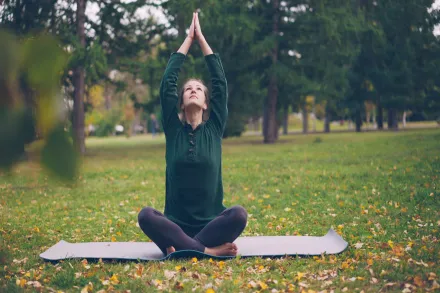
The immune system in a changing body
The immune system is a dynamic network of cells, tissues, and signaling molecules that work together to defend the body against potential threats. It is not a single static defense but a coordinated system that adapts to the rhythms of daily life, aging, sleep, stress, and physical activity. At its core lie two broad pillars: innate immunity, which provides quick, nonspecific responses to foreign intruders, and adaptive immunity, which builds targeted defenses tailored to specific pathogens. Within this framework, immune cells such as lymphocytes, macrophages, dendritic cells, and natural killer cells constantly scan for danger while balancing the need to fight illness with the need to avoid inflammatory overreactions that can damage healthy tissues. In this intricate balance, lifestyle factors that influence stress hormones, sleep quality, gut health, and autonomic nervous system activity can tilt the immune system toward improved surveillance or toward vulnerability. No single habit alone can guarantee immunity, but a holistic approach that supports the body’s natural regulatory systems can strengthen the resilience that allows the immune system to respond effectively when a real threat appears.
Yoga as a spectrum of practice
Yoga is not a single exercise but a spectrum that blends physical postures, breathing techniques, meditation, and guided relaxation. Each element engages different physiological pathways that converge on immune regulation. The physical component, commonly known as asana practice, gently moves and stretches the body, improving circulation, flexibility, and muscular efficiency. The breathing component, or pranayama, teaches control over breath rhythms and encourages a shift toward a calmer, more restorative physiological state. Meditation and mindfulness cultivate a focused awareness that reduces rumination and autonomic arousal, influencing heart rate variability and inflammatory signaling. When combined in a balanced routine, these elements can modulate the body’s stress response, improve sleep, and recalibrate the nervous and endocrine systems in ways that support immune function over time. Importantly, yoga is adaptable to individual needs and can be practiced with varying intensity, making it accessible for people across different ages and fitness levels while still delivering meaningful biological effects.
Breath and nerves: the bridge to immunity
The breath sits at the crossroads of the nervous system, the endocrine system, and the immune system. Slow, diaphragmatic breathing used in many yoga practices stimulates the parasympathetic branch of the autonomic nervous system, often described as the rest-and-digest response. When parasympathetic activity rises, the sympathetic nervous system’s counterproductive hyperarousal diminishes, which can lower the release of stress hormones like cortisol and adrenaline. This hormonal shift has downstream effects on immune signaling, reducing the production of pro-inflammatory cytokines and promoting a milieu that favors immune surveillance without chronic low-grade inflammation. Breathing practices also influence the vagus nerve, one of the major conduits for signaling between the brain and peripheral organs. A more active vagal tone is associated with better inflammatory regulation and improved resilience to stress, which in turn supports the body’s ability to mount a measured and effective immune response when needed. Regular engagement with breathwork as part of yoga helps maintain a calmer baseline that can mitigate the immune-disrupting effects of long-term stress.
Inflammation, stress hormones, and yoga's role
Chronic stress disrupts the immune system by elevating levels of cortisol and other glucocorticoids, which over time can dampen certain immune responses and promote low-grade systemic inflammation. Prolonged inflammation is linked to a host of health issues, including increased susceptibility to infections and slower recovery from illness. Yoga practices have been shown in various studies to reduce circulating markers of inflammation, such as C-reactive protein and certain pro-inflammatory cytokines. At the same time, yoga can increase anti-inflammatory cytokines and bolster immune regulation. The combination of improved sleep, reduced perceived stress, and the dampening of excessive inflammatory signaling creates an internal environment more favorable to immune effectiveness. While the precise mechanisms are complex and still the subject of ongoing research, the convergence of autonomic regulation, hormonal balance, and inflammatory signaling provides a plausible pathway by which yoga enhances immune readiness without triggering immune overactivity.
Movement, lymph, and circulation
The lymphatic system, which flows through the body in part by muscular contractions and body movement, plays a central role in immune surveillance. Unlike the circulatory system, the lymphatic system lacks a hard pumping mechanism, so physical activity that involves stretching, mild resistance, and dynamic movement helps propel lymph through lymph nodes where immune cells monitor for pathogens. Yoga, with its combination of sustained holds, gentle twists, and coordinated transitions, promotes lymphatic drainage and fluid turnover. This can enhance the transport of immune cells to tissues, improve the clearance of waste products, and support mucosal immunity in areas such as the respiratory and gastrointestinal tracts. As a result, regular yoga practice may improve the speed and efficiency with which the immune system detects intruders and coordinates a response, while also reducing the risk of unnecessary inflammatory flare-ups that can accompany excessive physical strain.
Sleep, circadian alignment, and immune readiness
Quality sleep is a critical pillar of immune health. During deep sleep, restorative processes take place, including the production and release of immune messengers, the consolidation of immune memory, and the clearance of metabolic byproducts. Poor sleep or misaligned circadian rhythms can blunt these processes and leave the body more vulnerable to infections. Yoga contributes to better sleep through multiple pathways: lowering arousal before bedtime, reducing worries and rumination, and promoting a physically relaxed state that assists with falling and staying asleep. In addition, consistent practice helps regulate daily rhythms by encouraging a regular routine, which supports a more synchronized immune timetable. The net effect is a body that can respond more robustly to microbial challenges after a night of restorative rest, with decreased odds of lingering inflammatory states that can complicate recovery.
Gut health, microbiome, and resilience
Recent insights into immune function emphasize the pivotal role of the gut, where trillions of microbes influence immune education, barrier integrity, and inflammatory tone. Stress can disrupt the gut microbiome, increase intestinal permeability, and trigger systemic inflammation, all of which have implications for immune defense. Yoga’s stress-reducing effects, particularly through mindfulness and breath regulation, are associated with improvements in gut function and microbial balance in some studies. A calmer gut environment contributes to a more stable intestinal barrier, reduces endotoxin leakage, and supports the development of a diverse and resilient microbiome. In turn, a balanced microbiome educates the immune system to respond appropriately to pathogens while tolerating harmless antigens, a state that diminishes the risk of excessive inflammatory reactions that can compromise health over time.
Mental states and immune vigilance
The mind and immune system are intimately connected through neuroimmune pathways. Chronic anxiety, rumination, and mood disturbances can amplify inflammatory signaling and weaken immune efficiency, whereas practices that cultivate awareness, acceptance, and calm can dampen hypervigilance and restore a more measured immune response. Yoga fosters these mental states through repeated exposure to focused attention, nonjudgmental awareness, and compassionate self-care. By reducing perceived threat and improving mood, yoga can lower the stress-related amplification of immune signaling that sometimes accompanies psychological distress. This subtle rebalancing does not guarantee immunity from illness, but it does help the body maintain a more robust and regulated immune system that is less prone to dysregulated inflammation during challenging times.
What a balanced yoga session can look like
A well-rounded yoga session designed to support immunity blends gentle to moderate physical work with deliberate breathing and moments of rest. A typical practice begins with a quiet centering period, where attention is drawn to the breath and bodily sensations, creating a foundation of calm. The physical portion moves through stretches and postures that open the chest, improve spinal mobility, and gently strengthen the core without creating excessive strain. Breathwork follows, often featuring slow nasal breathing with long exhalations that invite the parasympathetic system to engage. A guided relaxation or meditation phase brings the body into a deeper state of rest, allowing repair processes to unfold. In all of these elements, the emphasis remains on sustainable longevity rather than intensity or competition. Regularly engaging in such sessions can gradually raise baseline parasympathetic tone, improve sleep continuity, and contribute to a more balanced immune profile over weeks and months rather than days.
Special populations and considerations
People with chronic illnesses, autoimmune conditions, or compromised immune function should approach yoga with thoughtful pacing and medical guidance. The goal is not to push into discomfort or exertion beyond one’s current capacity but to cultivate a steady, sustainable routine that respects the body’s signals. For some individuals, modifications to poses, slower pacing, or shorter sessions are appropriate, while others may benefit from more structured breathwork or meditation practice. In all cases, the emphasis should be on awareness, comfort, and consistency rather than achievement. Yoga can be adapted to accommodate injuries, fatigue, or limited mobility, and the benefits to immune regulation can still accrue when practiced thoughtfully. If any symptoms worsen or new concerns arise, consulting a healthcare professional is advisable to ensure that the chosen practice aligns with personal health needs and treatment plans.
Current science and future directions
Systematic reviews and randomized trials have begun to illuminate how various components of yoga influence immune-related outcomes. Across multiple studies, moderate yoga practice has been associated with reductions in inflammatory markers, improvements in sleep quality, and enhanced measures of autonomic balance. Some investigations have noted changes in immune cells, such as natural killer cell activity and lymphocyte distribution, though findings are heterogeneous and often dependent on the intensity, duration, and population studied. The evolving science recognizes that yoga acts through a constellation of mechanisms, including stress reduction, improved sleep, better respiratory function, and positive shifts in gut health and circadian rhythms. Ongoing research seeks to clarify dose-response relationships, identify which individuals stand to benefit most, and determine how long it takes to observe meaningful immune changes. As this field develops, yoga remains a practical, accessible tool that aligns with broader lifestyle strategies aimed at supporting immune function and overall well-being.
Practical tips to begin today
Starting a journey with yoga that emphasizes immunity involves a gentle, consistent approach. Begin with short sessions that emphasize breath awareness and mindful movement, gradually increasing duration as comfort allows. Focus on diaphragmatic breathing during and between postures, letting exhalations be longer than inhalations to promote a relaxed state. Choose postures that open the chest and promote spinal lengthening while avoiding positions that strain the back or shoulders. Include a period of quiet rest and a simple guided or self-directed meditation to cultivate mental calm. Consistency matters more than intensity; the cumulative effect over weeks and months is what shapes immune regulation. Pair your practice with other healthy habits, such as regular sleep patterns, balanced meals rich in fiber and phytonutrients, and adequate hydration, to reinforce the body’s natural defenses. Remember that any new exercise or breathing regimen should be introduced gradually, especially if there are existing health concerns or recent illnesses, and professional guidance can tailor a plan to fit individual needs.
Integrating mindfulness and routine into daily life
Beyond formal practice, the principles of yoga can be woven into daily living to support immunity. Short awareness pauses during stressful moments, slow breathing during commutes, and brief stretches during long periods of sitting can accumulate a meaningful impact on the body’s stress response. By treating health as a continuous practice rather than a finite regimen, individuals build a sustainable pattern that reinforces immune resilience. The idea is not to chase temporary peaks in performance or wellness but to cultivate a steady state of balance that allows the immune system to function with less friction and greater clarity. In this broader sense, yoga becomes a lifestyle choice that supports mental clarity, emotional balance, and physical vitality in a way that complements medical care, nutrition, and social connection.
Historical perspective and modern relevance
The wisdom embedded in traditional yoga traditions emphasizes balance, breath, and awareness as pathways to wholeness. Modern science has begun to map some of these ancient insights onto measurable physiological changes, revealing how practices that calm the mind and regulate the breath can influence the body’s defense systems. This convergence of ancient understanding and contemporary research reinforces the practicality of yoga as a nonpharmacological approach to promoting immune health. While it is not a substitute for vaccines, medicines, or medical treatment when necessary, yoga offers a complementary route to support the body’s natural capacity to respond to pathogens, recover from illness, and maintain a resilient physiological state across the cycles of life.
Ending thoughts for ongoing practice
Engaging with yoga over the long term invites a continuous deepening of body awareness and a gradual enhancement of physiological harmony. The immune system thrives when stress is managed, sleep is restorative, and the body remains flexible and well-circulated. By honoring these conditions through regular practice that blends gentle asanas, mindful breathing, and quiet reflection, a person can cultivate a living example of balance that extends beyond physical fitness to encompass serenity, patience, and sustained vitality. In this light, yoga becomes not merely a set of techniques but a daily invitation to care for the human organism in a way that respects its complexity and honors its need for rest, movement, and mindful presence. As the body adapts to a more regulated internal environment, immune readiness can become more consistent, allowing the individual to meet life’s challenges with steadier energy and a calmer mind.