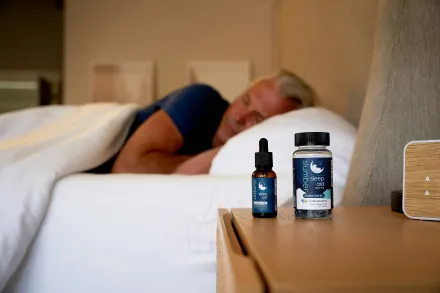
Sleep and the Immune System: A Delicate Dialogue
Sleep and the immune system engage in a continuous dialogue that shapes how the body guards itself against pathogens. When the eyes close and the brain rests, signals flow between the central nervous system and immune cells, coordinating surveillance and response. In this quiet space, immune cells are primed to recognize invaders, while the nervous system tunes inflammatory processes to avoid unnecessary damage. This interdependence means that the duration and quality of sleep can tilt the balance toward robust defense or vulnerability to illness, influencing everything from everyday infections to more serious disturbances of health.
Sleep Architecture and Immune Signaling
The architecture of sleep, with phases of non-rapid eye movement and rapid eye movement, provides a stage for immune signaling to unfold. During slow-wave or deep sleep, immune activity tends to settle into a restorative rhythm, allowing cytokines and other signaling molecules to calibrate the body's defenses. Conversely, during lighter sleep or wakefulness, sympathetic activity can rise, and certain inflammatory mediators may become more active. The ebb and flow of these signals helps immune cells coordinate with hormonal cues to optimize the response to germs while protecting tissues from collateral damage.
Glymphatic Clearance and Immune Modulation
Beyond signaling, sleep supports a nightly cleansing process in the brain and with it a streamlined immune posture. The glymphatic system becomes more active during sleep, flushing out metabolic waste products and potentially exposed allergenic compounds. This clean slate sustains the integrity of the blood–brain barrier and reduces the inflammatory load that can compromise immune function. As toxins are cleared, the immune system can operate with less chronic alertness, conserving energy for genuine threats and enhancing overall resilience.
Sleep Deprivation and Immune Vulnerability
When sleep is repeatedly shortened or disrupted, a cascade of consequences can unfold. The body may show diminished production of essential antibodies after exposure to vaccines, and the activity of natural killer cells, important for early defense against infected cells, can wane. Inadequate sleep can also raise the levels of stress hormones like cortisol, which, in excess, dampens immune responses and shifts the balance toward a proinflammatory state. Over time, this pattern increases susceptibility to infections and may slow recovery.
Sleep Duration: What’s Enough for Immunity
Scientific findings consistently point to a sweet spot in sleep duration that supports immune health, generally in the range of seven to nine hours per night for adults. Individual needs vary, influenced by age, genetics, lifestyle, and prior illness history. Shorter sleep on a chronic basis, even by as little as one hour, can accumulate debt that diminishes the body’s readiness to fight off pathogens. Establishing a reliable sleep budget helps keep immune defenses ready for action when challenges appear.
Sleep Timing and Circadian Health
The timing of sleep matters as much as the length. The circadian system orchestrates hormones such as cortisol and melatonin, which in turn influence immune cell activity and inflammation. Aligning sleep with natural light-dark cycles strengthens these rhythms, supporting tighter regulation of immune responses. In contrast, irregular bedtimes, night shifts, or exposure to bright screens late at night can desynchronize rhythms and hamper the immune system’s efficiency over time, especially during cold seasons or periods of heightened exposure to pathogens.
Hormones, Inflammation, and Immune Readiness
Hormonal signals serve as mediators between sleep and immunity. Melatonin, a hormone produced at night, has anti-inflammatory properties and can regulate immune cell behavior. Growth hormone and prolactin, released during deep sleep, contribute to tissue repair and immune cell development. Conversely, elevated daytime cortisol during chronic sleep loss may suppress certain immune pathways. The interplay of these hormones during restful sleep helps maintain a balanced inflammatory tone, enabling targeted defenses without excessive collateral damage to tissues.
Vaccination and Sleep: A Critical Link
Sleep around the time of vaccination appears to influence the strength and durability of the antibody response. When individuals obtain adequate sleep after receiving a vaccine, their bodies can mount a more robust and durable defense, translating to higher antibody titers and longer-lasting protection. This relationship underscores the practical importance of prioritizing sleep in preparation for immunizations and during campaigns that aim to boost population immunity against contagious diseases.
Infection Risk and Sleep Quality
The presence of sleep disturbances can correlate with a higher risk of acquiring infections such as colds and influenza. Part of this risk relates to how sleep shapes immune surveillance, the production of protective antibodies, and the resolution of inflammatory signals once a pathogen is present. By supporting the early mobilization of immune defenses and the timely clearance of invaders, good sleep can shorten illness duration and reduce the chance of complications that might require medical attention.
Chronic Sleep Problems and Immune Health
Longstanding sleep disorders, including insomnia and obstructive sleep apnea, can create a chronic state of low-grade inflammation and immune dysregulation. Over time, this persistent disturbance may blunt vaccine responses, slow healing, and contribute to heightened susceptibility to infections. Addressing sleep disturbances with behavioral strategies, medical care, or harmonized treatment plans can restore a healthier immune baseline and improve overall well-being in the face of microbial challenges.
Sleep Quality: Beyond Hours
Quality sleep encompasses ease of onset, uninterrupted duration, and the preservation of restorative stages. Even when total time in bed is adequate, fragmented sleep can erode immune efficiency by interrupting the cycles that support cellular coordination and waste clearance. Prioritizing sleep continuity, minimizing awakenings, and cultivating a calm sleep environment help ensure that each night contributes maximally to immune readiness and recovery after immune challenges.
Lifestyle Interactions: Diet, Exercise, and Sleep Synergy
Sleep does not act in isolation; it works in concert with diet and physical activity to shape immune outcomes. Regular, moderate exercise can improve sleep quality and reduce inflammatory signaling, while nutrient-dense meals provide the substrates necessary for immune cell proliferation and antibody production. When these elements align, the body maintains a more agile defense system capable of responding quickly to pathogens while maintaining energetic reserves for repair and maintenance processes.
Nervous System Balance and Immune Surveillance
The autonomic nervous system tunes the body’s readiness to confront threats. During sleep, autonomic balance shifts toward parasympathetic dominance in many phases, promoting tissue repair and immune recalibration. This shift supports the efficient trafficking of immune cells and enhances their capacity to detect and neutralize invading organisms. In contrast, sustained wakefulness or stress can keep the system in a heightened sympathetic state that may hinder precise immune coordination.
Inflammation Resolution and Sleep
A crucial aspect of immune defense is the resolution of inflammation after a threat is addressed. Sleep contributes to a timely return from the active defense phase to a resting state, preventing excessive tissue damage and promoting healing. By facilitating the production of anti-inflammatory mediators and supporting the clearance of inflammatory byproducts, restful sleep helps the immune system avoid chronic inflammatory conditions that can compromise health over years.
Age-Related Changes in Sleep and Immunity
As people age, sleep patterns shift and immune function undergoes changes, often accompanied by more frequent awakenings and lighter sleep. These shifts can reduce the effectiveness of immune responses and vaccination outcomes in older adults. However, consistent sleep hygiene and targeted interventions can mitigate some of these effects, helping older individuals retain a more robust immune defense and a better quality of life during periods of increased exposure to pathogens.
Sleep and Mental Resilience: The Indirect Path
Mental health interacts with sleep to influence immune health. Anxiety, depression, and chronic stress can fragment sleep and alter hormonal cascades that dampen immune signaling. By cultivating calming routines, social connection, and coping strategies, individuals can improve sleep quality and in turn support their immune system's capacity to respond to infections and to recover efficiently from illness episodes.
Environmental Factors: Light, Temperature, and Sleep Hygiene
Environment plays a decisive role in shaping sleep quality. Consistent darkness at night, cooler room temperatures, and quiet, comfortable surroundings encourage deeper, more restorative sleep. Limiting exposure to bright screens before bedtime and reducing caffeine late in the day can further support the hypothalamic pathways that regulate sleep and, by extension, the immune processes intertwined with nightly rest.
Sleep Misalignment in Modern Life
Contemporary schedules, travel across time zones, and shift work can disrupt circadian alignment and create cumulative sleep debt. This misalignment can prime the immune system for misfired responses, slower healing, and diminished resistance to infection. Recognizing these patterns and implementing strategies that promote regular sleep windows, even when life is busy, helps preserve immune integrity and supports long-term health resilience.
Practical Sleep Hygiene for Immune Support
Establishing a reliable pre-sleep routine, maintaining consistent wake times, and creating a sleep-conducive environment are practical steps readers can take to bolster immunity through sleep. Simple practices such as winding down with a calm activity, avoiding stimulants in the evening, and letting natural light guide daytime wakefulness contribute to more stable sleep pressure and a stronger nightly immune foundation. Consistency is the cornerstone of lasting benefits to immune health.
Sleep, Hydration, and Recovery Dynamics
Hydration supports metabolic processes that accompany overnight repair and immune adaptation. Adequate fluids ensure efficient circulation and help deliver immune cells to sites where they are needed. During sleep, the body prioritizes recovery, and maintaining hydration helps sustain these restorative processes without adding stress to the system. Thoughtful hydration during the day and a gentle balance at night can complement the immune-enhancing effects of sleep.
Balancing Work Demands with Immune Health
For people facing high-pressure jobs, protecting sleep becomes a public health concern because depleted sleep can compound vulnerability to illness. Organizations that encourage predictable schedules, provide rest opportunities, and support healthy routines show benefits in employee resilience and reduced illness-related absences. On a personal level, negotiating boundaries around work hours and digital exposure fosters immune-friendly sleep habits that extend into daytime energy and well-being.
Sleep as a Daily Shield: A Holistic View
Viewed through a holistic lens, sleep acts as a daily shield that primes the immune system for action, aligns defense with repair, and supports the body's broader healing strategies. The simple act of prioritizing rest reverberates through hormonal balance, neural regulation, metabolic efficiency, and the precise timing of immune processes. In this way, sleep emerges not as a luxury but as an essential foundation for health, vitality, and disease resistance across the lifespan.
Emerging Research and Future Directions
Ongoing studies continue to refine our understanding of how sleep influences immune memory, mucosal defenses, and vaccine responsiveness. Advances in wearable technology, blood-based biomarkers, and longitudinal health tracking promise to illuminate individual sleep–immunity profiles. As this knowledge grows, personalized sleep recommendations could become a practical tool for preventing infections, optimizing vaccine schedules, and supporting immune resilience during outbreaks or seasonal challenges.
Closing Reflections on Sleep and Immune Armor
In the end, sleep stands as a quiet yet potent ally in the body’s defense system. By supporting immune cell readiness, enabling efficient communication among organs, and facilitating the orderly resolution of inflammation, restful nights strengthen the body’s ability to withstand and recover from illness. The message is straightforward: honoring sleep is a tangible act of care for your immune system, shaping health trajectories in subtle, enduring ways that accumulate with each successful night of rest.