Respiratory infections affect people across age groups and health statuses, ranging from mild colds to more serious illnesses that require medical attention. The pathways by which these infections spread are often subtle and multifaceted, involving everyday interactions, shared surfaces, and the quality of the air we breathe. Understanding how infections take hold is the first step toward lowering risk in daily life. By combining practical hygiene practices, environmental adjustments, and thoughtful lifestyle choices, individuals can create layers of protection that work together to reduce the chance of catching or spreading illnesses. This approach recognizes that no single action guarantees immunity, but when several measures are applied consistently, the likelihood of infection drops meaningfully while also supporting general well being and resilience against other respiratory threats. The goal is to cultivate habits that are sustainable, respectful of others, and adaptable to different seasons, settings, and personal health considerations, rather than relying on short term fixes that may fail when circumstances change.
Understanding Respiratory Infections
Respiratory infections arise when viruses or bacteria invade the airways and multiply, triggering symptoms such as coughing, sneezing, congestion, fever, fatigue, and sometimes shortness of breath. Common culprits include influenza viruses, respiratory syncytial virus, rhinoviruses, coronaviruses, and various bacteria that can accompany viral illnesses. The risk of contracting these pathogens increases in crowded settings, indoors with poor ventilation, or when hands repeatedly come into contact with the eyes, nose, or mouth. People with weakened immune systems, the elderly, young children, pregnant individuals, and those with chronic illnesses may experience more severe courses of disease, underscoring the importance of tailored protective strategies for vulnerable groups. Transmission routes often involve a combination of direct droplet spread from sneezing or coughing, aerosols that linger in the air, and fomite transmission from contaminated surfaces. Recognizing these routes helps in designing practical steps that interrupt the chain of infection at multiple points.
Hygiene Practices to Lower Transmission
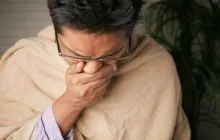
Effective hygiene begins with consistent hand cleanliness. Regular handwashing with soap and water for at least twenty seconds removes a wide array of pathogens and should be practiced before meals, after using the restroom, after being in public spaces, and upon returning home. When soap and water are not readily available, an alcohol based sanitizer with at least sixty percent alcohol provides a reliable alternative, though it is less effective on visibly dirty hands. Avoiding touching the face, particularly the eyes, nose, and mouth, reduces the chance that viruses on the skin will gain entry to the body. Respiratory etiquette remains essential: covering the mouth and nose with a clean tissue or the inside of the elbow when coughing or sneezing helps prevent the dispersion of infectious droplets into the surrounding air. Regular cleaning of high touch surfaces such as doorknobs, light switches, and electronic devices further decreases the probability of transmission, especially in shared spaces where multiple people come into contact with the same objects. In environments like offices, schools, and healthcare facilities, reinforcing these practices through clear messaging and accessible supplies helps sustain a culture of safety. The overall aim is to create a routine that minimizes opportunities for pathogens to move between people, without imposing undue constraints on daily activities.
Vaccination and Immunity
Vaccines play a central role in reducing the burden of respiratory infections by training the immune system to respond more effectively to specific pathogens. Annual influenza vaccination is recommended for most people because flu viruses evolve quickly, and vaccines are updated to reflect circulating strains. Vaccination against pneumococcal disease is another important line of defense, particularly for older adults and individuals with chronic conditions, since pneumococcus can cause pneumonia and other serious illnesses. Depending on age, health status, and local guidelines, additional vaccines, including those targeting pertussis, measles, mumps, rubella, and certain coronaviruses, may be advised as part of a comprehensive protection plan. Vaccination complements other measures rather than replacing them. Even when vaccines do not provide complete protection, they often reduce the severity of illness and the risk of complications, which contributes to shorter durations of sickness and less strain on healthcare systems. Consulting with a healthcare professional about vaccination timing, allergies, and contraindications ensures that an individual’s immunization plan is personalized and up to date. Beyond formal vaccines, supporting immune health through balanced nutrition, adequate sleep, regular physical activity, and stress management creates an robust baseline that can enhance responses to infections when they occur.
Environmental Controls
The quality of the air we breathe indoors has a direct impact on respiratory health. Good ventilation dilutes and removes airborne pathogens, reducing the concentration of infectious particles in shared spaces. Simple steps such as opening windows when feasible, using exhaust fans, and ensuring that heating, ventilation, and air conditioning systems are well maintained can make a noticeable difference. In settings where outdoor air exchange is limited, incorporating high efficiency filtration using appropriate filters can capture a substantial portion of aerosols, including many pathogens. Humidity also influences how respiratory droplets behave; extremely dry air dries mucous membranes and can facilitate irritation, while excessively moist air can promote the growth of mold and fungi. Maintaining indoor relative humidity within the range of roughly forty to sixty percent commonly supports respiratory comfort and reduces the survival of some pathogens. Regular cleaning and disinfection of shared spaces, with attention to surfaces frequently touched by multiple people, complements improved air quality by addressing contact transmission. The goal is to cultivate spaces where air circulates freely, surfaces stay reasonably clean, and occupants feel comfortable participating in activities without unnecessary exposure to illness risk.
Lifestyle and Daily Habits
Healthy daily habits bolster the body’s defenses against respiratory infections, making prevention an ongoing practice rather than a single action. Adequate sleep supports immune function, mood regulation, and recovery from illness; chronic sleep deprivation can undermine the body’s ability to respond to pathogens. A balanced diet rich in fruits, vegetables, lean proteins, whole grains, and healthy fats provides essential vitamins, minerals, and antioxidants that support immune responses. Regular physical activity strengthens cardiovascular health and can enhance the efficiency of the immune system, while also aiding in maintaining a healthy weight and reducing chronic disease risk. Smoking and exposure to tobacco smoke, including secondhand smoke, markedly increase the risk of respiratory infections and worsen outcomes; choosing not to smoke and avoiding smoky environments yields immediate and long term benefits. Alcohol consumption should be moderated, as excessive intake can impair immune function and disrupt sleep patterns. Hydration is often underestimated: water supports mucosal surfaces in the nose and throat, helping to trap and clear pathogens. Mindful stress management is also important, because chronic stress can suppress immune effectiveness and prolong illness if it occurs. By weaving these elements into a daily routine, individuals create a resilient baseline that supports better outcomes in the face of infectious challenges.
Public Spaces and Travel
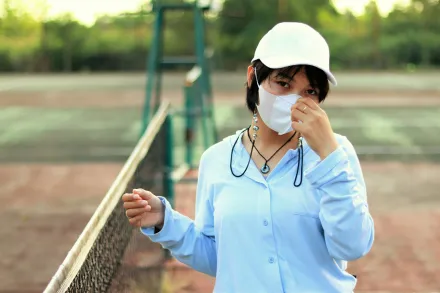
Public spaces such as transit hubs, theaters, gyms, and crowded events present a higher baseline risk due to density and turnover of people. When circumstances require being in these environments, practical precautions can meaningfully reduce exposure without eliminating social or professional participation. Keeping a respectful distance from visibly sick individuals, particularly during peak illness seasons, reduces direct droplet exposure. Wearing a well fitted mask can provide additional protection in crowded or poorly ventilated venues, especially for those who are at higher risk or who are already sick and want to minimize spreading illness. It is beneficial to bring personal supplies such as a pocket sanitizer, a small tissue pack, and a clean reusable mask when appropriate. After using shared facilities or touching public surfaces, washing hands or using sanitizer promptly minimizes the chance of transferring pathogens to the face. If someone in a group is ill, offering to relocate to a better ventilated area or to participate remotely can help protect others and demonstrate consideration for communal health. For travelers, planning routes that maximize exposure to outdoor air, selecting accommodations with improved ventilation, and staying aware of local health advisories contributes to safer experiences while maintaining the flexibility to adapt plans if conditions change.
Work, School, and Community Settings
Institutions that bring people together for extended periods require coordinated strategies to minimize infection risk while preserving essential functions. Employers and educators can encourage sick individuals to stay home, enable flexible scheduling, and ensure access to rapid hand hygiene supplies and clean facilities. Ventilation upgrades, maintenance of filtration systems, and the use of air purifiers in shared rooms can reduce the concentration of airborne pathogens. Clear policies and communication about staying home when ill, mask use during outbreaks, and vaccination programs help align personal responsibility with organizational safety. In community settings, promoting environmental cleanliness and reducing overcrowding in common areas supports healthier interactions. Teachers, administrators, and supervisors play a pivotal role in modeling best practices and in providing resources that make protective behaviors feasible and sustainable for people with diverse needs. By embedding health minded norms into the routine fabric of work and learning environments, societies can buffer the impact of outbreaks without compromising essential activities or social cohesion.
Symptom Awareness and Early Action
Attention to early symptoms and prompt action is central to reducing individual and communal risk. Mild signs such as a scratchy throat, fatigue, or a runny nose may precede more noticeable manifestations; recognizing them early can prompt protective steps like staying home, avoiding close contact with others, and seeking medical advice when appropriate. When fever, persistent coughing, chest discomfort, or shortness of breath occurs, professional assessment should be sought, especially for individuals with underlying health issues or pregnancy. Self care, while important, should be balanced with clinical guidance to ensure that any treatable conditions are identified and managed correctly. In some cases, testing for respiratory pathogens is advised to inform isolation decisions and treatment options. Public health guidance may emphasize staying informed about local case numbers, seasonal trends, and recommended protective practices. The overarching principle is to err on the side of precaution when symptoms emerge, while maintaining a supportive approach toward others who may be affected by illness in shared spaces. This proactive mindset helps prevent transmission and supports faster, safer recoveries.
Special Populations and Risk Factors
Certain populations face heightened risk from respiratory infections due to age, pregnancy, existing medical conditions, or compromised immune function. Older adults often experience changes in lung function and immune response, making preventive measures particularly important for this group. Children have developing immune systems and may spread infections more readily in school settings, so vaccination and hygiene become essential components of protection in families and communities. People with chronic illnesses such as asthma, chronic obstructive pulmonary disease, diabetes, or heart disease may experience more severe disease if infected and should work with healthcare providers to optimize preventive strategies. Pregnant individuals require special consideration because infections can affect both mother and fetus; vaccination choices and medical monitoring during pregnancy should be discussed with obstetric care providers. Immunocompromised individuals, including those undergoing certain therapies, should rely on tailored guidance from specialists to balance infection prevention with other health needs. Across all these groups, a unified approach that combines vaccination, good hygiene, clean environments, and breathing easy life choices yields the greatest protection while respecting individual circumstances and preferences.
Putting It All Together: A Practical Plan
Building a practical plan to reduce the risk of respiratory infections involves weaving together the elements discussed into a coherent daily routine. Start with vaccination as a foundational step, ensuring that personal immunization records are up to date and aligned with local health guidance. Integrate consistent hand hygiene into daily habits, keeping sanitizing products accessible at key points of entry to homes, workspaces, and vehicles. Create comfortable and well ventilated living and working environments by promoting natural or mechanical ventilation and monitoring humidity levels to maintain a comfortable indoor climate. Prioritize sleep, nutrition, and physical activity to sustain a robust immune system, while steering clear of smoking and reducing exposure to secondhand smoke. In crowded settings, be mindful of exposure risk and consider protective measures such as masks when illness is prevalent or when you yourself are recovering from an infection. When symptoms arise, assess the situation honestly, rest if needed, and follow medical advice to prevent progression or transmission. By adopting a holistic, multi layered approach that respects personal health status and communal responsibilities, individuals can reduce their susceptibility to respiratory infections and protect those around them without sacrificing the quality of daily life. This integrated plan, practiced consistently, creates a resilient lifestyle that supports health and well being across seasons and circumstances, enabling people to navigate the complexities of infectious threats with greater confidence and calm.