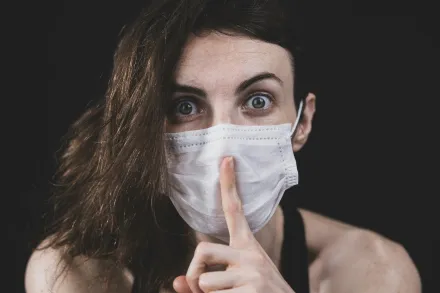
Infections arise when harmful microbes such as bacteria, viruses, fungi, or parasites breach the body's defenses and begin to multiply. While modern medicine provides tools to treat infections, many preventive strategies can be adopted through daily choices that strengthen the body's natural resilience. The aim of natural prevention is not to replace medical advice, but to support the immune system, reduce exposure to pathogens, and create conditions in which the body's defenses can operate more effectively. A comprehensive approach blends hygiene, nutrition, sleep, stress management, physical activity, environmental factors, and thoughtful use of natural substances that have long been used to promote health. When these practices become habitual, they contribute to a lower overall risk of infections and to better well being across seasons and life stages.
Understanding the body's natural defenses
The human body hosts a complex and dynamic defense system designed to recognize and respond to foreign invaders. The barrier surfaces of the body, including the skin and mucous membranes in the airways and digestive tract, act as the first line of defense, limiting entry and dissemination of microbes. Inside the body, the immune system comprises an intricate network of cells, tissues, and substances that coordinate rapid responses to threats. The innate immune system provides immediate, nonspecific responses that help contain infections while the adaptive immune system develops targeted, memory-based responses that are particularly powerful with repeated exposures. A healthy balance among these components depends on a variety of factors, including adequate nutrition, normal sleep patterns, moderate physical activity, and a relatively stable psychological state. When these factors are disrupted, immune function can become less efficient, potentially increasing susceptibility to infections. Understanding that immunity is not a single thing but a system helps emphasize that prevention relies on nurturing multiple aspects of health rather than chasing a single miracle remedy.
Daily hygiene and its impact on infection risk
Consistent, thoughtful hygiene practices reduce the chance that pathogens will take hold and spread within the body or between people. Hand hygiene is a cornerstone of infection prevention; washing with soap and water for at least twenty seconds dislodges microbes from the skin and reduces their transfer to the mouth, nose, or eyes. When soap and water are not readily available, an alcohol-based hand sanitizer that contains at least sixty percent alcohol can be a useful alternative, though it should be used with care on sensitive skin and avoided on broken or irritated skin. Beyond hands, regular cleaning of commonly touched surfaces in the home and workplace can further decrease microbial load, especially in crowded or shared environments. Good respiratory etiquette also matters: covering coughs and sneezes with a tissue or the elbow reduces the spread of droplets that may carry infectious agents. Personal habits such as avoiding touching the face with unwashed hands and properly disposing of waste further limit opportunities for pathogens to gain a foothold. Consistent hygiene practices, embedded into daily routines, create a social and physical environment that makes infection less likely to take hold or recur.
Nutrition and hydration to support immune function
Nutrition provides the raw materials that the immune system uses to generate responses and to repair tissues after infection. A varied diet rich in fruits, vegetables, whole grains, lean proteins, and healthy fats supplies vitamins, minerals, fiber, and phytochemicals that support immune health and a balanced inflammatory response. Micronutrients such as vitamin D, vitamin C, zinc, selenium, and B vitamins play roles in maintaining barrier integrity, regulating immune cell function, and supporting antioxidant defenses. Adequate hydration supports mucosal surfaces and helps transport nutrients and immune cells through the body. Fermented foods and live cultures can contribute to a diverse gut microbiome, which interacts with the immune system in ways that influence overall responsiveness to pathogens. A preference for minimally processed foods, fortified staples when needed, and mindful intake patterns can help sustain immune function over time, while extreme or chronic dieting may compromise the immune system rather than strengthen it.
Sleep, circadian rhythm, and stress management
Quality sleep supports several aspects of immune competence, including the production of cytokines and the coordination of immune responses. Consistent sleep schedules, a dark and quiet sleeping environment, and a temperature conducive to rest all contribute to restorative sleep. Circadian rhythms govern the timing of immune activity, so predictable daily routines help the body allocate resources efficiently to defend against pathogens. Chronic stress can dysregulate immune function by elevating cortisol and other mediators that may dampen defense mechanisms. Techniques such as mindfulness meditation, controlled breathing, gentle movement, and time outdoors can lower perceived stress and promote a more resilient immune profile. The combination of sufficient sleep, steady routines, and effective stress management creates a physiological milieu that is less hospitable to infections and more capable of mounting a measured, appropriate response when exposures occur.
Physical activity and circulation
Regular physical activity supports immune surveillance by promoting healthy circulation, which helps immune cells move through the body and reach sites of potential invasion more efficiently. Moderate, consistent exercise improves cardiovascular health, supports metabolic balance, and reduces the risk of chronic diseases that can impair immune function. It also plays a role in maintaining healthy body weight, which is associated with better infection outcomes. A plan that blends aerobic activities, strength training, and flexibility work on most days of the week can foster a general resilience against infections. It is important to tailor activity to one’s fitness level and to allow adequate recovery, as excessive training without rest can temporarily suppress immune responses. In this balanced approach, movement becomes a natural ally in keeping the body's defenses alert and capable without being overtaxed.
Gut health and the microbiome as frontline defense
The gut microbiome forms a crucial interface between the external environment and the immune system. A diverse community of beneficial bacteria helps train immune cells, maintain the integrity of the intestinal barrier, and modulate inflammatory responses that influence susceptibility to infections. Diets rich in fiber support the growth of these helpful microbes, while fermented foods provide live cultures that can contribute to microbial diversity. Prebiotics, the nondigestible fibers that nourish gut bacteria, and a broad range of plant-based polyphenols found in fruits, vegetables, and herbs can shape a healthy microbiome over time. Antibiotic use, stress, and poor sleep can disrupt this ecosystem, potentially weakening defensive capacity. Nurturing gut health through nutrition and lifestyle thus complements other preventive strategies and supports a more robust response to pathogens when exposures occur.
Environmental hygiene, air quality, and seasonality
Environment plays a powerful role in infection risk. Adequate ventilation reduces stale air that may harbor droplets and aerosols. Exposure to fresh air and natural daylight can support overall health and well being, while damp environments and mold growth can create conditions for bronchopulmonary challenges. In homes and workplaces, reducing overcrowding, ensuring proper humidity levels, and controlling moisture can minimize the growth of opportunistic microbes. For individuals with allergies or asthma, addressing triggers in the environment helps maintain airway health, which in turn supports a more effective mucosal defense against infections. During seasonal transitions, sunlight exposure influences vitamin D status, which may relate to immune readiness in some populations. While sunlight should be balanced with skin safety considerations, outdoor time in moderate, safe conditions supports both mental health and immune function.
Personal care and skin barrier integrity
The skin is the largest organ and a critical barrier against pathogens. Gentle cleansing routines that protect skin moisture help maintain barrier integrity, preventing cracks or fissures where microbes can enter. After minor injuries or abrasions, proper cleansing and timely protection of the wound with clean coverings reduce the chance of secondary infection. Skin care should emphasize avoiding harsh chemicals that can irritate and compromise the barrier; when necessary, milder cleansers coupled with moisturizers can preserve protective function. For individuals who engage in activities that involve exposure to water, detergents, or soil, wearing protective gear and keeping nails trimmed can further minimize microbial contact. By supporting the skin’s natural defenses, one reduces the likelihood that a minor breach will translate into a systemic infection and supports overall resilience against common pathogens.
Safe use of natural substances with antimicrobial potential
Throughout diverse cultures, certain natural substances have been valued for their antimicrobial properties and their traditional use in supporting health. Garlic, for example, contains sulfur compounds that may contribute to antimicrobial effects; honey has long been used for its soothing and protective properties on minor wounds and mucous membranes; turmeric and ginger possess anti-inflammatory constituents that may support resilience in inflammatory contexts. It is important to emphasize that these substances are meant to complement, not replace, proven medical care, particularly in cases of serious or persistent infections. Use should be sensible, with attention to possible allergies and interactions with medications, and without assuming that overconsumption or essential oil use can substitute for clinical treatment when it is needed. When integrated thoughtfully into a balanced lifestyle, such natural allies can contribute to a broader approach to infection prevention rather than serving as a solitary solution.
Hydration and mucosal defense in respiratory health
Hydration supports the mucus that lines airways, helping it trap and remove invading organisms. Adequate fluid intake keeps secretions at a viscosity that is more easily cleared by normal coughing and ciliary action. This physical barrier works in concert with immune cells to remove pathogens before they can establish infection. In dry environments or during illness, increased fluid intake can help maintain mucosal health and comfort. Herbal teas, water-rich fruits and vegetables, and soups can contribute to hydration while also offering comforting, nutrient-dense support. While hydration alone does not guarantee infection resistance, it is a simple, accessible practice that supports the body's natural clearance mechanisms and overall health in concurrent preventive strategies.
Infection prevention during travel and communal settings
When moving through crowded places such as public transport, markets, or shared accommodations, the risk of exposure to contagious pathogens can rise. In these contexts, consistent hygiene practices, thoughtful hand care, and attention to personal space can substantially reduce risk. Carrying a small hand sanitizer for times when washing hands is impractical, choosing accommodations with clean facilities, and avoiding close face-to-face contact with individuals who are visibly unwell are prudent steps. Maintaining overall health through sleep, nutrition, and stress management remains vital, because a robust immune system is better prepared to handle low-dose exposures that are common in travel or group living. The aim is to minimize risk without becoming overly fearful, recognizing that infections are a natural part of life and that prevention works best through steady, low-stress routines and clear practical measures.
Seasonal considerations and long-term resilience
Seasonal shifts bring changes in pathogen prevalence, environmental conditions, and human behavior. In colder months, indoor crowding and lower humidity can influence transmission dynamics, while in warmer months, outdoor activity, sun exposure, and fresh produce become more prominent factors in health. Building long-term resilience involves aligning daily routines with seasonal realities: prioritizing sleep consistency, maintaining a nutrient-dense diet rich in seasonal produce, staying active, and managing stress. It also means adapting hygiene practices to changing circumstances, such as more frequent handwashing during outbreaks or when traveling to regions with different public health challenges. By viewing health as a year-round practice rather than a reaction to illness, one develops a sustainable framework for reducing infection risk across different times of the year.
Education, awareness, and community health
Knowledge and social support play a significant role in preventing infections. Understanding how infections spread, recognizing early symptoms, and seeking appropriate care when needed are important components of personal responsibility and public health. Sharing accurate information about hygiene, vaccination when appropriate, and evidence-based preventive measures helps communities reduce transmission and protect vulnerable individuals. Encouraging environments where people feel empowered to practice good hygiene, seek appropriate medical advice, and support one another in maintaining healthy habits contributes to a broader cultural resilience against infectious diseases. While individual actions are essential, collective effort magnifies the impact of natural preventive strategies and fosters a safer living environment for all members of the community.