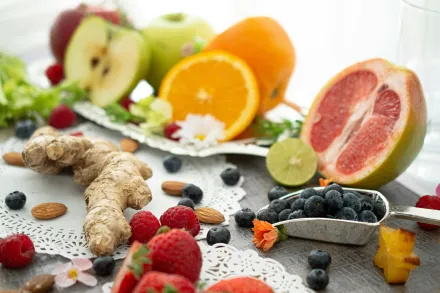
Inflammation is a natural and essential process that the body uses to protect itself from injury, infection, and stress. It is an intricate orchestra of immune signaling, cellular responses, and biochemical cascades designed to identify and repair damaged tissues. When inflammation is appropriately regulated, it helps heal wounds, fights off pathogens, and contributes to tissue remodeling. Yet when inflammation becomes chronic or misdirected, it can contribute to a broad range of health concerns from metabolic disturbances and cardiovascular risk to joint discomfort and mood irregularities. The foods we eat interact with this system in nuanced ways, influencing how readily inflammatory pathways are activated or dampened. The central idea behind dietary strategies for inflammation is not to suppress the immune system, but to support a balanced, efficient, and well-regulated inflammatory response that serves lasting health rather than chronic disarray. In practical terms, this means choosing foods that lower oxidative stress, support gut health, provide anti-inflammatory phytonutrients, and replace or reduce highly processed items that tend to push the system toward ongoing low‑grade inflammation. A thoughtful dietary pattern can shape the inner environment in ways that help the body maintain harmony between attack and repair rather than tipping toward persistent alarm signals.
From a physiological perspective, several pillars support a favorable inflammatory milieu. Omega‑3 fatty acids, certain polyphenols, diverse fiber sources, and a spectrum of micronutrients participate in signaling networks that curb excessive inflammatory responses. Fiber acts as nourishment for a healthy gut microbiome, which in turn produces metabolites that influence immune cells and systemic inflammation. Polyphenols, a broad family of plant compounds found in colorful fruits and vegetables, greens, herbs, and whole grains, can modulate enzyme activity, gene expression, and cellular resilience to stress. Healthy fats, especially those coming from fish, flaxseeds, chia seeds, and olive oil, provide lipid mediators that help resolve inflammation and restore tissue integrity after injury. In this broader context, foods do not simply “fight inflammation” in a vacuum; they contribute to an integrated lifestyle approach where sleep, physical activity, and stress management synergize with dietary choices to keep inflammatory responses appropriate to the situation.
To translate these ideas into everyday eating, it helps to recognize that inflammation is not a static label but a dynamic state that shifts with meals, activity, and environment. A meal packed with refined carbohydrates, added sugars, and ultra‑processed fats can spike blood sugar and trigger transient inflammatory responses. Conversely, a plate that emphasizes minimally processed ingredients, plant diversity, and moderate portions can support a steady, well-regulated inflammatory profile. The challenge and opportunity lie in cultivating a pattern that consistently delivers rich, nutrient-dense foods while limiting elements that may unintentionally perpetuate oxidative stress and inflammatory signaling. Guided by this understanding, the remainder of this article explores specific food categories, their mechanisms, and practical ways to weave them into daily life so that inflammation levels remain balanced and conducive to long‑term vitality.
The Role of Fiber and Plant Compounds
Dietary fiber is one of the most powerful and accessible tools for modulating inflammation. A diverse array of fibers from vegetables, fruits, legumes, whole grains, seeds, and nuts nourishes a thriving gut microbiome. As gut microbes ferment fiber, they generate short-chain fatty acids such as butyrate that help sustain the intestinal barrier, reduce endotoxemia, and temper inflammatory responses. This chain of events contributes to lower systemic inflammatory markers and improved metabolic health. The key is variety: different fibers feed different microbial communities, creating a resilient ecosystem that can adapt to fluctuations in diet and stress. Even modest increases in fiber intake, achieved through simple swaps like adding a handful of beans to a meal, including more vegetables at lunch, or choosing whole‑grain options over refined grains, can shift the gut milieu in meaningful ways over weeks and months.
In addition to fiber, plant‑based foods bring an array of anti-inflammatory phytochemicals that function through multiple pathways. Polyphenols such as anthocyanins in berries, quercetin in apples and onions, catechins in tea, and curcumin in turmeric have been studied for their capacity to modulate inflammatory enzymes and signaling molecules. These compounds can dampen the activity of inflammatory transcription factors, stabilize cell membranes, and reduce oxidative stress that would otherwise amplify inflammatory cascades. Beyond polyphenols, carotenoids from colorful produce, sulfur compounds from cruciferous vegetables, and gentle bitter compounds from leafy greens all contribute to a broad spectrum of anti‑inflammatory actions. A dietary approach rich in varied plant foods tends to yield a more durable and comprehensive modulation of inflammation than any single nutrient alone.
From a practical standpoint, this means prioritizing vegetables and fruits with strong color and robust texture, embracing a wide range of legumes, whole grains, and nuts, and pairing them with herbs that enhance flavor and nutritional punch. The sensory diversity of plant foods also makes such meals more satisfying, reducing the likelihood of grazing on ultra‑processed items that can undermine inflammation management. By consciously weaving fiber and plant compounds into meals and snacks, you reinforce a natural, meal‑based strategy to support healthy inflammatory levels, while still enjoying variety, flavor, and cultural richness.
Heart-Healthy Fat Sources That Calm Inflammation
Healthy fats occupy a central place in inflammatory balance. Omega‑3 fatty acids, particularly EPA and DHA, have a well‑documented capacity to temper inflammatory signaling and help membranes maintain fluidity and responsiveness under stress. Fatty fish such as salmon, sardines, mackerel, and trout stand out as reliable, tasty sources of these fats. For those who prefer plant‑based options, flaxseeds, chia seeds, walnuts, and algae‑based supplements provide meaningful quantities of omega‑3 fatty acids, though the type and ratio differ. Incorporating these fats into meals—whether as a drizzle of extra virgin olive oil, a handful of walnuts across a salad, or a serving of fatty fish with vegetables—contributes to a balanced inflammatory milieu by providing precursors that resolve inflammation more efficiently and help return tissues to a resting state after immune activation.
Olive oil, especially extra virgin varieties, offers monounsaturated fats and polyphenols that support heart and vascular health while shaping anti‑inflammatory pathways. Its distinctive fatty profile can replace saturated fats in cooking and dressings, delivering not only flavor but also biochemical benefits. Avocado, another source of monounsaturated fats, pairs well with leafy greens and grains, creating comforting, nutrient‑dense meals. Nuts such as almonds, Brazil nuts, and pistachios supply healthy fats alongside fiber and minerals that collectively modulate insulin sensitivity and inflammatory signaling. The overarching message is simple: favor high‑quality, minimally processed fats as anchors of meals, and aim to balance omega‑3 intake with careful attention to the overall fat profile to facilitate a harmonious inflammatory response.
Balancing fats also means choosing cooking methods that preserve the integrity of fats and minimize oxidation. Gentle heating, avoiding repeated high‑heat frying, and pairing fats with antioxidant‑rich vegetables can help ensure that fats support anti‑inflammatory processes rather than contributing to oxidative stress. When used thoughtfully, fats become not only a source of energy but also an integral tool for sustaining a healthy inflammatory landscape that supports cardiovascular and overall health.
Antioxidant Powerhouses: Berries, Leafy Greens, and Colorful Produce
Berries such as blueberries, strawberries, raspberries, and blackberries stand out for their high polyphenol content, particularly anthocyanins, which have demonstrated anti‑inflammatory properties in various models. These compounds help modulate inflammatory enzymes and can support the integrity of blood vessels and neural tissue in the face of oxidative stress. Beyond berries, a spectrum of colorful produce—leafy greens like spinach and kale, cruciferous vegetables such as broccoli and Brussels sprouts, and vibrant peppers and tomatoes—contributes a rich array of antioxidants that work synergistically. Regular consumption of a variety of colored vegetables and fruits is associated with lower markers of inflammation and improved antioxidant status.
Leafy greens provide not only fiber but also minerals, vitamins, and phytochemicals that influence immune cell behavior and reduce chronic inflammatory risk. Kale and collard greens deliver substantial amounts of vitamin K, magnesium, and lutein, all of which support cellular resilience. Cruciferous vegetables offer compounds like sulforaphane that help bolster detoxification pathways and dampen inflammatory signaling. Carotenoids from orange and yellow produce, along with lycopene from tomatoes, contribute to cell membrane stability and free-radical scavenging. A plate that offers a spectrum of these plant‑based nutrients tends to promote a steady inflammatory profile, making it easier to maintain energy and mood through the day while resisting inflammatory spikes.
In practice, this translates into meals that feature a generous portion of vegetables, a handful of berries or other colored fruits, and a thoughtful mix of greens across the week. The goal is not perfection but consistency, ensuring that the body regularly receives a broad nutrient base that supports inflammatory regulation over time. For many people, this approach also aligns well with dietary preferences and cultural flavors, turning anti‑inflammatory eating into a sustainable lifestyle rather than a rigid regimen.
Spices and Seasonings with Inflammatory Modulators
Spices and herbs are small but mighty contributors to inflammatory health. Turmeric, with its active component curcumin, has long been studied for its potential to dampen inflammatory enzymes and modulate signaling pathways associated with chronic inflammation. When turmeric is consumed with black pepper, the absorption of curcumin increases, enhancing its potential impact. Ginger, another powerful anti‑inflammatory agent, contains compounds such as gingerols and shogaols that may help reduce the production of proinflammatory molecules and support digestive comfort. Garlic and onions provide sulfur-containing compounds that participate in immune regulation and anticoagulation balance, adding both flavor and functional benefits to meals. Cinnamon, clove, and other warm spices bring not only aroma but also polyphenols that contribute to oxidative balance and inflammatory control.
Incorporating these seasonings into everyday cooking is a practical route to elevate meals without adding extra calories or synthetic additives. A curry, a vegetable stir‑fry, a roasted vegetable medley, or a simple grain bowl can be transformed by generous use of turmeric, ginger, garlic, and a touch of cinnamon. The cumulative impact of these spices becomes more meaningful when they are part of a larger dietary pattern that emphasizes plant foods, healthy fats, and high‑quality proteins. The habit of seasoning with purpose can thus become a quiet though powerful ally in maintaining a balanced inflammatory state.
Fermented Foods and Gut Health
The gut microbiome acts as a central hub linking dietary inputs to systemic inflammation. Fermented foods provide beneficial microbes and fermentation metabolites that support microbial diversity and resilience. Yogurt and kefir supply live cultures that can improve gut barrier function and modulate immune responses. Fermented vegetables like sauerkraut, kimchi, and pickles offer probiotics and compounds that can influence gut ecology, digestive comfort, and inflammatory signaling. While the precise effects can vary between individuals, an overall pattern emerges: a habit of moderate fermented foods often accompanies improvements in gut health and a tendency toward a less inflammatory milieu.
Beyond live cultures, fermentation introduces bioavailable nutrients and organic acids that support digestion and nutrient absorption. When these foods appear regularly in a diet, they encourage a more adaptable microbiome capable of producing metabolites that support immune regulation. This does not mean every meal must include fermented items, but consistent integration—paired with fiber-rich plant foods and healthy proteins—can contribute to a robust gut environment. As with other dietary strategies, personal preference and tolerance matter; some people respond more strongly than others, but the potential for benefit makes fermented foods a compelling component of an anti‑inflammatory eating plan.
Hydration and Beverages that Support Inflammation Balance
Hydration is a foundational, often underestimated aspect of health that indirectly influences inflammation. Adequate fluid intake supports digestion, circulation, and metabolic efficiency, reducing the likelihood of concentration of inflammatory byproducts. Water is the central default, but smart beverage choices can further assist in maintaining balance. Green tea, with its catechins and polyphenols, has been associated with anti‑inflammatory effects and antioxidant support, particularly when consumed regularly as part of a broader dietary pattern. Coffee, consumed in moderation for most adults, may also contribute to inflammatory regulation due to its complex array of polyphenols and bioactive compounds, though individual tolerance and sleep quality should guide intake. Herbal infusions and low‑sugar beverages can be included as well, adding variety without introducing excess sugars or additives. The overarching principle is that beverages should complement the meal plan, support hydration, and avoid spikes in insulin and inflammatory markers that can accompany sugary drinks or highly processed formulations.
Healthy hydration choices also include meals that emphasize water‑rich vegetables and soups, which add moisture, texture, and micronutrients without excessive calories. By making drinks an ally rather than a separate indulgence, a person can sustain a measured inflammatory profile while enjoying savory, comforting meals. The cumulative effect of mindful hydration is a body that processes inflammatory signals with greater steadiness, especially when combined with nutrient‑dense foods, regular activity, and sufficient sleep.
Whole Grains and Legumes for Steady Inflammation Control
Whole grains and legumes represent a durable backbone for an anti‑inflammatory dietary pattern. Whole grains such as oats, barley, bulgur, quinoa, and brown rice deliver complex carbohydrate energy alongside fiber, minerals, and phytochemicals. Their slower digestion helps stabilize blood sugar, reducing post‑prandial spikes that can transiently raise inflammatory markers. It is not merely the presence of fiber that matters but the variety of grain types; different grains bring distinct micronutrients and bioactive compounds that collectively support immune balance.
Legumes—including beans, lentils, and chickpeas—offer a potent combination of plant protein, fiber, and resistant starch that supports gut microbial diversity and fosters a slower, more even metabolic tempo. When legumes replace more refined carbohydrate staples, meals tend to create a favorable metabolic environment with reduced inflammatory fluctuation. Soaking, sprouting, or fermenting legumes can improve digestibility for some individuals, further supporting their inclusion in a regular meal routine. The synergy between whole grains and legumes makes for satisfying meals that nourish the body while steering inflammatory processes toward healthful baselines.
Protein Choices and Inflammation Moderation
Proteins are essential, but the source and quality of protein influence inflammatory signaling. Fatty fish bring omega‑3 fats that are particularly effective at modulating inflammatory pathways, supporting heart health, and promoting tissue repair. Plant‑based proteins such as lentils, chickpeas, tofu, tempeh, and certain nuts offer favorable amino acid profiles coupled with fiber and phytonutrients. When possible, pairing plant proteins with whole grains or vegetables creates a complete matrix that supports satiety, glycemic control, and inflammatory balance.
For meat consumers, prioritizing lean, minimally processed options and preparing them with heart‑healthy fats and vegetables can help reduce inflammation compared with highly processed meats or meals rich in refined fats and additives. Cooking methods matter as well; baking, steaming, poaching, and grilling with careful attention to avoid charring reduce the formation of inflammatory compounds linked to certain grilling practices. In sum, a protein strategy that emphasizes fatty fish, legumes, and a spectrum of plant‑based options while moderating red and processed meats supports a more favorable inflammatory environment.
Foods and Habits to Limit or Avoid to Support Inflammation Balance
To maintain a healthy inflammatory level, it is prudent to reduce or minimize items that have a well‑established association with increased inflammatory markers when consumed frequently in excess. These include highly processed foods that carry refined carbohydrates, added sugars, and pro‑inflammatory fats; frequent consumption of sugary beverages can drive insulin resistance and oxidative stress, creating a backdrop for chronic inflammation. Trans fats, though increasingly restricted, can still appear in some processed snacks and fast foods and should be avoided or minimized due to their tendency to promote inflammatory pathways. Refined grains, highly salted snacks, and ultra‑processed substitutes often displace nutrient‑dense options and can erode the body’s ability to regulate immune signaling effectively.
The practical takeaway is not a perpetual list of no’s but a strategy to maximize whole, minimally processed foods while reducing reliance on items that contribute to inflammatory noise. This approach supports lung, brain, heart, and joint health by sustaining metabolic balance and lowering the burden on the immune system. A flexible mindset helps: allow enjoyment and social meals while repeatedly choosing foods that supply fiber, micronutrients, and phytonutrients, particularly on days when activity levels are high or sleep has been compromised.
Putting It All Together: A Practical, Flavorful Plan
Creating a practical, enjoyable dietary pattern that supports healthy inflammation levels involves weaving together the elements discussed above into a coherent daily rhythm. Begin with a base of vegetables and plant‑forward meals that emphasize a rainbow of produce, high‑fiber grains, and a regular inclusion of legumes. Introduce fatty fish a few times each week or rely on plant‑based omega‑3 sources to balance fats and reinforce anti‑inflammatory mediators. Use olive oil as a leading fat for dressings, cooking, and finishing, and incorporate nuts for texture, protein, and minerals. Flavor with turmeric, ginger, garlic, and a spectrum of herbs to reduce reliance on salt while delivering compounds that may assist in inflammatory regulation. Brush meals with vibrant berries and citrus, and aim for daily hydration with water and unsweetened beverages that support digestion and nutrient absorption.
For week‑to‑week planning, alternate meals that feature grain‑legume combinations with those built around fish or plant proteins, ensuring that vegetables accompany every plate. A typical day can begin with oats or quinoa topped with berries, nuts, and a dollop of yogurt or plant‑based yogurt to balance flavor and probiotics. Lunch could consist of a large leafy green salad with colorful vegetables, chickpeas or beans, a piece of grilled fish or tofu, and a dressing made with olive oil and lemon. Dinner might present a bowl of whole grains like barley or farro with roasted vegetables, a protein source, and a liberally seasoned sauce of garlic, turmeric, and herbs. Snacks become opportunities to include fruit, a handful of nuts, or a cup of yogurt or kefir.
Thematic adaptation is essential for sustainability. People with different culinary traditions may emphasize regional staples while still aligning with inflammation‑friendly principles. For example, a Mediterranean pattern might center on vegetables, legumes, olive oil, and seafood, while a Southeast Asian pattern could highlight vegetables, herbs, rice or quinoa, fermented foods, and lean proteins. The universal thread is the emphasis on color, fiber, healthy fats, and a broad spectrum of phytonutrients that collectively support immune balance and tissue resilience. It is also important to monitor portion sizes and overall energy intake, since excess calories, even from healthy foods, can contribute to adipose tissue inflammation if energy balance consistently tilts toward surplus. With thoughtful planning, meals become a reliable bridge between enjoyment and science, turning anti‑inflammatory eating into a lasting lifestyle.