Oxidative stress and the significance of antioxidants
In the modern world the air we breathe, the foods we eat, and the stresses we endure can collectively tilt the body's balance toward a state known as oxidative stress. This condition arises when the production of reactive oxygen species, reactive nitrogen species, and other free radicals outpaces the body's capacity to neutralize them with antioxidant defenses. When oxidative stress persists, it can damage cells, lipids, proteins, and DNA, contributing to aging and a range of chronic diseases such as cardiovascular disorders, neurodegenerative conditions, and metabolic syndromes. Yet the body has a remarkable arsenal to counteract these assaults, including enzymes, antioxidant minerals, and a diverse family of plant-derived compounds widely present in our daily meals. The strategic inclusion of antioxidant-rich foods can help harness this natural defense system, promoting redox balance, dampening inflammation, and supporting cellular repair mechanisms. Rather than relying on a single magic bullet, a steady pattern of nutrient-dense choices can cultivate a resilient antioxidant network that complements healthy lifestyle habits. It is not merely about chasing a list of vitamins; it is about recognizing how a tapestry of foods works together to modulate oxidative signals, improve mitochondrial function, and reduce the burden of oxidative damage over time.
Key nutrients that combat oxidative stress
Vitamin C, a water-soluble powerhouse, acts not only as a direct scavenger of free radicals but also as a regenerating partner for other antioxidants, particularly vitamin E. Its presence in citrus fruits, kiwi, berries, bell peppers, and leafy greens supports the integrity of collagen in blood vessels and skin while assisting enzymes involved in detoxification processes. Because the body cannot synthesize this nutrient, it relies on dietary sources to maintain adequate levels, and a varied intake across meals helps cushion against periods of low availability. Vitamin C's ability to diffuse rapidly through aqueous environments and its involvement in immune support add layers of benefit, particularly when consumed in the context of a balanced diet rich in plant foods. Simultaneously, vitamin E, a fat-soluble vitamin, protects lipid membranes from oxidative injury, complementing the aqueous activity of vitamin C. Nuts, seeds, vegetable oils, avocado, and some green leafy vegetables provide vitamin E, and together these two vitamins create a robust front line that helps preserve cell membranes during periods of oxidative challenge. The two vitamins often work in concert, with vitamin C regenerating oxidized vitamin E after it has neutralized a radical, thereby sustaining the antioxidant shield.
Carotenoids and other colorful pigments such as beta-carotene, lycopene, lutein, and zeaxanthin contribute to the defense against oxidative stress by quenching singlet oxygen and influencing gene expression related to antioxidant defenses. Cooking and fat-containing meals can enhance the bioavailability of these compounds, particularly lycopene in tomatoes and certain red fruits, while a varied intake of leafy greens, orange and yellow fruits, and colorful vegetables ensures a spectrum of carotenoids. Beyond their antioxidant activity, carotenoids play roles in eye health, immune function, and skin integrity, offering additional layers of protection that extend beyond redox chemistry alone. A diet rich in these pigments often signals a broader pattern of colorful, plant-based foods that synergize with other nutrients, minerals, and phytochemicals to support cellular resilience.
Polyphenols comprise a broad family of plant compounds that includes flavonoids, phenolic acids, lignans, and stilbenes. They are potent antioxidants with multiple mechanisms, including scavenging radicals, modulating enzyme systems, and influencing cell signaling pathways such as mitogen-activated protein kinases and the nuclear factor kappa B pathway. Regular consumption of tea, cocoa, berries, apples, onions, and colorful vegetables supplies flavonoids like quercetin, catechins, and anthocyanins that can dampen inflammatory responses and improve endothelial function. Polyphenols also interact with the gut microbiota, producing metabolites that may further enhance antioxidant capacity and systemic metabolism. The net effect is a softer oxidative profile, more stable inflammatory tone, and improved metabolic flexibility that supports health across different life stages.
Selenium and zinc are trace minerals with outsized influence on the body's antioxidant enzyme systems. Selenium is a vital component of glutathione peroxidases and other selenoproteins that help neutralize hydrogen peroxide and organic peroxides, thereby protecting cells from lipid and protein damage. Zinc contributes to the function of copper-zinc superoxide dismutase and supports various detoxification and metalloprotein processes that help maintain redox balance. Dietary sources such as nuts, whole grains, seafood, and legumes provide these minerals in forms that are readily absorbed when eaten as part of a balanced meal. Adequate intake of these micronutrients supports enzyme integrity and helps ensure that antioxidant defenses remain responsive under stress.
Omega-3 fatty acids, particularly EPA and DHA, contribute to oxidative balance through their anti-inflammatory actions and membrane-stabilizing effects. By tempering inflammatory cascades that can amplify oxidative stress, omega-3s indirectly reduce the generation of reactive species associated with chronic inflammation. Fatty fish such as salmon, sardines, and trout are excellent sources, while flaxseeds, chia seeds, and walnuts provide plant-based ALA that can be converted in small amounts to EPA and DHA. Because omega-3s are fats, incorporating them in the context of meals that also supply antioxidants enhances their protective capacity, supporting cardiovascular and metabolic health while contributing to a calmer oxidative milieu.
Fruits and vegetables rich in antioxidants
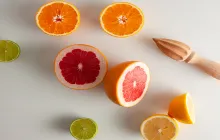
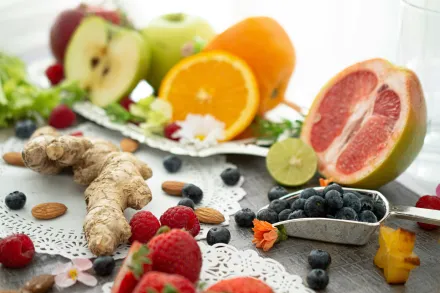
Berries, with their abundant anthocyanins and other polyphenols, consistently demonstrate a capacity to improve markers of oxidative stress in diverse populations. Regularly including blueberries, strawberries, raspberries, and blackberries can help modulate lipid peroxidation and support vascular function. The natural sugars in fruits are accompanied by fiber, water, and a host of phytochemicals that together create a favorable digestive and metabolic environment. Citrus fruits bring a strong vitamin C pulse along with flavanones that may influence antioxidant enzymes and inflammatory mediators. A daily mix of citrus, stone fruits, and a handful of berries can furnish a steady inflow of protective compounds without overwhelming caloric balance.
Leafy greens such as spinach, kale, and arugula offer a generous supply of chlorophyll, carotenoids, folate, and minerals that participate in redox reactions and DNA repair pathways. The vibrant green hues signal a spectrum of antioxidant traits that complement cruciferous vegetables, which house sulfur-containing compounds like sulforaphane that activate cellular defense systems. Cruciferous vegetables can gradually modulate phase II detoxification enzymes, potentially enhancing the body's ability to neutralize toxins that would otherwise contribute to oxidative stress. Tomatoes and red peppers contribute lycopene and beta-carotene, pigments that accumulate with cooking and fat in the diet, further reinforcing the antioxidant mosaic.
Citrus and other colorful fruits supply a medley of compounds including hesperidin, naringenin, and a suite of terpenes that support capillary health and reduce oxidative insults to tissues. Consuming a variety of fruits ensures that different polyphenol classes are present, creating complementary effects rather than relying on a single molecule. In this sense, the visual diversity of a fruit-heavy plate echoes a deeper biochemical diversity that helps maintain redox homeostasis across organs and tissues.
Cruciferous vegetables offer a distinct mechanism beyond direct scavenging: their sulfur-containing compounds can influence the activity of transcription factors that govern antioxidant gene expression. This means that regular serving of broccoli, Brussels sprouts, cauliflower, and cabbage may foster endogenous antioxidant production, improving resilience to everyday oxidative challenges. Combined with other plant foods, these vegetables form a robust component of a diet that supports long-term cellular health and reduces the oxidative burden associated with aging processes.
Herbs and spices with powerful antioxidant effects
Turmeric contains curcumin, a polyphenolic compound that has drawn attention for its anti-inflammatory and antioxidant properties. Dietary turmeric can help attenuate oxidative markers and may modulate signaling pathways related to mitochondrial function and cellular stress responses. The effectiveness of curcumin is enhanced when consumed with a small amount of fat and black pepper, which contains piperine to improve bioavailability. Integrating turmeric into curries, soups, rice dishes, and vegetable preparations allows for a steady, flavorful intake that complements other protective nutrients in meals.
Garlic and onions are part of many traditional meals and offer sulfur compounds such as allicin that contribute to antioxidant defenses and modulate inflammatory pathways. These allium vegetables can support enzyme systems involved in neutralizing reactive species and may influence cardiovascular risk factors when consumed regularly as part of diverse dietary patterns. The depth of flavor they provide also encourages the consumption of vegetables and legumes, enhancing overall diet quality.
Ginger, a spice with warm, aromatic notes, contains gingerols and related polyphenols that exhibit antioxidant activity and can help balance oxidative processes associated with aging and metabolic stress. Including ginger in teas, soups, marinades, and stir-fries provides a sensory-rich route to obtain protective compounds while supporting digestion and satiety in meals. Oregano and cloves bring additional polyphenols and essential oils that contribute to the cumulative antioxidant effect of meals, especially when used as part of a varied herbaceous profile.
Cinnamon, frequently used in both sweet and savory dishes, contains cinnamaldehyde and other phenolics that can influence lipid peroxidation and inflammatory signaling. When used in moderation as part of a balanced diet, it adds depth of flavor and can contribute to the daily intake of plant-based antioxidants without relying on processed sweeteners. Together these herbs and spices create a culinary ecosystem that enhances the antioxidant landscape of everyday cooking, turning simple meals into potent allies against oxidative stress.
The role of beverages in reducing oxidative stress
Green tea is enriched with catechins, particularly epigallocatechin gallate, which have demonstrated antioxidant and anti-inflammatory effects in laboratory and clinical studies. Consuming a couple of cups daily can contribute to a gentle, ongoing antioxidant exposure that supports vascular health, metabolic balance, and brain function. The ritual of drinking tea can also promote mindful eating and hydration, reinforcing healthy dietary habits that magnify the benefits of other protective foods.
Coffee, in moderate amounts, offers a suite of polyphenols and chlorogenic acids that can help reduce oxidative markers and improve insulin sensitivity in some populations. While caffeine content varies, many people find that a reasonable daily portion pairs well with a breakfast or mid-morning break and complements a diet rich in fruits, vegetables, and whole grains. It is important to monitor individual tolerance and to avoid adding excessive sugar or cream that could offset the positive antioxidant impact.
Red wine, when consumed moderately and within the context of a Mediterranean-style pattern, provides resveratrol and other polyphenols that may contribute to cardiovascular protection and antioxidant capacity. However, alcohol should be approached with caution, as excessive intake can increase oxidative stress and negate benefits. Nonalcoholic options such as pomegranate juice, tart cherry juice, or grape seed extracts can offer similar polyphenol-rich profiles without alcohol-related risks. Hibiscus tea and other herbal infusions add variety and plant-based antioxidants while supporting hydration.
Nuts, seeds, legumes, and whole grains as sources of antioxidants
Walnuts and almonds bring a combination of healthy fats, vitamin E, and polyphenols that help stabilize cell membranes and neutralize free radicals. Their nutty richness pairs well with vegetables, whole grains, and legumes to create meals that satisfy appetite while delivering a steady stream of protective compounds. Seeds such as flax, chia, and pumpkin provide lignans, phytoestrogens, and essential minerals that contribute to reduced oxidative stress and improved lipid profiles. When ground or incorporated into meals, their bioactive components become more accessible, enhancing each bite with protective synergy.
Legumes, including lentils, chickpeas, and beans, offer a robust antioxidant profile via polyphenols, flavonoids, and minerals such as zinc and selenium. They also provide dietary fiber that supports gut health, which in turn can influence systemic inflammation and oxidative status through microbial metabolites. Incorporating legumes into soups, stews, salads, and side dishes broadens the array of antioxidants encountered across a week. Whole grains like oats, barley, quinoa, and brown rice contribute B vitamins, minerals, and phytochemicals that help preserve mitochondrial function and reduce oxidative triggers associated with metabolic stress. The combination of grains with vegetables, legumes, and healthy fats creates a durable, antioxidant-rich foundation for daily meals.
In addition to their intrinsic antioxidant content, nuts, seeds, and whole grains support satiety and energy balance, which may indirectly reduce oxidative pressure by preventing overeating and promoting steady glucose control. The structural diversity they offer—crunch, creaminess, and texture—encourages culinary experimentation, enabling people to sustain long-term dietary changes without monotony. When integrated thoughtfully, these plant-based staples form the backbone of a diet that naturally fuels antioxidant defenses while supporting cardiovascular and cognitive health.
Dietary patterns that minimize oxidative stress
Adopting a dietary pattern that emphasizes plant-forward meals with a variety of colors and textures naturally enhances antioxidant intake. A Mediterranean-style approach, characterized by an abundance of vegetables, fruits, legumes, whole grains, olive oil, and moderate amounts of fish, supports a balanced redox state through a combination of polyphenols, healthy fats, and micronutrients. Such a pattern also reduces saturated fat consumption, which can influence oxidative pathways when consumed in excess. The emphasis on fresh, minimally processed foods tends to lower the intake of added sugars and ultra-processed ingredients, which are often associated with increased oxidative stress and inflammatory mediators.
Plant-forward and flexitarian approaches that honor seasonality and local produce further strengthen antioxidant defenses by maximizing nutrient density and phytochemical variety. The strategic use of olive oil as a primary fat source supplies monounsaturated fats and polyphenols that complement the polyphenol-rich plant foods on the plate. Regularly consuming fermented foods can support gut health, and by extension modulate systemic inflammation and oxidative stress through microbial interactions and metabolite production. A dietary pattern grounded in whole foods, careful portioning, and consistent hydration fosters long-term redox balance and reduces the cumulative burden of oxidative damage an individual may encounter over decades.
Practical tips to incorporate antioxidant foods into daily life
Begin by transforming a typical plate into a rainbow of plant-based colors, ensuring that every meal contains a variety of fruits or vegetables, a reliable source of healthy fats, and a protein element that supports tissue repair. When shopping, prioritize whole foods with minimal processing, and aim to include at least one fruit and one vegetable with each meal, along with a handful of nuts or seeds for crunch and mineral support. Cooking methods that preserve nutrients, such as light steaming, sautéing with modest amounts of healthy oil, or gentle roasting, help maintain the integrity of heat-sensitive compounds like vitamin C and certain polyphenols. Experiment with herbs and spices to elevate flavor while delivering additional antioxidant payload; a pinch of turmeric in a vegetable curry or a handful of oregano in a roasted dish can incrementally boost the protective profile of a meal.
Balancing meals to include fiber-rich grains, legumes, or potatoes, along with leafy greens and colorful vegetables, helps create a robust nutrient matrix that supports gut health, metabolic stability, and efficient detoxification. Hydration supports cellular function and can influence the way antioxidants circulate and respond in tissues. If you choose beverages as part of your antioxidant strategy, select unsweetened options such as green tea, herbal infusions, or water enriched with citrus slices to sustain steady intake without adding excess sugar. Small, sustainable changes executed consistently are more impactful than dramatic, short-lived shifts that quickly revert to prior patterns.
The role of lifestyle factors in reducing oxidative stress
Beyond what sits on the plate, daily habits influence the body’s redox balance. Regular physical activity contributes to improved mitochondrial function and adaptive antioxidant responses, while adequate sleep supports the repair of oxidative damage that accumulates during waking hours. Stress management strategies, mindful breathing, and social connectedness all play a role in moderating inflammatory processes that can magnify oxidative stress. In practice, these lifestyle factors interact with diet to shape long-term health outcomes; a person who exercises moderately, rests well, and eats a diverse, antioxidant-dense diet is better positioned to maintain redox homeostasis through the course of aging.
Myths and misconceptions about antioxidant supplements
Many people assume that taking high-dose vitamin pills can substitute for a healthy diet rich in fruits, vegetables, and whole grains. In reality, isolated supplements often fail to replicate the benefits of complex food matrices that deliver a harmonious blend of nutrients and phytochemicals. Some studies have even shown that high-dose supplementation can disrupt natural redox signaling or interact with medications in unpredictable ways. The consensus among nutrition scientists is to prioritize whole foods and modest, evidence-based supplementation only when indicated by a healthcare professional, rather than chasing a universal pill without regard to overall dietary context. This perspective emphasizes the primacy of dietary patterns that naturally foster oxidative balance and resilience.