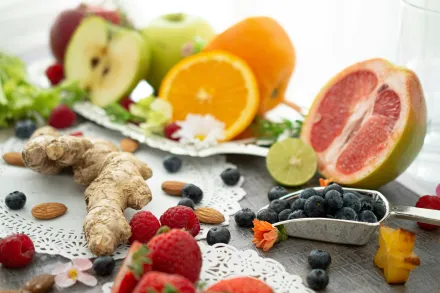
Human immunity operates as a dynamic network that responds to invading viruses with rapid, layered defenses. The most immediate barrier is physical and chemical: the lining of the respiratory and gastrointestinal tracts, mucus, cilia, and antimicrobial peptides. What we eat feeds the cells that compose these barriers, fuels immune cells, and shapes signaling molecules that coordinate responses. Micronutrients such as vitamin C, vitamin D, zinc, and selenium act as cofactors for enzymes and transcription factors that mobilize defenses. Phytochemicals found in colorful plant foods can modulate inflammatory pathways without suppressing necessary responses. Everyday dietary choices therefore influence how quickly and effectively the body can detect, contain, and clear viral threats. Nutrition is not a magic shield, but a steady ally that helps the immune system operate with greater precision and resilience.
Choosing broadly nutrient-dense foods tends to produce more robust guard functions than chasing single miracle ingredients. Fresh citrus fruits and their juice deliver vitamin C alongside flavonoids that support capillary integrity and neutrophil function. Leafy greens supply vitamin A precursors that help mucosal surfaces maintain a protective layer, while mushrooms contribute beta-glucans that may prime immune cells for efficient action. The goal is a balanced mix of high-quality proteins, complex carbohydrates, healthy fats, and a spectrum of plant compounds that work together. When immunity is under stress, a varied plate supports multiple pathways rather than relying on a single nutrient.
Citrus fruits, peppers, and the vitamin C story
Vitamin C supports several essential immune tasks, including the rapid mobilization of neutrophils to sites of infection and the maintenance of mucosal barriers. It also functions as an antioxidant, helping to shield cells from oxidative stress produced during immune activation. Foods rich in vitamin C, such as oranges, grapefruits, lemons, limes, and red bell peppers, deliver a broad spectrum of flavonoids that work in concert with the vitamin to sustain endothelial health and microcirculation. Yet this vitamin is water soluble and dietary requirements rise modestly during illness, so steady, regular intake is preferable to large sporadic doses. A consistent pattern of citrus inclusion can reinforce defenses without overwhelming the body with megadoses.
In practical terms, a couple of servings of citrus or vitamin C rich vegetables across the day can support immune readiness. The whole fruit offers fiber and phytonutrients that aid gut health, which in turn influences systemic immunity through the gut-lung axis. For individuals who may experience stomach sensitivity, supplementing with buffered forms or combining citrus with meals can reduce discomfort while preserving the immune benefits. It is important to balance citrus intake with other vitamin sources to prevent imbalances and to enjoy the bright flavors as part of a diverse culinary routine rather than as a single strategy.
Colorful antioxidants from berries and vegetables
The body’s defense systems benefit from a broad array of antioxidants, many of which come from plant pigments such as anthocyanins, carotenoids, and polyphenols. Berries like strawberries, blueberries, and cranberries deliver a bouquet of compounds that can dampen excessive inflammatory responses while preserving the needed immune vigilance. Colorful vegetables such as carrots, sweet potatoes, and leafy greens provide beta-carotene, lutein, and zeaxanthin that support barrier function and visual and mucosal health. A diet rich in these compounds often correlates with improved resilience to infections, partly by maintaining mucosal integrity and modulating immune signaling in a gentle, balanced manner.
Beyond berries and greens, cruciferous vegetables supply isothiocyanates that may influence detox pathways and immune cell behavior. The synergy of fiber, micronutrients, and polyphenols supports a diverse microbial community in the gut, which in turn educates immune cells and modulates inflammatory responses in distant organs. Regularly including a spectrum of color in meals—red, purple, orange, green, and white—helps ensure that multiple protective pathways are engaged. The result is not a single superfood but a mosaic of nutrients that collectively fortify the body’s resistance to viral challenges.
Garlic, onions, and sulfur compounds
Garlic and onions contain sulfur-containing compounds, such as allicin and allysulphides, that have long been associated with immune benefits and antimicrobial effects. When these vegetables are chopped or crushed, enzymatic reactions release volatile compounds that can modulate immune cell activity, including macrophages and natural killer cells, enhancing their readiness to respond to pathogens. Regular consumption of garlic and onions, as part of a varied diet, can contribute to a resilient inflammatory milieu, supporting the body’s capacity to manage viral incursions without tipping into chronic inflammation.
Equally important is the way these vegetables are prepared. Gentle cooking, soaking, or raw inclusion in meals preserves delicate phytochemicals while consenting to friendly gut bacteria to process fiber and sulfur compounds. The goal is to create meals that carry these flavorful allies into steady routines rather than relying on occasional bursts of heavy seasoning. In a broader sense, sulfur-rich vegetables help diversify the immune-supporting compounds encountered daily, contributing to a robust and balanced immune landscape over time.
Fermented foods and the gut microbiome
The gut hosts a vast community of microorganisms that communicate with immune cells throughout the body. Fermented foods introduce live microbes and fermentation-derived metabolites that shape gut ecology, barrier function, and immune education. Yogurt with live cultures, kefir, sauerkraut, kimchi, miso, and tempeh bring beneficial organisms or substrates that feed them. A diverse microbial community contributes to a steady supply of short-chain fatty acids, which support regulatory T cells and mucosal immunity, while also dampening excessive inflammatory responses that can impair antiviral defenses.
Beyond live cultures, fermented foods can improve gut motility, nutrient absorption, and the maturation of immune cells in the gut-associated lymphoid tissue. When paired with high-fiber, plant-rich meals, these foods create a hospitable environment for beneficial bacteria and their metabolite bouquets. This environment supports the integrity of the intestinal barrier, reducing systemic exposure to microbial products that can trigger inflammatory cascades. In practical terms, incorporating a handful of fermented foods weekly—varied in type and fermentation style—helps cultivate a resilient gut-immune axis that complements other dietary strategies.
Probiotic-rich foods and immune modulation
Probiotics are live microorganisms that confer health benefits when consumed in adequate amounts. Certain strains have demonstrated the capacity to modulate immune responses, enhance barrier function, and reduce the severity of respiratory infections in some populations. The connection between gut microbes and respiratory immunity involves signaling pathways that influence cytokine production, antibody responses, and the activity of immune cells that patrol mucosal surfaces. While probiotics are not a cure, they can be a meaningful adjunct to a nutrient-dense diet that supports immune readiness.
When selecting probiotic-containing foods or supplements, attention to the specific strains, CFU counts, and product quality matters. A diverse intake of fermented foods contributes a mix of microbes, which may be more beneficial than relying on a single strain. In addition to probiotics, dietary fiber acts as a prebiotic, nourishing the beneficial inhabitants of the gut and promoting a balanced microbial ecosystem. Together, these components help maintain a steady supply of signaling molecules that keep immune cells responsive and well-regulated during encounters with viruses.
Medicinal mushrooms and immune-boosting polysaccharides
Certain edible mushrooms have long been valued for their potential to influence immune function through bioactive polysaccharides such as beta-glucans. Mushrooms like shiitake, maitake, reishi, and chaga are studied for their ability to modulate innate immune cells, enhance their phagocytic activity, and support adaptive responses without provoking excessive inflammation. The effects are often subtle and context-dependent, rooted in long-term dietary patterns rather than immediate, dramatic changes after a single meal.
In culinary practice, mushrooms offer a versatile way to diversify protein sources while adding minerals and trace elements that complement other immune-supporting foods. The goal is not to rely solely on mushrooms but to weave them into a nutrient-rich tapestry that also includes colorful vegetables, lean proteins, and healthy fats. Regular incorporation of a variety of mushrooms can contribute to a broader immune repertoire and may help the body respond more efficiently to viral exposures over time.
Healthy fats, olive oil, nuts, and the lipid environment of immunity
Fat is essential for the absorption of fat-soluble vitamins and for the synthesis of signaling molecules that guide immune responses. Emphasizing healthy fats—especially monounsaturated fats from olive oil and omega-3 fatty acids from fatty fish, walnuts, and flaxseeds—supports anti-inflammatory balance and cell membrane integrity. This lipid environment influences the function of immune cells, including T cells and dendritic cells, and can affect how the body orchestrates antiviral defenses. Extra virgin olive oil, in particular, contains polyphenols that can modulate inflammatory signaling without dampening necessary protective responses.
In practice, a dietary pattern that favors olive oil as the main culinary fat, along with a regular intake of tree nuts, seeds, and fatty fish, fosters a milieu in which immune cells operate with flexibility and restraint. This approach complements high-fiber plant foods and fermented products, building a comprehensive nutritional foundation that supports barrier function, gut health, and systemic immune competence across seasons and life stages.
Herbal allies: ginger, turmeric, and other anti-inflammatory components
Ginger and turmeric contain bioactive compounds such as gingerols and curcuminoids that exhibit anti-inflammatory and antioxidant properties. These compounds may help temper chronic low-grade inflammation that can interfere with immune efficiency while preserving the ability to mount a robust response to pathogens. Incorporating small amounts of fresh ginger in teas, soups, or stir-fries and adding turmeric to curry dishes or rice preparations provides a flavorful, bidirectional health benefit that evolves with habitual use.
Other herbs and spices—garlic, black pepper, cinnamon, and oregano—contribute additional bioactive molecules that can modulate inflammatory signaling pathways and enhance the palatability of meals that are rich in vegetables and whole grains. The cumulative effect of these herbal allies is not to suppress immunity but to support a well-regulated immune system that makes efficient, measured responses to viral challenges while minimizing collateral tissue damage.
Green tea, cocoa, coffee, and polyphenol diversity
Green tea brings catechins and other polyphenols that have modest antioxidant and anti-inflammatory effects, potentially supporting immune defense without overstimulating inflammatory pathways. Cocoa and dark chocolate offer flavanols that can improve endothelial function and circulatory health, indirectly assisting immune cells by ensuring tissues receive oxygen and nutrients efficiently. Coffee contributes caffeine and chlorogenic acids that may influence metabolism and mood, both of which can affect the body’s resilience to infection through stress response systems.
Beyond caffeine-containing beverages, the underlying message is moderation and diversity. A daily pattern that includes a variety of polyphenol-rich beverages and foods fosters a broad spectrum of antioxidant and anti-inflammatory activities. This approach helps maintain a flexible immune system that can adapt to different viral exposures and environmental stresses, rather than pushing the body toward a single, narrow response pattern.
Vitamin D sources from foods and the interplay with sunlight
Vitamin D plays a central role in bridging innate and adaptive immunity, supporting barrier integrity and the function of immune cells such as macrophages and T lymphocytes. Food sources include fatty fish like salmon and mackerel, fortified dairy or plant-based milks, egg yolks, and fortified cereals. While sunlight exposure remains a critical driver of vitamin D synthesis in the skin, dietary intake can help fill seasonal gaps and accommodate diverse lifestyles. A diet that includes vitamin D-rich foods contributes to a baseline level that supports antiviral defenses during periods of heightened viral circulation.
It is important to calibrate expectations about vitamin D through food alone; supplementation may be appropriate for some individuals under professional guidance, particularly in regions with limited sun exposure. The key message is that nutrition and lifestyle choices converge to modulate vitamin D status, which in turn can influence how efficiently the immune system detects and responds to viruses while maintaining tissue health and reducing excessive inflammatory responses.
Hydration, electrolytes, and immune function
Hydration is not glamorous, but it is foundational to mucosal function, circulation, and cellular metabolism. Sufficient water intake supports the viscosity of mucus, the mobility of cilia, and the transport of immune cells through the bloodstream. Electrolytes such as potassium, magnesium, and calcium participate in signaling events that regulate muscle function, nerve activity, and the immune response itself. A well-hydrated body preserves the efficiency of defense mechanisms and reduces the risk of dehydration-related cognitive and physical fatigue during viral challenges.
Beyond plain water, beverages that contribute to hydration can also carry nutrients that support immunity when consumed in moderation. Unsweetened herbal infusions, diluted fruit juices, and broths provide minerals and trace elements alongside hydration. The overarching principle is simple: consistent hydration and balanced electrolytes support the environments in which immune cells operate, enabling swift and coordinated responses to viruses while reducing the likelihood of functional impairments caused by dryness or poor circulation.
Fiber and gut-brain-immune axis education
Dietary fiber nourishes the gut microbiota, shaping the production of short-chain fatty acids that support regulatory immune cells and gut barrier integrity. A diverse array of plant fibers—from beans and lentils to whole grains and vegetables—fuels microbial communities that teach the immune system to distinguish friend from foe. This education is not only local to the gut; it reverberates through the body, influencing the lungs, skin, and distant tissues via immune signaling networks. A high-fiber diet provides substrates for beneficial microbes even during times of stress, promoting resilience.
From a practical perspective, gradually increasing fiber intake through a mix of legumes, whole grains, vegetables, fruits, and seeds helps cultivate a stable microbiome. Pairing fiber-rich foods with fermented products and adequate hydration ensures that gut bacteria thrive and that their metabolic products support immune homeostasis. The outcome is a more robust platform for antiviral defense that is built on microbial balance and nutrient diversity rather than dietary rigidity.
Sleep, stress management, and the nutrition connection
Nutrition does not operate in isolation; sleep quality, physical activity, and stress levels profoundly shape immune readiness. Chronic sleep loss and elevated stress hormones can blunt the production of essential immune mediators, even when the diet is nutrient-rich. A restorative sleep pattern supports nocturnal immune processes, including the maintenance of lymphocyte populations and the clearance of metabolic waste that can influence inflammatory tone. Conversely, a well-timed, balanced diet provides steady energy and micronutrient availability that supports cognitive function and emotional regulation, which in turn reduces the physiological toll of stress.
Practically, aligning meals with regular sleep-wake cycles, avoiding heavy late-night meals, and prioritizing nutrient-dense choices throughout the day creates a feedback loop that strengthens immune function. When life gets busy, keeping a journal of mood, sleep, and energy alongside meals can reveal correlations that guide adjustments, such as adding zinc-rich foods during stressful periods or ensuring adequate omega-3 intake during winter months when viral exposure tends to rise.
Daily meal patterns and practical routines for immune readiness
Consistency matters for immune health. A daily pattern that emphasizes a balanced plate at each meal—lean proteins, abundant vegetables, whole grains, healthy fats, and a variety of herbs and spices—provides a stable supply of nutrients and bioactive compounds. Rather than chasing fleeting trends, it is wise to create a routine that supports taste pleasure, satiety, and nutrient diversity. In this framework, meals become opportunities to deliver a broad spectrum of micronutrients, phytochemicals, and probiotics that collectively reinforce immune competence over time.
From a practical standpoint, planning meals around seasonal produce, rotating protein sources, and including at least one fermented product or probiotic-rich food weekly can sustain a resilient gut-immune axis. Hydration, mindful consumption, and reasonable portion sizes help prevent metabolic stress that can undermine immune performance. A steady, enjoyable nourishment rhythm fosters long-term health benefits that extend beyond any single viral season and contribute to overall well being through the cycles of life.