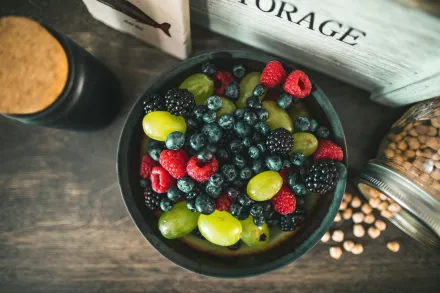
In the realm of health and nutrition, immune memory stands as a quiet guardian that remembers previous encounters with pathogens and responds more swiftly upon re exposure. The idea that certain foods can influence this memory is not about a magic bullet but about a layered interaction among nutrients, the gut microbiome, and the cellular machinery that governs how memory B cells and memory T cells are formed, maintained, and recalled. When we eat a diverse array of nutrient dense foods, we support the energy economy of immune cells, promote an environment that favors balanced inflammation, and nurture the epigenetic signals that help memory cells persist and respond rapidly when the immune system meets a familiar foe again. This article explores how foods that bolster immune memory come from a spectrum of nutrients, bioactive compounds, and microbial allies, and how everyday dietary choices can shape long term immune competence rather than simply provide a quick boost during an illness.
Understanding Immune Memory in the Body
Memory in the immune system refers to the lasting and rapid response capacity of certain lymphocytes after an initial challenge. Memory B cells remember the structure of antigens and can quickly produce specific antibodies, while memory T cells remember the functional aspects of previously encountered threats and can orchestrate a faster and more tailored response. This memory is forged in germinal centers inside lymph nodes and the spleen, where B cells undergo affinity maturation and class switching, guided by helper T cells and signals from dendritic cells. Diet can influence this intricate process by supplying the energy and cofactors that support cell division, by shaping the inflammatory milieu that allows memory cells to survive, and by altering the gut ecosystem that educates immune cells as they circulate. A diet that is consistently rich in plant and animal foods provides the spectrum of nutrients needed for these processes, while chronic deficiencies or excessive proinflammatory inputs can hamper memory formation or skew it toward unwanted inflammatory profiles. In this sense, foods act not only as fuel but as modulators of the conditions under which memory is created and retrieved, a subtle, ongoing conversation between what we eat and how our immune system learns from experience.
Nutrients That Sustain Immune Memory at the Cellular Level
At the cellular level, immune memory is an outcome of metabolic and signaling pathways that require precise inputs. Adequate protein supplies provide amino acids that fuel the rapid proliferation of B and T cells during an immune encounter and during memory maintenance, while essential fatty acids influence membrane composition and signaling molecules that can tilt the balance toward a durable, well regulated memory response. Carbohydrates are not merely energy; the timing and type of carbohydrate intake can influence insulin signaling and the availability of glucose for lymphocytes during critical periods of activation. Micronutrients such as zinc, selenium, iron, and the B vitamins serve as cofactors for enzymes involved in DNA synthesis, repair, methylation, and the generation of reactive oxygen species that shape signaling. In practical terms, this means a diet that includes high quality animal and plant proteins, a colorful array of vegetables and fruits rich in vitamins, minerals, and phytochemicals, and sources of healthy fats that provide the hull around the immune machinery is aligned with the needs of memory formation and maintenance. The body thrives when meals are balanced, not when a single nutrient is chased in isolation, and the best outcomes come from patterns that sustain energy during periods of immune activity and recovery. The timing of meals can also modulate these processes, with regular, evenly distributed protein intake supporting ongoing immune readiness and reducing metabolic stress that could otherwise erode memory formation.
Another important consideration is the role of the circadian system in immune regulation. The timing of nutrient intake can influence clock genes that regulate immune cell trafficking and function. When meals align with natural rhythms, immune cells may experience more predictable cycles of activation and rest, which can help memory pathways consolidate across tissues. In practical terms, this means that consistency in meal timing, rather than erratic snacking, can create a metabolic canvas that better supports memory cell survival and efficient recall upon re exposure to pathogens. In addition to macronutrients and timing, the quality of fats, fiber, and micronutrients we consume works together to create an environment where memory lymphocytes can persist. Fermentable fibers from plant foods feed gut bacteria that generate metabolites capable of shaping immune memory pathways. The combination of protein quality, micronutrient sufficiency, and the presence of anti inflammatory fats contributes to a balanced milieu in which memory cells can endure without being overwhelmed by chronic inflammatory signals. In sum, immune memory thrives when a diet provides interconnected signals—fuel for growth, quieting of unnecessary inflammatory noise, and microbial education—that let memory cells mature and wait for a future challenge with confidence.
Role of the Gut Microbiome in Immune Memory
The gut microbiome plays a central role in shaping how immune memory develops and functions. Fiber from fruits, vegetables, legumes, and whole grains is fermented by resident bacteria to produce short chain fatty acids such as butyrate, propionate, and acetate, which influence the function of dendritic cells and regulatory T cells, provide substrates for the energy needs of immune cells, and affect chromatin structure in lymphocytes through epigenetic mechanisms. Fermented foods introduce live microorganisms that can transiently colonize the gut and modulate mucosal immunity, potentially promoting a balanced cytokine environment that supports memory cell survival. Meanwhile, polyphenol rich foods from berries, tea, and cocoa can interact with microbial metabolism to yield metabolites that travel through the circulation and influence immune signaling in distant tissues. In short, a healthy gut ecosystem acts as a training ground for immune memory, teaching cells to distinguish harmful invaders from harmless stimuli and to remember patterns that help them respond more efficiently in the future. The dynamic interplay between dietary fiber, microbial communities, and immune cells means that changing dietary patterns can gradually alter memory efficiency over months and years, reinforcing the idea that long term dietary habits matter as much as short term dietary choices.
Further research indicates that the microbiota can influence the maturation of lymphoid tissues and the education of B and T cells early in life as well as during adulthood. The metabolites produced by microbial fermentation are able to travel in the bloodstream and impact tissues beyond the gut, creating systemic effects that may fine-tune the sensitivity of memory responses. It is also worth noting that individual microbiomes respond differently to the same foods, so personalization in nutrition may eventually become a standard tool for optimizing immune memory. Even so, the general principle remains clear: a diverse, fiber rich diet that includes fermented foods fosters a gut environment in which immune memory cells can develop with balanced vigor and resilience, rather than in a setting dominated by inflammatory noise or nutrient scarcity. This perspective broadens the view of immune health from a solitary organ process to a holistic system that includes diet, microbes, and host immune cells in a single, continuing dialogue.
Antioxidants and Polyphenols That Shape Immune Memory
Polyphenols such as flavonoids, anthocyanins, and resveratrol exert a range of effects on immune cells beyond simple antioxidant activity. They can modulate signaling pathways inside lymphocytes, influence the activity of transcription factors that govern differentiation into memory phenotypes, and affect the expression of surface molecules that govern cell survival and interaction with antigen presenting cells. Regular intake from a variety of plant foods—blueberries, citrus fruits, leafy greens, dark chocolate, green tea, and colorful vegetables—can support the resilience of memory B and T cells by supporting mitochondria, maintaining redox balance, and reducing chronic low grade inflammation that can erode memory. It is important to emphasize that these compounds are most effective when consumed as part of a whole diet rather than as isolated supplements, because their effects depend on the matrix of nutrients and the microbial context in which they are metabolized, a reminder that real foods bring a synergy that isolated pills often miss. In cooking and eating patterns, choosing fresh or minimally processed items helps preserve the bioavailability of these compounds and their metabolites, which may be key to their positive impact on memory related immune signaling.
Cooking methods such as gentle steaming, minimal processing, and consuming foods in their whole form preserve polyphenol content and gut bioavailability, which matters because the metabolites produced by gut microbes depend on what we eat and how it's prepared. This means technique matters as much as ingredient choice when it comes to immune memory, and it invites a practical mindfulness about how we prepare and combine foods to maximize their beneficial effects on memory lymphocytes and their potential durability over time.
Proteins, Amino Acids, and Epigenetic Regulation
Memory in the immune system depends on the ongoing availability of amino acids for protein synthesis and for generating signaling molecules that guide lymphocyte fate. Leucine and other branched chain amino acids activate mTOR pathways that influence the growth and readiness of memory precursors, while glutamine serves as a key fuel for activated lymphocytes during expansion. Tryptophan metabolites can influence the balance of inflammation and tolerance, and B cells require a steady stream of amino acids for antibody production as memory cells await a re encounter with antigen. The epigenetic landscape that governs how memory cells respond is shaped by methyl donors such as folate and choline, as well as by acetyl groups supplied through energy metabolism. Thus, dietary patterns that provide complete proteins from a variety of sources—eggs, dairy, fish, legumes, whole grains, and nuts—support the construction of a durable memory repertoire by ensuring that the cellular machinery has the materials it needs to function and persist. Timing and distribution of protein intake can further influence lymphocyte activation and memory stability, creating a sense that how we allocate protein across meals may have downstream effects on immune readiness across weeks and months.
Along with protein, micronutrients interact with these processes in nuanced ways. For example, B vitamins participate in one carbon metabolism that supports DNA synthesis and repair, while minerals serve as cofactors for enzymes that regulate chromatin structure. The result is a layered influence where diet shapes the ability of memory cells to replicate and to maintain their identity over time. A diet rich in diverse protein sources, complex carbohydrates, and antioxidant rich vegetables fosters a robust metabolic environment in which memory cells can thrive and remain poised for rapid action when challenged again.
Micronutrients Essential for Immune Memory
Zinc supports the development and function of immune cells and helps maintain barrier integrity, selenium participates in antioxidant defenses and selenoproteins that modulate inflammatory signaling, iron is critical for cell proliferation and metabolism, and vitamins A, C, D, and E contribute to barrier function and cell signaling in the immune system. Adequate vitamin D, for example, has been associated with robust responses in certain memory pathways and supports the differentiation of T helper cells that facilitate a well tempered memory response. Vitamin A helps maintain mucosal surfaces where many memory immune cells reside, while vitamin C contributes to the function of phagocytes and to collagen synthesis that supports tissue integrity. Food sources for these micronutrients include a spectrum of seafood and fortified products for minerals and vitamins, colorful fruits and vegetables, fortified cereals, and a variety of nuts and seeds. Building a pattern that avoids chronic deficiency and minimizes excessive intake is important because both deficiency and excess can perturb memory processes in counterproductive ways.
There is growing recognition that individual nutritional status, including micronutrient reserves, interacts with genetic and microbial factors to shape how memory cells form and respond. While getting nutrients from whole foods is ideal, understanding personal dietary gaps can empower targeted adjustments that support long term immune memory without provoking imbalances. Practically, this means prioritizing a pantry and plate that provide a broad spectrum of vitamins and minerals from diverse sources across the week, rather than relying on single fortified items or supplements alone. The overarching message is that micronutrient sufficiency is a foundation for memory function, but it must be integrated into a holistic dietary pattern that addresses energy, protein quality, fiber, and anti inflammatory compounds for the best memory outcomes.
Seasonal shifts in micronutrient availability remind us that dietary diversity is not just a virtue but a practical strategy. In seasons with limited fresh produce, thoughtful planning can maintain adequate levels of minerals and vitamins through preserved or frozen options, fortified products, and pantry staples. This adaptability helps memory cells stay prepared across the year, ensuring that the immune system does not miss opportunities to learn and recall previous encounters. By cultivating flexibility in food choices while prioritizing nutrient density, individuals can sustain a resilient immune memory that responds appropriately to evolving microbial landscapes and changing health challenges.
Healthy Fats and Immune Memory
Omega-3 fatty acids, particularly EPA and DHA, are known for their anti inflammatory effects and can foster a tissue environment that supports memory maintenance by reducing excessive inflammatory signaling that can damage lymphocytes or disrupt the environment needed for memory recall. Consuming fatty fish such as salmon, sardines, or mackerel a few times a week, along with plant sources of omega-3s such as flaxseeds and chia, helps balance lipid mediators and may influence the membrane composition of immune cells, which in turn affects receptor signaling and memory cell survival. Olive oil and other monounsaturated fats contribute to host metabolism and inflammation control, creating a stable baseline in which memory cells can persist long after initial encounters. Rather than chasing high dose omega-3 supplements, it is preferable to integrate these fats into a balanced diet that also supplies antioxidants, fiber, and minerals to support the immune memory ecosystem. In addition, including moderate amounts of other healthy fats from nuts, seeds, and fatty fish supports the membrane dynamics of immune cells, facilitating more efficient receptor signaling and memory cell intercommunication during secondary responses.
Balancing fats also involves attention to overall energy intake and the quality of the fat sources. A pattern that emphasizes whole foods tends to yield a combination of essential fatty acids, fat soluble vitamins, and phytonutrients that work together to regulate inflammatory tone and support muscle and immune tissue recovery after stress. The heart of dietary fat strategy for immune memory lies not in simple prescriptions but in integrating fats into a diverse diet that preserves insulin sensitivity, provides fat soluble vitamins, and keeps inflammatory signaling within a healthy range, thereby supporting memory cell maintenance and function.
Hydration, Sleep, Stress, and Diet Synergy
Even the best diet can be undermined by poor sleep, chronic stress, or dehydration, all of which alter immune cell function and can blunt memory formation and recall. Adequate hydration ensures efficient transport of nutrients and signals through the bloodstream to immune organs, while restful sleep supports memory consolidation not only in the brain but in peripheral immune memory as well, helping memory cells survive and position themselves for rapid responses upon re exposure. Dietary patterns that emphasize complex carbohydrates, high quality protein, and a spectrum of micronutrients provide stable energy and signals that complement rest, and practices such as moderate regular physical activity can further enhance the beneficial effects by improving metabolic flexibility and gut microbial balance. It is not unusual to see improvements in immune memory outcomes when dietary quality is paired with sleep hygiene and stress management strategies that reduce chronic inflammation and support epigenetic and metabolic regulation in immune cells. A gentle reminder that hydration, nutrient quality, and adequate sleep collectively create an internal environment where memory lymphocytes can mature and persist more effectively over time.
Chronic stress can alter gut permeability and inflammatory signaling, which may indirectly influence memory pathways. Food choices that emphasize steady blood sugar, nutrient density, and soothing compounds such as magnesium rich foods and adaptogenic herbs in moderation can support resilience. Regular exercise integrates with diet to modulate gut microbiota, improve insulin sensitivity, and reduce systemic inflammation, all of which contribute to a more favorable setting for memory maintenance. In this interconnected system, meals and rhythms interact with sleep and activity, creating a holistic pattern that helps memory cells endure the tests of time and respond with precision when pathogens return. The practical takeaway is that longevity of immune memory benefits from daily routines that harmonize nutrition with rest, movement, and stress management, rather than from isolated tweaks that ignore the broader physiology of memory formation.
Putting It All Together: Daily Dietary Patterns for Immune Memory
Adopting a practical daily routine means embracing variety rather than chasing a single magic ingredient. A typical day might begin with a breakfast that includes eggs or yogurt, a portion of fruit rich in vitamin C, whole grains, and a handful of nuts to supply protein, minerals, and healthy fats. Midday meals can feature legumes or lentils combined with leafy greens, colorful vegetables, and a source of lean protein or fatty fish, ensuring a broad spectrum of micronutrients and ample fiber to feed gut bacteria that produce memory supporting metabolites. Dinners often incorporate cruciferous vegetables, mushrooms, and a side of whole grains, with olive oil or avocado providing healthy fats that modulate inflammation. Fermented foods such as yogurt, kefir, miso, or sauerkraut can be included regularly to introduce beneficial microbes, while herbal and green teas provide polyphenols with potential memory supportive effects. The overarching principle is to eat a diverse, plant rich palette alongside adequate animal protein or complete plant proteins, favoring minimally processed foods and avoiding ultra processed products that disrupt metabolic balance. Mindful eating that respects hunger and fullness also reduces stress and supports the immune memory apparatus by stabilizing energy availability and reducing glycemic spikes that could influence immune cell signaling. A continuous thread in daily practice is to choose seasonal and locally available foods when possible, since they carry a shifting portrait of nutrients and phytochemicals that align with the body’s evolving needs throughout the year.
Beyond the base of a varied plate, it helps to imagine meals as complex ecosystems where proteins, fats, carbohydrates, and countless micronutrient signals converge to educate memory cells. A well designed pattern includes a rainbow of fruits and vegetables, legumes and whole grains for fiber, a couple of servings of high quality dairy or non dairy alternatives for calcium and protein, a regular portion of seafood or plant based omega three sources, and a steady intake of fermented foods to keep the gut allies active and diverse. This strategy supports not only the growth of memory cells during an initial encounter with pathogens but also their longevity and their readiness to recall specific information when re challenged later. The goal is to cultivate a resilient immune memory that is accurate, proportionate, and efficient, which translates into fewer infectious complications and a smoother, less stressful response when exposure occurs again.
Seasonal produce not only improves taste and sustainability but also provides a shifting profile of micronutrients and phytochemicals that help keep memory related pathways active through the year. Local produce tends to be fresher, retains more nutrients, and supports community health while enriching the variety of substances that immune cells encounter. At the same time, flexible planning allows room for indulgence and enjoyment, which supports long term adherence to any dietary pattern. The most enduring approach is one of curiosity and balance: explore new vegetables, try different legumes, experiment with spices, and listen to how your body responds to different combinations. In this way, immune memory becomes not a static target but a living outcome of ongoing nourishment that grows with your habits and your environment.
A Final Perspective on Immune Memory and Food
Food offers a continuous invitation to the immune system, a sustained supply of signals, substrates, and microbial education that shapes how memory cells are formed, how durable their recall becomes, and how efficiently they respond when real threats emerge. The idea that immune memory can be enhanced through everyday eating reflects a broader view of health where diet interacts with sleep, stress, activity, and gut ecology. By choosing a diverse range of fruits and vegetables, high quality proteins, healthy fats, and fermented foods, people can cultivate a reservoir of memory capable of guiding immune responses with greater precision and less collateral tissue damage. The steady tempo of these dietary choices helps memory cells sustain themselves through time, so that when a familiar pathogen is encountered again, the response is calibrated, rapid, and proportionate, reducing the risk of excessive inflammation and supporting a balanced immune destiny for years to come.