Historical roots and a modern perspective
Across civilizations, people have turned to the green world for solace when the body fights off infections or battles a seasonal wave of illness. The appeal of herbal remedies during cold and flu seasons rests not on miracle cures but on the recognition that plants offer a rich array of bioactive compounds that can support the body's natural defenses and ease uncomfortable symptoms. In many cultures, folk traditions carried forward by families, healers, and local apothecaries formed a living pharmacopoeia, a repository of knowledge about which plants to use in specific situations, how to prepare them, and how to combine them with rest and nourishment. In modern times scientists have begun to study these traditional practices with more systematic methods, seeking to identify which compounds contribute to immune support, anti-inflammatory effects, antiviral actions, and mucosal relief. This bridging of tradition and science helps explain why herbal remedies remain a prominent part of self-care strategies for colds and influenza, especially when used with mindful attention to safety, dosing, and individual health status. The overarching idea is not to replace conventional medical care when it is needed, but to provide supportive options that can complement rest, fluids, and symptom management during the course of an illness.
Herbal remedies can influence several pathways involved in respiratory infections. Some herbs may help modulate inflammatory processes that contribute to throat irritation and nasal congestion. Others can support the integrity of mucous membranes, promote comfortable coughing, or aid in digestion and sleep, which are essential for recovery. The therapeutic potential of plants arises from complex mixtures of flavonoids, polyphenols, essential oils, alkaloids, polyacetylenes, and terpenes, among other constituents. The same plant may produce different effects depending on how it is prepared—for example, as a tea, a tincture, a syrup, or a culinary infusion—so choosing an appropriate form and dose becomes part of a holistic healing approach. In this context, herbal remedies are best viewed as gentle, accessible tools that people can use carefully to support wellbeing during common viral illnesses, while recognizing that not every symptom responds in the same way and that individual factors influence outcomes.
From a safety standpoint, the best practices revolve around awareness of potential allergies, possible interactions with medications, and contraindications during pregnancy or certain health conditions. This means consulting a healthcare professional when there is uncertainty, especially for people with autoimmune disorders, those taking anticoagulants, or individuals who are managing chronic diseases. The science of herbal medicine emphasizes quality, proper sourcing, and appropriate preparation as essential components of effectiveness and safety. When these elements are respected, herbal remedies become meaningful options that empower people to participate actively in their own care, especially during the early stages of a cold or flu and for the relief of bothersome symptoms that can disrupt daily life.
How herbs interact with the immune system during a cold or flu
The immune system responds to respiratory invaders through a coordinated cascade that involves barrier defenses, innate immune cells, and adaptive responses. Herbal medicines may influence this response in several ways. Some compounds appear to enhance the activity of immune cells in a balanced manner, supporting recognition of pathogens without tipping into excessive inflammation. Other constituents can modulate signaling pathways that regulate inflammation, potentially reducing throat irritation, nasal swelling, and headaches that often accompany a viral illness. Beyond immune modulation, certain herbs exhibit antiviral properties that interfere with the ability of viruses to attach to cells, replicate, or spread within the airway tissues. At the same time, many herbs contribute to symptomatic relief by soothing irritated mucous membranes, aiding in the respiration process, and helping the body conserve energy as it fights infection. Importantly, the timing of herbal use matters: early administration at the first sign of illness may help moderate the trajectory, while continued use during the recovery phase can support comfort and resilience. The goal is a measured, intelligent approach that respects the body's pace and avoids reliance on a single remedy as a cure-all.
Another layer of action involves the breakdown of mucus and the support of airways. Some herbs contain volatile oils and other compounds that loosen phlegm, ease coughing, and provide a cooling or soothing sensation for irritated throats. The same essential qualities that give herbs their aroma can translate into clinical benefits when used thoughtfully. This does not mean all combinations are universally effective, but it underscores why certain traditions emphasize the sensory aspects of herbal preparations—the warmth of a cup of tea, the steam of a humidified inhalation, or the comforting ritual of a daily herbal routine can bolster a sense of wellbeing that is itself healing. The overall impression is that herbs contribute to a multifaceted response: encouraging rest, supporting immune function, alleviating symptoms, and aiding comfort, all of which can help people navigate the course of a cold or flu with greater ease.
Echinacea and elderberry: two of the most studied allies
Echinacea and elderberry have long occupied central roles in many folk and contemporary herbal regimens for respiratory infections. Echinacea, particularly certain species in the Echinacea angustiolia and Echinacea purpurea families, has been explored for its potential to shorten the duration of upper respiratory illnesses and to reduce the severity of symptoms when taken at the onset of illness. The preparation matters, with tinctures, standardized extracts, and tablet formulations each offering slightly different profiles of active constituents. For people who respond to echinacea, taking it early—when initial aches or fatigue appear—may provide a modest but meaningful benefit in some cases. Elderberry, produced from the berries and flowers of Sambucus nigra, has drawn attention for its polyphenol-rich profile, including vibrant anthocyanins that may contribute to anti-inflammatory and antiviral activities. Clinical studies and meta-analyses have yielded mixed results, but several reliable trials and observational data suggest that elderberry preparations can shorten the duration of symptoms and lessen their severity when used promptly after symptoms begin. Both herbs are commonly found in syrups, lozenges, tea blends, or capsules, allowing for flexible dosing in adults and, with appropriate guidance, in children. Safety considerations include avoiding use in people with certain autoimmune conditions for echinacea and consulting a clinician for elderberry in pregnancy or in those with certain blood pressure concerns or potential interactions with medications. Used judiciously and with respect to individual health status, echinacea and elderberry can serve as accessible frontline options that complement standard supportive care.
In practical terms, many patients combine these two allies at different times—sometimes starting with elderberry syrup to address feverish symptoms and using echinacea when the first signs of malaise appear—and they tailor usage to personal tolerance and product quality. The evidence base supports a cautious optimism: while not a substitute for vaccines or medical treatment for severe illness, these herbs may contribute to symptom relief and a faster return to comfort when used within reasonable safety margins. The best approach is to choose reputable products, adhere to recommended dosages, monitor responses, and discontinue if adverse effects occur. Clinicians often emphasize a moderate stance: these are tools for supportive care, best used as part of a broader plan that includes rest, hydration, nutrition, and timely medical advice when red flags emerge. This balanced perspective helps ensure that patients reap potential benefits without encountering undue risk or unmet expectations.
Ginger, garlic, turmeric, and cinnamon: warming adaptogens that may ease symptoms
Ginger, garlic, turmeric, and cinnamon are common culinary herbs with potent bioactive compounds that extend beyond flavor into potential therapeutic effects. Ginger contains bioactives such as gingerols and shogaols that have antiemetic, anti-inflammatory, and analgesic properties. In the context of a cold or flu, ginger tea or a warm infusion can help settle nausea and provide a comforting, warming sensation that may ease fatigue and throat irritation. Garlic is known for its broad-spectrum antimicrobial activity, which has been attributed to allicin and other sulfur-containing compounds released when garlic is crushed or chopped. While garlic is not a cure, many people use it to support immune function and to add a savory note to soups and broths during illness. Turmeric, rich in the polyphenol curcumin, has well-documented anti-inflammatory properties that may help reduce systemic and local inflammation associated with respiratory infections. The combination of ginger and turmeric is a familiar pairing in many traditional healing systems, often complemented by a dash of black pepper to improve absorption of curcumin. Cinnamon brings aromatic warmth and may support metabolic comfort, though it should be used in moderate amounts to avoid potential irritants for sensitive individuals. While these herbs can be beneficial additions to symptom management, it is important to be mindful of possible interactions with anticoagulants or other medications, particularly with high doses, and to consider personal tolerances when choosing forms such as teas, broths, or culinary preparations. In everyday practice, these herbs can be integrated into gentle, nourishing beverages and meals that sustain a recovering body, offering both sensory pleasure and functional support during illness.
From a safety standpoint, the culinary use of these herbs generally carries a lower risk than concentrated extracts, but it remains essential to avoid overuse, especially in individuals with bleeding disorders or those taking blood thinners. Pharmacological effects vary among individuals, and what helps one person may cause discomfort in another. Health professionals often encourage starting with small amounts, observing how the body reacts, and adjusting accordingly. When used as part of a broader regimen, these herbs can contribute to a sense of wellbeing, offering warmth, hydration, and a sense of control during a period of vulnerability. This approach aligns with the broader principle of using herbal medicines in a manner that respects both the art and the science of healing, acknowledging that nature provides a spectrum of tools that support recovery rather than guaranteeing a specific outcome.
Herbal teas and inhalations: soothing the throat and airways
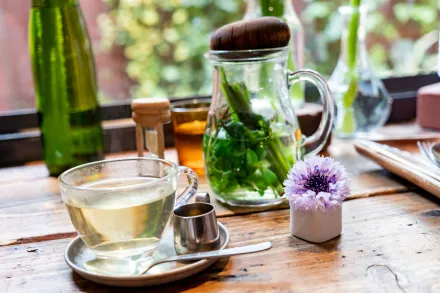
Herbal teas stand as approachable and comforting companions during colds and flu. Teas made from chamomile, lemon balm, thyme, and peppermint are among the familiar options that many people turn to for relief of throat irritation, mild congestion, and restful sleep. Chamomile offers gentle sedative properties that can help ease sleep disturbances caused by coughing or fever, while lemon balm can impart a mild calming effect and contribute to hydration. Thyme is frequently valued for its mucolytic and antispasmodic properties, which may assist with chest congestion and cough when used in tea blends; peppermint brings cooling menthol-like sensations that can ease nasal passages and throat discomfort, though its strong aroma may not suit everyone, particularly those with reflux or certain allergies. Steam inhalations using these herbs and hot water can provide temporary relief by moistening the airways and loosening secretions, which may reduce the effort required to clear the lungs and throat. When engaging in steam inhalations, it is important to avoid scalding temperatures, to limit exposure time to prevent dizziness or dehydration, and to be mindful of any prior airway sensitivities. Because the aroma and temperature of herbal beverages can stimulate appetite and mood, many people find regular sipping throughout the day to be a simple, comforting rhythm that supports rest and recovery as symptoms gradually subside.
In addition to the traditional herbals, a careful approach to teas and infusions emphasizes quality ingredients and proper preparation. Freshly dried herb blends typically yield more vibrant flavors and bioactive content than overly processed products, and choosing organic or sustainably grown varieties can reduce exposure to potential contaminants. When preparing teas, a gentle simmer and sufficient steeping time can help unlock desirable compounds, while avoiding excessive heat that could degrade delicate constituents. It is also beneficial to be mindful of caffeine sensitivity at night, as some teas may contain small amounts of caffeine that could interfere with sleep in sensitive individuals. The overarching aim is to create a nurturing ritual that supports hydration, comfort, and a sense of calm, which are all conducive to healing during a cold or flu episode. In practice, many households adopt a daily tea pattern during illness, weaving together a blend of comforting flavors with modest, purposeful dosing, so the patient can stay hydrated and comfortable without overwhelming the senses or the stomach.
Safety, dosing, and potential interactions
Safety remains a critical dimension in the use of herbal remedies for respiratory infections. Individuals should seek guidance when dealing with pregnancy, lactation, autoimmune conditions, chronic diseases, or the use of medications that could interact with herbs. Some plants can influence blood clotting, blood pressure, liver enzymes, or immune function, and interactions with prescription medicines are a genuine consideration. People who take anticoagulants, immunosuppressants, diabetes medications, or thyroid therapies should consult a clinician before initiating any herbal regimen beyond culinary use. Dosing varies by herb, preparation, age, and health status, so it is prudent to follow product labeling for tinctures, syrups, or capsules and to start with lower amounts to assess tolerance. As with any medical practice, herbs are not a substitute for urgent care in the presence of danger signs such as persistent high fever, severe shortness of breath, chest pain, confusion, or dehydration. In those circumstances, seeking prompt medical attention is essential. In everyday use, it is best to choose high-quality products from reputable sources, keep the regimen simple, and monitor how the body responds, making adjustments if needed in consultation with a healthcare professional. A measured approach helps protect safety while allowing people to benefit from the soothing and supportive potential of plant-based therapies during cold and flu episodes.
Growing, harvesting, and preparing herbs at home
Growing herbs at home provides a tangible connection to the healing tradition and can enhance accessibility during illness. Many of the commonly used herbs thrive in home gardens or container plots, including thyme, mint, chamomile, lemon balm, and sage. When growing medicinal herbs, soil quality, sun exposure, and water management influence the potency and flavor of the plants, so gardeners benefit from observing cultivation practices that minimize pesticide use and maximize plant health. Harvesting practices matter as well; harvesting leaves or flowers at the right stage of maturity helps preserve essential compounds. Drying methods should minimize heat exposure to avoid degrading delicate constituents, and storing dried herbs in dark, airtight containers away from light and moisture helps maintain potency for longer periods. Preparing herbs at home typically involves gentle processes such as infusion or steeping, which release water-soluble constituents into a warm beverage, or simmering for a more robust extract. Home-prepared remedies can be a comforting addition to a broader care plan, especially when resources are limited or when people prefer to tailor flavors to personal preferences. However, even with home preparation, cleanliness, proper sanitation, and accurate identification of plants are crucial to safety and enjoyment. By engaging in mindful cultivation and careful preparation, families can cultivate not only practical remedies but also a sense of empowerment and stewardship that enriches daily life during respiratory illnesses.
Herbal remedies in different traditional medical systems
Different traditional systems have approached respiratory infections with distinct philosophies and practical methods. In Traditional Chinese Medicine, for example, herbs are selected not only for their direct effects but also for their energetics, such as warming or cooling properties and their effects on the balance of qi, phlegm, and dampness. Ayurvedic practice emphasizes balancing doshas and reinforcing agni, the digestive fire, to support immunity and resilience from within. Western herbal traditions often focus on mucosal relief, immune modulation, and anti-inflammatory actions, drawing on a diverse set of native and imported plants. Across these systems, a shared thread is the emphasis on personalized care and the recognition that no single herb cures all symptoms for every individual. When taken thoughtfully and in harmony with dietary practices, rest, and hydration, traditional herbal paradigms offer a robust framework for supporting health during cold and flu episodes while respecting cultural context and individual needs. In modern integrative care, practitioners may blend elements from these systems to tailor regimens that align with a patient’s constitution, medical history, and lifestyle, thereby enriching the options available for symptom relief and recovery.
What the current scientific evidence indicates
The scientific landscape regarding herbal remedies for cold and flu is characterized by a mixture of encouraging signals and careful caveats. Some high-quality trials and systematic reviews suggest that certain herbs, particularly elderberry and echinacea, can modestly shorten illness duration or reduce symptom severity when used early in the course of illness. However, other investigations yield mixed or inconclusive results, and the quality and design of studies vary widely. Factors such as plant species, preparation method, dose, timing, and population characteristics all influence outcomes, making it challenging to generalize findings across products and individuals. Meta-analyses often emphasize heterogeneity and the need for standardized formulations to draw firmer conclusions. Clinicians and researchers advocate for rigorous, well-designed trials that consider real-world usage, including over-the-counter products, dietary herbs, and traditional preparations. The takeaway is not to abandon evidence-based care but to appreciate that herbal medicines can contribute to a broader strategy of supportive care, especially when used early, with careful attention to safety, quality, and individual response. People should expect variable results and should remain vigilant about any adverse effects, particularly when combining herbal products with prescribed medications or when underlying health conditions exist.
In practice, the best approach is informed curiosity coupled with caution. Individuals who are curious about including herbal remedies in their cold and flu care should familiarize themselves with the specific herb, understand potential interactions, verify the quality of products, and discuss plans with a healthcare professional if they have concerns or complicating health factors. This evidence-informed stance respects both the potential benefits and the limitations of herbal therapies, acknowledging that while herbs can provide comfort and modest immune support, they do not replace vaccines, antiviral prescriptions when indicated, or essential medical evaluations for severe illness. With thoughtful use, herbal remedies can be a meaningful part of a holistic approach to managing respiratory infections during colder months or peak flu seasons, offering a blend of sensory pleasure, therapeutic potential, and personal empowerment in daily life.
Practical integration for a modern household
For many households, integrating herbal remedies into a practical, modern care plan involves simple routines that fit with busy schedules. A gentle daily ritual might include preparing a warm, soothing tea made from chamomile or lemon balm in the early evening to promote comfort and restful sleep. During the day, a lightly flavored elderberry syrup or echinacea-containing formulation can be used at the onset of symptoms to support ease of breathing and energy, always following product guidelines and personal tolerance. For those who enjoy cooking, incorporating garlic, ginger, turmeric, and herbs such as thyme and oregano into soups and broths can deliver gentle immune-supportive warmth while nourishing the body with nutrient-rich ingredients. Hydration remains central; herbal drinks should be enjoyed in place of sugary beverages or caffeine-heavy options, helping to maintain hydration and mucosal function. It is prudent to observe any adverse reactions, particularly when trying a new herb, and to start with small quantities before expanding usage. In households with children, it is essential to use age-appropriate preparations, avoid concentrated dosages without medical advice, and consult a pediatrician if symptoms are persistent or severe. When combined with rest, nutritious meals, and appropriate medical care when needed, an herbal approach can be a comforting, practical companion during the cold and flu seasons, supporting resilience and recovery in a gentle, everyday manner.
Integrating herbal remedies with conventional care
Integrating herbal remedies with conventional medical care invites a collaborative mindset that prioritizes safety and clarity. For many patients, herbs serve as a complementary option that can alleviate discomfort and support well-being while protecting the ability to continue daily activities. Clear communication with healthcare providers about all herbs and supplements being used is essential to prevent potential interactions with prescription medicines. People with chronic conditions, those taking anticoagulants, or those with immune-modulating therapies require particular attention to the safety profile of herbal products. It is also wise to avoid relying solely on herbs for severe illness, such as high fever that does not abate, shortness of breath, chest pain, or dehydration. In such cases, seeking prompt medical evaluation is critical. By fostering informed conversations with clinicians, patients can achieve an integrated plan that leverages the benefits of herbal medicines alongside evidence-based medical care, vaccination when appropriate, and supportive measures such as hydration, rest, gentle activity as tolerated, and nutrition. This approach recognizes the strengths and limits of herbs, ensuring that usage remains thoughtful, responsible, and aligned with each person’s health goals and circumstances.
Closing reflections on a measured, evidence-informed approach
In the end, the appeal of herbal remedies for cold and flu lies in their accessibility, their connection to nature, and their potential to offer gentle relief and a sense of control during illness. The most reliable path integrates high-quality plant products with a broader, balanced care plan that emphasizes rest, hydration, nutrition, and medical guidance when necessary. Through mindful selection of herbs, careful preparation, attention to safety, and collaboration with healthcare professionals, people can cultivate a personal toolkit that supports comfort and resilience during respiratory infections. It is a journey that respects tradition, listens to contemporary science, and honors the unique needs of each individual. By embracing this nuanced approach, herbal remedies can become a meaningful part of everyday health, helping to ease symptoms, support recovery, and reaffirm a sense of empowerment in managing cold and flu symptoms with thoughtfulness and care.