Understanding the Challenge
The pressure of a bustling schedule can turn dinner into a daily dilemma, a moment of guesswork where the clock seems to sprint ahead while ingredients linger in the fridge with diminishing enthusiasm. When time is scarce, every choice about what to eat carries extra weight because it affects not only the immediate meal but also the energy and mood of the people at the table for hours to come. In this context, meal planning becomes a practical framework rather than a luxury, a set of strategies that helps to transform chaotic evenings into predictable, nourishing experiences. The underlying reality is that time scarcity is not a single problem but a tapestry of constraints: limited preparation windows, competing responsibilities, and the need to balance taste, nutrition, and budget without turning cooking into a full-time job. Recognizing these dynamics is the first step toward turning planning into a reliable ally rather than a source of stress.
When time is tight, it is common to rely on quick conveniences that may not align with long term wellness or taste preferences. The key is to adopt a mindset that elevates efficiency without sacrificing quality. A well designed plan uses a few reliable patterns that can be repeated with minimal mental energy, much like a musical refrain that keeps a piece coherent. The most effective approach acknowledges that perfection is not the goal; consistency is. By creating routines that fit a specific life rhythm, you free mental bandwidth to make smarter choices in the moment, whether that moment arrives after a long day at work, after taxiing kids to activities, or when you simply resist the lure of takeout because you already have a plan that feels doable and satisfying.
Assessing Your Schedule
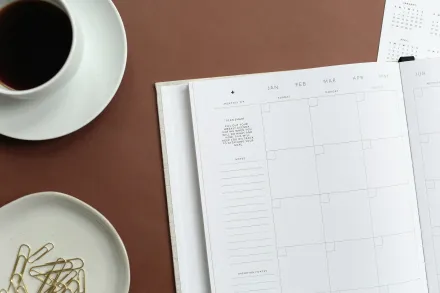
A practical starting point is to step back and map your typical week with a focus on time blocks where cooking and meal prep can reasonably occur. Picture a calendar that reveals a few windows—perhaps a Sunday afternoon, a weekday evening after work, and a midweek lull—that are consistently available for food preparation. It is not necessary to fill every possible moment with cooking; the aim is to secure enough reliable windows to enable batch cooking, assembling components, or reheating meals. By observing your natural ebbs and flows, you can decode patterns such as which days have the most predictable tempo, which evenings you tend to feel energy dips, and where you might benefit from a little pre planning on the weekend. The insight you gain from this awareness informs what kind of recipes and processes to prioritize and which days to reserve for simpler solutions.
In addition to time blocks, consider the demands of household members. If you shop for one, your plan can be lean and flexible, whereas a household with multiple eaters might benefit from a rotating set of reliable meals and a few adjustable components to accommodate different tastes. The goal is to align your meals with the realities you face rather than against them. When you understand your schedule as a whole, you can craft a framework that reduces decision fatigue and ensures that nutritious options are readily available, even on days when energy is scarce. A simple habit like planning dinners around a core protein and a handful of versatile vegetables can simplify choices dramatically and still deliver variety across the week.
Core Principles of Efficient Meal Planning
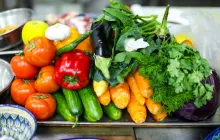
At the heart of efficient meal planning lies a few core principles that form the backbone of a sustainable system. First, batch cooking functions as a time multiplier. By preparing a handful of staple components in one session, you unlock a spectrum of meals across several days. A batch of roasted vegetables, a couple of protein options, and some cooked grains can be repurposed into different dishes with minimal additional effort. Second, pantry staples act as anchors that bridge quick meals and healthier options when time is limited. Dry beans, canned tomatoes, whole grains, aromatics, and a selection of spices create a flexible toolkit that supports fast, flavorful cooking without a trip to the store every time. Third, consistency matters more than complexity. A predictable rotation of meals, even if simple, reduces the cognitive load that often accompanies last minute decisions. When a plan becomes familiar, it is easier to replicate it, adapt it, and scale it up or down depending on the week.
Another guiding principle is balance that honors both nutrition and enjoyment. It is tempting to chase speed at the cost of satisfaction, but meals that feel comforting and nourishing also feel sustainable. Prioritize a protein source with every main dish, include vegetables that offer color and variety, and pair meals with a source of healthy fats to support fullness and flavor. A rotating repertoire of textures—crunchy vegetables, creamy elements, and occasionally something crisp or seared—helps prevent dietary monotony. It is also valuable to design meals that can be built out of a base element. For example, a core grain, a protein option, and a couple of toppings or sauces can be combined in multiple ways to yield variety while keeping the prep anchored to familiar routines.
Batch Cooking and Freezer Strategy
Batch cooking is not about cooking everything at once; it is about creating a reliable sequence of components that can be recombined. Start with a small list of go to items that are forgiving and forgiving means they taste good even after reheating. For many households, that includes roasted vegetables that retain a pleasant texture when warmed, lean proteins like chicken thighs or turkey, and grains such as rice, quinoa, or farro that reheat well. By cooking these elements in larger quantities, you can assemble different meals in minutes by combining two or three components with fresh greens or a quick sauce. The freezer becomes a partner when you prepare portions of soups, stews, chilis, or curry bases in modest sizes that fit into standard containers. Labeling with dates helps ensure safety and quality so you can use up older items in a structured way rather than letting them drift toward the back of the freezer unnoticed.
To make batch cooking effective, organize your kitchen around workflows rather than isolated tasks. Create a dedicated block of time for roasting or steaming, another for browning proteins, and a separate session for chopping vegetables and making sauces. The aim is to minimize backtracking and to keep tools within reach. A well designed system reduces dish piling and makes cleanup feel proportionate to the effort involved. When you repurpose batches, you can generate new meals without starting from scratch. For instance, leftover roasted vegetables can become a frittata filling, a topping for grain bowls, or a component in a quick soup. Freezing sauces in small portions means you can enhance flavor quickly on busy days by simply reheating and adding a few finishing touches like fresh herbs or a squeeze of citrus.
Smart Grocery Lists and Shopping Habits
A smart grocery routine begins with a flexible core list that reflects your usual meals and your preferred pantry staples. Planning around a core set of proteins, vegetables, grains, and flavor boosters can drastically reduce impulse buys and hesitation at the store. Write a list that can be checked off quickly, but avoid turning shopping into a scavenger hunt. A well curated list reduces time spent wandering aisles and minimizes the chance of buying items that will languish in the fridge. It is helpful to categorize items conceptually: proteins, produce, grains, dairy or dairy alternatives, legumes, pantry staples, and sauces or flavorings. When you notice a gap while planning, you can add it to the next trip in a concise, deliberate way rather than making ad hoc choices under pressure later.
In addition to content, rhythm matters. Try to shop in a predictable window, preferably after you have a plan for the week in place, so you are buying with purpose rather than out of habit. Favor ingredients with longer shelf lives when you need your plan to ride through a busy spell. If you like convenience, pick a few time saving products that align with your goals, such as pre chopped vegetables or pre cooked proteins, but integrate them into meals in a way that preserves flavor and nutrition. The goal is to create a shopping habit that feels efficient, not robotic, so that you leave the store confident that the components you bring home will be used promptly and joyfully rather than pushed aside by fatigue.
Time-Saving Cooking Techniques
There are several techniques that consistently save time without sacrificing flavor. One pot or one pan meals keep cleaning to a minimum and often rely on methods that deliberately layer flavors. Sheet pan dinners allow you to assemble proteins and vegetables on a single tray that roasts in a shared oven cycle, reducing monitoring time and increasing yield. Slow cookers and pressure cookers can transform tougher cuts into tender meals with minimal direct supervision, while an air fryer can deliver crisp textures quickly with less oil than traditional methods. When you develop a repertoire of such techniques, you avoid the trap of constantly searching for new, elaborate recipes and instead lean on dependable formats that you can adapt with whatever ingredients are on hand. Combining techniques, such as browning proteins on the stove and finishing in the oven with vegetables, creates depth in flavor while preserving speed.
Another practical approach is to simplify mise en place. Having a small station with knives, cutting boards, measuring tools, and ready to use aromatics organized and within reach reduces the friction between planning and cooking. Pre measures of spices or herb mixes can speed up seasoning and keep the flavor profile consistent across meals. Using high heat for quick searing and then reducing heat to finish cooking can maintain texture and juiciness, a balance that often eludes hurried weeknights. By adopting a few go to methods that you understand deeply, you build confidence and reduce anxiety when you are faced with imperfect timing. The advantage is a more predictable, reliable cooking experience that yields comforting meals even on days when energy is limited.
Meal Planning Templates and Routines
A practical meal plan resembles a skeleton: it provides structure but allows flexibility as circumstances change. Start with a simple weekly template that designates a handful of meals you enjoy and that reheat well. Each day can feature a primary dish supported by a consistent set of sides, such as a legume or grain and a vegetable. The template acts as a blueprint, and you can vary flavors by swapping proteins, sauces, or vegetables while preserving the underlying structure. The routine itself becomes a habit, reducing the cognitive load of deciding what to cook every night. Over time, you will learn which combinations are fastest for you, which components can be swapped with minimal effort, and how to anticipate days when you will be pressed for time so you can pull from the freezer or the pantry with confidence.
To keep the system fresh, incorporate a rotating handful of versatile meals that share core ingredients. This approach minimizes waste and reduces shopping lists to a manageable handful of items that recur weekly. As you gain experience, you can expand your repertoire by introducing new variations that reuse familiar building blocks rather than introducing entirely unfamiliar ingredients. A well designed planning cycle also accounts for leftovers with intention. For example, a portion of cooked grains can be repurposed in a later dish, while a portion of cooked vegetables can become the base for a quick soup or a nourishing wrap. The aim is to create a cycle that sustains momentum, rather than a rigid schedule that feels punitive when life gets busy.
Nutrition and Balance Under Time Constraints
Healthy eating on a tight schedule is not about sacrificing flavor; it is about smart choices that travel well through the week. Prioritize protein in each main meal because protein supports fullness and maintains muscle mass, especially on days with unpredictable activity levels. Pair protein with fiber rich vegetables or whole grains to sustain energy and digestion. Carbohydrates are not villains when chosen in quality forms such as whole grains, legumes, and starchy vegetables, which provide lasting energy without causing rapid spikes. Include healthy fats in the form of olive oil, nuts, seeds, or avocado to support satiety and flavor. When time is limited, flavor plays a crucial role in sustaining interest and appetite, so use herbs, citrus, garlic, and other bright seasonings to lift otherwise simple combinations.
In practice, this means designing meals that are nourishing and reasonably varied without demanding extensive cooking. For example, a bowl built on a base of quinoa or brown rice, topped with seasoned chicken or beans, a handful of greens, and a drizzle of tahini or yogurt sauce creates a complete and satisfying dish. By focusing on core nutritional goals and allowing flavor to be a constant companion, you can maintain balance even during weeks that feel extremely busy. The balance also extends to portion control and mindful eating. Preparing smaller, well balanced portions can prevent overeating and reduce food waste, while offering the chance to enjoy seconds without guilt when appetite dictates it.
Budget Considerations
Budget friendly meal planning emerges as a natural companion to time efficiency when you approach it with a few simple rules. Start by identifying a dependable set of inexpensive staples that can anchor multiple meals, such as lentils, oats, frozen vegetables, canned tomatoes, eggs, and affordable cuts of meat or plant based proteins. Seasonal produce tends to offer the best value and flavor, so your plan can reflect what is available in your pantry and local market. By embracing batch preparation, you stretch every dollar further: a single pot of soup, a big pan of roasted vegetables, or a large batch of beans can be repurposed into several meals, reducing both cost and waste. A conscious approach to purchasing, cooking, and storing helps ensure that every dollar spent yields nourishment rather than disappointment at the end of the week.
Even when resources are constrained, you can maintain variety by rotating the core budget friendly components and by using simple, flavorful sauces that extend the life of basic ingredients. Making your own sauces from pantry staples rather than buying ready made options can dramatically lower costs and increase satisfaction. The strategy is to choose quality ingredients that stretch across two or three meals rather than chasing a different product for each dish. In practice, this might mean preparing a tomato based sauce, a lemony herb dressing, and a basic curry paste that can be used across several meals. With a little planning, you can achieve a weekly menu that feels diverse and satisfying while staying within a reasonable budget.
Special Circumstances: Families, Singles, and Roommates
Different household compositions influence how meal planning looks in practice. For a busy family, meals may need to appeal to varied tastes and accommodate different appetites. In such cases, it helps to prepare a flexible base that can be customized at the table, such as a protein and a handful of toppings that family members can add according to preference. This approach reduces the effort required to accommodate multiple meals while preserving cohesion throughout the week. For singles or roommates, portability and portion size become central considerations. Small, well sealed containers that reheat evenly support a schedule where meals are eaten at different times or locations. The objective is to design a system that respects personal habits without creating extra tasks or waste, recognizing that the pace of life may require more frequent adjustments and shorter, quick turn arounds.
In households with children, safety and simplicity often guide the design of meals. Foods that can be easily eaten with minimal risk and prep are especially valuable on nights when patience wears thin. The plan may include finger foods, baked proteins, and vegetables that can be served raw or gently cooked, giving kids the option to participate without creating extra stress for adults. In all cases, involving family members in the planning process can be a practical time saver and a way to cultivate a supportive eating culture. When everyone has a sense of ownership over meals, planning shifts from a source of pressure to an opportunity for connection and shared enjoyment.
Technology and Apps for Quick Planning
Technology can accelerate meal planning when used as a supporting tool rather than a source of distraction. A few digital aids can help you store favorite recipes, generate shopping lists, and remind you of what you already have in the pantry. The trick is to choose a system that integrates smoothly into your routine and that you actually enjoy using. A simple notes app or a dedicated meal planning notebook can be enough if it keeps you organized. If you prefer digital means, a basic calendar that allocates a time for shopping and cooking can turn intention into action, and photo based recipes can simplify the process of finding meals on those days when energy is low. The key is to leverage technology to reduce friction, not to create new layers of complexity that demand constant attention.
Apps that track pantry inventory and suggest recipes based on what you already own can be helpful. They can reduce waste by highlighting ingredients approaching their shelf life and propose quick substitutions when needed. However, it is often more sustainable to rely on a small, curated set of trusted meals rather than chasing novelty through endless app suggestions. The human element—taste, comfort, and flexibility—remains central, and technology should serve that human side rather than supplant it. When balanced thoughtfully, digital tools become quiet collaborators that free up time and attention for cooking rather than complicating it.
Longevity and Food Safety in Meal Prep
Proper storage and safety practices are essential when meal planning with limited time. Cooking ahead makes the difference between fresh and dampened flavors, but only if you handle the results properly. Understanding safe cooling times, appropriate refrigeration temperatures, and correct freezing methods ensures that meals stay tasty and safe to eat across several days or weeks. A practical rule is to cool hot foods quickly and evenly before chilling, which minimizes the risk of bacterial growth and preserves texture. Portioning food into meal sized containers promotes even cooling and makes reheating predictable. Labeling with dates helps you exercise discipline with regard to freshness and turnover, which reduces waste and the chance of consuming items beyond their best state.
Reheating methods matter for both safety and flavor. Many dishes perform best when reheated to an even, steaming hot temperature that achieves both safety and palatability. A quick reheat in a microwave may be adequate for certain soups, stews, and sauces, but many dishes benefit from a gentle reheat on the stovetop or in the oven to preserve texture and prevent sogginess. Preventing cross contamination by using separate cutting boards for raw proteins and produce, washing hands thoroughly, and keeping raw and cooked items physically separated in the fridge are simple habits that pay dividends in everyday life. As you build your meal planning routine, incorporating straightforward, clear safety practices makes it easier to maintain a healthy, dependable dining rhythm regardless of how busy a week becomes.
Mindful Cooking and Enjoyment
Time constraints do not have to dull the pleasure of cooking. Mindful cooking emphasizes presence in the kitchen, noticing aromas, textures, and the dance of heat as foods transform. When meals are planned to be quick and consistent, you still have the opportunity to slow down in small, meaningful ways: tasting, adjusting seasoning, and savoring the result. A central idea is to treat cooking as a generous act toward yourself and others, even on busy days. By cultivating a small repertoire of meals that you genuinely enjoy and can prepare with confidence, you reinforce the positive association with cooking and reduce the temptation to skip meals or rely excessively on processed options. The joy of food becomes a sustaining force that supports both health and mood, creating a virtuous loop that strengthens your planning system over time.
In addition, mindful cooking invites you to reflect on what is working and what is not. Regularly reviewing what meals saved time, what ingredients tended to waste, and what flavors proved most satisfying helps you refine your plan. This reflection does not have to be lengthy; a brief note at the end of the week can guide adjustments for the next cycle. The result is a living plan that grows with experience, accommodating changes in schedule, energy, and preferences while remaining anchored to the core goal: to nourish with ease even when time is scarce. The practice of mindful cooking can transform routine meals into small moments of care that accumulate into a healthier, more resilient lifestyle.
Adapting to Change and Unexpected Demands
Life rarely follows a perfectly predictable rhythm, and a flexible meal plan must accommodate surprises without collapsing. A well constructed system includes built in buffers: a couple of freezer friendly staples that can be swapped in when days extend beyond the planned window, a couple of quick improvisations that can be executed with minimal ingredients, and a mechanism for deferring or accelerating certain tasks based on energy and need. The idea is not to rigidly adhere to a schedule but to maintain enough structure that meals become reliable rather than a daily scramble. When plans shift, you can pivot by swapping a planned dish for a simpler alternative, substituting ingredients that are already on hand, or moving a batch cooking session to an earlier or later time. A resilient approach acknowledges that flexibility is a strength and that your planning system is designed to absorb disruptions while still delivering nourishment and satisfaction.
The net effect of this adaptability is confidence. Knowing you can handle an unexpected late night, a canceled grocery trip, or a change in the number of mouths to feed reduces anxiety and preserves the quality of meals. It also reinforces the idea that meal planning is a dynamic practice rather than a rigid schedule. The result is a calmer, more capable kitchen life, where the rhythms you establish carry you through busy weeks with grace and reliability, rather than leaving you to scramble when demand spikes or fatigue wins out.
Common Mistakes and How to Fix Them
Even thoughtful planners can fall into common traps that undermine efficiency and enjoyment. One frequent error is overcomplication: chasing every new recipe or technique rather than refining a handful of dependable meals. Simplifying the weekly rotation and building flavor through small, repeatable touches can dramatically improve consistency and reduce stress. Another misstep is neglecting perishables, which leads to waste and last minute improvisation under pressure. A practical remedy is to integrate a weekly ridge of produce into your plan and use dates as a guide for what to use first. Underseasoning is a subtler problem that becomes noticeable only after reheating leftovers; a quick bump of salt, citrus, or a bright herb finish at the end can restore vibrancy without adding significant time.
A third pitfall is relying too heavily on processed convenience foods. While such items can be helpful in a pinch, they tend to derail the nutritional balance and undermine the larger efficiency strategy by requiring extra prep or special ingredients. The solution is to choose a few high quality convenience options that align with your plan, and to complement them with whole foods that you already know how to prepare quickly. Finally, failing to plan leftovers deliberately can waste energy and money. By designing meals with a built in use for leftovers, you turn potential waste into a second meal that lands in minutes rather than hours, preserving both time and resources across the week.
Future-Proofing Your Meal Plan
The final ingredient in a durable, time friendly meal planning approach is forward thinking. Build a system that can scale up or down to match changing circumstances, such as family size, travel schedules, or shifts in work load. A future proof plan anticipates these changes by keeping a flexible core in place and by stocking a small repertoire of backup meals that require minimal adjustment. Seasonality matters as well; what is affordable and abundant in one season may shift in another. By aligning your core ingredients with seasonal availability, you gain value and variety, while reducing the effort needed to keep meals interesting. The long view invites you to re evaluate the plan periodically, refresh your staples, retire meals that no longer fit your taste or your time frame, and replace them with new options that integrate smoothly into the existing structure. The goal is to cultivate a living, adaptable menu that remains reliable regardless of external pressures, so you can feed yourself and your household with less stress and more satisfaction over the long run.