Vacation is a time to unwind, explore new places, and create memories that last beyond the photos you take. Yet it can also be a moment when regular routines around meals, sleep, and activity are disrupted. The goal of healthy eating on vacation is not rigidity or deprivation but a thoughtful approach that supports energy, mood, and enjoyment. When you blend practical choices with a flexible mindset, you can savor local flavors, keep your nutrition on track, and return home without feeling overwhelmed by the dietary derailment that sometimes accompanies travel. This article explores a wide range of strategies that you can adapt to different destinations, budgets, and tastes while preserving your health goals and enhancing your travel experience.
Preparation starts long before you step onto a plane or hop in a rental car. It involves assessing your typical energy needs, considering how many meals you will eat away from home, and identifying opportunities to include nutrient-dense foods even when time or convenience is limited. A thoughtful plan reduces the temptation to settle for convenient but nutritionally sparse options and instead invites meals that nourish your body and satisfy your palate. By setting clear intentions that align with your vacation style, you create a framework that supports both wellness and enjoyment. This groundwork also minimizes the frustration that can arise when choices seem limited because of itinerary constraints or unfamiliar cuisines. The plan is not a rule book; it is a flexible map that helps you stay on course while still embracing spontaneity and adventure.
Planning Ahead: Balancing Freedom with Structure
Before you depart, take a moment to sketch a light framework for how you want to approach meals during your trip. Think about setting a loose target for including vegetables or fruit in at least two meals per day, choosing lean protein sources, and aiming for whole grains or their equivalents whenever possible. Consider how you will handle breakfast, lunch, and dinner on days when you are exploring or attending tours that have a fixed schedule. The aim is to create anchor points—reliable options you can rely on when other plans fall through. You might decide to start with a hearty breakfast that includes protein, fiber, and healthy fats, so you have lasting energy for morning adventures. You also can plan in advance for snacks that carry protein and fiber, such as nuts, yogurt, or dried fruit, so you are not at the mercy of every vendor you encounter. This kind of prior thinking reduces stress and makes it easier to enjoy local specialties without sacrificing nourishment.
Another important part of preparation is knowing your travel style and the terrain of your destination. A coastal city with abundant seafood and markets offers a different set of opportunities than a rural region where meals are served at rustic restaurants or where street foods dominate the day. In urban settings, you might discover an abundance of quick-service options with fresh produce, while in more remote locations, it may be wise to scout markets or grocery stores to assemble balanced meals. The anticipation of what is available allows you to align your expectations with reality while maintaining a sense of curiosity and openness. You can also use online resources to identify markets, wellness-focused cafes, or restaurants that emphasize seasonal ingredients, which makes it easier to align your choices with your health goals without feeling constrained or deprived.
Smart Shopping and Grocery Stops
Grocery shopping on vacation can be a revelation that enhances both health and enjoyment. When you have access to a kitchen or a simple food preparation area, you can pick up fresh fruits, vegetables, whole grains, lean proteins, and dairy or dairy alternatives to assemble meals that fit your preferences. Even if you are staying in accommodations with limited cooking facilities, a well-chosen selection of items allows you to create nourishing breakfasts, light lunches, and satisfying snacks. Start by scanning the produce section for seasonal items that showcase the local harvest, and consider staples such as whole grains, legumes, and canned or jarred items that preserve well and travel well. If you have dietary restrictions, shopping early can help you identify suitable products and avoid last-minute compromises that may not align with your goals. Carrying a small cooler or insulated bag can preserve perishable items during longer travel days, ensuring that you have access to fresh options when you need them.
One practical tactic is to plan a couple of simple meals that only require minimal cooking or assembly. Think of a single-pot dish using fresh vegetables, a protein source, and a grain, or a nourishing salad with beans or tuna that travels well and holds flavor across a day of exploration. When you walk through markets, allow yourself to be guided by color, scent, and seasonal availability rather than a rigid recipe. Local produce often tastes better and matches the climate, which can inspire you to try new combinations that feel both exciting and satisfying. In settings where a kitchen is not available, shopping for ready-to-eat options that emphasize vegetables, whole foods, and moderate portions can still deliver nourishment. The key is to forecast portions that align with your hunger signals and avoid overreliance on ultra-processed items that leave you feeling heavy or lethargic after a day of activity.
Choosing Restaurant Options Without Sacrificing Flavor
Eating out is a central part of the vacation experience, and the menu options you encounter can help you maintain balance while still enjoying your trip. Start by looking for meals that balance vegetables, protein, and complex carbohydrates. A entre with a generous portion of vegetables alongside lean protein and a source of whole grains is ideal, but you can still craft a balanced plate even if the menu emphasizes bread, rice, or fried components. You can ask for simple modifications, such as extra vegetables, a sauce on the side, or a smaller portion of starch, to better align the dish with your nourishment goals. Communicating your preferences politely often yields a better dining experience and helps you feel more in control during travel. It is perfectly reasonable to request dressings or sauces on the side, to withhold added sugars, or to swap white rice for brown rice or a wholesome grain option wherever feasible.
Flavor is not sacrificed by making mindful choices; in many culinary traditions, the natural qualities of ingredients shine when prepared with respect and balance. When in doubt, start with a vegetable-forward option or a lean protein such as fish, poultry, beans, or tofu, and supplement with a modest portion of a grain or starchy vegetable. If a dish looks heavy, consider splitting an entrée with a travel companion to manage portion sizes and avoid feeling overfull. Studies of dining behaviors suggest that people often misjudge portion sizes when they are away from home, so consider using a visual cue for yourself—half the plate vegetables, a quarter protein, and a quarter grains—to guide your selections. You may be surprised by how satisfying a well-balanced plate can be, even in a place famous for indulgent foods.
Portion Control and Balanced Plates While Dining Out
The concept of a balanced plate transcends cultures and cuisines. When you picture your plate, imagine filling half of it with vegetables or fruit, a quarter with a quality protein source, and a quarter with fiber-rich carbohydrates such as whole grains, legumes, or starchy vegetables. This visual guide helps prevent the common pitfall of arriving at a restaurant hungry and ordering far more than you need. If portions are larger than your needs, you can choose to take some of the meal to go, saving it for a snack or a later meal. Even in busy travel days, a mindful approach to portions can help you maintain energy levels and mood, which in turn enhances your ability to enjoy the day’s activities rather than feeling weighed down by heavy meals. Mindful eating is about listening to fullness cues and giving your body time to adapt to new flavors and textures; this approach makes meals feel satisfying without requiring deprivation or rigid rules.
Another helpful approach involves anchoring meals around protein, which supports satiety and helps regulate appetite. When you begin with a solid protein source, you set a foundation that can reduce the likelihood of overeating starchy sides or sugary desserts. Combining protein with fiber-rich vegetables and whole grains fosters a stable energy curve, helping you stay active and engaged as you explore museums, markets, or outdoor landscapes. If you encounter a dish that seems protein-light, consider adding a side of beans, lentils, or a protein-rich topping such as grilled fish or eggs when available. By paying attention to these small adjustments, you can enjoy a diverse range of flavors and textures without compromising your health goals or energy levels for the day’s adventures.
Hydration, Beverages, and Moderation on the Road
Hydration is a foundational element of vacation vitality. When you travel, the combination of air travel, altered routines, and new climate zones can lead to dehydration more quickly than you expect. Carrying a reusable bottle and refilling it regularly is a simple habit that supports energy, skin health, and overall well-being. In addition to water, you can enjoy beverages that complement your meals, such as unsweetened tea, sparkling water with a squeeze of citrus, or coffee in moderation. It is easy to underestimate the impact of even small amounts of added sugars in beverages, so choosing drinks with minimal added sugar can make a meaningful difference over the course of a day or several days. If you are tempted by cocktails or traditional beverages that contain sugar or high-calorie components, consider sharing a drink, selecting a lighter option, or choosing those made with fresh fruit and pure ingredients rather than syrups. This approach preserves enjoyment while reducing the cumulative impact on your energy and digestion.
Alcohol can be part of a positive travel experience when approached with awareness. You can savor local specialties while maintaining your health goals by pacing your intake, alternating alcoholic drinks with water, and choosing options that provide protein or are lower in added sugars. For example, a glass of wine paired with a protein-rich dish can be a balanced choice, while sugary mixed drinks or creamy beverages can lead to a stomach feeling heavy or a later energy lull. If you plan a day with multiple activities, you might decide to limit alcohol and instead focus on hydration and nutrient-dense meals. Such choices do not diminish your enjoyment; they can enhance clarity, mood, and readiness for new experiences, enabling you to connect more deeply with the people you are traveling with and with the places you visit.
Snacking Smartly for Busy Days
Travel days are often long and unpredictable, with gaps between meals that can trigger hunger and impulsive choices. Packing or acquiring snacks that combine protein and fiber can help you bridge those gaps without resorting to processed snacks laden with refined carbohydrates and added sugars. Portable options such as nuts and seeds, yogurt or dairy-free alternatives, cheese and whole-grain crackers, or fruit and nut bars that emphasize whole foods are practical choices that support steady energy. If you are exploring a bustling market or a scenic hike, consider snacks that are easy to carry, do not require refrigeration for several hours, and offer sustained satisfaction. This approach reduces the likelihood of overindulging at the next sitting and helps you maintain consistent energy for activities such as sightseeing, walking tours, or outdoor adventures. Importantly, choose snacks with minimal artificial additives and a real ingredient list that you can recognize and feel good about consuming.
When you do indulge in local specialties that arrive as part of a larger meal, you can still preserve balance by thinking in terms of portions and context. For instance, if you order a dish that includes fried components or a heavy sauce, you can compensate by selecting lighter sides, increasing vegetable intake in the next meal, or adding a fruit-based dessert to introduce natural sweetness without overloading your system with added sugars. The key is to keep your body in motion and to listen to signals of fullness, rather than letting travel fatigue override your instincts about hunger and satisfaction. In this way, snacks become a bridge that keeps you energized and engaged, rather than a default choice that undermines your plans for balanced nutrition during vacation.
Meal Timing, Sleep, and How They Interact with Appetite
Meal timing and sleep are intimately connected to appetite regulation, mood, and energy. When traveling across time zones, your internal clock may drift, making you hungrier at odd hours or less hungry for meals at familiar times. Paying attention to your body’s cues while allowing for gentle adaptation can help prevent extreme hunger that leads to overeating or choosing less satisfying options. Aiming for consistent protein-rich meals, even if your regular schedule shifts, can support appetite control during the adjustment period. If you find yourself with long gaps between meals due to tours or late arrivals, a nutritious snack can prevent excessive hunger that could lead to less healthy choices. On days with unexpectedly late dinners, you can plan for a lighter, earlier meal that still contains vegetables and protein to avoid overeating closer to bedtime. Sleep quality itself is influenced by what you eat, so a balanced intake during the day fosters better rest at night, which in turn supports clearer decision-making the following day.
Another aspect of timing involves recognizing that some cultures emphasize social meals that last longer and may feature multiple courses. Participating in these gatherings with mindfulness allows you to enjoy the experience while still maintaining your intake goals. You can savor slow-paced meals, choose a reasonable starter and main course, and leave room for fruit or yogurt as a dessert option rather than a heavy confection. This approach honors tradition and conviviality while supporting your ongoing nutrition strategy. Remember that vacations are not only about what you eat but how you feel during and after the meal, and letting the pacing of meals align with your energy and appetite can enhance both satisfaction and performance in daily activities.
Local Markets, Farmers' Markets, and Fresh Ingredients Abroad
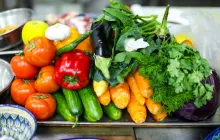
Exploring local markets is one of the most enriching aspects of travel, and it presents a unique opportunity to strengthen healthy eating while learning about regional ingredients. When you stroll through stalls filled with vibrant fruits, vegetables, grains, and proteins, you can gain insight into the seasonality and regional flavors that shape the local diet. Engaging with vendors, asking about preparation methods, and observing traditional cooking practices can deepen your appreciation while guiding you toward nutritious choices. Markets often offer fresh produce at a fraction of the cost of prepared foods, which makes it easier to assemble meals that fit your preferences for balance and variety. Even if you do not have a kitchen, you can select fresh fruit, vegetables, and ready-to-eat items that complement your adventures and give you a direct taste of the place you are visiting.
A practical approach is to pick a few staple ingredients that travel well and can be combined on the go. For example, a ripe fruit paired with a handful of nuts makes a portable snack that provides fiber, natural sugars, and healthy fats. A small container of olives, tomatoes, or cucumber can become a refreshing and hydrating addition to a meal, while a bag of beans or lentils from a market can be a protein booster in a quick salad or wrap if you have access to basic cooking facilities. Even in markets that emphasize ready-to-eat options, you can identify choices that lean toward vegetable-forward dishes, grilled proteins, or legume-based preparations, which helps you maintain balance without sacrificing the opportunity to sample local flavors. The experience of buying local ingredients also fosters a sense of connection to the place you are visiting, enhancing the overall travel experience while supporting healthier eating patterns.
Breakfast Culture and Morning Routines Away from Home
Breakfast is a powerful anchor for your day, and many destinations offer distinctive morning options. A nutritious breakfast sets the tone for a day of activity, exploration, and mindful choices. If your accommodations include a kitchen or kitchenette, you can prepare a protein-rich breakfast with vegetables, eggs or a plant-based substitute, and a portion of whole grains or fruit. If you rely on hotel or cafe options, look for dishes that resemble a balanced plate, with protein, fiber, and some healthy fats. Yogurt with fruit and nuts, eggs with vegetables, or a whole-grain option with a source of protein can be excellent choices in many settings. Even when options are limited, you can combine multiple small items to create a satisfying breakfast that stabilizes blood sugar, supports concentration for planning activities, and reduces morning cravings later in the day. A little planning in the morning pays dividends as you navigate long sightseeing days and potentially high-energy adventures.
In some locales, breakfast traditions emphasize pastries or refined grains; in those cases, you can still balance your day by prioritizing protein and vegetables in the subsequent meals. If you find yourself with a pastry-heavy breakfast, consider pairing it with a protein-rich snack a short time later or adding a side of fruit and yogurt to improve the overall nutrient profile of your morning. The idea is not to impose a rigid dietary regime but to maintain awareness of how your breakfast choices influence your energy and mood throughout the day. When you arrive at a new place, take a moment to observe what locals typically eat for breakfast and adapt your own style to include protein and produce in a way that feels natural, flavorful, and sustainable for your travel itinerary.
Eating Out in Different Cultural Contexts
Travel provides a window into culinary traditions that often reflect the climate, geography, and history of a region. Embracing this diversity while maintaining healthful habits requires a flexible approach that respects local customs and your personal needs. When you study a menu, look for dishes that emphasize vegetables, legumes, seafood, poultry, or lean meats, with sauces served on the side or lighter preparations. You can enjoy regional specialties by choosing smaller portions, sharing plates with companions, or selecting a dish that highlights fresh produce as the star of the meal. In many cultures, slow-paced meals and social dining are central to the experience; savor the flavors, pause between bites, and listen to your hunger cues. This mindful approach ensures you feel connected to your surroundings while maintaining a sense of nourishment and balance. The more you align your choices with the core idea of balanced nourishment, the easier it becomes to enjoy the local cuisine without compromising your well-being.
Communication is a valuable tool when dining out abroad. If you have dietary restrictions or particular preferences, do not hesitate to inform the staff politely. Many restaurants are willing to accommodate requests if you articulate them clearly. You can ask for dressings or sauces to be served on the side, request grilled rather than fried preparations, or request that extra vegetables be included in a dish. In some places, the interpretation of “healthy” may differ, but the underlying principle remains the same: you can seek meals that align with your goals while participating fully in the local dining culture. This approach fosters a sense of respect for the place you are visiting and helps you sustain a healthy pattern throughout the trip.
Protein Power and Fiber-rich Choices on Vacation
Protein and fiber are the dynamic duo of fullness, satiety, and steady energy. When you plan meals that feature quality protein sources and fiber-rich foods, you support longer-lasting satisfaction that reduces the risk of mood dips or cravings between meals. In many cuisines, fish, poultry, eggs, legumes, dairy, and tofu provide versatile options to satisfy both taste and nutrition. Pair these with a generous portion of vegetables and a whole-grain component to create a satisfying plate that keeps you fueled for sightseeing, hiking, or museum-going. If you are uncertain about what constitutes a portion, think in terms of plate balance rather than exact measurements. A well-rounded plate includes a protein source, a colorful array of vegetables, and a source of fiber-rich carbohydrates, framed by a modest healthy fat such as olive oil, avocado, or nuts. By prioritizing protein and fiber, you support appetite regulation, maintain energy levels, and enjoy a broader spectrum of flavors during your travels.
For vegetarians, vegans, or those reducing animal-based products, the same guiding principles apply. Legumes, lentils, tofu, tempeh, whole grains, seeds, and nuts can provide robust proteins, while vegetables and fruits supply fiber, vitamins, and minerals that support health on the road. A well-planned vacation diet for plant-forward eaters can be rich in variety and flavor, with creative preparations that highlight regional culinary traditions. The key is to ensure that meals contain a source of protein, a generous amount of vegetables or fruit, and a fiber-rich carbohydrate to maintain fullness and energy across different activities. By keeping the focus on balance and flavor rather than on rigid restrictions, you can enjoy a wide range of dishes while staying aligned with your health goals.
Mindful Eating: Turning Vacation Meals into Nourishing Experiences
Mindful eating is an invitation to slow down, observe tastes and textures, and tune into your body’s signals of hunger and fullness. On vacation, the pace of meals often accelerates, but you can cultivate moments of mindful practice by pausing before you eat, taking a few deliberate breaths, and savoring the first bite. Mindful practices do not require extra time; they can be integrated into a standard meal by paying attention to the aroma, the color, and the balance of flavors. This approach can help you avoid overeating and can intensify the pleasure you derive from local cuisine. It also supports better digestion and reduces the likelihood of feeling bloated after meals, which can be particularly important when you are walking or engaging in outdoor activities for long periods. By grounding your meals in awareness, you can enhance both your energy and your connection to the place you are visiting.
In addition to slowing down, you can practice mindful choice by evaluating each meal for its proportion of vegetables, protein, and complex carbohydrates, and by assessing whether the portion is appropriate for your hunger level. If you find yourself with a dish that is high in refined carbohydrates or saturated fats, you can still enjoy it by balancing your next meals with vegetables, legumes, or a lighter protein option. The aim is not to restrict but to cultivate a more intentional relationship with food that honors both nourishment and pleasure. By bringing mindfulness to vacation meals, you create a sustainable pattern that enhances your overall travel experience and fosters healthier long-term habits.
Handling Special Diets and Allergy Safety on the Road
For travelers with food allergies or specific dietary needs, safety and preparation become central to the vacation experience. Carrying a concise card in the local language that outlines essential dietary restrictions can help restaurant staff understand and accommodate your needs. When you are unsure about ingredients, asking clarifying questions about preparation methods, sauces, and hidden additives is essential to avoid exposure to problematic foods. If you need to avoid gluten, dairy, shellfish, or other substances, you can adopt strategies such as seeking naturally gluten-free or dairy-free dishes, selecting options that feature simple, clean ingredients, and using fresh vegetables as the base of meals whenever possible. Maximize safety by choosing reputable establishments with clear menus, and if available, look for places that emphasize fresh, local ingredients over highly processed items. You can also prepare for travel by packing a few essential items, such as safe snacks, designated foods, or allergy-friendly options that give you confidence in unfamiliar settings. This preparation helps you participate fully in the vacation experience while safeguarding your health and well-being.
Allergy safety is not only about avoiding triggers; it is also about maintaining a balanced intake that supports your energy and mood. If you have to exercise extreme caution due to severe allergies, you may benefit from coordinating with healthcare professionals or travel advisors who can suggest destinations or neighborhoods with better access to safer dining environments. Remember that you deserve to enjoy your travels and that careful planning can empower you to do so with confidence and peace of mind. By combining clear communication, smart choices, and practical management, you create a travel experience that is both safe and satisfying. This thoughtful approach enables you to savor a broad range of flavors while staying aligned with your personal health needs.
Strategies for Long Trips and Multi-Stop Itineraries
On extended trips with multiple destinations, maintaining a consistent nutrition pattern becomes more challenging yet more important. You can create a flexible framework that accommodates changing environments while preserving your core habits. One strategy is to identify a few steady anchors that travel well and can be found in most places—such as fruit, yogurt, nuts, whole grains, and a protein source—and build your meals around those anchors as you move from city to city. In addition, consider the capacity to adapt: if you are staying in accommodations with cooking facilities, you can prep simple meals that mimic your home routine; if not, you can rely on carefully chosen restaurant meals and snacks that reflect your nutrition goals. The key is to maintain a sense of continuity across different settings, so you do not feel like you are abandoning your routines entirely, even as you enjoy the adventure of new cuisines and experiences.
Long trips also benefit from attention to sleep quality and daily activity. When you balance movement with meals, you promote digestion and energy, which in turn supports more balanced food choices. Light to moderate physical activity each day—such as a walk to a market, a scenic hike, or a cycling excursion—can boost appetite regulation and enhance your ability to enjoy meals without feeling overwhelmed. By viewing travel days as opportunities to practice adaptive nutrition rather than excuses to abandon healthy habits, you set a tone that reinforces positive behaviors and supports your overall wellbeing throughout the journey.
Closing Thoughts: Integrating Health, Pleasure, and Discovery on Vacation
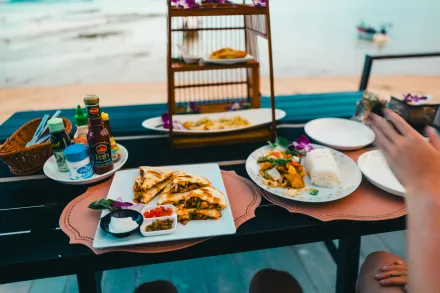
Healthy eating while on vacation is less about perfection and more about intentional choices that honor both your enjoyment and your well-being. When you approach travel with a flexible plan, a willingness to explore local flavors, and a commitment to balance, you can experience a fulfilling trip that leaves you energized and satisfied. The best strategies are the ones you can sustain across varying contexts, from bustling city streets to tranquil rural settings, from busy sightseeing days to leisurely meals by the sea. By combining thoughtful preparation, smart shopping, mindful eating, and respectful engagement with local cuisine, you create a vacation that nourishes your body and your curiosity alike. The result is not a compromise but an enhanced travel experience where well-being, flavor, and memory-making are intertwined in a way that supports you long after you return home.