Understanding the role of sodium in taste and health
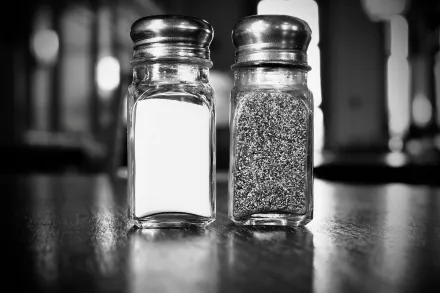
Salt has long been a key player in cooking, shaping the immediacy of taste and guiding our perception of savoriness. Yet modern eating patterns often include sodium amounts that push the upper limits of what the body can handle comfortably, potentially contributing to hypertension and fluid balance challenges for some people. This does not mean flavor must be sacrificed; it means that flavor can be cultivated through a broader palette of techniques and ingredients. By appreciating how sodium interacts with our taste buds and how our brains register salt, we can retrain our palate toward a more nuanced appreciation of aroma, acidity, and texture. When sodium is reduced, the impact is not simply a flat note in the dish, but an invitation to explore layers of flavor that emerge as we adjust other elements in tandem with salt. This approach leverages the idea that flavor is an orchestra, with salt as one instrument among many that can be balanced, complemented, or even temporarily muted in service of a healthier pattern.
Rethinking flavor building without salt
Flavor is composed of multiple signals: aroma from heating, texture and mouthfeel, acidity, sweetness, bitterness, and umami from natural compounds inside foods. Reducing sodium creates a shift in how these signals stand out, but it does not remove their capacity to satisfy. To keep meals engaging, it helps to increase aromatic intensity through careful browning, caramelization, and the release of volatile compounds as foods cook. It also helps to introduce acid sources such as citrus, vinegar, or fermented products that brighten dishes and enhance perception of saltiness without adding actual salt in large quantities. By intentionally crafting a balance among these signals, a cook can preserve a satisfying sense of saltiness even when sodium is limited.
Smart shopping for long-term sodium control
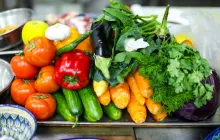
Grocery aisles often carry products labeled as low sodium or no added salt, but the real impact on a daily diet comes from how ingredients interact in meals. Fresh vegetables, fruits, legumes, grains, and unprocessed proteins typically carry minimal sodium on their own, offering a canvas for flavor without relying on added salt. When choosing packaged items, scanning the nutrition panel for sodium per serving helps identify products that fit a lower-sodium plan, but it is equally important to examine ingredients lists for hidden salt in forms such as monosodium glutamate, sodium citrate, or seasoned blends. Selecting store staples that are plain or lightly seasoned provides flexibility for cooking, because you can control each seasoning step rather than decompressing an already salty base. This mindful shopping approach makes it possible to assemble meals that satisfy the palate while supporting health goals, without feeling restricted or deprived.
The flavor foundations: herbs, spices, and aromatics
Herbs and spices offer a powerful range of notes that can replace salt with brightness, warmth, and complexity. Fresh herbs added toward the end of cooking preserve perfume and fresh brightness, while dried herbs and spices develop deeper, more robust profiles when heated and simmered. Aromatics such as garlic, onion, shallot, leeks, and a variety of chiles contribute savory foundations that make dishes feel full without relying on sodium. A well-timed surge of citrus zest or juice can lift other flavors, creating a perception of greater savoriness as the dish comes together. Even subtle additions like toasted seeds, roasted nut oils, or a splash of high-quality balsamic can shift the balance toward a richer mouthfeel. The skill lies in layering these elements thoughtfully, letting one flavor bloom before another, and respecting the evolving character of a dish as it cooks. In practice, this means extending your spice cabinet beyond the obvious choices and experimenting with combinations that evoke warmth, brightness, and minerality in a way that supports lower salt levels.
Umami and savoriness beyond salt
Umami is a key ally in reducing sodium because it enhances perception of depth and fullness. Foods high in natural umami, such as mushrooms, ripe tomatoes, aged cheeses in modest amounts, seaweed, miso, and fermented products, contribute a resonance that helps foods feel richer without extra salt. Incorporating umami in a mindful way can reduce the need for salt while preserving the satisfaction of a well-seasoned dish. Techniques such as dry-roasting mushrooms to concentrate their savory compounds, letting miso or tamari play a supporting role in sauces with small amounts, or finishing a dish with a handful of grated parmesan in a measured way can make a noticeable difference. The key is to balance umami with acidity and sweetness so that no single element dominates in a way that would encourage over-salting in future attempts. As a result, meals become more intriguing and less reliant on salt to deliver pleasure on the palate.
Techniques to maximize flavor during cooking
Cooking technique is a powerful amplifier of flavor, and when salt is controlled, technique becomes even more central. Proper browning triggers the Maillard reaction, developing complex flavor compounds that make proteins and carbohydrates more enticing. Allowing ingredients to sear or roast before simmering helps establish a foundation of aroma and texture that can stand on its own, with salt acting as a subtle support rather than the main act. Deglazing with a flavorful liquid after browning integrates fond into the sauce, brightening the dish with reduced sodium. Building flavor through time, letting sauces simmer to concentrate, and choosing cooking vessels that promote even heat distribution—all these considerations contribute to a dish that feels robust without resorting to large salt quantities. When salt is modestly used, the craft of cooking shines through in the clarity of each component, and the overall experience remains satisfying and nuanced.
Crafting low-sodium sauces, dressings, and marinades
Sauces and dressings are often the culprits of high sodium intake, because they are easy to apply in generous portions. The good news is that bright, glossy, and deeply flavored condiments can be created with modest salt levels by focusing on balance and intensity. A sauce can be enriched with roasted garlic, smoked paprika, a splash of wine, or a touch of miso diluted in a base of olive oil and vinegar to create a character that feels complete. Dressings built on olive oil, citrus, and a touch of mustard or tahini can carry the dish with a lively tang while keeping sodium low. For marinades, acid and aromatics can permeate the surface of proteins, enabling a flavorful outcome without needing large salt amounts. The key is to experiment with emulsions, reductions, and acid-driven brightness, using salt as a seasoning at the moment of tasting rather than during the entire cooking process.
Flavor boosters that rarely add unwanted sodium
There are ingredients that reliably enhance taste without pushing sodium levels higher. A splash of acid from lemon juice, lime, or a gentle vinegar can brighten flavors and sharpen perception of other seasonings. Roasted or toasted seeds, such as sesame or pumpkin seeds, contribute textural interest and a nutty note that makes the dish more satisfying. A small amount of fruit paste or honey can harmonize sweetness with acidity, providing balance that reduces the impulse to salt excessively. Nutritional yeast offers a savory depth with a subtle cheese-like nuance that can be appealing to those seeking plant-forward meals. By weaving these boosters into recipes, the overall impression is of fullness and complexity, and the reliance on salt to fill those roles becomes unnecessary.
Navigating meals outside the home and social occasions
Dining out often raises concerns about sodium, but with thoughtful choices, it is possible to enjoy meals without compromising flavor. Begin by selecting dishes that rely on fresh vegetables, grilled proteins, and simple preparations rather than heavily sauced or processed options. Do not hesitate to ask for modifications, such as requesting no added salt, asking for dressings or sauces to be served on the side, or requesting extra vegetables that bring natural sweetness and acidity to the plate. When possible, choose kitchen-friendly strategies like asking for lemon wedges, herbs, or aromatic toppings to be added at the table, enabling you to calibrate the salt level yourself. The goal remains to savor the moment and the food while maintaining a sensible sodium intake, and most restaurants are willing to accommodate if you communicate your preferences clearly and respectfully.
Reading labels, portions, and understanding sodium numbers
Nutrition labeling provides a numerical window into how much salt is in a serving, but the numbers can be misleading if you do not account for portion size and the way foods are prepared in practice. The sodium per serving is useful, yet products with multiple servings per package can quickly exceed the daily limit when eaten in full. It is essential to consider the context of a meal and the cumulative effect of several components that a person might consume in a day. Even when a product is labeled as low sodium, portion control matters, as it does not guarantee that the rest of the meal will align with a low-sodium objective. Reading labels with a critical eye includes looking at different forms of sodium that may appear under varied names in the ingredients list, recognizing that some manufacturers use salt substitutes or flavor enhancers that contribute to taste even if the explicit sodium figure seems modest. This awareness supports practical decisions that keep meals flavorful while steering toward steadier sodium intake over time.
Flavorful planning: building meals with balance in mind
Effective planning translates to flavor continuity across meals and days. A small, deliberate batch of a sauce or marinade can serve as a backbone for several dishes, enabling you to reuse a concentrated flavor profile with minimal salt. When you plan ahead, you can align protein, vegetables, and starches to recycle complimentary flavors, avoiding repetition of the same salty seasonings. This approach promotes a more diverse palate, since you rotate herbs, spices, acids, and textures rather than repeatedly defaulting to salt as the primary driver of taste. By seeing meals as a continuous creative project, you create opportunities to explore new combinations, what it feels like to savor subtle sweetness, tang, or depth, and how these sensations interact with the mouthfeel and aroma of each dish without relying on salt to deliver satisfaction.
Common myths about salt and flavor debunked
One prevailing belief is that reducing salt automatically makes food bland and unappealing. In reality, salt reduction invites a culinary shift that can be more engaging and gratifying as you discover new pathways to satisfaction. Another myth is that all salt substitutes are equally safe or suitable for every situation, which is not true since some substitutes contain potassium or other compounds that may conflict with medical conditions. Some people assume that low-sodium products are always healthier, but they can harbor hidden sugars or fats that alter health outcomes in unexpected ways if used indiscriminately. A final misunderstanding is that the best approach to flavor is to replace salt with heavy-handed seasoning from the start; the wiser method involves layering aroma, acidity, texture, and umami, allowing salt to play a moderated supporting role instead of dominating the experience. By challenging these ideas and experimenting with balance, cooks can unlock a richer, more deliberate relationship with flavor that does not depend on high salt levels.
Putting it all together: practical routines for everyday life
The practical implementation of a low-sodium, high-flavor approach begins with simple daily routines that reinforce a mindful connection to food. Begin with a kitchen audit, replacing highly processed condiments with fresh, homemade or lightly seasoned alternatives where possible. Develop a seasonal rotation of herbs and spices that reflects what is fresh and vibrant; this keeps the palate engaged and reduces the need to lean on salt as a shortcut. When cooking, allocate time to taste and adjust gradually, allowing flavors to unfold when heat is applied, and to recede a little if the dish overpowers your senses. Create a small stock of go-to low-sodium flavor enhancers, such as citrus zest, a reduced-sodium broth, or a bright vinaigrette, that you can pull into different meals, ensuring that the flavor profile remains lively across a week. By embedding these practices into daily life, the transition to a lower-sodium way of eating becomes natural, sustainable, and deeply satisfying, rather than a constant source of compromise for flavor and enjoyment.
Exploring regional and cultural approaches to flavor without salt
Different culinary traditions offer a treasure trove of techniques that emphasize balance without relying on salt. In some cuisines, the emphasis on fermentation, pickling, or sun-dried methods introduces a natural concentration of flavors that can reduce the need for salt. Others rely on the aroma of roasted seeds, toasted spices, and slow simmering to develop a rich, comforting base for dishes. Embracing these regional approaches invites you to explore a broader spectrum of taste experiences, from tangy and smoky to citrusy and herbaceous, all of which can be integrated into everyday cooking. The diversity of methods demonstrates that flavor is not a single currency but a portfolio of sensations that can be cultivated through patience, technique, and curiosity, even when salt is kept to a modest level.
Encouraging sensory adaptability and palate training
Palate training is not about perfection in one moment but about gradual refinement. By exposing the palate to a range of textures, aromas, and concentrations, a cook becomes more sensitive to nuance and more confident in adjusting seasonings with clarity. This process includes taking time to inhale the aroma before tasting, noticing how a dish changes as it rests, and understanding how temperature alters perception of salt. It also means recognizing that a well-balanced dish can be deeply satisfying without a high salt presence, and that the eventual tasting reveals a chorus of elements that complement each other, with salt playing a refined, integrated role rather than an overpowering one. The result is a more resilient, adaptable cooking style that honors health goals while preserving the joy of eating.
Final thoughts on savoring flavor with less sodium
Reducing sodium does not demand sacrificing the essence of a meal; it invites a broader culinary imagination. By embracing the interplay of aroma, acidity, sweetness, umami, texture, and thoughtful technique, you can craft dishes that feel vibrant and complete with modest salt. The journey requires curiosity, attention to detail, and a willingness to experiment with a diverse set of ingredients and methods. Over time, these practices become second nature, and meals retain their appeal even as salt usage decreases. The reward is a healthier pattern that still satisfies the senses, supporting well-being and encouraging a more mindful relationship with food that honors both flavor and health in equal measure.