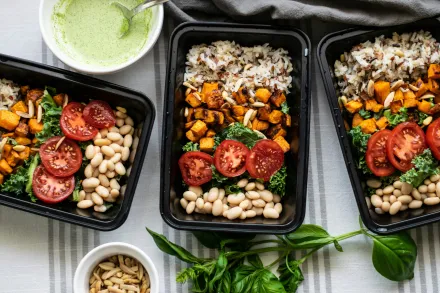
Planning healthy meals for the week is more than a routine to follow; it is an approach to living with intention, where nourishment supports daily energy, mood, focus, and resilience. When a person sits down to map out meals in advance, they are choosing consistency over impulse, structure over chaos, and nutrition over novelty alone. A good weekly plan acknowledges real life with its busy mornings, late meetings, and occasional cravings, while still centering on foods that fuel the body, sustain strength, and protect long term health. The aim is not perfection but practicality, not punishment but clarity, not deprivation but freedom to enjoy a diverse and satisfying array of flavors. By investing time upfront to understand preferences, needs, and constraints, meals in the coming days can become reliable anchors rather than uncertain experiments that drift from plan to plan. This article presents a comprehensive, thoughtful approach to planning, designed to be adaptable to different lifestyles, dietary patterns, and budgets, while keeping a strong emphasis on nourishment, simplicity, and joy in the kitchen.
Foundations of healthy meal planning
Healthy meal planning rests on a few steady foundations that support all subsequent decisions. One cornerstone is the balance between macronutrients and the inclusion of fiber, micronutrients, and hydration, ensuring that each meal contributes meaningfully to daily goals. A second cornerstone is variety, which protects against nutritional gaps and keeps meals interesting enough to sustain over time. A third cornerstone is practicality, which means choosing recipes, ingredients, and cooking methods that fit a real schedule, kitchen equipment, and budget. A fourth cornerstone is accessibility, recognizing the realities of grocery availability, seasonal changes, and social responsibilities. By anchoring the plan in these enduring principles, the week’s meals become coherent rather than a string of random choices, forming a narrative that supports steady energy, stable appetite, and a sense of achievement as each day unfolds.
Understanding your rhythm and constraints
To design a plan that sticks, it helps to map personal rhythms and constraints without judgment. Consider how many meals need preparation beyond just basic cooking, how much time is realistically available for shopping, chopping, and cooking, and how energy levels shift across the week. Some days arrive with a bright morning and a calm afternoon that invites cooking, while others demand quick, resourceful solutions drawn from pantry staples. Take note of dietary patterns, such as plant dominance, lean proteins, dairy inclusions, or avoidance of specific ingredients, and reflect on food preferences and intolerances within the household. The goal is to craft a framework that honors these patterns while preserving flexibility so that changes, substitutions, or spontaneous cravings can be accommodated without unraveling the plan. This thoughtful awareness creates a blueprint that guides decisions rather than generating stress whenever the schedule shifts.
Building blocks for every plate
A well structured week relies on reliable building blocks that appear across meals in different combinations. Core staples include a balance of vegetables, whole grains or starchy vegetables, and a source of protein, complemented by healthy fats. Vegetables bring fiber, micronutrients, and color to the plate, while whole grains or legumes supply sustained energy and texture. Protein sources can be plant based or animal derived, with varied options to keep meals interesting and nutritionally complete. Healthy fats, drawn from olive oil, nuts, seeds, avocados, or fatty fish, support satiety and essential nutrient absorption. By focusing on these building blocks rather than rare ingredients, the plan becomes resilient; it can easily absorb substitutions prompted by what’s on sale, what’s fresh at the market, or what remains in the fridge at the end of the week. This approach reduces waste and increases satisfaction, because meals feel solid and complete rather than incomplete experiments.
Designing a weekly menu that feels doable
A weekly menu should carry both structure and freedom, offering a sense of how the week will unfold while leaving room for spontaneity. Begin by outlining the days and inserting a rough framework for each, such as two meals that can be batch prepared together, a quick weeknight option, and a couple of flexible dinners that can be assembled from leftovers. Think about color, texture, and flavor diversity to avoid repetition that dulls the palate. Consider cooking once or twice with larger batches that can be repurposed, turning leftovers into new dishes rather than recycling the same components. The plan should also address breakfast and snacks, recognizing that a nourishing morning meal and smart mid day options stabilize energy. By thinking in terms of a cohesive week rather than isolated dinners, the menu becomes easier to follow, reduces decision fatigue, and supports a steady rhythm of meals that nourish body and mind alike.
Stocktaking and pantry calibration
A practical step in weekly planning is to audit the pantry, freezer, and refrigerator before selecting recipes. This audit reveals what is already available, what needs to be replenished, and what can be repurposed to create new meals. By taking inventory, you can minimize last minute trips to the store, trim waste, and align shopping with the actual menu. The process involves checking pantry staples such as grains, beans, canned goods, spices, and sauces, as well as fresh produce that will remain usable throughout the week. A thoughtful calibration also encourages creative reuse, such as turning roasted vegetables into a hearty grain bowl or transforming a cooked legume into a bright salad topping. When inventory informs the menu, planning becomes a savings tool rather than a guessing game, empowering you to use what you have while still exploring new flavors and textures.
Smart grocery planning without waste
A well executed grocery plan aligns with the week’s menu and emphasizes variety within the constraints of budget and seasonality. Start with a core list of staples that appear in multiple meals, then add a rotating set of fresh produce that covers all colors of the rainbow and brings diverse nutrients to the table. Seasonal produce tends to taste better and cost less, making it a practical anchor for the week. Don’t forget frozen vegetables and pantry-friendly proteins as reliable backups that remain usable for longer periods. Build flexibility into the shopping list by noting two or three quick substitutes for each key ingredient, so if something is unavailable, the plan can adapt without disruption. A thoughtful shopping approach also considers portion sizes and storage space, with containers and dividers that help keep ingredients organized and easy to access throughout the week. This mindful planning reduces impulse purchases and strengthens the link between intention and execution.
Efficient batch cooking and meal assembly
Batch cooking can transform a busy week from a series of rushed meals into a calm routine where nourishing foods are readily available. The idea is to prepare the components that recur across meals and then assemble them into different dishes, rather than cooking an entire week’s worth of identical meals. Batch cooking works well for grains, legumes, roasted vegetables, and proteins that reheat well. It also reduces time on busy days, limits the need for last minute takeout, and supports controlled portions. When planning batch cooking, consider the capacity of your kitchen, the time you have, and the best storage options to keep flavors fresh. Labeling containers with contents and dates helps maintain clarity, while rotating leftovers ensures nothing sits too long. A well executed batch strategy pairs with simple assembly ideas, so each meal becomes a quick, nourishing experience rather than a chore.
Portion control, cravings, and nutrition balance
Maintaining appropriate portions is a central concern for healthy weekly planning, even more so when meals are prepared ahead of time. A balanced plate generally includes a proportion of vegetables, a source of protein, a serving of whole grains or starchy vegetables, and a small amount of healthy fats. The goal is to support satiety without excess, and to provide steady energy across the day. Mindful eating practices, such as slowing down, savoring flavors, and paying attention to hunger and fullness signals, help regulate cravings and keep portions in check. It is also important to consider fiber intake, which supports digestion and fullness, and to prioritize a variety of protein sources to ensure all essential amino acids are covered. By combining deliberate portioning with flexible yet mindful choices, the plan sustains health goals while avoiding the frustrations often caused by overeating or frequent snacking on less nourishing options.
Involving others and adapting to tastes
Healthy meal planning is most sustainable when it reflects the tastes, schedules, and needs of everyone who shares the table. When planning for families or households with diverse preferences, it is helpful to create a shared framework rather than a rigid, one size fits all menu. This means offering a core set of nourishing options that appeal broadly, while allowing individuals to customize portions or toppings to suit their preferences. It also entails introducing new flavors gradually and inviting participation in the cooking process, which can increase willingness to try unfamiliar ingredients. Respectful flexibility reduces resistance and enhances adherence, transforming meal planning from a chore into an opportunity for connection, experimentation, and mutual care. The result is a weekly rhythm that respects individuality without sacrificing nutritional aims or group harmony.
Tracking progress and adjusting plans
Effective planning includes a gentle feedback loop that examines what worked, what did not, and why. Whether through a simple note kept in a kitchen notebook, a digital document, or a casual chat with household members, the goal is to learn from each week without criticism. Use observations about energy levels, appetite patterns, waste produced, and satisfaction with flavors to adjust the forthcoming plan. If a dish consistently underperforms or if certain ingredients consistently go to waste, consider swapping recipes, changing cooking methods, or altering timing to align better with reality. The ability to adapt is the strength of a flexible plan, and it turns planning from a theoretical exercise into a practical, ongoing process that sharpens over time. In this way, the weekly routine becomes a living system that evolves with needs, seasons, and personal growth.
Tools, resources, and ongoing motivation
A thriving meal planning practice benefits from thoughtful tools and supportive resources that streamline decisions and keep motivation high. Simple tools such as reusable containers, a reliable shopping list, and a pantry inventory can dramatically reduce friction. Digital resources, if used, should serve clarity rather than distraction, offering dependable recipes, nutrition information, and a simple way to store favorite menus. Beyond tools, motivation can be sustained through small rituals that honor progress, such as a weekly planning session that involves minimum distraction, a routine for reviewing the pantry, or a moment of gratitude for the nourishment provided by the week’s meals. By building a supportive environment and a stable workflow, healthy meal planning becomes less of an obligation and more of a meaningful practice that enhances daily life, supports long term health goals, and fosters enjoyment of the cooking journey that unfolds across the week.