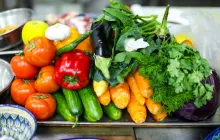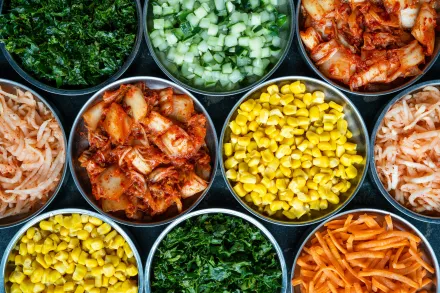
Plant-based meals offer a wide field of flavors, textures, and nutritional opportunities, yet many people wonder how to make them feel substantial rather than quick to digest or unsatisfying. The key to lasting fullness lies in combining ingredients that support satiety from different angles, using cooking methods that increase volume without adding heaviness, and designing meals that sustain energy and mood through balanced portions. When a meal delivers protein, fiber, healthy fats, and a sense of consistency in taste and texture, the body receives signals that it has eaten well, and the mind recognizes a meal that will sustain focus and energy for hours. This article explores practical ways to craft plant-based meals that feel filling, with attention to protein density, fiber, fats, texture, and mindful eating practices that help meals satisfy appetite while staying nourishing and delicious.
In the realm of plant-based cooking, fullness is rarely about one nutrient alone but rather about how several elements work together. Protein provides building blocks and signaling molecules that help regulate appetite, while fiber adds bulk and slows digestion, creating a steadier release of energy. Healthy fats offer concentrated energy and contribute to a satisfying mouthfeel that signals reward without overdoing calories. Water-rich vegetables add volume without a heavy feel, and whole grains offer both texture and sustained energy. When these components are harmonized in a meal, the plate becomes a well-balanced combination that keeps hunger at bay for longer, supporting weight management and steady energy for daily activities. The approach is not about deprivation but about thoughtful composition, flavor, and technique that maximize satisfaction while staying firmly within a plant-based framework.
Choosing ingredients that boost fullness
The foundation of a filling plant-based meal starts with high-quality protein options that fit within your dietary preferences, whether you enjoy legumes, soy products, grains, or newer plant-based proteins. Beans such as chickpeas, black beans, and lentils bring a robust fiber and protein mix that helps extend satiety after a meal, while tofu, tempeh, and edamame offer versatility and texture without relying on animal products. Legumes are particularly advantageous because their fiber content slows digestion and helps regulate blood sugar, contributing to a longer sense of fullness. Pairing legumes with a source of healthy fats, such as avocado, olive oil, nuts, or seeds, can further enhance satisfaction by delivering a creamy mouthfeel and slowing gastric emptying, which smooths energy waves and reduces cravings between meals.
Another cornerstone is the use of whole grains and starchy vegetables that provide a hearty base without turning meals into regrets later in the day. Quinoa, bulgur, brown rice, farro, barley, and oats supply complex carbohydrates that produce a gradual energy release and extend fullness. When these grains are combined with legumes or vegetables, they create a complete protein profile that supports tissue repair and metabolic needs while maintaining a stable appetite. Vegetables and leafy greens contribute micronutrients, antioxidants, and a large volume with relatively low energy density, meaning you can eat a satisfying portion without consuming excessive calories. The choice of produce matters as well; opt for vegetables with natural sweetness and fiber such as carrots, onions, peppers, and cruciferous greens, which add texture and flavor without heaviness. Finally, don't neglect flavor-building ingredients like garlic, onion, herbs, spices, and citrus zest, which make meals satisfying on the palate and encourage mindful eating rather than mindless grazing.
Balancing macronutrients for satiety
A reliable strategy for fullness is to design meals that provide a balanced mix of protein, fiber, and fats while keeping overall energy density in check. A protein target in plant-based meals can be achieved through legumes, soy products, or protein-rich grains like quinoa. Fiber comes from vegetables, whole grains, nuts, seeds, and fruits; it slows digestion and contributes to a longer sense of fullness. Healthy fats, chosen from olive oil, nut butters, avocado, and seeds, deliver concentrated energy and a creamy texture that enhances satisfaction. A practical rule is to aim for a meal where each bite delivers a combination of these elements rather than relying heavily on either fat or starch alone. This approach reduces the likelihood of quick hunger returning and supports more stable energy throughout the afternoon or evening. Small, frequent adjustments can help keep meals interesting while preserving fullness; for example, swap a portion of white rice for a higher fiber grain, add an extra handful of vegetables, or sprinkle seeds over a warm soup to increase fullness without sacrificing flavor.
In addition to macronutrient balance, consider the timing of meals and the role of hydration. Starting meals with a glass of water or a broth-based soup can increase perceived fullness and set up the body for a sized portion rather than overeating. When meals are prepared with attention to texture and variety, the brain receives signals of abundance, which helps curb cravings for quick, energy-dense snacks later in the day. The goal is to build meals that are satisfying not just in calories but in sensory experience, ensuring that the palate feels engaged and the body feels nourished after every bite. A steady approach to portions and a flexible mindset about swapping ingredients based on seasonality can keep plant-based meals fulfilling over weeks and months, supporting both health goals and culinary joy.
Fiber and protein powerhouses
The pantry becomes a playground when you prioritize fiber and protein with everyday staples that sustain fullness. Legumes remain among the most potent sources of both fiber and protein, and their versatility makes it easy to create meals that feel substantial and comforting. Lentil soups, chickpea stews, and bean-filled chilis provide a warm sense of satisfaction that sticks with you for hours. To diversify textures and flavors, experiment with different varieties of beans and pulses, or gently blend a portion into a creamy element while leaving some beans whole for bite and chewiness. Whole grains such as barley, farro, and brown rice contribute additional fiber and a chewy, satisfying mouthfeel, while quinoa offers a light nutty taste and a complete amino acid profile. Seeds and nuts not only add healthy fats but also introduce a satisfying crunch that signals fullness through multiple sensory channels. Flaxseeds, chia seeds, pumpkin seeds, and almonds can be incorporated into sauces, toppings, or blended into smoothies to provide a gradual release of energy and a sense of indulgence without diminishing caloric awareness when used in reasonable portions.
Beyond single-ingredient choices, consider combinations that create complete proteins and maximize satiety. For instance, combining legumes with whole grains provides a synergistic amino acid profile that ensures adequate protein quality, a factor that influences fullness and recovery after meals. In soups and stews, this can be achieved by pairing chickpeas with barley, or lentils with quinoa, ensuring the dish remains comforting and hearty. When adding vegetables and greens, aim for color variety and textural contrast, which helps sustain interest and appetite control. The goal is a plate that is visually appealing, nutritionally balanced, and rich in texture so that each bite invites savoring rather than rushing through. These strategies make plant-based meals feel substantial, even on days when energy needs are higher or when an active lifestyle requires consistent fueling.
Practical strategies for different meals
When designing meals, consider layout and portion sizes with an emphasis on contrast and balance. A nourishing bowl can serve as a central format, combining a protein source such as beans or tofu, a fiber-rich grain like quinoa or brown rice, a rainbow of vegetables, and a topping of seeds or nuts with a tangy dressing. This arrangement creates a satisfying mix of textures and flavors in every mouthful and helps prevent boredom that sometimes undermines adherence to a plant-based plan. For soups and stews, consider thickening agents such as blended beans or lentils, a portion of oats or barley, or a small amount of mashed potatoes or roasted root vegetables to add body without heaviness. A hearty curry or stew can be both comforting and filling when it includes a variety of legumes, a fiber-rich base, and a moderate amount of healthy fats from coconut milk or olive oil, balanced by a generous share of vegetables. Salads can be turned into filling meals by adding a base of whole grains, roasted chickpeas, avocado slices, and a handful of seeds, dressing with a citrusy vinaigrette that lifts the flavors without overpowering the natural ingredients. Breakfast dishes also deserve attention; oats cooked with fruit, nuts, and seeds deliver sustained energy, while tofu scrambles or chickpea pancakes can offer a savory option that feels substantial. The common thread is to build meals with layers of protein, fiber, fats, and volume, so that even a large plate remains energizing rather than draining after eating.
Another key strategy is portioning with intention. Rather than focusing solely on calories, aim to create meals that fill the plate with a balance of colors and textures. A typical filling plate might include a generous portion of vegetables with a starch or grain and a protein source, plus a topping or side that adds a healthy fat. This combination supports satiety signals and reduces the likelihood of overeating later in the day. It is also helpful to plan for leftovers that rehearse well in following meals, as this reduces the temptation to default to quick, less filling options. Batch cooking staples such as beans, grains, roasted vegetables, and sauces can simplify meal assembly while preserving or even enhancing fullness. By having ready-to-use components, you can assemble a new bowl or casserole in minutes, ensuring that nourishing, satisfying options are always accessible. A mindful approach to meal composition and timing can transform everyday cooking into a habit that reliably delivers fullness and enjoyment.
Cooking techniques that create volume and taste
Certain cooking methods naturally increase the perception of fullness by enhancing texture and flavor without adding unwanted calories. Roasting vegetables concentrates flavors and provides a satisfying char that elevates the eating experience. Roasting beans or legumes can create a creamy exterior while preserving some bite, generating a contrast that adds to the perception of fullness. Simmering soups with whole grains or legumes can yield a thick, artery-rich broth that feels substantial, while keeping the dish light enough to avoid heaviness. Blending portions of soups or stews can create a velvety component that adds creaminess without dairy or heavy fats, making a dish feel luxurious yet plant-powered. Stir-frying or sautéing with a small amount of oil brings out the natural sweetness of vegetables and can crisp edges, adding texture that contributes to longer satisfaction. Another technique is to incorporate textural variety through toppings such as roasted seeds, nuts, or whole grains that introduce crunch and chewiness. These elements together create meals that are engaging to the senses, discouraging mindless snacking and supporting more mindful eating patterns. The overarching aim is to use technique to build depth of flavor and body without turning the meal into a caloric burden, ensuring that every bite feels intentional and nourishing.
Heat management matters as well; cooking vegetables al dente preserves crunch and fiber, which helps with fullness signals and digestion. Overcooking can soften textures and diminish the sense of volume as well as taste, so adjusting cooking times to preserve structure is advantageous. When making sauces, emulsions, or dressings, a balance between acidity and fat can enhance appetite and mimic the sensory satisfaction of richer meals without compromising plant-based goals. A simple principle is to use bright acids such as lemon juice or vinegar to lift flavors; the resulting tartness can reduce the need for excessive salt or sugar, which often undermine fullness by causing energy spikes and crashes. By combining cooking techniques that emphasize texture, aroma, and balance, you can craft plant-based meals that feel substantial, comforting, and genuinely enjoyable while supporting long-term hunger management and nutritional adequacy.
Meal planning and batch cooking
An efficient route to consistently filling plant-based meals is thoughtful planning and batch preparation. Start with a weekly plan that identifies a few core components to cook in larger quantities, such as a pot of beans, a pot of grains, roasted vegetables, and a few protein-rich preparations like lentil loaf or roasted tofu. Having these elements on hand makes it easier to assemble complete meals with minimal daily effort, which in turn supports regular eating patterns that prevent extreme hunger-driven choices. Batch cooking also helps you control portions and energy density, enabling a balance between fullness and calories. When you reheat meals, consider adding a fresh raft of greens or a squeeze of citrus to brighten the dish and refresh the palate. Additionally, freeze individual portions of curries, stews, and thick soups so you always have ready-to-go options that still feel freshly prepared. A well-planned approach to shopping, cooking, and storage reduces the cognitive load of everyday meals, making it easier to sustain a filling plant-based diet over time.
Another practical tactic is to pre-portion snacks and meals in containers that clearly show portions, while keeping a few flexible items that can be adjusted as needed. For example, keep a bag of prepared greens, a jar of nut butter, a bag of frozen vegetables, and a stash of whole grains in your pantry. This setup promotes quick assembly without sacrificing fullness, as you can pair a protein source with a grain and some vegetables in just a few minutes. The goal is to minimize decision fatigue while maximizing nutritional quality and satisfaction. By establishing a routine that emphasizes preparation and reliability, you create a sustainable framework for ensuring that plant-based meals consistently deliver fullness, taste, and nourishment throughout the week.
Flavor without heaviness
A common concern with plant-based meals is flavor perception and the fear of meals feeling bland or inferior. Flavor is a genuine driver of fullness because it invites you to savor a meal rather than rush through it. Build flavor using herbs, spices, aromatics, and bright finishing elements that elevate the experience without adding unnecessary calories. Experiment with cumin, coriander, smoked paprika, turmeric, ginger, garlic, and chili to create depth of taste that excites the palate. Fresh herbs such as cilantro, parsley, basil, or dill can brighten a dish and provide a sense of freshness that makes a meal feel more satisfying. A balanced sauce or dressing can also transform a simple bowl into a fulfilling experience; for example, a tahini-lemon dressing or a miso-ginger glaze can provide savory complexity and a creamy texture that reinforces fullness without requiring animal-derived ingredients. The trick is to layer flavors thoughtfully and to consider how acid, salt, sweetness, and fat interact to produce a complete and satisfying profile across the plate.
Texture is another instrument in achieving fullness. A combination of soft, creamy components with crunchy or chewy elements offers a multi-sensory eating experience that signals fullness from multiple channels. Creamy mashed beans or pureed vegetables can be paired with crispy roasted vegetables, toasted seeds, or chewy whole grains to create a dish that feels substantial. For those who crave a heartier mouthfeel, small amounts of heart-healthy fats such as avocado or olive oil can be integrated in measured quantities to enhance richness while maintaining balance. By prioritizing flavor complexity and varied textures, plant-based meals can approach the satisfaction levels of traditional meat-based dishes, encouraging continued adherence and reducing the temptation to replace meals with less nourishing options.
Texture as a driver of fullness
Texture plays a pivotal role in how full a meal feels. A dish that combines smooth, creamy elements with crisp, crunchy components tends to satisfy appetite more effectively than a uniformly soft plate. Imagine a scenario where a bowl contains tender lentils, fluffy quinoa, and roasted cauliflower that offers a caramelly edge, all topped with a scatter of sesame seeds and chopped herbs. The contrast creates a broader sensory experience, which helps the brain register fullness more efficiently. To cultivate this effect, integrate toppings such as toasted nuts, seeds, or crisp vegetables into bowls and soups. Another strategy is to vary the cooking methods within a single meal, pairing boiled greens with roasted roots or blending part of a soup for a velvety texture while leaving some chunks intact for bite. When meals captivate the senses through texture as well as flavor, the experience of fullness becomes more pronounced and enjoyable, supporting a satisfying and sustainable plant-based eating pattern.
Breakfast ideas that fill you up
Breakfast can set the tone for fullness throughout the day, and plant-based options offer both variety and staying power. Oats cooked with milk or a fortified non-dairy beverage, topped with fruit, nuts, and seeds, create a warm, comforting start that provides soluble fiber and sustained energy. Chia seeds or flaxseeds added to yogurt or dairy-free alternatives form a gel-like structure that can help prolong satiety, especially when combined with berries or sliced banana. For those who prefer savory mornings, tofu scramble seasoned with turmeric and vegetables can be paired with a side of whole-grain toast and avocado to deliver a balanced morning meal. Easy-to-drotate options such as overnight oats, warm cereals with fruit, or grain bowls with plant-based proteins can keep mornings interesting while ensuring fullness early in the day. The aim is to provide a robust morning fuel that reduces mid-morning hunger and supports concentration and mood for the tasks ahead.
Some people find adding black coffee or tea before or during breakfast helps suppress appetite temporarily, but it is important to monitor caffeine intake and avoid it as a sole strategy for fullness. Hydration from the start of the day supports digestion and appetite regulation, so a glass of water or a herbal infusion alongside breakfast is a helpful complement to the meal itself. Emphasize fiber-rich toppings and protein-containing toppings in breakfast to extend fullness beyond the morning hours, enabling a smoother transition into lunch without intense hunger signals. The broader aim is to make breakfast a reliable source of energy and satisfaction, not just a quick fix to suppress appetite. By combining grains, legumes, seeds, and fruits in thoughtfully prepared morning dishes, you can begin each day with a sense of fullness that carries through the afternoon and supports steady energy levels for daily activities.
Lunch and dinner strategies
For midday and evening meals, the goal is to deliver ample nutrition with a sense of abundance that supports continued activity without fatigue. One effective approach is to create plates that feature a large portion of vegetables with a dense protein source and a hearty grain or legume base. For example, a bowl with roasted vegetables, a cup of cooked lentils, a scoop of brown rice or quinoa, and a drizzle of olive oil can deliver fullness through a combination of volume, protein, and fats. Another option is a chunky soup or stew that includes a mix of beans, whole grains, and vegetables; these dishes often gain in flavor when reheated, and their fiber content supports prolonged satiety. When planning lunches and dinners, aim to vary colors, textures, and flavors to keep meals engaging across the week. A well-designed plant-based lunch or dinner should feel like a complete experience rather than a collection of separate components, encouraging mindful eating and satisfaction with the portion size. By balancing the elements and paying attention to how meals feel in the mouth, you can craft plant-based meals that are genuinely filling and enjoyable at every opportunity.
If you crave a faster option, a simple plate can be built by combining a protein-rich bean or tofu with a fiber-rich grain and a rainbow of vegetables, then finishing with a small handful of seeds and a citrus or herb-based dressing. This approach preserves fullness while keeping preparation time reasonable, making it easier to sustain a plant-based pattern during busy periods. Remember that the texture and aroma of a dish contribute significantly to the perception of fullness; a well-seasoned sauce or a bright dressing can transform a straightforward meal into a satisfying experience that leaves you feeling nourished instead of starved.
Snacks that are filling yet plant-based
Snacks can either undermine fullness or reinforce it, depending on how they are chosen. The most effective plant-based snacks for lasting fullness tend to combine protein, fiber, and healthy fats in balanced portions. A handful of nuts with a piece of fruit provides fat and fiber along with a touch of sweetness and crunch, producing a quick, satisfying energy lift. Hummus with vegetables or whole-grain crackers offers protein and fiber in a convenient package that satisfies the urge to munch between meals. A small portion of yogurt made from plant milk, if fortified, can add calcium and protein while remaining light on calories; pair it with berries or sliced fruit for texture and fiber. Roasted chickpeas or lentils are a savory option rich in protein and fiber that can hold hunger at bay between major meals. The key is to choose snacks that deliver a mix of nutrients rather than something that spikes sugar and leads to a subsequent drop in energy and appetite. Mindful portioning and pairing with water or tea can further improve satiety and prevent mindless nibbling during the day.
Incorporating small, nutrient-dense snacks into your routine helps manage appetite and prevents overeating at main meals. A habit of combining a protein source with a fibrous element and a small amount of fat yields a satisfying profile that supports steady energy and mood. By selecting snacks that align with the same fullness principles used for meals, you reinforce healthy eating patterns that extend beyond the dinner plate into daily life, making plant-based choices both practical and sustainable over the long term.
Common pitfalls and troubleshooting
A familiar challenge is rushing meals and opting for quick, energy-dense options that feel satisfying in the moment but lead to a later drop in energy and increased hunger. To counter this, plan meals with structure and emphasis on fiber and protein, and batch-cook staples so that a filling option is always within reach. Another pitfall is relying too heavily on refined carbohydrates, which can deliver quick energy followed by fatigue and hunger. Replacing refined grains with whole grains and legumes can help maintain fullness and improve digestive health. Eating too little protein at a meal can leave you feeling unsatisfied; when planning dishes, ensure that each plate contains a substantial protein source rather than a solitary starch. A lack of fat can also dampen fullness signals, so including a modest portion of healthy fats on each plate enhances satisfaction and flavor. If you find yourself bored with plant-based meals, seek variety in textures, colors, and flavors through seasonal produce, new spices, and different cooking methods. By recognizing and addressing these common missteps, you can sustain a fulfilling and enjoyable plant-based eating pattern that supports long-term health goals.
Another important consideration is listening to your body's signals and adjusting portions accordingly. Hunger and fullness cues can vary based on activity level, sleep, stress, and environmental factors. Rather than adhering rigidly to strict portion guidelines, use these cues as a guide. If you need more energy after a meal due to a physically demanding day, add a bit more protein or a serving of whole grains and vegetables. If you feel overly full, adjust the next meal downward a touch while keeping the nutrient balance intact. The practice of tuning meals to your needs improves the sustainability of plant-based patterns and reinforces the association between thoughtful nourishment and well-being. By treating fullness as a dynamic, personalized experience rather than a fixed rule, you can enjoy plant-based meals that feel genuinely satisfying in the long run.
Adapting to dietary preferences and lifestyle needs
Plant-based eating is inherently flexible and can be tailored to various dietary choices, cultural cuisines, and lifestyle constraints. For vegetarians who avoid meat but still consume dairy, cheese, or yogurt, there are many ways to boost fullness by weaving these elements with plant-based proteins and high-fiber foods. For vegans, emphasis on legumes, whole grains, seeds, nuts, and fortified plant milks helps maintain protein intake and nutrient adequacy without relying on animal-derived products. Athletes and active individuals may require slightly larger portions or more frequent meals to meet higher energy demands, and this can be achieved through nutrient-dense choices such as lentil bowls, quinoa-based dishes, tofu and tempeh stir-fries, and hearty soups. People with digestive sensitivities can adjust textures and fiber intake, gradually increasing fiber as tolerated, and focusing on well-cooked vegetables and soft legumes when necessary. The core principle is to maintain a balance of protein, fiber, fats, and volume while honoring personal preferences and lifestyle needs, creating meals that are both practical and deeply satisfying for daily life.
Seasonality and regional flavors offer additional opportunities to craft filling meals. In warm seasons, vibrant salads with hearty grains and chilled legumes can be refreshing and satisfying at the same time, while in cooler months, warm stews, hearty soups, and roasted vegetables provide warmth and fullness. Exploring different spice inventories and regional staples allows you to keep meals interesting without sacrificing nutrition. As long as you maintain a base of protein, fiber, and healthy fats, plant-based meals can remain filling and enjoyable year-round. Ultimately, the most successful approach blends science with creativity, yielding meals that nourish both body and palate and support long-term health and satisfaction without reliance on animal-derived ingredients.
In closing, the path to consistently filling plant-based meals lies in a thoughtful combination of ingredients, texture, flavor, and mindful preparation. By prioritizing protein density, high-fiber components, healthy fats, and cooking techniques that increase volume and satisfaction, you can craft dishes that keep hunger at bay and energy steady. Embrace batch cooking, plan for balance on every plate, and remain open to experimenting with textures and flavors. With patience and curiosity, plant-based cooking becomes a reliable ally in maintaining fullness, enjoyment, and well-being across meals, days, and seasons.