Healthy snacks are not a punishment; they are fuel for growing bodies and curious minds. When planning snacks for kids, parents often juggle hunger, nutrition, appetite fluctuations, and time constraints. The goal is to provide steady energy, stable mood, and opportunities to learn about food choices. Nutritious snacks should combine protein, fiber, healthy fats, and micronutrients while still appealing to young palates. Preparing snacks with simple, intact foods like fruit, vegetables, dairy, whole grains, legumes, and nuts can support balance and variety. Building a routine around snack time helps children anticipate and enjoy healthier options rather than reaching for sugary treats. By thinking ahead, families can reduce reliance on highly processed convenience foods and can create a pantry and fridge that invite exploration and creativity. The process begins with understanding the different roles snacks play across a child's day, from providing a bridge between meals to delivering extra nutrients after physical activity or during growth spurts. Making snack time a calm, enjoyable habit rather than a rushed add-on can shape lifelong attitudes toward nourishment and self-care while also supporting school performance, attention, and mood. This article explores practical strategies, science-backed guidelines, and many kid-friendly ideas that aim to be adaptable to diverse family routines, budgets, and cultural food preferences, all while keeping safety, allergies, and individual tastes at the center of planning.
Understanding how snacks fit into a child's nutrition
Children have fast-growing bodies and developing brains that benefit from regular nourishment throughout the day. Snacks can contribute essential nutrients such as calcium for bone health, iron for energy and cognitive function, fiber for digestion, and healthy fats for brain development. The key is balance rather than chasing the most exotic or trendy options. A snack should ideally pair a source of protein or healthy fat with fiber-rich carbohydrates and a bit of micronutrients from fruits, vegetables, or dairy products. This combination helps slow digestion, sustain energy, and prevent sharp sugar spikes that can lead to irritability or crashes in attention. When planning, it is important to consider the variety of choices a child will accept, as well as the pace of growth and appetite fluctuations that occur with age. For many families, lunch and dinner are fixed in timing, while snack occurrences may vary with school schedules, after school activities, and parent work shifts. In this context, a good snack strategy emphasizes predictable options, accessible ingredients, and simple preparation methods that fit into busy days. Alongside practicalities, it is essential to respect individual allergies, cultural food patterns, and personal tastes, because accepted foods are more likely to be eaten. The result is a flexible system that provides nourishment without turning snack time into a battleground over meals or discipline. A thoughtful approach to snacks also supports hydration, encouraging water intake alongside food rather than relying on juice or sweetened beverages as a primary source of calories. In sum, snacks should be viewed as a supplementary but meaningful part of the whole-day nutrition plan, designed to meet energy demands, support growth, and foster positive relationships with food.
Foundational principles for kid friendly snacks
A practical framework for nutritious snacks combines several guiding principles that can be applied across many recipes and ideas. First, prioritize protein because it helps with fullness and supports muscle growth and repair. Second, emphasize fiber-rich carbohydrates from whole grains, fruits with skins, legumes, and vegetables to deliver lasting energy and digestive health. Third, include healthy fats such as avocado, nut butters, seeds, and olive oil to support brain development and satiety. Fourth, aim for color and variety to provide a spectrum of vitamins and minerals while engaging a child’s senses through visual appeal and texture. Fifth, consider portion size appropriate to the child’s age and activity level, avoiding oversized servings that can lead to waste or discomfort. Sixth, reduce added sugars by choosing naturally sweet fruits, dairy products without added sugar, and unprocessed snacks that deliver sweetness through inherent flavors rather than artificial syrups. Seventh, thoughtful preparation should keep snacks convenient, safe, and quick to assemble, encouraging autonomy for kids who enjoy doing things themselves. Eighth, safety and allergy awareness must be integrated into every plan, ensuring that cross-contamination is minimized, labeling is clear, and substitutes are available for children with known allergies. Ninth, cultural relevance and family preferences should shape choices so meals reflect the home environment and community foodways, which helps sustain long-term healthy habits across generations. Tenth, sustainability and budget considerations matter, guiding families toward seasonal produce, bulk options, and in-season ingredients that maximize nutrition while minimizing waste and expense. By combining these principles, snack planning becomes a creative, repeatable process rather than a rigid, one-size-fits-all regimen that might feel restrictive or unappealing.
Smart shopping and pantry setup
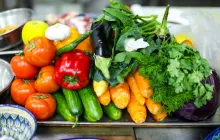
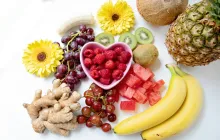
A well-stocked pantry and thoughtful shopping routine lay the foundation for nutritious snacks. Start with a core set of versatile items that pair well together and offer multiple flavor possibilities. Whole fruits such as apples, bananas, pears, and berries provide convenience and natural sweetness, while fresh vegetables like carrot sticks, cucumber slices, and bell pepper strips add crunch and color. Plain yogurt or yogurt cups make a creamy base for fruit and a source of calcium and protein when combined with fiber from fruit or oats. Whole grains offer satisfying texture and lasting energy; consider options such as whole grain crackers, oats, brown rice cakes, or popcorn without excessive salt. Legumes like hummus or bean dips add protein and fiber, and a small jar of nut or seed butter introduces healthy fats and flavor depth when paired with fruit or crackers. For dairy-free or lower-allergen households, plant-based milks fortified with calcium and vitamin D, along with seeds and soy products, can fill similar roles. Nuts and seeds provide nourishment but must be offered with caution if there are allergy concerns, and ground or finely chopped forms can be safer for younger children while still delivering nourishing fats and minerals. Healthy fats can also be added through cheese, avocado, and olive oil-based dips, which round out snack options. When choosing packaged items, read labels to avoid high added sugar, excessive sodium, and unfamiliar additives, opting instead for products that list simple ingredients and recognizable flavors. A practical pantry plan also includes batch-friendly staples such as oats for quick bites, dry fruit mixed into oats or yogurt, and spices or natural flavor boosters like cinnamon or vanilla to enhance taste without extra sugar. By keeping a steady supply of core ingredients, families can respond quickly to snack needs, reduce the temptation of ultra-processed options, and maintain a kitchen that supports experimentation and creativity.
Balancing macronutrients and micronutrients
Balancing macronutrients means ensuring snacks provide a mix of carbohydrates, protein, and fats while still delivering vitamins and minerals through fruits, vegetables, dairy, and fortified foods. A simple rule of thumb is to aim for a vivid plate that combines at least two food groups with a colorful fruit or vegetable at every snack, which makes the meal feel appealing and reinforces a diverse nutrient intake. For example, pairing a yogurt bowl with chopped fruit and a handful of nuts introduces protein, calcium, fiber, healthy fats, and micronutrients in one satisfying portion. Alternatively, a small whole grain tortilla spread with hummus and decorated with cucumber slices brings together complex carbohydrates, plant-based protein, fiber, and hydration from the vegetables. A slice of cheese with apple wedges offers calcium and protein along with natural sugars and fiber to balance the experience. When time is limited, pre-frozen vegetables, ready-to-eat salads, and single-serve cheese portions can be combined with portable fruits and unsweetened yogurt to create quick, nutritious choices. Micronutrient density comes from colorful fruits and vegetables, dairy products or fortified alternatives, and whole grains that retain their mineral content. It also helps to consider foods rich in iron, calcium, vitamin D, and iodine, particularly for younger children who are in rapid growth phases. Throughout the day, hydration remains essential, so choosing water as the main drink and limiting juices to small servings supports overall nutrient delivery without excessive calories from beverages. By weaving together these elements, snack time becomes a practical moment to meet daily nutritional targets in an enjoyable and approachable way.
Allergies, safety, and picky eaters
Allergies are a critical consideration in snack planning, requiring careful attention to ingredients, cross-contamination risks, and clear communication with caregivers and schools. If a child has a known allergy, substitute similar nutrients from other sources to ensure no nutrient gaps occur, and maintain a clean preparation area to minimize accidental exposure. It is also helpful to label snack containers clearly and store allergen-containing foods separately, especially when multiple children share a kitchen or take snacks to school. For families without allergies, variety remains important to broaden exposure and reduce picky eating tendencies. When a child is a selective eater, instruments such as repeated exposure, positive reinforcement, and pairing familiar flavors with new textures can gradually widen the palate. It is beneficial to offer small tastes of new combinations alongside familiar favorites so that the transition feels safe and low pressure. If a child expresses dislike for a certain texture, color, or flavor, give them time, provide alternatives that still offer nutrient value, and avoid turning snack time into a battlefield. Consistency, warmth, and patience help children feel in control of their choices while still guided by practical nutrition goals. In situations where cultural or regional foods shape preferences, honoring those traditions while integrating nutritious twists creates a sense of belonging and reduces resistance. Safety practices extend to handling foods correctly, cooking meat to safe temperatures when included in snacks, and storing perishable items promptly to prevent spoilage. A mindful approach to allergies and pickiness fosters a balanced and inclusive snacking environment that supports every child's health and wellbeing.
Texture, color, and sensory appeal
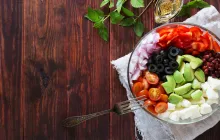
A successful snack engages more than taste; texture and color play powerful roles in a child's willingness to try new items. Crunchiness from vegetables or toasted nuts, creaminess from yogurt or cheese, chewiness from whole grains, and smoothness from fruit purees all contribute to a sensory-rich experience that keeps snack time exciting. The visual appeal of brightly colored produce and neatly arranged portions can entice kids to explore flavors they might initially resist. By presenting small, manageable bites with varied textures, parents can encourage mindful chewing and slower eating, which aids digestion and helps children recognize fullness signals. Texture variety also supports oral development and can be important for younger children who are learning to master different mouthfeel sensations. Colorful combinations such as milk-white yogurt with crimson berries, avocado-tomato mash with whole grain crackers, or orange slices paired with creamy cheese can create pleasant expectations and positive associations with nutritious foods. Emphasizing natural flavors rather than added sweeteners helps establish a palate that appreciates fruit sweetness and subtle, savory notes from vegetables and dairy. Through thoughtful design, snack time becomes a playful exploration rather than a chore, reinforcing lifelong healthy eating habits.
Involving children in snack creation
Empowering kids to participate in snack preparation builds confidence, nurtures independence, and increases the likelihood that they will eat what they helped to make. Simple tasks such as washing fruit, washing vegetables, tearing lettuce for a quick wrap, spreading nut butter on crackers, or assembling a yogurt parfait can become engaging activities that develop fine motor skills and a sense of responsibility. When children help with selection, washing, measuring, and arranging portions, they learn important lessons about nutrition, portion control, and kitchen safety. Involvement should be paced to the child’s age and ability, with clear safety guidelines and close supervision when necessary. For younger children, hands-on tasks that require minimal risk, such as rinsing berries or arranging bite-sized pieces on a plate, work well. With older kids, more complex tasks such as measuring ingredients for simple dips, whole-grain baking projects, or crafting fruit skewers provide opportunities to build planning skills and mathematical awareness. The social aspect of snack time is also valuable; preparing snacks together can become a bonding experience that reinforces healthy choices and shared family values around nourishment. By inviting children into the process, families foster curiosity, reduce resistance to new foods, and create a positive culture around meals and snacks.
Quick and portable ideas for busy days
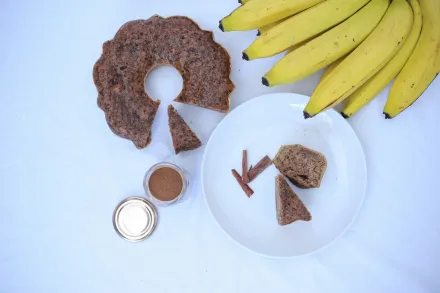
Busy schedules demand snacks that are easy to assemble, travel well, and stay fresh without refrigeration for extended periods. A practical approach combines shelf-stable items with fresh fruits or dairy when possible. For example, a small whole grain tortilla spread with hummus and topped with cucumber slices travels nicely as a grab-and-go option, while a container of yogurt can be paired with a handful of berries for a quick, balanced treat. Oatmeal cookies made with whole grains and mashed banana offer a way to satisfy cravings while delivering fiber and energy, especially when paired with a piece of fruit. Trail mixes that are carefully composed to focus on nutrient-dense ingredients reduce the appeal of less healthy components and provide sustained energy during activities. String cheese or cheese cubes accompanied by apple slices deliver calcium and fiber in a compact package. Frozen fruit bars made from pure fruit and water can be a refreshing choice on warmer days, serving as a hydrating alternative to sugar-laden snacks. It is important to keep portions modest and to monitor ingredient quality, especially if snacks are prepared days in advance. The key is to have a few dependable combinations that require minimal prep, but can be customized with whatever fresh produce is available, making snack time responsive to seasonal changes and family routines.
Snack planning for different ages
As children grow, their snack needs and preferences evolve. Younger toddlers often require smaller portions and gentle textures to support chewing development and reduce choking risk, while preschoolers may enjoy more resistance and bite-sized pieces. School-age children typically appreciate variety and can handle more complex flavors and textures, which allows for more creative combinations and theme-based snack ideas. For adolescents, snack choices become crucial for supporting energy demands during long school days, sports participation, and social activities. In all cases, the emphasis remains on nourishing choices rather than indulgence, with attention to portion sizes, allergen awareness, and the overall balance of nutrients across meals. Younger children benefit from familiar flavors as a foundation while gradually being introduced to new tastes through repeated exposure. As kids age, experimenting with ingredients from different cuisines can broaden their palate and promote appreciation for a diverse range of healthy foods. Across ages, a dependable pattern involves a protein source, a fiber-rich carbohydrate, and a fruit or vegetable, ensuring that every snack offers a meaningful uplift rather than purely empty calories.
Hydration and beverages alongside snacks
Hydration plays a crucial role in how snacks affect energy, mood, and digestion. Water should be the primary beverage offered with snacks, helping to maintain hydration without adding unnecessary sugars. If a child drinks juice, limit it to small portions and choose 100 percent fruit juice with no added sugar, while encouraging the whole fruit as well to maximize fiber intake. Milk provides calcium and protein, which complements many snack combinations, particularly when paired with fruit, whole grains, or vegetables. For children with lactose intolerance or those who avoid dairy, fortified plant milks can be used as alternatives, ensuring adequate intake of calcium and vitamin D. Be mindful of flavored beverages that contain added sugars or artificial sweeteners, choosing unsweetened options whenever possible. Consistency in offering fluids alongside meals and snacks supports overall health, digestion, and mood regulation, particularly in active children who sweat during play and sports. A thoughtful hydration plan also considers cultural practices and family preferences, creating a routine that is sustainable over time.
Techniques for preparing snacks in advance
Advance preparation can turn snack time into a smooth, dependable routine rather than a frantic scramble. Batch cooking on weekends or free afternoons allows families to portion out ready-to-go options for the week. For instance, washing and chopping vegetables in advance makes quick vegetable sticks accessible for dipping, while portioning cheese slices or yogurt into containers saves time during busy mornings. Overnight oats and yogurt parfaits layered in clear cups can be assembled with minimal effort and stored in the fridge for quick access. Freezing portions of fruit or veggie puree to be used in smoothies or as bases for quick dips extends shelf life and reduces waste. Proper storage is essential to maintain freshness and prevent spoilage; keeping perishable items at appropriate temperatures and using clear labeling with dates helps families track what should be used soon. Rotating pantry staples so that nothing sits unused for too long minimizes waste and ensures a steady supply of nutritious options. Incorporating kid-friendly containers and lids also promotes responsibility and makes snack routines more manageable in school, daycare, or after-school care settings.
Flavor boosters and safe flavor combinations
Flavor variety can transform ordinary snacks into exciting treats without compromising nutrition. Natural flavor boosters such as cinnamon, vanilla, cocoa powder, or a squeeze of lemon can elevate the taste of fruits, yogurts, or whole grains without relying on added sugars. A gentle drizzle of honey or maple syrup is sometimes acceptable in small amounts for older children, but it should be limited and paired with protein or fiber-rich foods to slow sugar absorption. Fresh herbs like mint or basil can add a surprising twist to dips and yogurt bases, while roasted seeds contribute crunch and warmth to snacks. Pairing sweet fruits with savory elements, such as apple slices with cheese or yogurt with cucumber and dill, creates a balance that can be appealing to children while teaching them to appreciate contrasting flavors. When introducing new pairings, offering small portions alongside familiar favorites reduces anxiety and invites curiosity without overwhelming the senses. By enhancing flavor in healthy ways, snack time becomes a moment of exploration that reinforces positive attitudes toward nutritious foods.
Creative presentation and encouraging healthy choices
Presentation matters as much as content when it comes to encouraging kids to choose nutritious options. Arranging snacks in visually pleasing ways, such as tiny towers of fruit skewers, rainbow plates featuring a variety of colors, or bento-style compartments that separate different flavors, helps children understand balance and portioning. Storytelling around snacks, such as naming a dip after a favorite character or describing a color theme for the day’s plate, can make healthy choices memorable and fun. Involving children in the design of their snack plate or container fosters autonomy and accountability, while parents model choosing fruits and vegetables alongside their children. Variety in texture, color, and taste reduces monotony and supports ongoing engagement in trying new foods. Sensory play, such as encouraging kids to name textures they feel in each bite, can also strengthen mindful eating habits. Overall, the goal is to create an inviting snack culture in which nutritious options are easy to access, aesthetically pleasing, and emotionally satisfying, which in turn supports healthy growth and positive family dynamics around food.
Sustainability and cost considerations
Sustainability and budget-conscious choices influence what families can realistically sustain over time. Buying in-season produce, shopping with a list, and planning snacks around bulk staples help reduce waste and lower costs while ensuring nutrition remains a priority. Cooking from scratch using simple ingredients often provides better value than many packaged snacks and also offers opportunities to customize flavors and textures to suit a child’s preferences. Recycling kitchen scraps, composting fruit and vegetable peels when appropriate, and choosing reusable containers support environmental stewardship while teaching children responsible habits. When resources are limited, prioritize nutrient-dense options such as dairy or fortified plant-based alternatives, whole grains, legumes, and a mix of fresh produce with frozen varieties that retain nutritional value. Seasonal menus and community resources, including farmers markets, co-ops, and school programs, can broaden access to healthy foods at affordable prices. By integrating sustainability into snack planning, families create routines that are not only good for health but also good for the planet, reinforcing values of care, responsibility, and stewardship in everyday choices.
Healthy snacking for kids is a dynamic and ongoing practice that evolves with age, preferences, and life rhythms. By applying the principles outlined here, families can transform snack time into a supportive, enjoyable, and educational experience that nourishes bodies, minds, and relationships. The aim is to cultivate a habit that children carry forward into adolescence and adulthood, building resilience against unhealthy temptations and fostering curiosity about foods that sustain energy, growth, and lifelong wellbeing. The process requires patience, experimentation, and consistent routines, but the payoff is meaningful: meals and snacks that satisfy hunger, support development, and cultivate a positive, confident attitude toward nourishment. Embracing this approach means empowering children to make informed choices while offering guidance, flavor, and variety in ways that are practical, affordable, and enjoyable for the whole family. Through thoughtful planning, collaborative preparation, and steadfast patience, snack time becomes a powerful tool in nurturing healthy, happy children who feel capable and cared for in every bite.