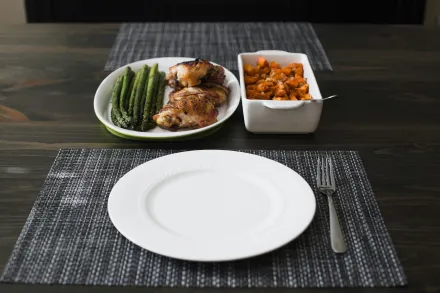
In the rush of daily life, the idea of a perfectly balanced dinner can feel like a distant goal. Yet with a thoughtful approach that blends planning, smart shopping, and efficient cooking methods, you can assemble meals that satisfy all the important elements of nutrition while still arriving at the table in a matter of minutes. The essence of a balanced dinner lies in combining vegetable abundance, a good source of protein, and a serving of complex carbohydrates along with a modest amount of healthy fats to round out flavor and satiety. The aim is not to chase perfection every night but to create a dependable routine that delivers nutrition and flavor with less time spent in front of the stove. The rhythm of a well designed week can transform dinners from a daily stressor into a comfortable habit that supports energy, mood, and long term health. A steady approach balances macro nutrients with micro nutrients and keeps meals varied enough to avoid fatigue, yet simple enough to avoid fatigue in the kitchen. The process relies on habits that reduce decision fatigue and on techniques that translate into faster results without sacrificing taste or nutrition. This guide explores a practical pathway to balanced dinners that you can implement when days run long and your appetite for cooking remains high but your available time is limited.
Planning a Balanced Dinner Fast
Effective planning begins long before the dinner hour and starts with a clear mental map of what constitutes balance. Picture a plate or a bowl divided into sections where vegetables fill a generous portion, a lean protein anchors the meal, and a portion of whole grains or starchy vegetables provides sustaining energy. The fats that accompany the dish, whether olive oil, avocado, seeds, or nuts, add richness and help the body absorb fat soluble vitamins from the vegetables. When planning, think in terms of color, texture, and flavor variety as signals of a diverse nutrient intake. It helps to commit to a short list of versatile ingredients that can be swapped based on what is in the pantry or at the market. A flexible mindset lowers the effort required to assemble a dinner and keeps the process enjoyable rather than a chore. As you plan, consider the pace of the evening, the size of the family, and any dietary preferences or restrictions. A plan that accommodates leftovers can become a powerful ally, because it reduces both shopping time and cooking time while preserving the notion of a complete meal. The core is to balance vegetables, protein, and carbohydrate while maintaining taste and simplicity, and to adapt this balance to what is readily available and affordable in the moment. The habit of mapping out a simple dinner idea before you open the fridge or walk through the grocery aisles can dramatically reduce decision fatigue and speed up the entire process.
Smart Shopping for Speed and Balance
Smart shopping leans on stock and stock like items that are nutrient dense and quick to prepare. Building a pantry around a few reliable staples makes weeknight meals faster while preserving a sense of variety. Think of a set of base ingredients that can pair with fresh produce and a handful of proteins that cook quickly or are pre prepared. Frozen vegetables, for instance, retain most of their nutrients and can be thawed quickly, delivering color, fiber, and micronutrients with minimal effort. Canned beans and lentils offer a protein and fiber boost without the need for long simmering, while whole grains such as quinoa or brown rice provide complex carbohydrates with a satisfying texture. Choosing proteins that cook in a short time, like chicken breasts, lean pork, firm fish, or plant based options such as tofu or tempeh, keeps dinner times brisk. Flavor boosters such as garlic, onions, citrus, fresh herbs, and spices add bright notes without requiring lengthy prep. The aim is to assemble a small repertoire of go to ingredients that can be combined in different ways to create new meals, which reduces shopping time and ensures you always have the building blocks for a balanced dinner. A practical approach is to maintain a running list of two or three protein options, two or three starch or grain options, and a broad selection of vegetables that can be cooked rapidly or enjoyed raw as part of a salad or a quick sauté. When the pantry is organized around these core items, the act of shopping becomes an efficient ritual rather than a weekly scavenger hunt.
Efficient Kitchen Setup and Workflow
The layout of the kitchen and the order in which tasks are performed can shave minutes off every dinner. A few structural choices can create a smoother workflow. Start with a cooling rack, a clean cutting board, and a sharp knife placed within easy reach, plus a set of storage containers that make reheating and repurposing leftovers simple. When you cook, consider initiating a bulk preparation that can be used across several meals. This could mean roasting a tray of vegetables all at once or cooking a batch of grains that can be portioned into different dinners. The idea is to parallelize tasks so that while a protein cooks, you can rinse vegetables, prepare sauces, or reheat a previous batch of grains. A well organized kitchen reduces friction and frees mental energy for flavor decisions rather than operational ones. If space is limited, a few compact tools can still significantly speed things up: a well maintained nonstick pan, a steady sauté pan, a dependable skillet, and a sheet pan can handle a large portion of weeknight meals. By setting up a consistent routine and keeping ingredients accessible, you create a streamlined process that supports speed without sacrificing quality.
Protein Sources That Cook Quickly and Satisfy
Proteins are the anchor of a balanced dinner and choosing ones that cook quickly matters when time is tight. Lean chicken or turkey breast can sear in minutes and yield a juicy interior when resting briefly after cooking. Fish fillets such as salmon or tilapia typically cook in under ten minutes and offer rich flavor with minimal fuss. Eggs, though often associated with breakfast, can serve as a quick protein element in dinners when combined with vegetables and grains. Plant based options like tofu or tempeh absorb flavors well and can be prepared in a short time with a quick marinade. For a more varied repertoire, consider a handful of pantry friendly proteins that you enjoy and can rotate through the week. A small amount of protein goes a long way when balanced with vegetables and a measured portion of carbohydrates. The goal is not to chase large portions but to achieve fullness with quality ingredients and efficient cooking methods that preserve texture and moisture. The result is a dinner that feels substantial, nourishing, and satisfying without forcing you into long cooking sessions.
Carbohydrates That Fuel Without Slowing You Down
Complex carbohydrates provide lasting energy and a sense of fullness without a heavy aftertaste. Whole grains such as quinoa, brown rice, farro, or barley offer texture and nutrients while cooking relatively quickly, especially when prepared in advance and reheated. Starches like sweet potatoes or roasted squash bring natural sweetness and depth to a plate, balancing flavors with minimal effort. Legumes such as chickpeas or lentils contribute both protein and fiber, supporting digestion and satiety. When pairing carbohydrates with vegetables and protein, aim for a portion that feels satisfying but not overwhelming. A practical rule is to fill roughly a quarter of the plate with the chosen carbohydrate and use the remainder for vegetables and protein, creating a balanced plate that is visually appealing and nutritionally sound. Adjusting the carbohydrate portion based on activity level and appetite can help maintain energy without leaving you sluggish after dinner. The key is to choose options that cook evenly, reheat well, and contribute to a diverse taste profile across meals.
Vegetables as the Heart of Flavor and Fiber
Vegetables deliver a spectrum of nutrients, fiber, and color that make dinners vibrant and satisfying. Fresh vegetables can be steamed, sautéed, roasted, or raw in salads, each method unlocking different flavors and textures. Frozen vegetables offer speed and convenience while still delivering considerable nutritional value. A balanced dinner uses a generous serving of vegetables to boost volume, provide vitamins and minerals, and offer a variety of textures that keep meals interesting. When planning the vegetables for a dinner, aim to include at least one cruciferous option for crunch and fiber, a leafy green or colorful veggie for micronutrients, and something with natural sweetness to complement proteins and grains. The preparation can be quick and flexible; a rapid stir fry, a light roasted tray, or a fresh salad can all bridge the gap between time and nutrition. By making vegetables a central component, you ensure that every dinner contributes to long term health and daily fiber targets without requiring elaborate techniques.
One Pan and One Pot Magic
One pan and one pot meals are natural allies of quick balanced dinners. A single skillet or a sheet pan can contain protein, vegetables, and a starch into a cohesive dish with minimal cleanup. The technique often involves browning protein first to develop flavor, then adding vegetables and a compatible seasoning or sauce to finish cooking in the same vessel. This approach minimizes washing and allows flavors to meld together, producing a hearty dinner in a short window. For those who prefer more variety, a slow simmer or a short boil that culminates in a multi component plate can still adhere to the idea of a single pot if the timing is coordinated. The key is to select recipes or routines that consistently result in fully cooked components within roughly the same cooking window, so everything comes together at the same time. A practical mindset is to plan dinners around a couple of reliable one pan or one pot methods, then rotate proteins, vegetables, and starches to keep the menu interesting without increasing complexity.
Batch Cooking and Smart Reuse
Batch cooking creates a foundation that can power several dinners with minimal daily effort. By preparing a larger quantity of grains, roasted vegetables, or legumes on a dedicated cooking day, you unlock the ability to assemble multiple dinners quickly during the week. Reusing prepared elements reduces the amount of active cooking time needed each evening while maintaining nutritional balance. The trick lies in designing batch prepared items that pair well with a variety of proteins and flavors. For example, a pot of quinoa can become a base for a warm bowl with roasted vegetables and a quick lemon tahini drizzle, or be folded into a cold salad with chickpeas and herbs. Batch cooked proteins such as chicken breast can be sliced and added to wraps, bowls, or a quick stir fry. When you keep a small stock of ready to go components, dinner time becomes a matter of combination rather than starting from scratch, which dramatically shortens the time from decision to table without compromising balance or taste.
Flavor Boosts Without Complexity
A balanced dinner should be flavorful enough to feel satisfying even when time is short. Flavor boosters like citrus juice and zests, fresh herbs, garlic and onions, toasted seeds, and a splash of good quality olive oil can transform simple ingredients into a meal that feels complete. The trick is to layer flavors with a light hand so that the dish remains bright and balanced rather than heavy. A drizzle of lemon over roasted vegetables, a sprinkle of sesame seeds on a stir fry, or a yogurt based sauce on a lean protein are small touches that elevate meals substantially without requiring long preparation or expensive ingredients. It is possible to develop a small set of go to flavor combinations that align with your dietary preferences. This approach allows you to assemble dinners that feel intentional and satisfying while staying within a narrow time frame. The more comfortable you become with these flavor strategies, the quicker you will be able to finish a dinner without sacrificing depth or complexity of taste.
Healthy Fats to Round Out the Plate
Healthy fats are essential for flavor and for the absorption of fat soluble vitamins present in vegetables. They also provide a feeling of fullness that helps prevent overeating. A drizzle of olive oil over roasted vegetables, the creaminess of avocado in a bowl, a handful of nuts or seeds on a grain based dish, and a light yogurt or tahini sauce can contribute texture and satisfaction without complicating preparation. The objective is to include a modest amount of fat that complements the protein and carbohydrates and enhances the overall mouthfeel of the dish. When fats are used thoughtfully, they allow the taste profile of a simple dinner to become nuanced and comforting, even on busy nights. Fats should be balanced with the other components so that meals remain digestible and energizing rather than heavy or greasy. A light approach, using flavorful yet moderate fat additions, supports balance across macro nutrients without adding excessive time or effort.
Time Saving Techniques That Don’t Sacrifice Quality
Speed in the kitchen often comes from a combination of technique and organization. Techniques such as browning proteins in a hot pan to create a shallow sear, then finishing with vegetables in the same pan can deliver a delectable result in minutes. Slicing vegetables evenly and using high heat to promote quick caramelization can add depth of flavor with little extra effort. Don’t overthink the cooking process; instead, trust the fundamentals: heat, moisture management, and proper seasoning. Resting proteins briefly after cooking helps retain moisture and ensures a nicer texture when served with hot vegetables. Keep a small repertoire of sauces that can be whisked quickly in a bowl and tossed with the main components to create variety without extra steps. When these speed oriented strategies become routine, preparing balanced dinners becomes a matter of executing a few reliable steps in a sequence rather than planning an elaborate meal each night. The more consistent these steps become, the more dinners you will be able to place on the table in a short window of time and with confidence in their nutritional balance.
Portion Control for Nutrition and Enjoyment
An important element of balanced dinners is portion control. It is easy to overshoot on calories especially when meals are comforting and flavorful. A practical approach is to visually divide the plate into portions that reflect the balance you want to achieve: a larger portion of vegetables, a moderate portion of protein, and a wholesome serving of carbohydrates. This division not only promotes nutrition but also supports portion awareness that helps manage energy intake. The amount of fat included should be mindful and modest, contributing to flavor without dominating the plate. By using density rather than rigidity in portions, you can tailor meals to individual needs and activity levels. The goal is to arrive at a dinner where the ratio of vegetables to protein and starch feels satisfying and sustainable, so you finish the meal with a sense of balance rather than a feeling of heaviness. A mindful approach to portioning works in tandem with batch prepared components to maintain a consistent standard across busy weeks.
Accompaniments and Micro Dishes That Make a Complete Dinner
Small additions that are easy to prepare can transform a simple plate into a complete and satisfying dinner. A crisp fresh salad with a light vinaigrette provides volume and fiber, a yogurt based sauce adds tang and creaminess, and a handful of roasted chickpeas adds crunch and extra protein. These micro dishes do not require much extra time if you have a sense of what pairs well with the main components. A citrusy slaw or a quick pickled vegetable can introduce brightness, while a warm herb oil can bring cohesion to a dish that uses a variety of ingredients. The key is to select accompaniments that require minimal prep or can be assembled from pantry staples. When you integrate these small but impactful elements into your dinner planning, you unlock new flavor possibilities without increasing time spent in the kitchen, preserving speed while expanding the repertoire of balanced meals you can confidently prepare.
Dietary Flexibility and Inclusivity
Balanced dinners should respect dietary preferences and restrictions while remaining delicious and accessible. Whether you are cooking for omnivores, vegetarians, or those with dietary needs such as gluten free or dairy free, there are plenty of paths to a nourishing plate. The strategy is to lean into plant based combinations that support fiber intake and micronutrients, or to choose lean protein options that align with the dietary framework you follow. When you create meals that can be easily adapted, you cultivate a flexible approach that reduces the need to reinvent the wheel every night. Flavor profiles can be adjusted by swapping herbs, spices, and dressings to suit different diets, ensuring that you can enjoy variety without complicating the cooking process. The ultimate aim is to maintain balance, flavor, and satisfaction across a range of preferences, so every dinner remains approachable and enjoyable.
Weekly Rotation and Variety Without Chaos
A simple rotation plan helps you avoid fatigue and still deliver balanced dinners across the week. By intentionally selecting a handful of proteins, vegetables, and carbohydrate options that pair well together, you can mix and match to create new meals without needing new recipes every night. The rotation should emphasize color, texture, and nutrient density, making it easy to substitute ingredients based on what is fresh or on sale. A thoughtful weekly rhythm reduces decision making on busy evenings and helps you maintain nutritional goals. This approach does not require rigid schedules but rather a guiding framework that supports quick decisions while ensuring that no single nutrient category is neglected over time. Over weeks, a well designed rotation becomes second nature, so you can produce a satisfying dinner with minimal planning and maximum confidence.
Seasonal Influence and Freshness
Seasonality matters for both flavor and nutrition. Fresh produce shifts in taste and price with the seasons, offering opportunities to highlight peak produce in your dishes. When you align your dinner planning with the seasonal harvest, you gain access to vibrant vegetables and fruits that enrich meals and often reduce cost. Quick cooking methods that protect texture are especially effective with seasonal items, allowing you to enjoy crisp vegetables and bright flavors while maintaining speed. The balance remains stable even as available produce varies, because you keep a core set of ingredients that are always capable of pairing with the seasonal adds. This synergy between seasonality and efficiency ensures dinners stay exciting and flavorful while you maintain a consistent standard of nutrition and time management.
Mindful Eating, Satiety, and Energy Alignment
Balanced dinners are not solely about meeting macro targets but also about supporting mindful eating and steady energy through the evening. Paying attention to portion sizes, eating slowly when possible, and savoring the flavors helps your body register fullness more accurately, leading to better appetite control and less snacking after meals. A well balanced dinner that emphasizes protein, fiber rich vegetables, and whole grain or starchy carbohydrates tends to provide sustained energy that can prevent late night cravings. When meals are prepared with intention and flavor, the act of eating becomes a pleasant ritual rather than a rushed necessity. Mindful practice in the kitchen translates into better digestion and more stable energy levels, making it easier to maintain healthy routines across days that require extra attention or longer work hours. The goal is not perfection every night but a consistent pattern that supports well being and enjoyment.
Common Pitfalls and How to Avoid Them
Even with a clear plan, pitfalls can derail dinner time. Overly heavy sauces can add unnecessary calories and reduce the feeling of balance; under seasoning can leave meals bland and unsatisfying; reliance on ultra processed convenience items can erode health goals. The antidote is to keep the cooking process simple, rely on fresh or well preserved ingredients, and season with bright, light touches that lift flavor without adding complexity. When a dinner feels flat, a quick finish with citrus, fresh herbs, a splash of vinegar, or a spoon of yogurt can bring it to life. If you find yourself with less time than expected, turn to a reliable core recipe that can be completed in a short window, and keep a small set of rapid adjusters such as prewashed greens, a jar of tomato sauce, or a quick pesto that can be whisked into the dish for a flavorful lift. The more you anticipate and prepare for these common issues, the smoother your dinners become, preserving balance and taste even on chaotic days.
Safety, Hygiene, and Quality Control
Safety and quality are essential parts of any cooking routine. This includes proper storage of perishable ingredients, careful handling of raw proteins, thorough washing of vegetables, and ensuring that cooking temperatures meet safety standards. A quick routine before cooking—checking the fridge for spoilage, confirming that meat is fresh or properly thawed, and confirming that leftovers have been stored safely—helps prevent waste and potential foodborne illness. While speed is important, it should not trump safety. By integrating safe handling into your workflow, you maintain the integrity of ingredients and protect your health, which is the foundation of enjoying balanced dinners night after night. A calm, methodical approach to cooking that emphasizes hygiene creates a reliable environment where fast dinners are not a hazard but a normal, healthy habit.
Adapting for Special Weeks and Busy Seasons
Life has seasons just as a garden does, with periods of heavy workload, social events, travel, or family changes that can challenge dinner routines. The strategy remains consistent: lean on quick, flexible bases like a batch of grains, a selection of proteins, and an assortment of vegetables that can be flashed together into nourishing meals. During particularly hectic stretches, a plan that relies more on temperature and timing than on elaborate recipes can be especially valuable. Sheet pan meals become a staple because they require minimal attention, keep the kitchen clean, and deliver a complete dinner with a few simple steps. Even when demands increase, the core idea of balancing vegetables, protein, and carbohydrates can guide decisions and keep meals aligned with nutritional goals. By embracing adaptability, you preserve the objective of balanced nutrition while honoring the realities of a busy life, making dinners both feasible and comforting across changing weeks.
Putting It All Together: A Day to Dinner Rhythm
Developing a reliable rhythm from shopping to plating helps transform a potentially stressful moment into a confident routine. Start with a quick mental inventory of what is on hand and what could be prepared in advance. A short prep session can include washing and chopping vegetables, pre measuring spices, or marinating a protein before the day ends. When dinner time arrives, bring everything together by executing a few core steps in a predictable sequence: start cooking the protein to a near finish, move to the vegetables for a fast heat or roast, and then combine the elements with a starch or grain that has already been prepared. A final touch of herbs, citrus, or a light sauce can tie the components together and elevate the dish. By following a familiar cadence, you reduce cognitive load and accelerate the journey from decision to dinner, preserving balance, flavor, and nutrition even during busy periods. The rhythm becomes the backbone that supports a sustainable, joyful cooking practice rather than a source of stress.
With careful planning, thoughtful shopping, a practical kitchen setup, and efficient cooking strategies, you can create dinners that are balanced, satisfying, and quick. The objective is to build a repertoire that blends vegetables, lean proteins, complex carbohydrates, and healthy fats in ways that feel natural and enjoyable. The process supports a healthy relationship with food while delivering meals that fuel your days and nourish your body. By embracing batch preparation, versatile ingredients, and flavor layering, you create a flexible framework that makes balanced dinners a consistent reality rather than a rare achievement. The approach is not about chasing strict rules but about cultivating a reliable approach that respects time, taste, and well being. In this way, balanced dinners become a sustainable habit that grows stronger with practice, turning the evening meal into a dependable source of energy, satisfaction, and nourishment for you and those you feed.