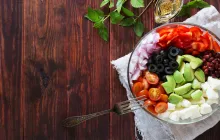
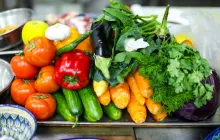
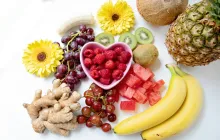
Seasonal fruits and vegetables carry a vitality that is difficult to replicate with out of season imports, and embracing them can transform everyday meals into a celebration of the changing year. This article explores a thoughtful approach to weaving the rhythms of the seasons into cooking, shopping, storage, and everyday life. It moves beyond simply picking a fruit or vegetable when it is available and instead focuses on understanding when produce is at its peak, how to source it responsibly, and how to prepare it in ways that honor flavor, texture, and nutrition. The goal is to create a flexible framework that fits varied tastes, dietary needs, and kitchen setups while maintaining a deep connection to the place and time of year.
To begin, consider the idea that seasonality is a living calendar written in the markets and on the farms near your home. The first step is cultivating awareness of the foods that shine during each season and recognizing that abundance can emerge in intriguing, unexpected forms. Rather than chasing a fixed repertoire of dishes, a seasonally oriented approach invites curiosity about what grows readily where you live, what stores and farmers markets offer in abundance, and how that abundance can inform menu planning, simple weeknight meals, and more elaborate celebrations. The result is a cooking practice that feels grounded, responsive, and personal, rooted in local ecosystems and human ingenuity alike.
Seasonal eating also encourages a more sustainable relationship with food. When produce is harvested at or near its peak, it typically requires less energy to arrive at your table, preserves more nutrients, and supports farmers who work in harmony with natural cycles. This alignment with nature often translates into crisper textures, brighter colors, and richer aromas that make cooking more enjoyable and eating more satisfying. The practical experience of selecting seasonal produce—feeling the weight of a heavy melon, the bright sheen of a just-picked pepper, or the delicate fragrance of ripe berries—hands you a direct line to the story behind the food and invites a deeper appreciation for culinary choices.
In practice, the seasonal approach blends knowledge, observation, and improvisation. It requires paying attention to markets, noting what arrives in small quantities before it becomes abundant, and being open to improvising menus around what looks and smells best on a given day. The process becomes a form of daily discovery, with each shopping trip offering a clear glimpse of the season’s personality. Importantly, this approach does not demand perfection or rigidity; it invites flexibility, experimentation, and a willingness to adapt recipes to the realities of local harvests, weather, and supply chains. The more you practice, the more intuitive this balance becomes, and your kitchen begins to feel less like a set of recipes and more like a living dialogue with the land.
Begin by cultivating a mental map of the seasons as they relate to your climate. If you live in a temperate region, spring may bring leafy greens, early herbs, citrus in milder pockets, and the first strawberries or cherries as the air warms. Summer might unfold with tomatoes, peppers, stone fruits, and plenty of herbs alongside a chorus of berries. Autumn often presents pumpkins, root vegetables, apples, pears, and hardy greens, while winter can reveal citrus in certain regions, hardy greens, squashes, and preserved foods. This map is not a rigid timetable but a living guide that informs decisions about shopping, meal ideas, and how to use produce before it loses its best attributes. As you get to know your local markets and your pantry, you will start to anticipate the flow of ingredients rather than chase a calendar marked by a universal set of flavors.
In addition to seasonal awareness, it helps to consider the sensory cues that signal peak quality. The scent of ripe fruit, the weight and feel of a vegetable, the color contrasts of a fruit’s blush or a leaf’s sheen—all are important indicators. The practical skill of evaluating produce by appearance and aroma empowers you to select produce that offers maximum flavor potential while avoiding overripe items that may yield less vibrant results. This form of sensory literacy also reduces waste because you learn to judge progress and freshness more accurately, making fewer trips back to the market merely to replace items that have deteriorated too quickly. It is also worth noting that some produce may be available for long or short windows depending on varieties and local microclimates, so your calendar can be customized to your neighborhood’s unique seasonal pattern.
Seasonal eating is fundamentally about balance and rhythm. It is not a one size fits all rule that excludes things from distant regions or year round produce. Rather, it emphasizes flavor and quality, encouraging you to savor what is in season while remaining adaptable enough to incorporate ingredients that are not at their natural peak if they bring desirable nutrition or a special memory to a dish. The approach honors both the reliability of familiar staples and the novelty that seasonal changes can bring. By letting the season guide your choices, your meals can maintain a sense of freshness and excitement throughout the year, and your cooking can become a reflection of the cycles that nourish the land and the people who tend it.
Understanding what is in season in your region
To build a practical understanding of what is seasonal where you live, start by visiting farmers markets, talking to growers, and reading market newsletters or community agriculture announcements. The more you engage with farmers and vendors, the more you learn about which varieties excel in your climate and at what point they are most flavorful. This knowledge translates into better shopping decisions, as you begin to recognize the difference between a tomato that tastes like summer and a tomato that tastes like something hauled in from a distance and ripened in transit. The flavor of seasonal produce is often a direct reflection of the local terroir, including soil, microclimate, and harvest timing. Immersing yourself in this information makes grocery shopping a richer experience and enhances your ability to design meals that celebrate local abundance rather than simply filling a plate with whatever is available.
When possible, seek guidance from local growers about peak times for their harvests. They can provide practical tips about picking ripe fruits and vegetables, storage considerations, and whether certain crops are better consumed right away or that they can be kept for a short period. This information is invaluable for planning weekly meals, as it helps you align your menu with the natural cadence of the fields. Paying attention to what crops dominate a stall in a given week is also a helpful strategy for discovering new ingredients and flavors that you may not have tried before. The season’s rhythm becomes a map that guides your palate, supports your budget, and encourages experimentation with new preparations, all while keeping your kitchen connected to the land that sustains it.
Another important aspect of understanding seasonality is recognizing that seasons can overlap. A late spring harvest, for example, may coincide with the early arrival of summer fruits, creating a transitional period that offers the best of both worlds. This overlap invites creativity in combining textures and flavors that complement one another, such as pairing a bright strawberry with a crisp cucumber and a handful of herb leaves for a refreshing salad, or mixing roasted root vegetables with fresh herbs for a comforting yet vibrant side dish. Embracing overlap encourages flexibility, reduces waste by using items at their peak concurrently, and keeps meals dynamic as the calendar shifts toward new harvests.
Seasonality also has an emotional and cultural dimension. In many communities, certain fruits and vegetables carry symbolic meanings or are tied to celebrations and traditions. Incorporating these foods thoughtfully into meals not only honors these associations but also deepens the sense of time and place in your cooking. The stories behind specific harvests—the way pumpkins arrived in autumn markets, the memory of summer berries picked with family, or the ritual of citrus season in a particular region—can enrich your culinary language and inspire dishes that feel meaningful rather than routine. The seasonal kitchen, then, becomes a place where memory, place, and taste converge in everyday life.
The practical implication of understanding seasonality is that your cooking practice becomes easier, more affordable, and more varied. When you know what is abundant, you can design menus around those ingredients, creating menus that minimize waste and maximize freshness. You will be more confident in substituting one in-season ingredient for another when plans need to change, because you understand how the flavors and textures relate to the season as a whole. This kind of adaptability is a valuable skill for home cooks who want to enjoy the process of cooking rather than feel constrained by rigid recipes. The result is a kitchen that feels flexible, resilient, and deeply satisfying to operate as the year unfolds.
Ultimately, embracing seasonal fruits and vegetables is an invitation to slow down and observe. It asks you to be curious about the origins of what you eat, to notice how markets shift with weather patterns, and to respond to what the land offers with thoughtful, well composed meals. It is a practice that enhances the pleasure of eating, improves the quality of meals, and strengthens the connection between the people who prepare food and the places where it grows. The more you participate in this rhythm, the more your cooking becomes a living dialogue with the seasons, the farms, and the communities that sustain you.
Choosing Seasonal Produce from Local Sources
Selecting seasonal produce from local sources begins with a mindset that values freshness, provenance, and the potential to reduce environmental impact. When you shop locally, you often encounter produce that has traveled only a short distance from farm to market, limiting the time between harvest and plate. This shorter journey helps preserve flavor and nutritional content, which can sometimes be diminished during long transport and storage. It also means you are more likely to encounter heirloom varieties, local cultivars, and produce that is adapted to the climate, resulting in distinctive flavors and textures that tell a regional story. The experience of shopping at a farmers market or in a neighborhood co op becomes a sensory education, where color, scent, and the tactile feel of each item guide your choices in ways that chain retailers rarely replicate.
To maximize the benefits of local sourcing, begin by observing the layout and cadence of the vendors. Notice when certain stalls bring in different crops, how the stands rotate crops with the seasons, and how the intensity of flavor changes as harvest time peaks. Listen for the farmers who speak with pride about their soil, their methods, or their seed choices, and seek their recommendations on how best to use a particular harvest. A conversation about seasonality is not simply a transaction; it is a chance to learn how a community grows food and to gain practical ideas about storage, preparation, and preservation that are tailored to the specific crops available in your region. Building relationships with growers and sellers creates a network that can adapt to weather, crop cycles, and market realities, ensuring that your meals consistently reflect the season’s character.
In addition to farmers markets, consider community supported agriculture programs, farm stands, and local food cooperatives as sources for seasonal produce. These channels often offer bulk options, share boxes that rotate through varieties, and access to more experimental crops that may not appear in conventional grocery aisles. Engaging with these programs can broaden your palate, introducing you to new textures and flavors that elevate everyday dishes. When you participate in such networks, you also contribute to the local economy and support farming practices that align with regional ecology and community needs. The choices you make in these contexts send a signal about your values as a consumer and as a cook, reinforcing a cycle of sustainability, nourishment, and shared responsibility toward the lands and people who bring food to your table.
Beyond sourcing, practical knowledge about storage helps you preserve the quality of seasonal produce. Different crops have distinct needs, with some thriving in a cool, dry pantry while others require refrigeration or humidity-controlled environments. A simple awareness of these differences can dramatically extend the life of your purchases and reduce waste. For instance, leafy greens often benefit from a gentle chill and a breathable storage approach that keeps moisture at bay, while many fruits prefer to be kept in a slightly warmer, fragrant setting to maintain aroma and sweetness. Being mindful of such nuances allows you to plan ahead for what you will cook and ensures that your ingredients retain their best characteristics as you move through the week.
Another flavorful strategy is to prioritize locally grown varieties that are bred for the region rather than chasing global standards. This emphasis on local cultivars often yields more intense flavors and better texture, because the plants have adapted to the local climate, soil conditions, and growing season. By choosing these varieties, you also contribute to biodiversity and help preserve agricultural heritage that might otherwise be lost in large scale supply chains. That decision, made at the market, can ripple into your kitchen as you discover how the crop behaves in your preferred cooking methods, how its sweetness evolves as it ripens, and how its distinctive notes complement other seasonal ingredients available at the same time.
When you encounter unfamiliar crops or varieties, approach them with curiosity rather than hesitation. Experiment with simple preparations that allow the natural character to shine, such as roasting a vegetable to concentrate its sugars, or lightly braising greens to soften bitterness while preserving their vibrant color. The key is to maintain a gentle balance between respecting the crop’s inherent flavor and applying your own culinary instincts. By approaching new produce with an open mind and a willingness to learn, you expand your repertoire in a way that remains faithful to the season and supportive of local producers. The experience becomes not just about feeding yourself but about engaging in a shared practice that connects farmers, markets, cooks, and households across the community.
As you refine your sourcing habits, you may notice a shift in how you plan meals. A clear picture emerges: the week’s menus can be anchored by what is freshest and most abundant, with room for slight adjustments as new shipments arrive or weather events affect harvests. This approach reduces last minute scramble, minimizes waste, and supports a more thoughtful use of time and resources. By leaning into local abundance, you create a culinary language that speaks of place and season, a language that every member of your household can begin to recognize and appreciate as part of the daily routine of cooking and eating.
Strategies for Planning Meals Around Seasons
Planning meals around the seasons involves a balance of structure and flexibility. Begin with a loose framework that highlights proteins, grains, and vegetables that are plentiful in a given period, then allow the framework to bend as fresh produce arrives from the market. Rather than forcing a particular recipe, imagine a concept and build it around what you have on hand. For example, a bowl might feature a base of whole grains or legumes, stacked with roasted vegetables that send forth a seasonal aroma, bright herbs, and a tangy dressing that brightens the dish. The concept of a bowl is forgiving and can accommodate a wide range of crops, textures, and color combinations, making it a practical and appealing vehicle for seasonality.
Meal planning in line with the seasons also invites a natural cadence to grocery shopping. You can plan around a few reliable staples paired with a rotating cast of seasonal items. A week could begin with leafy greens, fresh herbs, and a citrus fruit that offers brightness, followed by a midweek shift toward summer fruits or root vegetables depending on what arrives, and a weekend finale that celebrates a fuller array of produce such as squashes, apples, and hardy greens. The key is to maintain variety while ensuring that each dish gives space for the current harvest to sing. This approach helps you maintain balanced nutrition by mixing different vegetables and fruits and ensuring a broad spectrum of vitamins and minerals across meals.
A practical tactic within this framework is to prepare a few base preparations that can be repurposed across multiple meals. Simple elements like roasted vegetables, a pot of stewed tomatoes or beans, a vibrant vinaigrette, and a batch of lightly dressed greens can serve as a backbone for numerous dishes throughout the week. By investing a bit of time in foundational components, you can assemble lunches, dinners, or sides with speed while preserving a sense of seasonal cohesion. The approach leverages the idea that seasonality is not only about what you cook but also about how you structure your kitchen workflow to support efficient, flexible cooking that honors fresh produce.
Seasonal planning also calls for thoughtful flavor layering. Consider how citrus zest can brighten a winter vegetable roast or how fresh, in-season herbs can lift a late spring grain salad. The interplay of acid, sweetness, bitterness, and salt can be tuned to the season’s mood. For example, during harvest seasons with an abundance of root vegetables, you might emphasize earthy tones, peppery greens, and nutty grains. In fruit-forward seasons, bright dressings, fresh herbs, and a balance of crisp textures can create a sense of lightness and vibrancy. By paying attention to these sensory cues, you craft meals that feel coherent and well integrated with the moment, rather than mechanical repetitions of dish templates.
Another dimension of seasonal planning is budgeting and waste reduction. When you know what is abundant, you can allocate your grocery budget toward those items while reserving space in your meals for a few star ingredients that might be pricier or less common. You can also plan how to use leftovers in ways that echo the season’s flavors, preventing waste and encouraging creativity. For instance, a surplus of late summer tomatoes can become a roasted tomato sauce that awaits a future pasta or grain bowl, while a bounty of apples can become a sweet addition to a grain or yogurt bowl for breakfast. The disciplined yet flexible framework helps maintain consistency in your cooking, even as the harvests cycle through their peaks and declines.
In this planning process, you may find that certain equipment becomes your ally. A sharp knife, a sturdy cutting board, a reliable oven or a versatile stovetop setup can transform how easily you prepare seasonal produce. A few simple tools can unlock a broad range of techniques, from roasting and sautéing to steaming and braising, allowing you to express the season’s flavors with clarity. The right tools can reduce effort while increasing the pleasure of cooking, making it more enjoyable to plan meals around what is freshest and most appealing at any given moment. The result is a kitchen that feels capable, welcoming, and aligned with the season’s energy, inviting you and others to linger over meals that reflect the time of year in a tangible, delicious way.
Seasonal planning also thrives on a thoughtful approach to variety. While the goal is to celebrate the best available produce, it is equally important to maintain a diverse range of crops across the year to ensure a broad nutrient profile. Rotating crops not only keeps menus interesting but also reduces the risk of soil depletion when growing many crops in a garden or on a farm. By embracing diversity within the seasonal cycle, you contribute to a healthier food system and enjoy a wider spectrum of textures and flavors. This flexibility is a cornerstone of a durable, enjoyable cooking practice that remains resilient through weather shifts and market changes.
As you gain experience, you will notice that seasonally planned meals often become more intuitive. You start to anticipate the natural timing of harvests in your region, you learn the correct moments to harvest herbs for maximum fragrance, and you recognize the signs of produce that is on the cusp of peak flavor. Your cooking becomes less about following precise measurements and more about balancing color, aroma, and taste in a way that feels natural and satisfying. The enjoyment of cooking grows alongside your seasonal fluency, and your family or guests begin to sense the deliberate care that goes into selecting ingredients that were grown with the season in mind.
One practical benefit of seasonal meal planning is the ability to create a sense of occasion without elaborate preparation. Even simple dishes can feel special when they center on ingredients that shine at a particular time of year. A roasted vegetable medley can become a centerpiece when its colors are bright and its aromas inviting, while a fruit-forward dessert can be a celebration of late harvest sweetness. The essential idea is to present food as a reflection of time and place, transforming ordinary days into opportunities to experience the season’s personality in a tangible, flavorful way.
In summary, planning meals around the seasons blends observation, relationships with local producers, practical storage, thoughtful budgeting, and creative cooking. It creates a dynamic framework that respects nature’s cycles while providing the flexibility needed to accommodate personal preferences and schedule realities. The result is a kitchen that feels grounded in the moment, yet capable of delivering comfort, novelty, and nourishment across the changing year, with seasonal produce acting as the vibrant thread weaving together all elements of the meal.
Storage and preservation are essential companions to the practice of incorporating seasonal fruits and vegetables. Understanding how to extend freshness without compromising texture or flavor allows you to honor the season longer and minimize waste. Basic principles begin with temperature, moisture, and air exposure. Leafy greens thrive in cool, damp conditions that help preserve crispness, while sturdier vegetables like carrots and squash benefit from a dry environment that keeps them firm and ready for roasting or stews. Fruit storage often requires a gentler touch, with some varieties blooming when kept at cooler temperatures and others enjoying a little warmth to maintain sweetness and aroma. The goal is to create a flexible system that protects produce according to its unique needs while remaining practical for everyday use.
One effective approach is to separate items by pathway of use: produce intended for immediate consumption, produce that can be stored for several days, and produce that can be preserved for longer periods through methods such as freezing, drying, or pickling. Immediate-use items benefit from being kept where you can easily access them, perhaps near the prep area or on the counter in a breathable container, allowing you to grab what you need for a quick sauté or salad. For items with longer shelf life, a cool, dry place in a ventilated container often works well, enabling you to stretch your supply across multiple meals. Preservation methods allow you to extend the reach of seasonal flavors into off seasons, turning a peak harvest into sauces that revitalize future dishes and reduce the need for transported produce that misses some of the season’s vibrancy.
When it comes to freezing, blanching is a practical step to preserve color, texture, and nutrition for many vegetables while protecting flavor. Certain fruits lend themselves to freezing in simple preparations that can be blended into smoothies, batters, or sauces without losing their character. Drying and dehydration offer another route, especially for herbs and sliced fruit that can maintain concentrated bursts of flavor. Pickling provides a way to capture bright acidity and a salty edge that complements seasonal vegetables, creating tangy accents for sandwiches, salads, and charcuterie boards. The key is to approach preservation as a way to extend enjoyment rather than simply to manage surplus, and to keep labels, dates, and usage plans visible so that stored items become easy to incorporate into meals when the season has moved on.
Seasonal produce is at its best when prepared with care that respects its textures and flavors. Simple techniques that preserve the natural character—steaming vegetables to tender-crisp, roasting to caramelize sugars, sautéing with a touch of butter or olive oil, or grilling to impart smoky sweetness—allow the inherent qualities of the harvest to shine. Flavor enhances through thoughtful seasoning that complements rather than masks, using elements such as citrus, herbs, toasted seeds, nuts, and a judicious use of salt and acid. The art is in balancing contrasts: the sweetness of roasted squash with the brightness of lemon, or the crisp bite of raw greens with the warmth of roasted roots. This attentive approach to preparation elevates everyday meals and makes seasonal produce feel like a special experience rather than a routine ingredient list.
Beyond individual dishes, seasonal techniques can transform variations of a single staple into multiple meal options. A batch of roasted vegetables can be folded into a grain bowl, layered into a tart, or served as a hearty side that pairs with different proteins across several days. A fruit compote can accompany yogurt, serve as a topping for pancakes, or become a glaze for roasted meat or tofu. The power of preservation and strategic preparation lies in providing a palette of versatile components that can be recombined with minimal effort to produce fresh meals while still showcasing the season’s voice. This approach reduces decision fatigue while preserving the excitement of cooking with seasonal ingredients across weeks and months.
As you deepen your practice of storage and preservation, you gain a practical sense of which crops are best suited to your kitchen environment. If you lack a large freezer or a climate controlled space, you might focus on quick-use produce and methods that maximize shelf life in the refrigerator or pantry. If you enjoy experimenting, you can explore traditional preservation methods rooted in your heritage or the broader culinary world, adding a layer of cultural richness to your seasonal cooking. The objective remains consistent: work with the season, respect the produce, minimize waste, and keep flavors bright and balanced. When you approach storage and preservation with intention, your kitchen becomes a bridge between harvest time and everyday meals, enabling you to savor the season's gifts well beyond their initial arrival in the market.
Flavor pairings and cooking techniques play a central role in how effectively you can incorporate seasonal fruits and vegetables. The season provides a palette of flavors that can be highlighted with complementary ingredients and thoughtful technique. For instance, bright summer vegetables often respond to light dressings, fresh herbs, and high-heat roasting that concentrates sugars and enhances aroma. In autumn, root vegetables benefit from slow roasting, hearty grains, and warm spices that echo the season’s coziness. Winter textures can be brightened with citrus, vinegar, and crisp salads using hardy greens, while spring invites greens, young shoots, and tender herbs to enliven dishes with fresh brightness. The culinary opportunities are endless, but the guiding principle is simplicity that respects each ingredient’s character.
Pairing techniques rely on understanding contrast and harmony. A splash of acidity can lift a dish with abundant sweetness, a touch of bitterness from certain greens can add complexity, and a hint of salt can unlock the full potential of a vegetable’s mineral notes. Fresh herbs can illuminate without overpowering, while toasted seeds or nuts add texture and depth that extend the season’s reach into more substantial meals. When you align your techniques with the seasonal profile of produce, you create meals that feel coherent and thoughtful rather than improvised. The texture and aroma of seasonal ingredients become the storytellers, guiding the rhythm of the plate from first bite to the lingering finish.
Another facet of flavor alignment is choosing cooking methods that best preserve the integrity of each crop. Some vegetables thrive when they are lightly steamed to preserve color and a crisp bite, while others benefit from caramelization that intensifies sweetness and adds complexity. In fruit preparation, minimal intervention often yields the most honest expression of flavor, though a gentle reduction or a touch of warmth can transform texture and mouthfeel. The aim is to let the crop lead, with cooking techniques that enhance its natural attributes and complement the other components on the plate. When you practice this approach, your meals become a symphony of seasonal notes rather than a collection of generic ingredients.
Seasonal cooking also invites you to experiment with textures as a way of celebrating variety. A crisp cucumber gives way to a smooth cucumber soup, a firm peach yields to a silky puree, and a crunchy apple adds sparkle to a warm grain dish. The interplay between crunchy, creamy, and velvety textures enriches the eating experience and offers a tactile dimension to flavor. In many dishes, you can combine multiple textures harmoniously by pairing elements that retain their character with others that soften or melt. This attention to texture is not a mere stylistic flourish but a deliberate strategy to make seasonal meals more satisfying and engaging, encouraging you to explore different ways to present familiar produce in new forms.
Incorporating seasonal fruits and vegetables into a daily routine also benefits from mindful plating and presentation. Colorful plates that reflect the harvest—greens and purples from leafy greens and cabbage, reds and yellows from peppers and berries, earthy browns from roasted root vegetables—appeal to the eye and can heighten anticipation and enjoyment. The practice of thoughtful plating is not about pretension but about honoring the ingredients with care. A well-composed plate signals to the diner that the season was considered in the meal’s creation, and it invites lingering appreciation, curiosity, and conversation about where the food came from and how it was prepared. When plating becomes part of the seasonal ritual, it transforms a routine meal into a moment of mindful eating that reinforces the value of fresh, in-season ingredients.
In everyday cooking, the season’s fruits and vegetables can become a throughline that unifies multiple dishes across meals. A handful of cherry tomatoes can pepper a breakfast frittata, a lunch salad, and a dinner pasta, each time taking on a different role and supporting character in the day’s flavors. A batch of berries may appear in a morning smoothie, a noon yogurt bowl, and a dessert for guests, each appearance offering a new texture and sweetness profile that reinforces the versatility of seasonal produce. The idea is to cultivate a practice of seeing and using produce in a way that respects its natural cycle, while creating enough repetition to build comfort and enough variation to maintain excitement. This balance often leads to reduced waste, improved flavor, and a sense of seasonal continuity across the week or month.
Ultimately, the journey of incorporating seasonal fruits and vegetables is about cultivating a relationship with the land and the markets that bring harvests to your table. It is an ongoing practice of learning, experimenting, and refining that yields meals with personality, nutrition, and flavor that celebrate the time of year. As you grow more confident in recognizing what is abundant, how to prepare it, and how to preserve it for future enjoyment, you will discover that seasonal cooking becomes less about chasing perfect ingredients and more about cultivating a daily habit of thoughtful eating. This habit, in turn, nurtures health, supports local producers, and fosters a shared appreciation for the cycles that sustain us all, making every meal a chance to honor the season’s gifts through simple, delicious, and nourishing food.
Through a consistent practice of paying attention to what is fresh, what is at its best, and what can be saved for later, you can craft a kitchen routine that mirrors the seasonal world outside your window. The act of choosing produce becomes a narrative thread, weaving together markets, gardens, family, and friends as you prepare meals that reflect the current harvest. This narrative is flexible enough for experimentation yet anchored in a respectful reverence for the sources of your food. By embracing the season as a guide rather than a constraint, you build a culinary life that feels soulful, practical, and enduring, and you offer to the people who share your table a direct, sensory invitation to participate in the natural cycles that shape what we eat and how we live.
In practice, this means building a pantry that supports seasonal cooking, keeping a rotation of spare ingredients that complement what is fresh, and allowing room for spontaneous ideas sparked by an unexpected find at the market. It means cultivating skills that help you coax maximum flavor with minimal waste, such as sharpening knives, mastering basic knife techniques, and learning a handful of essential methods that make vegetables sing. It also means embracing a mindset of gratitude for the gifts of each season, recognizing that food is not only sustenance but also a form of communication with the land and the community that nurtures it. When you integrate these elements, your seasonal kitchen becomes a living practice that sustains you, nourishes others, and keeps you connected to the natural world in meaningful and delicious ways.
Incorporating Seasonal Produce into Everyday Dishes
Bringing seasonal produce into everyday dishes is a practical ambition that can elevate weeknights and weekend meals alike. Start with simple, flexible meals that can be easily adapted as the harvest shifts. A basic grain bowl can be transformed by topping it with roasted vegetables from the week’s market, finished with a bright citrusy dressing and a handful of herbs. A robust salad can evolve from modest beginnings into a centerpiece with seasonal fruit slices, a mix of greens, and a tangy vinaigrette that highlights the produce’s natural sweetness. When you frame meals around the season, you naturally scout for combinations that work well together while allowing the flavors to remain distinct and recognizable. This approach makes cooking approachable while remaining deeply satisfying both in taste and texture.
Another path is to experiment with one pan or one pot meals that emphasize seasonal vegetables alongside a single protein source. A tray bake can bring together root vegetables, peppers, onions, and herbs with chicken, fish, or tofu, creating a complete meal with minimal cleanup. A simple simmered stew can showcase autumn vegetables such as parsnips, carrots, and squash, enriched with aromatic spices and a tomato base. The key is to respect each crop’s time and to cook with patient attention that allows flavors to meld without overpowering the ingredients’ natural characteristics. This philosophy supports a cozy, comforting kitchen vibe while ensuring that meals remain bright and diverse as the season evolves.
Seasonal cooking also lends itself to quick weeknight meals that satisfy without requiring long hours in the kitchen. A sautéed mix of greens tossed with garlic and a squeeze of lemon can accompany any protein and transform a simple plate into something vibrant and nourishing. A skillet of zucchini ribbons browning with olive oil and a few chili flakes can become a quick pasta topping or a bed for a poached egg. These kinds of adaptable preparations demonstrate how everyday meals can reflect the season’s mood with modest effort. They encourage you to seize the moment when fresh produce appears and craft something that feels both immediate and thoughtfully composed, rather than a rushed, generic meal attempt.
Fruit can be incorporated into savory dishes in equally natural and satisfying ways. A splash of citrus or a handful of sliced fruit can brighten a grain bowl, a herbaceous salsa can pair with grilled vegetables, and a roasted squash can be finished with a light fruit-based glaze. The aim is to explore balances between sweet and savory, acidity and sweetness, and warm or cool textures. When you treat fruit as a versatile component rather than a dessert item, you unlock new possibilities for flavor harmony across meals. This mindset helps you maximize the season’s bounty by integrating produce throughout the day and across courses, creating a cohesive, seasonally inspired culinary plan rather than a collection of isolated dishes.
In addition to cooking technique, consider the role of herbs and aromatics in supporting seasonal produce. Fresh herbs add brightness and fragrance that can lift a dish made with humble vegetables, while dried herbs and spices can provide depth and warmth in longer cooking processes. The careful balance of salt, fat, acid, and heat can transform a simple set of ingredients into a dish with strong seasonal identity. By using herbs that are at their peak in a given season, you reinforce the sense of place and time in your cooking, making each bite feel connected to the land and the moment. The interplay of herbs, fruits, and vegetables can be as important as the central ingredients themselves, shaping the final flavor profile and elevating the overall dining experience.
Finally, involve others in the seasonal journey. Share a meal that showcases what was abundant at the market, prepare tastings that compare different varieties, or invite friends and family to help you harvest, wash, and prep produce. The act of cooking together around the season is a communal act that deepens appreciation for the harvest and strengthens food literacy. It creates memories associated with flavor and place, and it can turn routine meals into occasions that celebrate the changing year. As you invite others to participate, your kitchen becomes a hub of learning, sharing, and enjoyment, reinforcing the idea that seasonal cooking is not a solitary practice but a social one that enriches relationships and fosters a sense of belonging to a community of cooks who value what the land offers.
In summary, incorporating seasonal fruits and vegetables into everyday cooking is a rewarding practice that blends sensory observation, local sourcing, practical storage, and creative cooking. It invites you to plan with the seasons, preserve what you cannot immediately use, and experiment with techniques that highlight the unique flavors and textures of each harvest. The approach fosters sustainability, supports local producers, and nourishes both body and spirit. It transforms meals into meaningful experiences that reflect the place you call home and the time of year you inhabit, while still offering room for personal taste, cultural traditions, and culinary curiosity. The season becomes an ongoing invitation to cook with intention, to eat with mindfulness, and to enjoy the everyday magic that fresh, in-season produce brings to the table.