Fruits and vegetables bring a broad spectrum of color, texture, and flavor to everyday eating, and more importantly they deliver a wealth of nutrients that support energy, immune function, digestion, and overall well being. The practical goal is not simply to add produce on occasion, but to weave fruits and vegetables into the rhythm of daily meals and snacks in a natural and enjoyable way. When produce becomes a regular companion to breakfast, lunch, dinner, and even dessert, it shifts from a separate side dish to a central part of the culinary routine. By recognizing how produce contributes to nourishment and mood, it becomes easier to approach meals with curiosity rather than deprivation, and to see fruits and vegetables as ordinary, accessible, and essential components of a satisfying diet.
Fruits and vegetables vary in taste, texture, and seasonality, which means there is always an opportunity to explore new combinations and techniques. The same apple can feel crisp and bright in a quick snack, while roasted carrots can become silky and caramelized when treated with a little time and heat. The diversity of plant foods is a strength that encourages experimentation, reduces monotony, and expands the palette. Embracing this variety helps to cover nutritional bases, as different colors often signal different phytochemicals and micronutrients. In addition to nourishment, produce can spark creativity, turning ordinary meals into moments of color and aroma that stimulate appetite and joy, making healthy choices more appealing rather than a chore.
Understanding how fruits and vegetables contribute to different aspects of health can motivate consistent changes. Dietary fiber from plant foods supports digestive health and helps maintain steady energy levels by slowing the absorption of sugars. The assortment of vitamins and minerals in produce plays a critical role in processes ranging from vision to immune resilience and skin health. Phytonutrients, the colorful compounds that give produce its vivid hues, have been associated with anti inflammatory properties and protective effects against certain chronic conditions. Recognizing these benefits fuels a practical mindset: choose produce that is fresh and appealing, prepare it in flavors you enjoy, and find opportunities to include it without making meals feel burdensome or overly complicated.
One practical approach is to anchor your cooking routine around produce that is in season or readily available in your region. Seasonal produce tends to be sweeter, more flavorful, and often more affordable than out of season options. When you plan meals around vegetables that are naturally abundant, you are more likely to use them fully and reduce waste. Seasonal awareness also invites you to explore diverse varieties within the same category, such as different leafy greens or a rotating selection of root vegetables. This ongoing exploration helps you find reliable favorites while keeping the menu interesting and aligned with your tastes and cultural preferences. The result is a sustainable loop in which produce becomes a reliable engine for flavor, nutrition, and enjoyment.
Smart Planning and Shopping for Success
Effective integration of fruits and vegetables begins with thoughtful planning that honors time, budget, and taste. Building a flexible weekly or biweekly plan allows you to anticipate meals that naturally incorporate produce, rather than approaching the pantry on autopilot. A plan can start with a simple intention: include a fruit at breakfast, a vegetable with lunch, and multiple portions of vegetables in dinner. The key is to translate this intention into practical steps such as selecting a handful of produce items that can be prepared ahead, rotated through the week, and combined with dependable staples. This approach eliminates last minute compromises and reduces the likelihood of relying on processed options simply for convenience. By visualizing the week through the lens of produce availability, you create a mental map that makes healthy choices feel orderly rather than stressful.
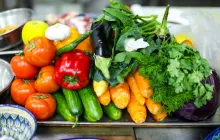
Creating a flexible shopping list supports this mindset. Start with staple items that keep well and are easy to use across meals, such as leafy greens, citrus fruits, apples, carrots, broccoli, peppers, onions, garlic, and a few frozen vegetables. When you encounter specials or seasonal bargains, you can adapt without losing the core plan. It is helpful to store produce in the right conditions, because proper storage preserves freshness and flavor, which in turn makes produce more appealing for everyday meals. Knowledge about shelf life helps you use items before they wilt or lose texture, turning what could be waste into a resource for flavor and nutrition. A well organized kitchen becomes a motivator rather than a source of hesitation, enabling you to prepare more fruits and vegetables with less effort and greater satisfaction.
Part of planning involves recognizing which cooking methods fit your schedule and energy level. Some days invite quick assembly and raw toppings, while other days welcome a roasted base that carries flavor through multiple meals. By aligning methods with time constraints and preferences, you create a system where produce is prepared in a way that mirrors how you want to eat during the week. The consistency of a dependable routine—a few prepared vegetables, a couple of fruit options ready to grab, and a simple sauce or dressing—helps maintain momentum and makes healthy choices feel automatic rather than exceptional.
Shopping strategies also include a thoughtful balance between fresh, frozen, and canned produce. Frozen vegetables can be a cost effective and nutritionally sound alternative when fresh items are scarce or expensive, while canned options can offer convenience for quick meals when salt and sugar content are considered. The idea is not to demonize any one form of produce but to use the form that best fits the moment, the dish, and the desired texture. By embracing a flexible toolkit, you expand possibilities while maintaining a consistent focus on increasing fruit and vegetable intake across meals and snacks.
To support sustained change, consider investing a few minutes in sensory planning. Decide on preferred flavors, textures, and color combinations that you enjoy and that pair well with the proteins and grains you frequently use. If you love crisp textures, aim for salad greens or crunchy vegetables that can be added to bowls; if you favor comfort, think about vegetables that can be roasted until caramelized and soft. Sensory planning helps you choose produce with greater confidence and reduces the friction that often accompanies trying new items. When you feel satisfied with the taste and texture of what you eat, you are more likely to preserve the habit of including produce in each meal rather than letting days slip by without it.
Ideas for Breakfasts
Breakfast is a powerful opportunity to start the day with fruit and vegetables, setting a tone of nourishment that can color the rest of the day. A tall glass of fruit juice or a smoothie can be a quick way to include several servings of produce, but whole fruit typically offers more fiber and satiety. A smoothie bowl with a blend of greens and frozen fruit can provide a refreshing beginning, while a yogurt bowl layered with berries and sliced fruit can deliver a bright, textured experience that feels indulgent yet wholesome. Vegetable additions to breakfast are equally effective; a handful of spinach stirred into a morning omelet or a frittata delivers color and nutrients without sacrificing flavor. Even a simple plate of sliced avocado, tomato, and citrus can be transformed into a bright, energizing starter that blends fat, fiber, and bright acidity to wake up the palate.
When time is tight, systematize produce preparation so that you can assemble a breakfast quickly. Pre wash and dry greens and store them in a vented container that preserves moisture balance, making it easy to toss a handful into eggs or onto toast. Pre cut vegetables such as peppers and onions and keep them in labeled containers so they are ready for a morning scramble. If you enjoy a warm morning meal, consider a veggie packed tortilla that can be warmed in minutes: fold in a mix of lightly sautéed vegetables with eggs or beans, and finish with a splash of hot sauce or a squeeze of lime. By having a simple, reliable lineup of produce ready to go, breakfast becomes a consistent vehicle for increasing daily fruit and vegetable intake without adding planning stress or time burden.
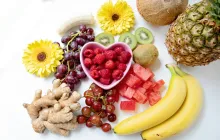
Even snacks at breakfast time can carry produce without feeling like a detour from tradition. A bowl of fresh berries or sliced fruit with a dollop of yogurt, a handful of grapes with a sprinkle of cinnamon, or a small side of sautéed mushrooms and tomatoes alongside a slice of whole grain toast can complement the main dishes while delivering the nourishment of produce. The goal is to create a sense of abundance and color on the plate that makes the morning meal both enjoyable and nutritionally balanced. Thoughtful plating and pairing, rather than restrictive rules, helps sustain healthy habits and fosters a positive relationship with food as a source of energy and pleasure.
Lunch and Dinner Tactics
Lunch and dinner provide expansive opportunities to integrate fruits and vegetables through balanced combinations, vibrant salads, bowls, wraps, and plates built around plant based foundations. A meal concept built around a base of leafy greens or cooked vegetables can be complemented with a protein source and a modest portion of whole grains, creating a harmonious plate that feels satisfying and complete. A large salad can be more than a side; it can serve as the centerpiece if you incorporate colorful vegetables, protein, seeds, and a flavorful dressing that ties the elements together. Even simple meals, such as a bean and vegetable stew, a grain bowl with roasted vegetables, or a wrap stuffed with crisp vegetables and fruit slices, can be elevated by the addition of fresh herbs, citrus zest, and a bright acid component that brightens the flavors and encourages another bite.
A practical strategy for lunch and dinner is to prepare a basic vegetable template that can be rotated with different proteins and grains. For example, roast a batch of vegetables such as zucchini, bell peppers, carrots, and onions with olive oil, garlic, and herbs, then reuse them across multiple meals by combining them with different sauces, beans, or grains. This approach reduces cooking time on busy days and ensures that produce is used efficiently rather than being left to wilt. Having a repertoire of simple sauces, such as lemon tahini, bright tomato salsa, or a yogurt cucumber dressing, can turn ordinary combinations into exciting meals that feel fresh and varied. In dinner planning, consider how vegetables can star in the dish rather than simply accompany it, allowing produce to take center stage with texture and color that invites participation at the table.
For those who enjoy meat or seafood, vegetables can be integrated in two layers: as a supporting role to enhance flavor and as a central component that provides bulk, fiber, and nutrients. Stir fries, sheet pan roasts, and one pot dishes are excellent avenues for such integration. When vegetables are cooked briefly to retain their crunch or softened to a silky finish, they contribute distinct flavors and textures that make meals more interesting and satisfying. A simple practice is to include at least two different vegetables in a meal, ensuring variety in color, flavor, and nutrient profile. By feeding the eyes with a vibrant plate, you set the stage for a nourishing experience that supports a steady appetite and balanced energy throughout the day.
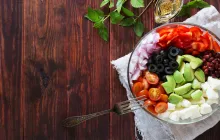
Within lunch and dinner planning lies an opportunity to explore global flavors that emphasize produce in creative ways. A Mediterranean style plate with tomatoes, cucumbers, olives, and leafy greens paired with chickpeas and whole grains can feel both comforting and adventurous. A Mexican inspired bowl might feature corn, peppers, zucchini, avocado, and cilantro alongside beans and brown rice, offering a colorful and satisfying meal that still respects budget and time constraints. A stir fry with broccoli, bell peppers, mushrooms, and snap peas can deliver a quick and vibrant dish that demonstrates how quick cooking techniques can preserve the crispness and bright flavors of vegetables. By embracing variety and regional inspirations, you can build a habit of including abundant produce without monotony or fatigue.
Snack and Hydration Options
Snacks provide a crucial bridge between meals, offering opportunities to incorporate produce while maintaining energy and satisfaction. Fresh fruit is a natural choice that travels well and can be eaten on the go, while vegetables paired with dips deliver crunch and hydration with relatively low calories. A sliced apple or pear with a small portion of nut butter, a handful of grapes, or a bowl of berries can feel indulgent in a healthy way when portion sizes and timing are considered. Fresh vegetables such as carrot sticks, cucumber rounds, or bell pepper slices are easy to carry and pair well with sauces built from yogurt, herbs, or hummus. To enrich snacks further, add a sprinkle of seeds, a squeeze of citrus, or a drizzle of olive oil and a pinch of salt, transforming a simple bite into a more satisfying and flavorful experience.
Hydration can be enhanced with produce by choosing beverages that include fruit or vegetable components. Infused water with cucumber, citrus slices, or berries can be refreshing without added sugars, while smoothies can deliver both hydration and nourishment when prepared with water, milk, or a plant based alternative along with greens and fruit. Even a warm beverage, such as a tea brewed with citrus peels or a cinnamon apple infusion, can contribute to daily fruit and vegetable intake in a comforting way. The essence of snack planning is to keep produce visible and easy to access, so it becomes a natural choice when hunger arises, rather than resorting to processed options that do not support long term goals.
To maintain interest, rotate snack ideas and textures. A crunchy cucumber salad with a tangy dressing can pair nicely with a handful of nuts, while a warm, roasted vegetable medley cooled slightly can be enjoyed with a piece of cheese or a protein rich dip. By weaving produce into snacks that satisfy both hunger and taste preferences, you support steady energy levels and maintain a consistent intake of essential nutrients. A mindful approach to snacking emphasizes balance, ensuring that produce contributes to the overall daily plan rather than being an afterthought or purely discretionary indulgence.
Flavoring and Preparation Techniques
Flavor is often the key to integrating more fruits and vegetables into meals without feeling like a disruption to established tastes. Basic methods such as washing, chopping, roasting, steaming, sautéing, or blending unlock a wide range of textures and intensities. Roasting vegetables with a light coating of olive oil and a careful blend of spices caramelizes natural sugars, producing a sweet, savory, and deeply satisfying result. Steaming preserves the most delicate nutrients and yields tender textures that work well in bowls or as a simple side. Sautéing quickly with garlic and a splash of acid, such as lemon juice or vinegar, can brighten greens and cruciferous vegetables in just minutes. Blending greens into smoothies or soups offers a smooth texture that still delivers vitamins and fiber, while raw preparations preserve the crisp bite and peppery notes of fresh produce.
Texture variation can dramatically affect enjoyment. A combination of crunchy, creamy, and tender elements in a single plate creates a more engaging eating experience. For example, a salad that includes crisp greens, roasted vegetables for warmth, and a creamy bean or yogurt dressing blends differences in mouthfeel and flavor. Herbs and spices amplify produce’s natural flavors without hiding them behind heavy sauces. A squeeze of citrus, a handful of fresh herbs, or a dash of chili flakes can elevate a meal while keeping the focus on plant based ingredients. A well balanced approach combines produce in ways that complement proteins and grains, ensuring each bite feels complete and satisfying rather than fragmented or underwhelming.
Preparation tips can help you maximize the appeal of produce. Slice vegetables into uniform shapes to ensure even cooking, and consider macerating or marinating tougher vegetables to soften textures and deepen flavor. When you have guests or want to showcase produce at its best, consider raw preparations such as crisp slaws or vibrant salsas that provide brightness and color without requiring extensive cooking. The versatility of fruits and vegetables allows you to craft sauces, dressings, and accompaniments that tie together different components of a meal, ensuring that produce remains an integral and irresistible part of your culinary repertoire.
Additionally, accenting produce with small amounts of high quality fats such as olive oil, avocado, or seeds can improve palatability and nutrient absorption. The fats serve as carriers for fat soluble vitamins and fat friendly flavors, enhancing the overall dining experience. When you pair produce with proteins in balanced portions, you create meals that feel complete and nourishing, making it easier to maintain high produce intake over the long term. The goal is to cultivate a kitchen environment where fruits and vegetables are the norm rather than the exception, and where flavor innovation supports rather than complicates healthy eating.
Storage, Freshness, and Longevity
Handling produce with care extends its life and preserves quality, which reduces waste and ensures that fruits and vegetables remain appealing for longer. A practical approach is to store different categories of produce in ways that maximize their freshness. Leafy greens benefit from wrapping in a clean cloth or paper towel to absorb moisture and extending their life in a breathable container, while carrots and celery often prosper when kept in a water bath or damp towel to maintain crispness. Apples and citrus fruits can be placed in the refrigerator or kept in a cool, dry place, with separate compartments to prevent ethylene sensitive items from ripening too quickly. By understanding basic storage principles, you keep produce ready to use when needed and preserve flavor and texture across meals and snacks.
For produce that is purchased in bulk or prepared in advance, consider portioning into ready to use containers. Small batches of chopped vegetables stored in clear containers make it easy to quickly assemble meals or snacks, while fruit pre cut into bite sized pieces can encourage frequent consumption. Freezing is an excellent tool for preserving surplus fruit and vegetables that might otherwise go to waste. Berries, sliced peaches, or chopped greens can be frozen and later added to smoothies, soups, or sauces without losing considerable nutritional value. When freezing, labeling with the date and contents helps you maintain awareness of what is available, reducing the chance of letting items linger past their prime. A well organized system for storage supports consistent production and usage of produce throughout the week.
Humidity and temperature control are also crucial. Produce stored in the wrong conditions may spoil more rapidly or lose flavor, so it pays to keep leafy greens cooler and away from ripening produce that can accelerate spoilage. Regularly inspecting produce during the week and removing items that show signs of spoilage protects the rest of the stash from contamination and waste. The practice of rotation ensures that the oldest items are used first, which helps maintain a steady supply of fresh ingredients for meals and snacks. This careful attention to freshness makes it easier to rely on fruits and vegetables as central elements of daily nutrition rather than occasional indulgences or last minute improvisations.
Kid-Friendly and Family Involvement
Involving children and other family members in selecting, washing, chopping, and cooking produce can transform healthy eating from a chore into a shared activity. When kids participate, they develop a sense of ownership and curiosity about fruits and vegetables, which increases the likelihood that they will try new items. Start with approachable tasks such as rinsing produce, tearing leafy greens, or washing berries. For younger children, simple tasks that contribute to a family meal—like adding toppings to a salad or arranging color coordinated fruit platters—can be both fun and educational. Older children may enjoy more independent preparation, such as assembling a veggie wrap or helping to prepare a sheet pan roast with guidance. The important factor is to create opportunities for positive, hands on experiences that reinforce healthy choices without creating pressure or resistance.
Language and modeling play a substantial role in shaping attitudes toward produce. Using encouraging and descriptive language about colors, textures, and flavors helps children associate produce with positive experiences. Displaying a vibrant fruit bowl or a colorful salad at the center of the table can spark conversation about tastes and preferences, while minimizing the perception that healthy eating is a restrictive discipline. A family approach also invites experimenting with new produce in low stakes ways, such as adding a small amount of a new vegetable to a familiar dish or offering fruit with a dip as an accompaniment to a meal. When the family engages in these practices together, fruits and vegetables become a shared value rather than a solitary health goal.
To support children’s natural inclinations toward sweetness and texture, consider presenting fruit as a star attraction in desserts or snacks. A fruit compote served warm with a spoon of yogurt or a baked fruit dessert with a touch of spice can satisfy cravings while increasing intake of plant based foods. In everyday meals, include vegetables that appeal to young palates by balancing flavors with natural sweetness from roasted vegetables or bright acidity from citrus and herbs. As routines mature, your family can discover a broader range of produce items that appeal to different preferences, creating a sustainable pattern of eating that emphasizes variety, nourishment, and enjoyment across all ages.
Budget and Accessibility
Increasing fruit and vegetable consumption does not require a large budget or access to specialty markets. With thoughtful planning and smart choices, you can maximize nutrition while staying within your means. One effective approach is to emphasize seasonal produce, as items are typically more affordable and flavorful when they are at their peak. When considering price, take advantage of bulk buys of staples such as onions, carrots, and potatoes, which can be stored for extended periods if kept in appropriate conditions. Frozen vegetables and fruit can be a cost effective alternative that preserves nutrients and reduces waste because they are preserved at peak freshness and can be used as needed. By balancing fresh and frozen options, you maintain a steady supply of produce without sacrificing variety or flavor.
Another practical strategy is to plan meals around produce that is on sale or that you can obtain from farmers markets or community supported agriculture programs. Local markets often offer a rotating selection of produce with freshness advantages and opportunities to connect with growers who can share storage tips and use ideas. When brands or varieties of a given item are similarly priced, consider choosing ones with brighter colors or firmer textures, as these tend to be more appealing and easier to prepare. A mindful approach to budgeting also means being gentle with yourself and allowing some flexibility so that produce remains a consistent part of your meals rather than becoming an ideal to chase. By adopting a practical, flexible mindset, you can expand produce intake without compromising affordability or convenience.
Budget conscious habits also include minimizing waste through proper planning and reuse. If a particular vegetable is abundant, consider preparing a larger batch to be repurposed in multiple meals, which can stretch the meal plan and provide variety without requiring extra shopping. Saving the tops and stems that many people discard, for example, can add extra flavor to soups or broths, or be minced and stirred into sauces for additional nutrition. A conservative yet creative approach to budgeting helps you maintain a robust produce intake while avoiding unnecessary purchase decisions. The outcome is a more resilient and enjoyable way of eating that aligns with your financial realities while still prioritizing fruits and vegetables in every week’s menu.
Seasonality and Local Produce
Seasonality guides the availability, flavor, and cost of produce, and aligning your meals with what grows locally at any given time gives your cooking a sense of place and time. Local produce often travels shorter distances, which can help preserve freshness, reduce environmental impact, and support community economies. Embracing seasonal ingredients invites experimentation with varieties that might be less familiar in other seasons, expanding your culinary horizons and providing an opportunity to learn about different flavor profiles. For instance, spring greens, summer berries, autumn squash, and winter citrus each bring a unique character to meals, encouraging you to explore new pairings and recipes that highlight their particular sweetness, acidity, or earthiness.
Seasonal planning also helps with budgeting and meal planning. Produce that is in season tends to be more affordable and flavorful, which makes it easier to incorporate more servings into daily meals without feeling forced or excessive. A practical approach is to choose a seasonal guide or a simple mental map of what is commonly available in each season and to build recipes around that core. It is possible to create a weekly menu that celebrates seasonal produce by selecting a few primary vegetables for dinners, adding a fruit or two for breakfast, and maintaining a pantry of staples that can pair with the freshest items. By embracing seasonality, you cultivate a sense of discovery and connection to the natural cycles of growth and harvest, which enriches both cooking and eating.
When fresh options are scarce, frozen and canned alternatives can still deliver a high nutritional value. Frozen vegetables often retain most of their vitamins and minerals because they are frozen soon after harvest. Canned vegetables, if chosen with care to minimize added salt and sugar, can be a reliable backup. The goal is to maintain a flexible but consistent approach to produce, ensuring that you have access to a diverse range of fruits and vegetables throughout the year. Over time, this seasonal awareness helps you develop routines that accommodate the natural ebb and flow of availability while maintaining a steady supply of plant based foods that delight and sustain you.
Meal Prep and Batch Cooking
Batch cooking and thoughtful meal prep provide powerful ways to increase produce intake without creating daily planning burdens. By dedicating a block of time for chopping, washing, and cooking a selection of vegetables, you set the stage for quick assembly during busy days. A batch of roasted vegetables or a ready to blend salad base can serve as a foundation for multiple meals, allowing you to vary toppings, sauces, and proteins to keep meals interesting. When you schedule a regular prep session, you create a rhythm that supports healthy eating without requiring elaborate cooking each day. The key is to keep the process simple and repeatable, so it becomes an automatic habit rather than a special event that disrupts the week.
Batch cooking also offers the opportunity to experiment with different flavor profiles and textures. A sheet pan of vegetables can be seasoned in several ways to yield distinct dishes, whether paired with beans for a hearty vegetarian option or combined with lean proteins for a balanced plate. Chopping vegetables in advance and portioning them into meal sized containers reduces friction when preparing lunch or dinner, making it easier to include produce in every meal. The discipline of consistent prep time reinforces a sense of control and competence around healthy eating, which improves long term adherence and satisfaction with the dietary choices you make.
In addition to roasting, consider other batch friendly methods such as simmering soups and stews, which can absorb flavors and preserve produce for several days. A large pot of vegetable soup can provide multiple meals while delivering a rich array of vitamins and minerals. Soups also offer an avenue to combine produce with easy to digest proteins like lentils or legumes, resulting in nourishing meals that are gentle on the stomach and universally accessible. By embracing batch cooking, you create a reservoir of ready to eat meals and snacks that keep you aligned with your produce goals even during demanding weeks.
Cooking Methods that Preserve Nutrients
Cooking methods influence both flavor and nutrient retention, and choosing techniques that preserve vitamins and minerals supports an effective produce centered approach. Steaming tends to preserve the delicate water soluble vitamins in leafy greens and cruciferous vegetables, while quick stir frying can maintain textures and vibrant colors when done with high heat for short periods. Boiling may cause some nutrient loss but can still be valuable when preparing accompanying soups or purées where texture matters less. Roasting and baking intensify sweetness and caramelized flavors, which helps to make vegetables more appealing to a wider audience. Each method has a place depending on the desired outcome, and a varied approach ensures that produce remains an inviting component of meals rather than a source of monotony.
Understanding the balance between cooking time, temperature, and water exposure is essential. Gentle heat for a reasonable duration helps retain vitamins and minerals while developing complex flavors. For example, lightly sautéing greens with garlic and a splash of citrus can preserve brightness and nutritional value, while longer roasting of root vegetables creates depth and a comforting texture that can anchor bowls and plates. Athorough approach involves combining methods to highlight different vegetables within a single meal, allowing you to enjoy the unique benefits of each item while maintaining a cohesive and satisfying dish. The result is a kitchen routine that respects both taste and nutrition, turning produce into a dependable source of nourishment and pleasure.
In addition, the order of operations matters: washing produce first, then cutting, then cooking if applicable, and finally tasting and adjusting seasoning. Proper hygiene and careful handling protect against contamination and ensure a pleasant dining experience. As you gain experience, you will learn how different vegetables respond to various methods and how to combine textures that your household favors. This nuanced understanding empowers you to create meals that feel thoughtful and complete while reinforcing the habit of including fruits and vegetables as a central feature rather than a sporadic addition.
Culture and Creativity in the Kitchen
Food culture and personal creativity play a major role in sustaining higher fruit and vegetable intake. When you connect meals to cultural traditions, family memories, or seasonal rituals, produce becomes more than sustenance; it becomes a source of connection and identity. Drawing inspiration from global cuisines opens doors to new produce pairings, herbs, and techniques that broaden your culinary repertoire. A simple vegetable stir fry can echo a familiar street food, a fresh fruit dessert can nod to a cherished family recipe, and a bright herb sauce can bring a cultural story to life on the plate. The joy of cooking is amplified when you allow curiosity to guide choices and when you invite others to participate in those explorations.
Creativity thrives when you treat produce as a flexible currency in the kitchen. A handful of greens can morph into a topping for pasta, a bed for grilled fish, or a vibrant present in a bowl that blends hot and cold elements. A chorus of fresh herbs, citrus zest, and flavorful vinegars can transform simple vegetables into memorable dishes that celebrate color and aroma. By embracing experimentation while staying rooted in nutritional goals, you can sustain excitement about produce and cultivate a habit that endures beyond fashionable trends or short lived diets. The kitchen becomes a studio where vibrant ingredients guide the storytelling of meals, inviting everyone to participate in the experience of growing, preparing, and enjoying fruits and vegetables.
As you weave these practices into daily life, you cultivate a lifestyle that values plant based foods as a cornerstone of health and vitality. A steady stream of produce in varied forms supports steady energy, better digestion, and a sense of well being that extends beyond the plate. The journey toward incorporating more fruits and vegetables is not about perfection or strict rules but about ongoing curiosity, practical routines, and a willingness to nourish yourself with color, texture, and flavor. In this way, your cooking becomes an ongoing conversation with your body, your family, and your community—one that celebrates the abundance of fruits and vegetables every day.