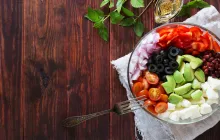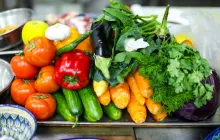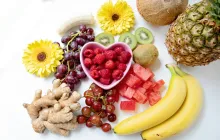
Cooking for one can be both a practical challenge and a creative invitation. When you cook for a single person, you have the chance to tailor meals to your taste, your schedule, and your evolving wellness goals without the burden of large leftovers that may spoil or sit in the fridge too long. The key is to design routines that respect nutrition, minimize waste, and make cooking enjoyable rather than a chore. This article invites you to explore a thoughtful approach to healthy meals for one that balances nourishment with flavor, financial sense, and a sustainable mindset. The journey begins with understanding your own needs, then building a flexible framework that travels with you through busy workdays and relaxed weekends alike.
Healthy cooking for one hinges on a clear sense of portion sizes, nutrient balance, and a view of food as fuel that also delights the senses. When cooking for one, it is easy to under or over estimate what you need, which can lead to waste or fatigue. A mindful approach centers on the plate: half vegetables, a moderate portion of lean protein or plant-based protein, and a portion of complex carbohydrates or whole grains. Fiber from vegetables, whole grains, legumes, and fruits supports fullness and steady energy, while protein maintains muscle mass and aids recovery after activity. Healthy fats from olive oil, nuts, seeds, and fatty fish support satiety and the absorption of fat-soluble vitamins. In practice this translates into meals that feel satisfying, contain color, texture, and dimension, and are prepared with fresh ingredients when possible. Over time this mindset helps you tailor meals to your personal needs, whether your days are long and demanding or quiet and reflective.
Beyond the macro balance, micronutrients matter, and cooking for one gives you a chance to experiment with diverse produce that keeps meals interesting. A single bell pepper provides bright vitamin C and a crisp sweetness, while leafy greens add minerals and a gentle bitterness that can lift a dish. Rotating proteins between fish, eggs, dairy, legumes, poultry, and occasional red meat can help cover iron, calcium, and B vitamins without repetition that feels stale. Paying attention to sodium and added sugars is important, even as you build flavor with fresh herbs, citrus, garlic, and spices. The goal is to cultivate taste and nutrition together so that healthy choices feel natural rather than restrictive. This mindful balance supports energy stability, mood, and long term health, especially when your cooking environment is organized for ease and pleasure.
Understanding Nutrition for Solo Cooking
Healthy meals for one thrive when you approach nutrition with clarity and balance. The plate becomes a canvas where color, texture, and aroma collaborate to create satisfaction. Proteins anchor muscle maintenance and repair, while fiber from vegetables, legumes, and whole grains slows digestion to sustain energy. Healthy fats contribute to fullness and help absorb fat-soluble vitamins. Minerals such as iron, calcium, and magnesium are supported by a varied intake of leafy greens, dairy or fortified alternatives, beans, and seafood. When your meals incorporate a spectrum of micronutrients, you not only feel good but also support immune function, cognitive health, and metabolic balance. The solo kitchen offers the freedom to tailor this balance to your personal activities, schedule, and culinary preferences without the pressure to conform to a preset standard.
It is worth paying attention to portion perception in a small kitchen, because the same plate can feel different depending on the plate size, bowl shape, and even the lighting in your dining area. A practical approach is to visualize the plate in your head and then use it as a guide as you assemble meals. For example, including a generous portion of vegetables ensures that you meet fiber and micronutrient goals with minimal calories while leaving room for protein and carbohydrates that satisfy hunger. A moderate amount of whole grains or starchy vegetables delivers the energy needed for work or workouts. The focus remains on nourishing, flavorful meals that respect your appetite, energy, and schedule while avoiding waste.
Another dimension of solo nutrition is the cadence of meals across the week. When you cook for one, you have the autonomy to shape meals to your rhythms, whether you train in the morning, work long hours, or prefer light dinners. This means you can adjust portion sizes, swap in different proteins, or experiment with new vegetables without disrupting a family meal framework. The flexibility becomes a powerful ally, enabling you to sustain a pattern of steady nourishment, mood stability, and physical energy. The overarching philosophy is to treat cooking as a daily practice that supports health and joy, rather than as a burden that requires heroic feats.
Planning Your Weekly Meals
Successful planning is less about rigid schedules and more about an adaptable rhythm that reduces friction and waste. When you cook for one, the risk with spontaneity is that it can drift into expensive deliveries or repetitive meals that lose appeal. A simple approach is to outline a small set of dinners that share several base ingredients, and to insert variety with a few different vegetables, legumes, or grains. The idea is to create a mental map of the week that makes grocery trips efficient and menus flexible. A steady framework helps you recover from days when energy is low and time is scarce while still delivering nourishment and taste. The plan can be lightweight yet robust, and it should honor your palate, schedule, and budget.
As you think about the week's meals, consider planning around produce that stores well and that you know you will enjoy. Batch cooking can be productive, yet it is important not to overcommit to large quantities that will spoil. Instead, choose two or three versatile staples that can anchor multiple meals. For instance a batch of roasted vegetables, a pot of legumes, and a single protein can form the basis for several dinners and lunches with different accompanying sauces or dressings. This approach reduces decision fatigue, supports consistent nutrient intake, and offers opportunities to experiment with flavors without creating waste. The aim is to establish a gentle cadence that aligns with your energy, time, and appetite patterns while keeping meals varied and interesting.
Choosing Equipment and Pantry Essentials
Having the right tools can transform a single person's kitchen from a cramped space into a capable cooking studio. A sharp chef's knife and a sturdy cutting board lay the foundation for safe, efficient prep. A reliable skillet, a small to medium saucepan, and a roomy baking sheet enable a wide range of techniques from sautéing to roasting to steaming. A dependable microwave or a compact steamer can save minutes when you need quick reheating or gentle steaming. A food container set with leakproof lids helps organize leftovers, portion meals, and freeze individual portions for future use. Thoughtful organization matters as much as clever tools, because when everything has a place, cooking becomes easier and more enjoyable. In addition to equipment, a well stocked pantry of olive oil, vinegars, a variety of spices, canned beans, dried grains, and shelf stable proteins empowers you to assemble meals with depth and balance with minimal shopping trips.
Practical pantry planning also involves recognizing what you already own and what you consistently reach for. Keeping a simple inventory handy reduces waste and saves money. When selecting ingredients, favor items that are versatile and resilient, like onions, garlic, tomatoes, carrots, leafy greens, citrus, dried beans, lentils, oats, quinoa, and canned tuna or sardines. These staples can form the backbone of nourishing meals with flavor clarity that does not rely on heavy sauces. The goal is to equip your kitchen with a core set that supports flavorful cooking at a reasonable cost and that travels well with your routines, whether you cook every day or only a few times per week.
Smart Grocery Shopping and Storage
Smart shopping starts with a clear list, but the real value lies in knowing how to select items at their peak of freshness and how to store them so they retain texture and nutrients. Fresh vegetables that retain crispness and color will lift any meal, and buying produce in smaller quantities more often can help you enjoy peak flavors without heavy spoilage. When possible, choose produce that is in season for your region, or consider frozen vegetables that capture nutrients at the moment of freezing while offering convenience and longer shelf life. Frozen fruit can be a reliable addition to breakfasts and smoothies, while frozen vegetables can accompany meals when fresh options are scarce. The trick is to keep a balance between fresh and frozen so your meals stay vibrant and accessible.
Smart storage routines preserve food quality and reduce waste. Keep your refrigerator organized so you can see what is available at a glance, which lowers the chance of forgetting produce that then spoils. Label containers with dates so you can track shelf life and rotate older items to the front. A dedicated drawer for vegetables, another for fruits, and a separate area for ready to eat items can help you maintain order. For pantry staples, keep dry grains in airtight containers and store oils away from heat to preserve flavor. The practice of mindful storage turns a small kitchen into an efficient workspace where every item has a home and nothing becomes a mystery until the last minute.
Building a Balanced Plate
Healthy meals for one thrive when you build your plate with intention, aiming for balance rather than rigid rules. A common guideline is to imagine a plate split into portions, with leafy vegetables or colorful vegetables occupying about half, lean protein or plant-based alternatives taking up a quarter, and whole grains or starchy vegetables filling the remaining quarter. This visual framework helps you create meals with texture, color, and variety, and it also supports steady energy levels by combining fiber with protein and moderate fats. It is not only about hitting numbers; it is about crafting meals that feel satisfying and enjoyable. Add herbs and citrus for brightness, and use a touch of healthy fat to round out flavors without overpowering the dish.
In practice you can realize this balance through many approaches. A roasted vegetable bowl with chickpeas and quinoa offers greens, fiber, protein, and complex carbohydrates in a single bowl. A salmon fillet with steamed broccoli and brown rice provides omega-3 fats and micronutrients while keeping portions modest. A simple lentil soup with a dash of olive oil and a squeeze of lemon can become a comforting yet nutrient dense option that stores well for days. The emphasis is on variety within the balanced framework, allowing flavors to grow and evolve across the week while maintaining a clear sense of nourishment and enjoyment.
Breakfast Ideas for One
Breakfast sets the tone for the day, and healthy options for a single serving can be both quick and nourishing. Overnight oats arranged in a jar combine rolled oats, yogurt or a dairy alternative, chia seeds for fiber, and a layer of fruit that adds sweetness without refined sugar. The oats soften as the night passes, and you wake to a ready to eat meal with minimal cleanup. A warm option is a vegetable omelet or scramble with a handful of greens, a small portion of cheese, and a slice of whole grain toast, providing protein, fat, and fiber early in the day. For those who prefer less cooking in the morning, a smoothie built on a base of leafy greens, frozen fruit, a protein source such as yogurt or a plant based powder, and a splash of almond milk can deliver nutrients in a glass with little effort.
Another practical approach is making a batch of egg muffins or mini frittatas that can be reheated individually. These not only save time but also reduce waste because they can be portioned for several days and warmed with ease. To keep breakfasts varied, rotate between yogurt bowls with nuts and seeds, ricotta toast with sliced tomatoes, and warm grain bowls topped with a spoonful of nut butter and fresh fruit. The key is to keep ingredients simple, shelf stable, and compatible with your taste preferences so that mornings feel pleasant rather than rushed. When breakfast is well planned, it becomes a reliable source of energy and mood support for the day ahead.
Lunch and Dinner Concepts for One
Lunch and dinner can be flexible and flavorful without requiring a large kitchen operation. One pan or one pot meals are particularly suited to single servings because they minimize washing up and maximize the chance of finishing a dish in a single session. A bright stir fry with vegetables and a protein like chicken, tofu, or shrimp can be adapted with whatever vegetables are on hand and served over a modest portion of brown rice or quinoa. A sheet pan meal with vegetables and a protein that cooks together offers convenience and caramelized flavors from roasting. Even simple soups and stews can be scaled to a single portion while still tasting vibrant and satisfying, especially when a small amount of broth is enriched with herbs and a splash of acidity from lemon or vinegar.
For vegetarian options, beans, lentils, and whole grains create a complete and comforting profile. A hearty lentil chili or a chickpea curry served over basmati rice provides a balanced mix of fiber, protein, and slow releasing carbohydrates. For seafood lovers, canned tuna or salmon mixed with vegetables and herbs can form a quick, nourishing bowl that travels well or can be enjoyed hot or cold. The underlying principle is versatility: choose a handful of base proteins or plant based foundations and pair them with vegetables and a flexible starch to keep meals interesting while staying mindful of portion sizes and sodium content. End results should feel satisfying without demanding days of cooking or excessive planning.
Batch Cooking Without Waste
Batch cooking is not about turning your kitchen into a factory; it is a strategy to align effort with flavor and nutrition across several days. When you cook extra portions you expand your options for lunches, quick dinners, and even future meals that feel new because you combine ingredients differently. A pot of beans or lentils can provide protein and fiber across multiple meals, while roasted vegetables can be repurposed for bowls, wraps, or soups. By preparing ingredients rather than finished dishes you allow for creative combinations that suit your mood. The key is to portion thoughtfully and to store items in clear, labeled containers so you can easily see what you have and how long it will remain appealing.
Freezing is a valuable ally for solo cooks. A single portion of soup or a casserole can be wrapped in freezer safe containers and kept for weeks, ready to thaw when time or energy is limited. When possible, freeze meals in single or two serving portions to avoid repeated refrigeration cycles that degrade texture. A set of small snack options such as chopped vegetables, sliced fruit, or yogurt can be kept in reach for quick, nutrient rich additions that finish meals with freshness and contrast. The practice of batch cooking realigns your relationship with time, providing a cushion of flexibility that makes healthy eating sustainable even during busy weeks.
Flavor Techniques to Keep Healthy Meals Tasty
Flavor is the quiet engine that makes healthy meals appealing, and mastering a few technique based patterns can keep your cooking exciting. Fresh herbs brighten a dish with minimal effort, while citrus zest and juice bring brightness without the heaviness of sauces. Spices build warmth and complexity; a small amount can transform plain vegetables into something inviting. When you roast vegetables, the natural sugars caramelize, creating a depth of flavor that can carry a meal with modest ingredients. A splash of good olive oil, a dash of vinegar, or a touch of miso can introduce savory depth without loading in salt. The art of balancing salt, acid, sweetness, and fat makes food lively and accessible, even when you are cooking for one on a quiet weeknight.
Texture plays a crucial role in satisfying meals, so consider contrasting elements like crisp greens with creamy legumes, or a crunchy topping such as toasted seeds on a bowl. A quick pan sear can add a crisp surface to a piece of fish or tofu, while steaming a tender vegetable preserves color and nutrients. The use of heat should be purposeful; a quick sauté that ends with a squeeze of lemon can lift flavors, whereas long simmering should be reserved for soups where the goal is to extract maximum aroma. In time you will develop a personal flavor vocabulary that makes healthy meals feel like a treat instead of a duty.
Cooking on a Budget Without Compromise
Healthy eating and budget friendly cooking can coexist nicely when you approach shopping and cooking with a mindset of value and adaptability. Base meals around inexpensive protein sources like eggs, canned fish, lentils, and beans, and complement with plenty of vegetables and whole grains that stretch across meals. Plan around sales and seasonal produce, and consider frozen options that capture nutrients at peak freshness. Bulk grains such as oats, rice, and quinoa offer excellent price per serving and flexibility, while a handful of nuts or seeds can provide essential fats and protein with small portions. The objective is to maintain variety and flavor without overspending or resorting to low quality convenience foods.
When cooking for one, it is useful to batch prepare basic components that can be combined in multiple ways. A simple pot of beans can become a filling soup, a burrito filling, or a protein base for a grain bowl with different vegetables and sauces. A roasted sheet pan of vegetables can be repurposed for breakfast hashes or lunch bowls. The key is to keep portions sensible and to use up leftovers in creative ways that respect your budget while maintaining a high standard of taste and nutrition. Budget friendly choices do not require compromise in texture or freshness when ideas are flexible and ingredients are respected for their quality and flavor.
Safety and Hygiene for Solo Cooks
Cooking for one also involves attention to food safety and kitchen hygiene to prevent waste and protect health. Proper storage, thorough washing of fresh produce, and careful handling of raw proteins reduce the risk of contamination and spoilage. When reheating leftovers, heat to steaming hot all the way through to ensure safety and preserve texture. Keeping a clean working area reduces cross contamination and makes planning and cooking more pleasant. The habit of tasting as you go helps you adjust seasoning and acidity while preventing oversalting or overusing salt substitutes. A careful approach to handling kitchen tools, knives, and hot surfaces further supports a safe and enjoyable cooking environment.
It is also wise to pay attention to expiration dates and to practice the simple rule of using the oldest items first. Freezer safe meals should be labeled with dates to track storage time and ensure food safety. Handling dairy, eggs, seafood, and poultry with proper care minimizes the risk of foodborne illness and preserves flavors. Regularly cleaning cutting boards, utensils, and surfaces reduces the chance of cross contamination, and keeping raw ingredients separate from ready to eat items helps maintain a safe kitchen environment. The aim is steady, mindful practice that protects health while enabling creative and satisfying cooking for one.
Sustainable Routines and Mindful Eating
Sustainable cooking for one blends routine with flexibility and invites a mindful relationship to meals. Rather than treating food as a mere order of tasks, consider meals as opportunities to nourish the body, celebrate flavors, and reflect on what your body craves. Mindful cooking involves slowing down enough to notice aromas, textures, and the satisfaction of a well prepared dish. It also means listening to hunger and fullness cues, eating with attention, and choosing portions that feel right for you in the moment rather than adhering to external expectations. The practice of mindful eating can improve digestion, reduce overeating, and enhance the taste experience of simple, healthy ingredients.
Routines that support long term healthy eating can include weekly planning sessions, a regular shopping cadence, and a ritual of prepping a few components that can be reused across meals. The single kitchen can become a space of creativity when you allow yourself to experiment with flavors and textures. Incorporating seasonal vegetables, trying new herbs, and rotating proteins keeps meals dynamic and prevents fatigue. A balanced approach to routine reduces stress and fosters confidence, making healthy meals for one a sustainable pattern rather than a temporary project.