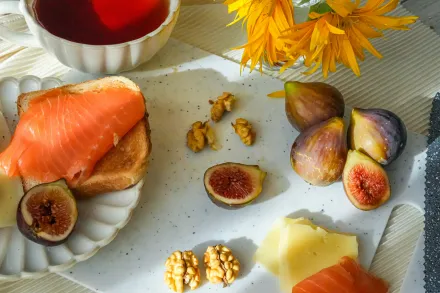
Snacks often get a bad rap as empty calories that derail dietary goals, yet when chosen wisely they can support weight management by bridging hunger gaps, stabilizing blood sugar, and preventing overindulgence at the next meal. The key is to recognize snacks as a part of the day’s overall energy balance rather than as isolated treats. When you pick snacks with meaningful nutrition—high in protein, fiber, and healthy fats, while moderating portion sizes—you create a steady stream of energy that keeps you satisfied longer and reduces the likelihood of chasing rapid, impulsive eating. A snack can be used strategically to smooth out fluctuations in appetite, provide beneficial nutrients, and sustain performance during work, study, or physical activity. The goal is to cultivate a habit of choosing foods that contribute to fullness, support metabolic needs, and align with personal preferences and lifestyle, rather than simply filling time between meals with whatever is convenient. Thoughtful snack choices can become a patient, consistent ally in weight management rather than a source of struggle.
Effective snacking begins with understanding how our bodies respond to food in the short term and over the course of a day. Foods that include both protein and fiber slow digestion, helping blood sugar stay more stable and reducing hunger signals that can spike between meals. Hydration also plays a quiet but powerful role, as thirst is easy to misinterpret as craving. When you combine nutrient density with appropriate portion sizes, snacks can prevent overeating later, preserve lean muscle mass, and support a steady energy level that makes it easier to stay active. A well-timed snack can also serve as a bridge to a balanced dinner, ensuring you arrive at the main meal with a comfortable appetite rather than overwhelming hunger. In practice, the most effective snacks are those that fit naturally into your day and honor your tastes while delivering real nutritional value.
Beyond the macro balance, the variety of textures and flavors matters. Crunch, creaminess, brightness from natural fruit, savoriness from nutty or roasted components—all of these sensory cues help you feel satisfied. The objective is to choose options that you genuinely enjoy so you will be more likely to incorporate them consistently. It is also practical to consider the context: a snack that travels well or one that can be prepared quickly can dramatically increase adherence. A snack that requires minimal cleanup or equipment can make the difference on hectic days. By building a repertoire of dependable, tasty, nutrient-rich snacks, you create an uncomplicated framework for healthier eating that can be sustained for months and years, not just weeks.
Principles of choosing healthy snacks
When selecting snacks with weight management in mind, the first principle is nutrient density relative to energy. Foods that provide a high amount of vitamins, minerals, protein, and fiber for a modest amount of calories tend to support fullness and satisfaction without pushing energy intake into a surplus. A second principle is balance. A snack with a solid protein source, some fiber, and a touch of healthy fat tends to keep blood sugar steadier and hunger at bay compared with simple carbohydrates alone. A third principle is portion control. Even healthy options can contribute more energy than intended if portions are not mindful, so pre-portioning or choosing single-serving packages can help maintain consistency. A fourth principle concerns convenience and sustainability. The best snacks are the ones you actually enjoy and can prepare with the resources and time available to you, rather than something you feel obliged to eat and later regret. A final principle emphasizes variety. Rotating among different snack types helps prevent boredom and ensures a broader range of nutrients while keeping meals interesting and satisfying.
In addition to these general guidelines, practical planning plays a crucial role. Keeping a few versatile ingredients on hand—such as plain yogurt, fresh fruit, nuts, seeds, whole-grain crackers, and vegetables ready for dipping—allows you to assemble balanced snacks in minutes. It is also worth considering your activity level and daily schedule. On days with heavy exercise, snacks that emphasize protein and carbohydrate can support recovery, while on lighter days you might prioritize fiber and healthy fats to sustain satiety. By approaching snack selection with a clear framework, you reduce the chance of relying on convenience foods that are low in nutrients and high in empty calories, and you empower yourself to make choices that align with long-term weight management goals.
Protein-rich snack options
Protein stands out as a powerful ally in weight management because it promotes fullness, supports muscle maintenance, and can modestly boost metabolism through the thermic effect of food. A protein-forward snack can be as simple as combining a protein source with a small amount of fiber-rich produce or a healthy fat to enhance satiety and flavor. Yogurt, especially Greek or Icelandic varieties, provides substantial protein and probiotic benefits, and it can be paired with berries or a sprinkle of flaxseed for extra fiber and heart-healthy fats. Cottage cheese offers a creamy texture with high protein per serving and can be enjoyed with sliced cucumber or tomatoes for a refreshing contrast, or stirred with herbs for a savory pick. For those who prefer plant-based options, edamame, roasted chickpeas, or a small smoothie based on soy or pea protein can deliver similar fullness while diversifying taste and texture. A simple hard-boiled egg paired with a piece of fruit or a few whole-grain crackers offers a compact protein boost without overwhelming the palate or the calorie budget.
When including packaged or prepared items, it is important to read labels for added sugars and high-sodium ingredients that can undermine health goals. Opting for low-sodium options and avoiding snacks with excessive sugar helps maintain a steadier energy level and prevents spikes that lead to subsequent cravings. For athletes or highly active individuals, a small portion of lean turkey slices, a string cheese, or a protein shake can be a convenient post-workout choice. The trick is to tailor protein portions to personal energy needs and activity level while ensuring the snack remains a complement to meals rather than a substitute for them. Mindful assembly, such as pairing protein with colorful vegetables or a handful of nuts, creates a balanced snack that satisfies both appetite and nutrition requirements without tipping the scale in the wrong direction over time.
High-fiber, slow-digesting snacks
Fiber plays a fundamental role in weight management by adding bulk, slowing digestion, and promoting a sense of fullness that lasts longer than meals rich in refined carbohydrates. When choosing fiber-rich snacks, look for whole food sources that also bring other nutrients. Fresh fruit with its edible skin provides natural sweetness along with a mix of soluble and insoluble fiber that supports gut health. Vegetables eaten with a dip such as hummus or yogurt-based dressings provide crunch, texture, and a dose of fiber along with protein. Whole-grain or high-fiber crackers and oats-based bars that contain minimal added sugars can be convenient and satisfying if they are not overly caloric for the portion size. Beans and lentils, when roasted or prepared with herbs, can deliver both protein and fiber in a snackable form that also helps stabilize glycemic response. One practical approach is to create snack plates that combine a fiber-rich base with a source of protein and a small amount of healthy fat, enabling a cascading sense of fullness that reduces overall daily energy intake without triggering deprivation or cravings.
As you increase fiber in your snacks, do so gradually to allow your digestive system to adapt. Adequate hydration is essential when fiber intake rises, because water helps fiber do its job and prevents discomfort. Paying attention to how different fiber sources affect your tolerance can help you fine-tune a snack plan that feels nourishing rather than burdensome. The long-term effect is a healthier relationship with food that emphasizes satiety and steady energy over quick, transient cravings. With patience and consistency, fiber-rich snacks become a reliable pillar in weight management, offering both physical benefits and the daily pleasure of eating foods you enjoy that also support your health goals.
Healthy fats and their role
Healthy fats contribute to satiety, flavor, and nutrient diversity, making them essential allies in a well-rounded snack strategy. Avocado slices paired with vegetables provide a creamy texture with heart-healthy monounsaturated fats, while a small handful of nuts or a spoonful of nut butter delivers a satisfying crunch and a dose of essential fatty acids. Seeds such as chia, flax, or pumpkin add texture, protein, and minerals, and they can be blended into yogurt, smoothies, or sprinkled atop fruit for a nourishing finish. Olive oil and other cold-pressed oils, used in light dressings or as a finishing touch for vegetables, support fat intake without compromising health goals when portion sizes are controlled. It is important to balance fat intake with protein and fiber rather than letting fat dominate the snack. Mindful portions, such as a quarter of an avocado or a small handful of almonds, can offer satisfying richness without tipping the energy balance. By incorporating healthy fats thoughtfully, you reward the palate while supporting hormonal balance, inflammation control, and sustained energy for daily activities and workouts alike.
In practice, a well-composed fat-containing snack might look like a small bowl of yogurt with sliced banana and a sprinkle of walnuts, or vegetables dipped in a tahini-based sauce that provides fiber and minerals alongside the fat. Such combinations help slow gastric emptying and maintain a steadier appetite, which is particularly helpful during long afternoons or between long meetings. The approach is to view fats as a flavor carrier and a nutrient source rather than a mere energy source, and to select fats that come from minimally processed, real foods rather than from heavily engineered products. With this mindset, healthy fats become a natural part of snack routines, enriching meals and enabling consistent adherence to weight management plans.
Hydration and mindful snacking
Hydration is frequently underestimated in discussions of snacking, yet thirst can masquerade as hunger, prompting unnecessary or poorly timed eating. A habit of sipping water or herbal tea between meals can reduce unnecessary snacking and support digestion, while also contributing to overall fluid intake which is essential for health. Caffeinated beverages can be included in moderation, but it is wise to avoid consuming sensitive amounts of caffeine late in the day to prevent sleep disruption, which in turn can affect appetite and food choices. Flavorful, low-calorie beverages such as infused water or unsweetened tea can make it easier to stay hydrated without adding substantial calories. When snacking, a quick drink of water before or during a snack can help with satiety signaling and prevent mistaking thirst for hunger, especially in busy moments when meals are not conveniently scheduled. Practicing mindful sipping gives you time to check in with your body and distinguish genuine hunger from other cues such as boredom, stress, or routine snacking.
Mindful snacking also involves paying attention to hunger and fullness cues before, during, and after eating. Slowing down and savoring each bite helps the brain register fullness more accurately, reducing the likelihood of overeating. Creating a calm environment for snacks—free from distractions like screens or multitasking—further enhances awareness. When you couple hydration with mindful eating practices, you empower yourself to choose snacks that satisfy both the body and the senses, rather than reaching for foods automatically. This approach fosters a healthier relationship with food, supports weight management, and underlines the importance of listening to internal cues rather than external prompts when deciding whether to eat a snack and how much to eat.
Snack ideas for different daily moments
Across a typical day, the timing of snacks can influence appetite, energy, and adherence to nutrition goals. A practical strategy is to plan a light, protein-rich snack in the mid-morning to prevent a sharp hunger dip before lunch, and a balanced option in the mid-afternoon to carry you through the late work or study hours. For those who engage in regular physical activity, a small snack containing carbohydrates and protein after training can support recovery, replenish glycogen stores, and reduce muscle soreness, while still fitting within daily energy targets. On days with unpredictable schedules, portable snacks that require minimal preparation or refrigeration are invaluable for maintaining consistency. A satisfying snack might combine a protein source with fiber-rich produce, such as yogurt with berries and a sprinkle of chia seeds, or a small apple paired with a spoonful of almond butter. The overarching principle is to customize snack timing to personal hunger patterns, energy needs, and daily commitments, ensuring that the choices feel effortless and genuinely enjoyable rather than like a chore or an afterthought.
In addition to timing, variety matters for sustaining interest and nutrient intake. Rotating between dairy-based snacks, plant-based options, and whole-food pairings helps you cover a broader spectrum of micronutrients and keeps taste buds engaged. When you approach snacks as an opportunity to fuel the day rather than as a necessary evil, you create a healthier relationship with food that supports long-term weight management. The intention is to design a snack rhythm that aligns with your daily life, not one that adds stress or complexity. With thoughtful planning and a bit of creativity, snack moments can become a positive, anticipated part of your routine that contributes to vitality, steadier appetite, and sustained well-being.
Portion control strategies
Portion control is a practical cornerstone of weight management, and it does not require deprivation, just a clear plan. One effective approach is to pre-portion components into single-serving containers, bowls, or bags so that every snack has a defined size that feels easy to manage. This reduces the tendency to overeat from a large package or to graze mindlessly. Another strategy is to use the plate method for snacks: fill half the plate with vegetables or fruit, a quarter with a protein source, and the remaining quarter with a healthy fat or a small portion of whole grains. This simple visual guide helps balance macronutrients and creates a satisfying, aesthetically pleasing snack experience. Eating slowly and engaging the senses—lightly chewing, savoring flavors, and noticing how fullness evolves—supports mindful consumption and helps you stop when comfortable rather than pushing beyond what is necessary. By incorporating these tactics, you create a reliable framework that makes healthy snacking feel natural rather than restrictive.
In addition to portioning and mindful eating, consider the context of packaging and accessibility. Choosing snacks that come in easy-to-handle portions reduces the likelihood of overindulgence at home or on the go. For example, selecting a small cup of yogurt with a closed lid or a compact bag of nuts ensures that you can control how much you eat in a single sitting. Keeping a simple measurement habit, such as using a standard yogurt cup or a set number of nuts, helps translate intangible goals into tangible actions. Over time, these small adjustments build confidence and autonomy, empowering you to make decisions aligned with your weight management objectives without feeling deprived or overwhelmed by the process.
Snack planning for busy days
Busy days demand snacks that are quick to prepare and easy to carry, yet still nutritious and satisfying. The most effective plan is to establish a small toolkit of versatile ingredients that can be mixed and matched to create a variety of snacks without repeating the same routine too often. For instance, keeping plain yogurt, a handful of frozen berries, and a small container of nuts in the fridge ensures a ready-made option that requires only minutes to assemble. Pre-prepared items such as roasted chickpeas, sliced vegetables with a dip, or whole-grain crackers with a smear of nut butter can be tucked into a bag or drawer for immediate access. When time is scarce, a simple snack like a piece of fruit paired with cheese or a single-serving packet of tuna can deliver protein and fiber with minimal effort. The central idea is to build a repertoire of dependable choices that fit seamlessly into a busy schedule, supporting weight management without creating stress or reliance on highly processed convenience foods.
Additionally, smart planning includes recognizing moments when you are most at risk of reaching for unhealthy options. If afternoon cravings spike, prepare a post-lunch snack that provides a moderate amount of protein and fiber to bridge the gap to dinner. If travel or meetings dominate your day, select compact, shelf-stable items that maintain quality and satiety, such as oats-based bars with minimal added sugars or roasted seeds that stay fresh when packed. By seeing snack planning as an essential part of daily organization rather than a last-minute afterthought, you preserve control over energy intake and support a steady pattern of healthy eating that aligns with weight management goals across varying routines and environments.
Smart substitutions for common cravings
Cravings are natural, and addressing them with smart substitutions helps maintain satisfaction while supporting health goals. When sweet cravings appear, consider fresh fruit or yogurt with a drizzle of 100 percent cocoa or a small amount of nut butter to add richness without overwhelming sugar content. If a craving for something creamy arises, a small serving of cottage cheese or a yogurt-based dip can deliver texture and flavor with a more favorable nutrient profile than many dessert options. For those who crave crunch, roasted chickpeas, air-popped popcorn with a drizzle of olive oil and a sprinkle of herbs, or crunchy vegetables with a satisfying dip can fulfill the sensory desire without excessive calories. Salty urges can be met with a handful of nuts, seeds, or whole-grain crackers paired with a protein source to enhance fullness and reduce the risk of overeating later in the day. The idea is to align cravings with nutrient-dense substitutes that preserve enjoyment while supporting weight regulation and overall wellness.
Flavor enhancement without excess sugar is another practical angle. Fresh herbs, spices, lemon juice, or a touch of balsamic can elevate simple snacks, transforming plain ingredients into delicious treats that feel indulgent yet remain aligned with health goals. By embracing creativity in flavor and texture, you can satisfy the urge for variety while maintaining a sustainable approach to snacking. The result is a flexible, enjoyable snack repertoire that reduces the need to rely on highly processed or heavily sweetened items, which often undermine weight management efforts over time.
Budget-friendly and accessible options
Smart snacking does not require luxury ingredients or elaborate preparation. Core items such as oats, yogurt, eggs, beans, canned fish, seasonal fruits, frozen vegetables, and whole-grain products offer substantial nutrition at accessible prices. Planning ahead allows you to take advantage of sales, bulk options, and seasonal produce, maximizing nutrition while minimizing cost. Simple combinations like oats with berries, Greek yogurt with a spoonful of peanut butter, or a veggie and bean dip with whole-grain crackers can provide balanced nutrition without breaking the bank. Store brands and unprocessed staples often provide comparable quality at lower prices, making it easier to sustain healthy snack habits over the long term. By prioritizing versatile, inexpensive ingredients and preparing them in multiple ways, you can maintain variety without excessive expense. The key is to focus on real foods that nourish the body and support your weight management goals while staying mindful of budget constraints and personal taste preferences.
Accessibility also means considering cultural and personal preferences. A snack plan that reflects individual traditions, flavors, and cooking styles is more likely to be adhered to consistently. Embracing familiar ingredients in new, healthful forms can increase enjoyment and reduce the psychological burden often associated with dietary changes. In practice, this translates to experimenting with locally available produce, incorporating favorite seasonings, and choosing simple preparation methods that fit into daily life. When snacks are both affordable and appealing, they become a natural part of routine rather than an intentional burden, helping you sustain healthier eating patterns that contribute to weight management and well-being without sacrificing satisfaction or enjoyment.
Common pitfalls and how to avoid them
Even the best intentions can be undermined by familiar traps that derail snacking efforts. One common pitfall is reaching for items that are technically satisfying but nutritionally thin, such as cookies or chips, which can trigger quick spikes and crashes in energy and appetite. Another is grazing throughout the day without regard to portion size, leading to a higher cumulative calorie intake than planned. A third challenge is letting hunger creep to extremely low levels before eating, which often results in overeating and a sense of regret after the fact. A fourth is relying on highly processed snacks that are marketed as healthy but contain added sugars, refined oils, or excessive sodium, which may undermine metabolic health and satiety. A fifth trap is choosing snacks that clash with personal preferences or cultural food norms, leading to disengagement and inconsistent adherence to a plan. Overcoming these pitfalls involves building a sustainable framework that prioritizes whole foods, mindful eating, and practical portioning, while allowing for occasional indulgences in a controlled and measured way.
Strategies to avoid these common missteps include formalizing a weekly snack plan, preparing a few go-to recipes, and keeping healthy options visible and accessible. Regularly revisiting goals and adjusting portions to reflect changes in activity or body weight helps maintain progress without feeling rigid. Listening to hunger and fullness cues, rather than responding to every craving with immediate consumption, reinforces autonomy and improves adherence. Finally, cultivating a compassionate mindset that recognizes the occasional slip as part of the process rather than a failure fosters resilience and long-term success in weight management through thoughtful snacking. By integrating these practices, you can create a balanced, enjoyable, and sustainable approach to snacks that supports health, energy, and weight goals.