Understanding the immune system and the role of nutrition
The immune system is a complex network that defends the body against a vast array of potential threats, from everyday microbes to occasional invaders that can disrupt health. It includes physical barriers like the skin and mucous membranes, as well as a dynamic system of cells and chemical signals that coordinate recognition, response, and recovery. Nutrition plays a central part in shaping the efficiency of this system by providing the energy and building blocks needed for immune cells to proliferate, differentiate, and communicate with one another. Beyond raw energy, certain nutrients act as regulators of inflammation, help maintain the integrity of barriers, and support the microbiome, all of which collectively influence how quickly and effectively the body can respond to challenges. In practical terms what you eat can tune the readiness of the immune system to act when microbes arrive, and it can also shape how your body repairs tissue after inflammation subsides. This broad perspective highlights that immune health is not about chasing a single “magic” nutrient but about cultivating a balanced diet that consistently nourishes the entire system over time. When nutrition is steady and diverse, the immune network has a greater chance to function smoothly, without tipping toward either excessive inflammation or weakness that could invite recurrent infections. The goal is to create a dietary environment that supports immune surveillance, efficient pathogen neutralization, and resilient recovery, a goal achievable through everyday food choices rather than dramatic, one off interventions.
Vital nutrients that influence immune defenses
Within the vast landscape of nutrients there are key players that repeatedly show up as important for immune support. Vitamin C is renowned for its role in protecting mucous membranes, aiding phagocytes, and supporting antibody production, making citrus fruits and other colorful produce valuable regular staples. Vitamin D helps regulate immune responses and may influence the activity of immune cells in the skin and intestines, with fatty fish, fortified foods, and appropriate sun exposure serving as common sources. Zinc and selenium contribute to immune signaling and antioxidant defense, often found in seafood, grains, and nuts. Iron supports the rapid division of immune cells and the generation of energy needed during responses, underscoring why iron-rich foods matter, especially for groups at risk of deficiency. Omega-3 fatty acids derived from fatty fish and some plant sources have anti inflammatory properties that can help balance immune reactions rather than drive excessive inflammation. A broad intake of protein and fiber supports immune health by providing amino acids for antibodies and by sustaining a healthy gut microbiota, which in turn educates immune cells. Antioxidants from colorful fruits, vegetables, and beverages help shield immune cells from oxidative stress during infections and stress, contributing to more robust defenses over time. The pattern across these nutrients is that immunity thrives best with a steady supply from a variety of whole foods, rather than reliance on supplements alone, because the interactions between nutrients often amplify benefits in unpredictable ways when they occur together in a real food matrix.
Top foods that support immune health
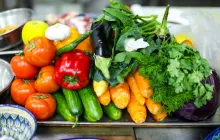
When you explore foods that promote a resilient immune system you encounter a broad spectrum of choices that range from bright citrus to fermented dairy alternatives and from leafy greens to lean proteins. Citrus fruits such as oranges, grapefruits, and mandarins are well known for their abundant vitamin C content, a nutrient that can support barrier function and immune cell activity while contributing to overall antioxidant protection. Berries such as strawberries, blueberries, and blackberries provide a potent combination of vitamin C and polyphenols that can modulate inflammatory processes and oxidative stress. Red peppers rival citrus in their vitamin C content and deliver a vivid dose of colorful phytochemicals that synergistically support immune health. Broccoli, a cruciferous vegetable, supplies fiber along with a suite of vitamins and minerals that help maintain immune cell metabolism and the integrity of mucosal surfaces. Garlic and onions bring sulfur compounds that may boost immune cell signaling and antimicrobial activity, while fresh ginger offers gingerols that have anti inflammatory effects and can calm gut discomfort that sometimes accompanies illness. Turmeric contains curcumin, a compound linked to reduced inflammatory signaling in immune pathways when consumed as part of a diverse diet. Yogurt and kefir provide live cultures that support gut microbiota, which educates and sustains immune function, especially when they are low in added sugars and rich in protein. Fermented foods like miso, sauerkraut, and tempeh contribute to microbial diversity in the gut, a cornerstone of gut-based immunity. Leafy greens such as spinach and kale offer folate, essential minerals, and numerous bioactive compounds that work together to keep immune cells energetic and responsive. Mushrooms, particularly varieties with beta-glucans, can modulate immune responses and help maintain balance during stress or seasonal challenges. Nuts and seeds, including almonds and sunflower seeds, supply zinc, vitamin E, and healthy fats that support cell membranes and antioxidant defenses intrinsic to immune health. Whole grains like oats provide soluble fiber that feeds beneficial gut bacteria, while also delivering a steady source of energy for immune processes. Fatty fish such as salmon, sardines, and mackerel supply omega-3 fats and protein that support anti inflammatory signaling and tissue repair, rounding out a core set of foods that are both nourishing and enjoyable. Olive oil, a mainstay of the Mediterranean pattern, contributes monounsaturated fats and polyphenols that complement the immune-supportive profile of a meal, helping to modulate inflammatory responses in a nuanced way that supports long term health. The beauty of this list lies in its variety and harmony, which makes it feasible to design meals that feel satisfying while aligning with immune health goals across different seasons and life stages.
How to incorporate these foods into daily meals
Turning principles into practice involves thinking about meals as opportunities to combine flavor, texture, and immune benefits in a way that fits into real life. A breakfast might feature yogurt with fresh berries, a handful of nuts, and a sprinkle of oats or seeds to provide protein, fiber, and a spectrum of micronutrients that support gut and immune health. A midday meal can blend leafy greens with colorful vegetables, citrus segments for brightness, and a protein source such as grilled salmon or beans to ensure adequate amino acids for immune cell turnover. For dinner, a vegetable rich stir fry with broccoli, garlic, and ginger tossed in olive oil over a whole grain base creates a satisfying plate that nourishes mucosal barriers and microbial balance. Snacks such as fruit with a small portion of nuts, or vegetable sticks with hummus, offer consistent nutrient intake without large gaps that could blunt immune alerts. Beverages such as herbal teas or green tea can supplement hydration while supplying polyphenols and other bioactives that support antioxidant defenses. The key is to think seasonally and locally where possible, rotating fruits, vegetables, grains, and proteins so that the immune system receives a broad spectrum of nutrients across the year. In addition to routine meals, batch cooking and mindful portioning help maintain steady energy and micronutrient intake, which reduces the risk of gaps that might leave immune defenses temporarily vulnerable during busy periods.
Probiotics and gut health as a driver of immunity
The gut is a central hub for immune education because a large portion of immune cells resides near the intestinal lining and continually samples the content of the gut lumen. A diet rich in prebiotic fibers from fruits, vegetables, whole grains, and legumes nourishes beneficial bacteria, which in turn supports the development of regulatory immune responses and peaceful coexistence with harmless microbes. Fermented foods introduce live microorganisms that can bolster microbiome diversity when they are prepared with care and stored safely, while dairy alternatives that are fortified with probiotic cultures can offer similar benefits for those who avoid dairy. A robust gut microbiome helps maintain the integrity of the intestinal barrier, reduces risky swings in inflammation, and promotes resilience during infections that travel through the digestive tract. Adequate protein intake supplies amino acids that immune cells require for replication and function, and a steady supply of dietary fiber acts as fuel for the microbial communities that shape immune signaling. The synergy between gut health and immunity highlights why a diet that favors plant rich foods, fermented options, and quality protein can deliver benefits that extend beyond digestion alone.
Antioxidants and anti inflammatory compounds
Many immune benefits derive from a steady intake of polyphenols and other antioxidants found in plant foods. Berries, citrus, tea, and olive oil provide powerful blends that help neutralize oxidative stress generated during an immune response, supporting healthier cell function and reducing excessive inflammatory damage. Green tea contains EGCG and other catechins that may influence inflammation and immune cell activity in a gentle, balanced way. Extra virgin olive oil supplies oleocanthal and other phenolics with anti inflammatory potential that complements vegetables and grains in a meal. A colorful plate that includes purple cabbage, red peppers, carrots, and leafy greens is not only appealing but also packed with compounds that work in concert to support immune surveillance and tissue repair. It is important to recognize that anti inflammatory effects are most beneficial when they occur within an overall dietary pattern rather than as isolated, high dose supplements, underscoring the idea that real foods act through network effects that support long term health rather than short term fixes.
Special considerations for different populations
Different life stages and health contexts shape how foods influence immune function. Children rely on a careful balance of calories, protein, and micronutrients to support rapid growth and a developing immune system, with regular meals and age appropriate portions helping maintain steady defenses. Older adults sometimes require tighter attention to micronutrient adequacy and protein intake to preserve muscle mass and immune responsiveness, and practical strategies include cooked vegetables that are easier to digest and fortified foods when appropriate. Pregnant people have increased needs for certain nutrients such as folate and iron, while still benefiting from a diet that is rich in fruits, vegetables, and lean proteins to support both maternal and fetal health. People with chronic conditions or on specific medications may need to tailor their choices to health plans and consult with professionals to avoid potential interactions while maximizing immune support. In all cases the emphasis remains on a varied, nutrient dense diet that offers a broad spectrum of vitamins, minerals, fats, and fiber rather than focusing on a narrow subset of foods. Hydration, sleep, physical activity, and stress management all interact with nutrition to shape immune readiness, making dietary decisions one part of a comprehensive healthier lifestyle.
Practical considerations for maximizing immune potential through food
Practical planning starts with a recognition that consistency matters more than perfection. A sustainable approach means incorporating a wide array of fruits, vegetables, whole grains, legumes, nuts, seeds, lean proteins, and healthy fats on a regular basis. It also means choosing minimally processed options when possible, paying attention to added sugars and sodium, and prioritizing freshness and safe handling to protect the nutrients housed in immune supporting foods. It can be helpful to create simple, repeatable meal ideas that rotate ingredients to avoid monotony while maintaining nutrient variety. For example, a lunch bowl that combines leafy greens, colorful vegetables, a protein source, and a drizzle of olive oil can be easily adapted with different toppings to keep the diet interesting and nutritionally balanced. A routine that includes a modest daily habit such as adding a citrus wedge to water, or sprinkling seeds over a salad, can gradually raise the daily intake of immunologically relevant micronutrients without feeling like a chore. The overall message is that immune health benefits from everyday choices that align with long standing dietary patterns rather than short term supplementation or dramatic changes that cannot be maintained.
Mistakes to avoid and myths to dispel
One common pitfall is assuming that a single nutrient or supplement can dramatically strengthen immunity beyond what a healthy diet can provide. While certain nutrients are critical, their effects are most meaningful when delivered through real foods that include a matrix of beneficial compounds that interact in complex ways. Another error is neglecting whole foods in favor of processed substitutes that may be fortified but lack the synergy of natural food blends. Over consuming supplements can also lead to imbalances or adverse effects, especially when taken without professional guidance. A related misconception is that immunity is a constant, unchanging state; in truth it rises and falls with the body’s needs, and food can help modulate this dynamic by supporting baseline function and resilience. It is worth noting that while adequate intake of well balanced nutrients supports immune health, sleep, stress management, exercise, and avoidance of harmful habits such as smoking or excessive alcohol consumption also play essential roles. A holistic approach that respects the diverse interactions among diet, lifestyle, and environment yields the best long term outcomes for immune defense and overall wellbeing.
Planning a sustainable immune supportive eating pattern
Creating a sustainable plan means prioritizing variety, color, and seasonality, ensuring that meals feel enjoyable and culturally appropriate while delivering a broad palette of nutrients. It involves gradually expanding the repertoire of foods you routinely include, so meals stay interesting and nutrient gaps stay minimal. A practical framework could emphasize three to five plant rich meals each week that emphasize vegetables and whole grains, complemented by two to three protein centered dishes featuring fish, legumes, or poultry, and supplemented by healthy fats such as olive oil, avocado, and nuts. By adopting a pattern that emphasizes fiber, micronutrient density, and a balance of macronutrients, you can support immune health over the long term without feeling deprived. The approach should also account for individual preferences and dietary restrictions, turning the goal of a robust immune system into a feasible, pleasurable, and culturally meaningful invitation to eat well every day. In this way nutrition becomes not a temporary fix but a durable ally in maintaining health, resilience, and vitality across the seasons and stages of life.
Closing reflections within a balanced framework
Within the broader landscape of health, foods that support a healthy immune system function best when they form part of a balanced lifestyle that includes regular physical activity, adequate hydration, sufficient sleep, and mindful stress management. The dietary patterns described here emphasize nourishment through diverse plant foods, high quality proteins, and healthy fats, while recognizing that no single food or nutrient guarantees protection from illness. The strength of this approach lies in its practicality: it invites steady, sustainable choices that accumulate benefits over time, reinforcing the body’s natural defenses rather than relying on quick fixes. By treating food as a source of both enjoyment and resilience, anyone can align daily eating with long term immune health and overall wellbeing, achieving a sense of nourishment that extends beyond the plate into every aspect of life.