Understanding the interconnectedness of diet, metabolism, and hair physiology helps illuminate why certain foods have a disproportionate impact on the strength, shine, and growth rate of hair. Hair growth is a complex process that involves an intricate cycle of growth, regression, and shedding, and nutrients play a central role in each phase. By ensuring that the body receives the right building blocks, such as amino acids, essential fats, vitamins, and minerals, the hair follicle can operate more efficiently, leading to healthier strands that resist breakage and appear fuller over time. It is not only the presence of a single nutrient that matters, but the balance among multiple nutrients that helps produce keratin, the protein that forms the core of hair fibers, while also supporting the scalp environment in which hair grows. A modern dietary approach that emphasizes colorful vegetables, quality protein, healthy fats, and hydration can create a foundation that encourages robust hair growth while also supporting overall well-being.
Understanding Hair Growth and Nutrition
In this section, readers are invited to consider the hair growth process as a reflection of nutritional status, as hair follicles depend on a steady supply of nutrients delivered through the bloodstream. The anagen phase, when the hair actively grows, benefits from an ample supply of minerals and amino acids, while the catagen and telogen phases are influenced by the body’s ability to sustain energy and protect against oxidative stress. The scalp, as the site of hair production, responds to inflammatory cues, hormonal signals, and microcirculation, all of which can be influenced by diet and lifestyle. When nutrients such as biotin, zinc, iron, and selenium are marginal, hair may appear dull, shed more than usual, or grow at a slower pace. Conversely, a nutrient-dense pattern that emphasizes protein quality, essential fats, diverse phytonutrients, and hydration can support thicker, shinier hair with fewer breakages. It is important to emphasize that supplements should be used cautiously and primarily to address clinically identified gaps, while whole foods provide a synergistic blend of nutrients, fiber, and phytonutrients that are easier for the body to absorb and utilize over time.
Key Nutrients That Matter for Hair
The list of nutrients that most consistently support hair health includes high-quality proteins that supply the amino acids needed to build keratin, along with fats that help the scalp stay moisturized and the follicles to function without excessive inflammation. Proteins from meat, fish, eggs, legumes, and dairy supply essential amino acids such as cysteine and methionine, which are important for keratin formation. Vitamins that include biotin, folate, and several B vitamins participate in energy metabolism and DNA synthesis within follicular cells, while minerals such as iron, zinc, and selenium contribute to the structural integrity of hair and to the functioning of enzymes involved in hair growth. In addition to these, antioxidants from colorful fruits and vegetables help neutralize reactive oxygen species that can damage hair follicles under stress, and omega-3 fatty acids from fatty fish or plant-based sources practice anti-inflammatory effects that may support follicle health. A balanced intake of these nutrients, distributed across meals and accompanied by adequate hydration, can help maintain a steady environment for hair to grow and mature. The emphasis should be on food first, with fortified foods or targeted supplements only considered when dietary intake falls short or when a clinician identifies a specific deficiency that could be affecting hair growth.
Fish and Omega-3 Rich Foods
Fatty fish such as salmon, sardines, and mackerel provide long-chain omega-3 fatty acids that help keep the scalp moisturized and may reduce inflammation that can hinder hair growth. The oils contained in these fish also carry vitamin D along with other fat-soluble nutrients that support follicle health. For individuals who do not eat fish, plant-based omega-3 sources such as flaxseeds, chia seeds, and walnuts offer alpha-linolenic acid that the body partially converts to longer-chain forms, though the conversion rate is limited. Regular inclusion of these fats, paired with lean protein, helps maintain the lipid barrier of the scalp, which is essential for preventing dryness and breakage. A broader dietary pattern that includes a couple of fish servings each week, or an equivalent amount of high-quality plant fats, can contribute to a healthier environment for hair growth over the long term.
Eggs and High-Quality Protein Sources
Eggs are a compact package of high-quality protein, biotin, and other micronutrients that support hair formation and strength. Each egg provides a complete set of essential amino acids, along with minerals that facilitate enzymatic processes necessary for cellular growth within the hair follicle. Other excellent protein sources include lean meats, dairy products, legumes, and soy products, all of which help supply the amino acids needed for keratin synthesis. A pattern that emphasizes protein with every meal helps maintain amino acid availability throughout the day, supporting not only hair growth but also muscle maintenance, immune function, and overall energy levels. It is important to vary protein sources to obtain a broad spectrum of micronutrients that contribute to follicle health and to avoid dietary monotony that can lead to nutrient gaps over time.
Leafy Greens and Colorful Vegetables
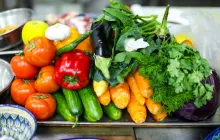
Leafy greens such as spinach, kale, and Swiss chard provide iron, folate, and vitamin C, which play roles in oxygen delivery, collagen support, and iron absorption, all of which relate indirectly to hair health. The pigments in colorful vegetables, including beta-carotene and lutein, offer antioxidant and protective effects that can support the scalp and hair follicles against environmental stress. The minerals and vitamins in these vegetables help maintain the structural integrity of the hair shaft and provide nutrients that support the immune system in ways that can influence hair growth cycles. A consistent intake of a wide variety of vegetables, including cruciferous greens and deeply colored roots, contributes to a nutrient-dense pattern that supports hair structure and scalp health over time.
Fruits, Berries, and Antioxidants
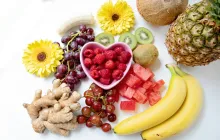
Fruits and berries deliver a rich array of vitamins, minerals, and phytochemicals that support hair growth. Vitamin C, for example, is essential for collagen production, which helps strengthen the connective tissue around hair follicles and supports healthy blood vessels that feed the scalp. Berries such as blueberries, strawberries, and raspberries provide potent antioxidants that help protect hair follicles from oxidative stress associated with aging and environmental factors. Citrus fruits supply flavonoids and vitamin C, while other fruits contribute potassium, fiber, and polyphenols that can influence systemic inflammation and vascular function. A habit of incorporating a colorful assortment of fruits into daily meals helps ensure that the body receives diverse phytonutrients that may contribute to a healthier scalp environment and improved hair resilience.
Nuts, Seeds, and Healthy Fats
Nuts and seeds are concentrated sources of healthy fats, protein, and minerals such as zinc and selenium, which support enzyme function and hair follicle health. Walnuts, almonds, and Brazil nuts provide varying fatty acid profiles and micronutrients that contribute to the strength and flexibility of the hair shaft. Seeds such as chia, flax, pumpkin, and sunflower offer fiber and omega-3 or omega-6 fats that can help maintain a well-lubricated scalp and also deliver minerals important for hair growth. The inclusion of a small handful of nuts or a spoonful of seeds most days can complement a balanced diet by supplying consistently usable nutrients and helping to reduce inflammation in tissues, including those surrounding hair follicles. It is worth noting that portions should be mindful for calories, yet regular consumption of these foods has been linked to improved hair condition in many individuals when part of a broader healthy eating pattern.
Whole Grains and Plant-Based Proteins
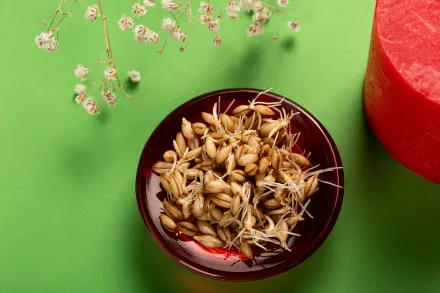
Whole grains and plant-based proteins contribute to steady energy, fiber intake, and a spectrum of micronutrients that support metabolic processes relevant to hair growth. Quinoa, barley, bulgur, oats, and brown rice provide complex carbohydrates along with B vitamins and minerals that help fuel cellular activity in hair-producing cells. Plant-based proteins from beans, lentils, tofu, tempeh, and edamame supply amino acids and phytochemicals that support follicle health and diversify the nutrient profile beyond animal products. A diet rich in whole grains and composite plant proteins helps avoid spikes in insulin and inflammatory responses that could influence hair cycle dynamics, while also supporting gut health and nutrient absorption that indirectly benefit hair growth. The pattern of mixing grains with legumes or vegetables creates a nutritionally robust matrix that can sustain hair follicles through the growth cycles.
Dairy, Fortified Foods, and Micronutrients
Dairy products such as yogurt, cheese, and milk offer high-quality protein along with calcium and vitamin B12, which contribute to overall metabolic health and bone support for the body, including hair follicles. Fortified foods, such as certain cereals or plant milks, can provide vitamin D, vitamin B12, and iodine, all of which play roles in cellular energy, thyroid function, and hair cycle regulation. Calcium and zinc in dairy products support keratin formation and structural integrity of the hair, while iodine participates in thyroid hormone synthesis that influences hair growth rates. When dairy is not part of the diet, fortified alternatives or balanced plant-based protein sources can help ensure that micronutrient needs are met without compromising hair health. A careful approach to micronutrient intake supports the body's ability to sustain normal hair growth and the health of the scalp over months and years.
Hydration and Lifestyle Factors
Hydration is essential for maintaining the moisture balance of the scalp and the inside of hair fibers. Adequate water intake, along with limiting excessive caffeine and alcohol consumption, supports the vascular system that feeds hair follicles. Sleep, stress management, and regular physical activity also influence hair health by modulating hormonal balance, inflammation, and circulation. A holistic approach that integrates sensible exercise, quality sleep, and stress-reducing practices complements the dietary pattern and can reduce the risk of hair shedding linked to stress or nutritional gaps. The goal is to create a sustainable lifestyle where daily meals, hydration, and rest align to support the scalp environment and the rate at which hair grows and matures, resulting in a healthier overall appearance and texture of the hair over time.
Putting It All Together: A Hair-Friendly Eating Pattern
Putting the pieces together means adopting a consistent, enjoyable pattern that emphasizes variety, color, and balance while staying mindful of portion sizes and personal dietary preferences. Start with a protein-rich base at most meals, pair it with a colorful array of vegetables to ensure a broad spectrum of micronutrients, and include healthy fats that help maintain scalp moisture and anti-inflammatory balance. The culinary approach should avoid processed foods that are high in refined sugars and trans fats, as these can promote inflammation and affect hair quality when consumed in excess. By weaving together high-quality proteins, leafy greens, vibrant fruits, whole grains, and healthy fats, a person can create a nourishing environment that supports hair growth through steady nourishment of follicles, improved circulation, and reduced oxidative stress. A long-term commitment to this pattern, along with attention to hydration and sleep, yields tangible improvements in hair texture, shine, and strength, while also benefiting overall health and vitality.
Individual Differences and Practical Tips
Different people respond differently to nutrients; hair growth can be influenced by genetics, hormones, age, and environmental factors. This means that dietary improvements may yield variable results among individuals, and it is normal to observe slower changes in some cases compared to others. Monitoring hair health through the appearance of shine, elasticity, and reduced shedding can help gauge progress, though changes in hair growth rate are typically gradual and may take months to become noticeable. Personalizing the plan means considering preferences, cultural foods, and any medical conditions that affect digestion or nutrient absorption. For example, individuals with iron deficiency may see stronger results after correction of the deficiency with a physician-guided plan that may include dietary adjustments alongside appropriate supplementation. In the case of vegetarians or those avoiding animal products, attention to iron, zinc, and protein quality becomes critical, and combining vitamin C-rich foods with iron-rich plant foods can improve iron absorption. Similarly, individuals with thyroid conditions should work with healthcare providers to optimize hormones, as thyroid health is closely linked to hair growth. The key idea is consistency and patience, along with a willingness to adapt the pattern to personal needs while maintaining a core focus on nutrient-dense, whole foods that support scalp health and follicle vitality.
Practical meal planning can be approached by anchoring meals with a protein portion, then filling the plate with vegetables and a portion of whole grains or legumes, and finishing with a healthy fat source such as olive oil, avocado, or nuts. This approach helps maintain energy balance, supports digestion, and provides a steady stream of nutrients that hair follicles rely on over time. For individuals with busy schedules, batch-cooked proteins and prepared vegetables can simplify adherence without sacrificing nutrient density. The aim is to cultivate a sustainable rhythm in which meals, snacks, rest, and activity align to support a healthy scalp, improved hair quality, and an overall sense of well-being that extends beyond the hair itself.
Practical Cooking Principles and Sustainable Habits
Cooking principles that prioritize nutrient retention while preserving flavor can significantly influence adherence to a hair-friendly pattern. Techniques such as steaming vegetables to preserve water-soluble vitamins, baking fish with citrus and herbs, and using extra virgin olive oil as a finishing touch at the end of cooking support nutrient integrity. Flavor makes meals enjoyable, which in turn supports consistency; modest seasoning with herbs instead of heavy sauces helps maintain a diet that is both delicious and aligned with hair health goals. Meal timing and distribution of calories throughout the day can also matter, as steady energy supply supports hormonal balance and metabolic efficiency that underpins tissue maintenance, including hair follicles. Embracing a lifestyle that values nourishment, variety, and mindful preparation allows the hair growth process to benefit from a broad spectrum of nutrients while still accommodating personal taste and cultural preferences.
Special Considerations for Different Diets and Life Phases
Different life stages and dietary patterns require careful attention to ensure that hair health is not compromised. Pregnant individuals, growing adolescents, and older adults may have unique nutrient needs that influence hair growth and quality. In pregnancy, for example, increased demands for iron and folate must be balanced with safety considerations, while adolescent growth spurts may demand higher protein and caloric intake to support rapid hair production. Aging can bring changes in digestion and nutrient absorption, so focusing on easily absorbed forms of nutrients, such as heme iron from animal sources or iron-rich plant foods paired with vitamin C, can be particularly helpful. Plant-based diets require thoughtful planning to secure adequate zinc, iron, and omega-3 fats, and in some cases, targeted supplementation under professional guidance may be appropriate. By staying attuned to these life-phase needs and adjusting meal patterns accordingly, individuals can maintain a robust foundation for hair health without sacrificing overall wellness or dietary satisfaction.
In all cases, the emphasis remains on a holistic pattern that values proteins, colorful vegetables, healthy fats, and whole grains, while respecting personal preferences and medical considerations. Hair health emerges as a reflection of general health, with nourishment, circulation, and hormonal balance playing central roles. When these elements align, hair tends to appear shinier, feel more resilient, and grow with a steadier rhythm that individuals can observe over time as their lifestyle choices accumulate into lasting changes. The journey toward healthier hair is ultimately a long-term commitment to nourishing habits that nourish the whole person, not just the strands on top of the head.