Cholesterol operates in a delicate balance within the body, serving essential roles in building cell membranes, producing certain hormones, and supporting the synthesis of vitamin D. Yet when the proportions of cholesterol carried in the bloodstream shift toward the lipoprotein particles that we commonly label as bad cholesterol, the risk of atherosclerotic change rises. The body’s cholesterol economy is influenced by genetics and age, but it is significantly shaped by everyday dietary choices, physical activity, weight management, and other lifestyle factors. Understanding how specific foods interact with lipoprotein particles can empower individuals to support a healthier lipid profile. The central idea is that diet not only supplies cholesterol itself but more importantly modifies the way the liver processes lipids, the amount of cholesterol that enters the bloodstream from dietary sources, and how efficiently the body clears cholesterol from circulation. When readers make consistent choices that favor high-density lipoprotein activity, low-density lipoprotein oxidation resistance, and triglyceride regulation, the vessel walls experience less inflammatory stress and the heart benefits from improved oxygen delivery and smoother blood flow. In the long run, these dietary strategies contribute to a lower lifetime risk of cardiovascular events and improve overall metabolic health, even in individuals who begin with modest elevations in cholesterol. The emphasis is on sustainable, flavorful, nutrient-dense foods that fit into varied dietary patterns and culinary traditions while gently steering the lipid system toward balance.
Understanding the different cholesterol particles and how diet influences them
Within the bloodstream, cholesterol travels attached to protein carriers called lipoproteins. The two most discussed forms are LDL, often described as the carrier of cholesterol to tissues, and HDL, labeled as the scavenger that ferries cholesterol away from the arteries back to the liver for disposal. A healthy approach to cholesterol aims to reduce the low-density lipoprotein pool while supporting the high-density lipoprotein system and ensuring triglyceride levels stay within a normal range. Diet contributes to this balance through the types of fats consumed, the amount of soluble fiber ingested, and the presence of plant compounds that modulate the synthesis and breakdown of lipids in the liver. By emphasizing foods that improve insulin sensitivity and reduce inflammatory signaling, dietary patterns can positively influence how lipoproteins are produced, transformed, and cleared. In addition, certain plant-based compounds, including polyphenols found in colorful fruits and vegetables, can inhibit processes that raise LDL oxidation and support the resilience of HDL particles. The result is a cholesterol profile that behaves more favorably under physiological stress and during daily activities such as walking, climbing stairs, or engaging in moderate-to-vigorous exercise. A thoughtful dietary approach thus aligns closely with long-term vascular health and the maintenance of healthy cholesterol levels across the lifespan.
Key dietary components that influence cholesterol balance
Among the most influential dietary components are soluble fibers, healthy fats, plant sterols and stanols, and omega-3 fatty acids. Soluble fiber dissolves in water to form a gel-like substance that can bind cholesterol in the digestive tract and slow its absorption, thereby reducing the amount that enters the bloodstream. This fiber is abundant in oats, barley, legumes, certain fruits, and some vegetables, and it supports a gradual and steady lowering of LDL cholesterol without compromising overall nutrition. Healthy fats, particularly those from unsaturated sources, contribute to a lipid profile that favors balance by replacing saturated fats with more heart-friendly alternatives. Mono- and polyunsaturated fats, found in olive oil, avocados, nuts, seeds, and fatty fish, can help reduce LDL cholesterol and triglyceride levels while boosting HDL function. Plant sterols and stanols are structurally similar to cholesterol and compete with dietary cholesterol for absorption, which reduces the amount of cholesterol that enters the bloodstream. They are present in small amounts in several plant foods and are added to certain fortified products, offering a practical way to nudge cholesterol downward when used regularly as part of a varied diet. Omega-3 fatty acids, particularly EPA and DHA from fatty fish or plant-based ALA sources, contribute to triglyceride reduction, anti-inflammatory effects, and improvements in the ratio of protective HDL particles to harmful LDL particles. Together, these components help create a nutrient-rich framework that supports healthy cholesterol levels while promoting cardiovascular resilience and metabolic harmony. In addition to these core elements, the overall dietary pattern matters, and a strategy that emphasizes plant-forward meals, whole foods, and mindful portions tends to yield the most robust results over time.
Soluble fiber as a cornerstone for cholesterol management
Soluble fiber, with its capacity to form a gel in the intestinal tract, slows digestion and the absorption of fats, sugars, and cholesterol. This moderating effect translates into a gentle, sustained decline in LDL cholesterol for many people, particularly when intake is consistent and part of a broader pattern of healthy eating. Oats and barley stand out as classic sources that deliver substantial amounts of soluble beta-glucan, a fiber type associated with LDL reduction. Legumes, including beans, lentils, and chickpeas, provide a potent combination of soluble fiber and plant-based protein, supporting fullness and a favorable lipid response. Certain fruits, such as apples, pears, and citrus, supply soluble pectin and other fibers that contribute to steady lipid control while offering a spectrum of micronutrients. Vegetables, especially those with a starchy component or a high water content, contribute to total fiber intake as well as a honeycomb of phytonutrients that help shield the vascular system from oxidative stress. The practical implication is straightforward: integrating a variety of fiber-rich foods at meals supports the liver’s ability to process cholesterol and helps stabilize LDL levels, all while supporting gut health, nutrient absorption, and weight management. The broader health benefits extend beyond cholesterol, touching appetite regulation, blood sugar stability, and mood regulation through gut-brain communication pathways.
Healthy fats that replace saturated fats to promote cholesterol balance
Replacing saturated fats with healthier fats represents a pragmatic strategy to influence cholesterol outcomes. Olive oil, canola oil, and other plant-based oils provide monounsaturated fats that can lower LDL cholesterol when used in place of saturated fats found in fatty meats, full-fat dairy, and some processed snacks. Avocados add a complementary source of monounsaturated fats along with fiber and a spectrum of vitamins, supporting heart-friendly lipids without increasing calories in excess. Nuts and seeds deliver polyunsaturated fats, particularly omega-6 and omega-3 fats, alongside fiber and plant protein. The pattern of incorporating these fats into meals—such as drizzling olive oil over vegetables, adding avocado slices to salads, or enjoying a handful of almonds or walnuts as a snack—offers a palatable route to lipid balance that many people can sustain. In contrast, foods high in saturated fats and trans fats can elevate LDL cholesterol and contribute to a less favorable lipoprotein profile, underscoring the importance of mindful substitutions. The emphasis on quality fats integrates seamlessly with other lifestyle and dietary practices, creating a cohesive approach to cardiovascular health that respects taste, culture, and personal preference while slowly shifting lipid values toward a healthier trajectory.
Plant-based sterols and stanols and their role in cholesterol lowering
Plant sterols and stanols are naturally occurring compounds found in small amounts in many vegetables, fruits, nuts, and grains. Their structural similarity to cholesterol allows them to compete for intestinal absorption, effectively reducing the amount of dietary cholesterol that makes its way into the bloodstream. For some individuals, consuming foods fortified with sterols and stanols can yield meaningful reductions in LDL cholesterol when combined with an overall heart-healthy diet. The practical application involves selecting products that carry sterol or stanol fortification, such as certain spreads, yogurts, and fortified beverages, and integrating them into a regular eating pattern. It is important to maintain variety and balance, ensuring that the rest of the diet remains rich in fiber, protein, and nutrient-dense foods. As with any intervention, individual responses vary, and working with a healthcare professional to monitor how sterols or stanols affect lipid levels is a prudent approach. In most cases, sterol- and stanol-containing foods are best used as part of a larger strategy rather than as a sole or exclusive intervention, supporting LDL reduction while preserving overall nutritional quality and enjoyment of meals.
Omega-3 fatty acids and their influence on triglycerides and overall lipid balance
Omega-3 fatty acids, especially EPA and DHA derived from fatty fish, are renowned for their triglyceride-lowering effects and anti-inflammatory properties. Regular consumption of fatty fish such as salmon, mackerel, sardines, or trout can help reduce circulating triglycerides and may modestly influence LDL and HDL dynamics in ways that favor heart health. Plant-based omega-3 sources, including flaxseeds, chia seeds, and walnuts, contribute alpha-linolenic acid (ALA), which the body can convert to EPA and DHA only to a limited extent. The practical takeaway is to incorporate a few servings of fatty fish each week where feasible, and to include plant-based omega-3 sources as part of a varied diet. This approach supports a comprehensive lipid strategy, particularly when it is paired with increased soluble fiber, reduced refined carbohydrates, and consistent physical activity. Omega-3s also support endothelial function and can help dampen inflammatory signals associated with plaque formation, contributing to a more resilient vascular system over time. The combination of these fats with other heart-healthy dietary elements fosters a holistic lipid profile that aligns with long-term health goals.
Fibers, whole grains, and plant-based proteins for durable cholesterol control
Beyond soluble fiber, whole grains and plant-based proteins contribute to cholesterol health by providing complex carbohydrates, phytochemicals, and nutrient-dense profiles that support balanced lipid metabolism. Whole grains, including oats, barley, quinoa, bulgur, and brown rice, supply a spectrum of fibers that slow fat absorption and improve post-meal lipid responses. They also deliver vitamins, minerals, and antioxidants that support metabolic processes influencing lipid handling in the liver. Plant-based proteins from legumes, soy, lentils, and tofu offer alternatives to animal proteins with lower saturated fat content and additional fiber, contributing to LDL reduction while preserving satiety and muscle-supportive amino acids. The fusion of fiber-rich grains with diverse plant proteins can yield meals that are satisfying, nourishing, and friendly to cholesterol management. It is helpful to imagine meals built around a base of vegetables and whole grains, complemented by beans or legumes and modest portions of lean animal proteins or more plant-based proteins, ensuring a steady supply of essential amino acids, minerals, and phytonutrients without oversupplying saturated fats or refined carbohydrates. This approach supports cholesterol balance and promotes a sustainable, enjoyable way of eating.
Fruits, vegetables, and polyphenols for vascular resilience
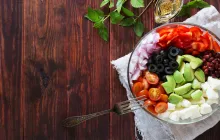
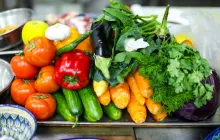
Colorful fruits and vegetables deliver a decrease in oxidative stress and an abundance of polyphenols, flavonoids, and carotenoids that appear to support cholesterol health through multiple pathways. These compounds may help preserve the integrity of LDL particles, reduce arterial inflammation, and support the function of HDL particles that assist cholesterol clearance. Regularly consuming a variety of fruits and vegetables also enhances fiber intake and provides a broad spectrum of micronutrients that support metabolic processes related to lipid management. A diet rich in plant foods encourages a diverse gut microbiome, which in turn may influence lipid metabolism and inflammatory status in the body. The relationship between diet, gut health, and lipid balance is increasingly recognized as a dynamic interplay that can amplify the cholesterol-friendly effects of other dietary choices. Incorporating a wide array of plant foods ensures a broad intake of protective compounds while keeping meals flavorful and satisfying, a combination that strengthens adherence to a heart-healthy lifestyle over the long term.
Protein choices in relation to cholesterol and overall heart health
Protein quality and source can influence cholesterol through saturated fat content, cholesterol content, and accompanying nutrients. Lean cuts of poultry, fish, and plant-based proteins can support cholesterol balance when prepared with minimal added saturated fats and without heavy processing. Soy products, lentil-based dishes, and chickpea stews provide essential amino acids while delivering fiber and phytonutrients that support lipid metabolism. The goal is to favor proteins that contribute to satiety and muscular maintenance without elevating saturated fat intake. When animal proteins are chosen, focusing on lean cuts and trimming visible fat, using methods such as baking, grilling, or steaming rather than frying, can lower dietary saturated fat and, consequently, support LDL management. A balanced protein strategy, combined with abundant vegetables, whole grains, and legumes, creates meals that enhance lipid control while offering variety and satisfaction for diverse palates and cultural traditions.
Dietary patterns that foster healthy cholesterol levels
Across populations, certain dietary patterns consistently associate with healthier lipid profiles. The Mediterranean pattern emphasizes olive oil, vegetables, fruits, whole grains, legumes, nuts, seeds, and moderate amounts of fish and dairy. This approach emphasizes unsaturated fats, fiber, and a broad array of phytonutrients that collectively support heart health and cholesterol balance. The DASH pattern focuses on fruits, vegetables, low-fat dairy, lean proteins, and whole grains, providing a framework that supports blood pressure and lipid management. Both patterns encourage modest portions, enjoyment of meals, and long-term adherence, which are essential for sustained lipid health. The underlying principle is not simply to restrict but to replace less favorable components with nutrient-dense options in a way that is culturally acceptable and enjoyable. For many people, a flexible approach that blends elements from various heart-healthy dietary patterns, tuned to individual preferences and medical guidance, yields the best long-term cholesterol outcomes while improving overall wellness and energy levels for daily activities.
Practical meal planning and daily dietary rhythm for cholesterol balance
Effectively promoting healthy cholesterol levels hinges on routine, not perfection. Small, consistent changes accumulate over time, guiding the body toward a more favorable lipid profile. A practical approach begins with designing meals that place fiber-rich vegetables and whole grains at the center, with lean proteins or plant-based alternatives as companions and a healthy fat chosen as the cooking medium or topping. Preparing dishes in batches, using legumes as a base for soups and stews, and including a handful of nuts or seeds as a snack can help maintain steady energy and long-lasting fullness. The rhythm of meals—balanced portions spread through the day—supports metabolic stability, reduces triggers for overeating, and fosters a favorable response from lipid-processing organs. It can be helpful to rotate different protein sources and vary fruit and vegetable choices across the week, ensuring a broad intake of micronutrients and phytochemicals that support lipid metabolism and heart health. In addition, mindful cooking methods that reduce added fats, sugars, and ultra-processed ingredients play a crucial role in sustaining cholesterol-friendly eating patterns. Over time, these practical adjustments become second nature, helping individuals enjoy diverse flavors while supporting their lipid goals and overall vitality.
Lifestyle harmony: exercise, sleep, and weight management as allies
Diet is only one part of the cholesterol story. Regular physical activity improves lipid profiles by increasing HDL cholesterol, reducing triglycerides, and enhancing insulin sensitivity, which collectively support healthier lipoprotein balance. A sustainable activity routine can be moderate in intensity but consistent, including activities such as brisk walking, cycling, swimming, or dancing. Adequate sleep supports hormonal regulation that influences appetite, metabolism, and inflammatory processes, which in turn can affect cholesterol dynamics. Maintaining a healthy body weight reduces the burden on lipid processing systems and helps keep LDL cholesterol in check. The interplay between exercise, sleep, weight management, and nutrition is synergistic; when they align, small improvements in each area accumulate to yield more robust and durable lipid health outcomes. People often find that combining enjoyable physical activities with meals that emphasize fiber, healthy fats, and plant proteins creates a harmonious lifestyle that supports long-term cholesterol balance and cardiovascular resilience. These integrated habits reinforce the body's natural ability to regulate lipoprotein particles and reduce the risk of vascular complications associated with imbalanced cholesterol.
A practical synthesis: living with cholesterol-friendly foods every day
The daily kitchen routine becomes a powerful tool when it centers on choices with known lipoprotein benefits. Each meal can be crafted to balance carbohydrates, proteins, and fats, emphasizing fiber-rich vegetables, whole grains, legumes, and a source of lean or plant-based protein. A drizzle of extra virgin olive oil or a handful of almonds can replace saturated fats without sacrificing satisfaction. Fortified foods with plant sterols or stanols can be incorporated mindfully, while omega-3 rich options provide anti-inflammatory support. The overarching message is not a rigid prescription but a flexible program that respects personal tastes, cultural traditions, and social contexts, enabling adherence over the long term. By consistently selecting foods that nourish the liver’s capacity to regulate lipid production and clearance, people can experience meaningful improvements in their cholesterol health, which, in turn, supports better blood vessel function, reduced oxidative stress, and a healthier outlook for aging. The story of cholesterol management is not about a single magical ingredient but about a tapestry of dietary choices woven together with patience, curiosity, and a willingness to experiment with flavors, textures, and seasonal produce. In this way, healthy cholesterol levels become an accessible and enjoyable aspect of everyday life rather than an abstract objective.