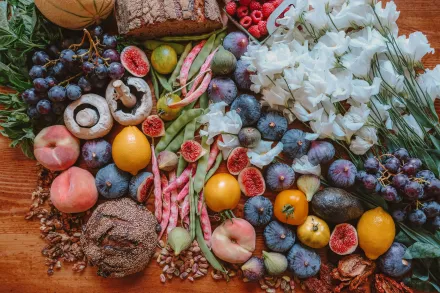
Bone health is a dynamic balance between bone formation and bone resorption, a process influenced by genetics, age, physical activity, and notably the foods we choose to feed our bodies. The skeleton is not simply a passive framework; it is a living tissue that responds to nutrients with remodeling cycles that can strengthen or weaken its structure over time. In this broader view, nutrition emerges as a central player in maintaining bone integrity, reducing the risk of fractures, and sustaining mobility across the life course. The foods highlighted here are chosen for their nutrient profiles, practical availability, and the ways their components interact to support the mineralization of bone, the maintenance of bone mass, and the resilience of connective tissues that protect joints. This exploration uncovers not only the main calcium and vitamin D story but also a constellation of minerals, vitamins, amino acids, and fatty acids that together influence how bones grow, repair, and adapt to stress. By weaving together diverse dietary sources, it becomes possible to design meals that nourish the skeleton while also delivering other health benefits, such as improved cardiovascular function, better metabolic control, and enhanced satiety. The aim is to translate complex science about bone biology into approachable guidance that can be incorporated into everyday eating patterns without constraining flavor, cultural preferences, or dietary choices. In that spirit, the discussion that follows moves beyond single nutrients and toward patterns, combinations, and culinary strategies that consistently support bone health across different stages of life, from childhood through older adulthood. As readers reflect on the foods they enjoy, the case for a bone-friendly approach becomes clearer: combinations that promote mineral availability, support collagen synthesis, reduce inflammatory stress, and supply enough protein to sustain muscle mass and skeletal integrity. The result is not a single magical superfood but a kind of dietary architecture wherein a spectrum of nutrient-dense foods works in concert to keep bones strong, ligaments supple, and the whole musculoskeletal system resilient through daily activity and aging. This article centers on practical sources, evidence-informed recommendations, and the real-world palatability of foods that matter for bone health, emphasizing a balanced approach that respects taste, budget, and cultural traditions while prioritizing skeletal protection over the long term. By integrating these ideas into meal planning, readers can cultivate a nutrition-friendly environment for bones that persists beyond short-term dietary changes and becomes a sustainable habit.
Calcium: The Cornerstone of Bone Mineralization
The mineral calcium is the most abundant in the adult skeleton, forming the crystalline matrix that gives bones their hardness and structural integrity. Calcium does not act alone, yet without adequate intake, the skeleton becomes more vulnerable to demineralization, particularly in later years when hormonal changes, lifestyle factors, and health conditions may alter bone turnover. The most familiar sources of calcium are dairy products such as milk, yogurt, and cheese, but calcium is also found in fortified plant milks, leafy greens with favorable bioavailability, certain fish with edible bones, and fortified grains. In addition to the amount of calcium consumed, the body’s ability to absorb and retain calcium depends on interactions with other nutrients and the digestive environment. For many people, dairy provides a convenient and highly bioavailable source of calcium, while others choose plant-based options and many find success by combining fortified foods with a diet rich in other bone-supporting nutrients. The absorption of calcium is facilitated when the diet includes adequate amounts of vitamin D, magnesium, and protein, and when oxalate-containing foods are balanced so they do not drastically hinder calcium availability. Further, the presence of lactose in dairy can enhance calcium absorption in the small intestine, a detail that helps explain why dairy remains a potent contributor to bone mineral reserves in populations that tolerate it.
Beyond the obvious calcium content, bone-friendly diets emphasize the synergistic interactions between calcium and other micronutrients. Calcium works within a network of minerals that communicates with bone-forming cells and the remodeling system. Magnesium, for example, participates in the structural role of bone and influences calcium metabolism. Phosphorus provides a scaffold for energy-rich molecules in bone and participates in bone mineralization processes. Together these minerals support bone density and structural integrity when consumed within recommended ranges. In practice, calcium-rich foods should be paired with a variety of other nutrients across meals to optimize absorption, utilization, and accretion in bone tissue. The cultural and culinary landscape offers many delicious ways to achieve this, from calcium-fortified beverages and breakfast cereals to leafy greens sautéed with legumes, to snacks featuring dairy or fortified plant products alongside nuts or seeds rich in magnesium.
In addition to calcium quantity, the timing of calcium intake relative to other nutrients can influence how effectively calcium is deposited in bone. Spreading calcium-containing meals across the day, rather than concentrating it in a single sitting, may improve utilization in some individuals, particularly children and older adults who are building or safeguarding bone mass. The practical takeaway is straightforward: incorporate calcium-rich foods with varied meals and snacks so the skeleton receives a steady stream of minerals rather than large, isolated doses. This approach aligns with broader dietary patterns known to promote overall health while supporting bone mineralization across the lifespan.
Vitamin D: The Sunshine Vitamin That Enables Calcium Uptake
Vitamin D is essential for calcium absorption and bone mineralization, acting as a hormonal signal that enhances calcium transport from the gut into the bloodstream and ultimately into bone tissue. Without sufficient vitamin D, even a diet rich in calcium may fail to prevent bone loss because the mineral cannot be effectively utilized by osteoblasts and osteoclasts, the cells responsible for building and reshaping bone. The primary sources of vitamin D include fatty fish such as salmon, mackerel, and sardines, as well as fortified foods like certain dairy products, plant milks, and cereals. Sun exposure triggers the skin to synthesize vitamin D, a process influenced by geography, season, skin pigmentation, age, and sunscreen use. In many populations, dietary intake alone is not enough to ensure optimal vitamin D status, so sensible sun exposure or supplementation may be appropriate, particularly in regions with long winters or limited sunlight.
Vitamin D does more than just facilitate calcium absorption; it also influences bone cell activity and the rate of remodeling. Adequate vitamin D supports the maturation and function of osteoblasts, the bone-building cells, and helps regulate osteoclasts, the cells that break down bone during remodeling. A balanced supply of vitamin D thus contributes to maintaining bone mass as well as the capacity to repair micro-damage that arises from daily life, physical activity, or injury. In culinary terms, this means embracing dietary patterns that include oily fish, fortified products, and, where appropriate, supplements under medical guidance. A well-planned approach ensures vitamin D levels are sufficient to maximize calcium efficiency while supporting other metabolic roles, including immune function and cell growth.
Seasonal and dietary variations make it prudent to consider a combined strategy for bone health that includes moderate sun exposure, foods rich in vitamin D, and the use of fortified products when dietary intake is uncertain. For individuals who avoid animal products or who have limited access to fatty fish, fortified plant-based milks and cereals can help, while mushrooms exposed to ultraviolet light can provide appreciable amounts of vitamin D2 with each serving. The key is consistent intake that aligns with personal health needs and lifestyle, rather than a one-time or sporadic approach that may leave a gap in vitamin D sufficiency.
Vitamin K and Other Micronutrients for Bone Matrix
Vitamin K plays a role in modifying bone proteins and supporting the proper mineralization of the extracellular matrix. While vitamin K1 is abundant in leafy greens, vitamin K2, which has been associated with bone quality and reduced fracture risk in some studies, is found in fermented foods and certain animal products. The interplay between vitamin K and other bone-related nutrients—especially calcium and vitamin D—signals a more integrated approach to bone health, where the timely activation of bone proteins assists in depositing minerals where they belong. Furthermore, minerals such as zinc, copper, and manganese contribute to collagen formation and enzyme systems that help build and maintain the bone matrix. Though required in small amounts, these trace nutrients support structural integrity and resilience when consumed as part of a diverse diet. In practice, the inclusion of dark leafy greens, fermented foods, and a spectrum of whole grains and legumes can help ensure these micronutrients are present in meaningful amounts.
Dietary patterns that emphasize quality carbohydrates, plant proteins, and healthy fats naturally promote a spectrum of micronutrients that complement calcium and vitamin D. For example, a meal featuring kale or Swiss chard, a serving of miso or natto, and a portion of fish or fortified beans can provide vitamin K, along with calcium, magnesium, and zinc, contributing to a multi-nutrient approach to bone health. It is worth noting that the evidence for vitamin K’s effect on fracture risk is not universally definitive, yet the biological plausibility and observational associations across populations support its inclusion as part of a bone-supportive diet. Within a broader context of healthy eating, these micronutrients help maintain bone quality and reduce the likelihood of fragile bones with advancing age.
Protein and Bone Health: Building Blocks for Skeletal Maintenance
Protein intake is essential for bone health because amino acids supply the scaffolding required for tissue repair and turnover. Bones are embedded in a muscular framework, and adequate protein supports both muscle and bone, reducing fall risk and contributing to overall skeletal stability. The relationship between protein and bone is nuanced; while older adults sometimes require careful balance to avoid potential calcium losses from very high protein intake, the consensus in contemporary guidance emphasizes adequate protein as a foundation for maintaining bone mass. Both animal and plant protein sources can contribute meaningfully to bone maintenance, with emphasis on a variety of protein-rich foods such as dairy products, lean meats, eggs, legumes, soy products like tofu and tempeh, and nuts and seeds. The protein should be paired with calcium-containing foods and other bone-supporting nutrients to optimize the synergy between muscle and bone health. In this sense, the role of protein extends beyond merely sustaining muscle to supporting the integrity of bone through collagen synthesis and matrix formation, processes that are central to resilience in aging skeletons.
Within the dietary landscape, plant-based proteins offer favorable amino acid profiles when thoughtfully combined, ensuring all essential amino acids are provided across meals. The inclusion of legumes with whole grains, or soy with vegetables, enables complete protein patterns that support bone health without relying exclusively on animal products. Practical meal strategies might include a daily mix of dairy or fortified alternatives for calcium alongside protein-rich dishes that incorporate beans, lentils, or soy, all paired with vegetables that supply micronutrients like magnesium and vitamin K. This integrated approach advances the goal of robust bone health while reflecting varied taste preferences and dietary choices.
Omega-3 Fatty Acids and Inflammation Control
Omega-3 fatty acids, notably eicosapentaenoic acid and docosahexaenoic acid, possess anti-inflammatory properties that may have indirect benefits for bone remodeling. Inflammation can influence osteoclast activity and disrupt the balanced turnover that keeps bones strong. Incorporating sources of omega-3s into the diet, such as fatty fish, flaxseeds, chia seeds, walnuts, and certain fortified foods, can help modulate inflammatory processes that may affect bone health over time. While omega-3s are not a direct mineral source for bone, their role in supporting overall skeletal resilience by mitigating chronic low-grade inflammation and aiding cardiovascular health complements the calcium and vitamin D framework. For individuals who follow vegetarian or vegan patterns, plant-based omega-3s from flaxseed and chia seeds are valuable, though the conversion to the most active long-chain forms in the body may be limited; pairing these with other fat sources and ensuring total daily fat adequacy helps optimize their benefits. In practice, a thoughtful inclusion of omega-3 rich foods throughout the week contributes to a bone-supportive dietary milieu rather than relying on a single nutrient.
The broader implications of omega-3 consumption extend beyond bone. These fats participate in cell membrane integrity, signaling pathways, and mood regulation, all of which influence activity levels, meal choices, and adherence to a bone-healthy lifestyle. For many people, an approach that blends fatty fish or plant-based omega-3s with a diverse array of fruits, vegetables, whole grains, and lean proteins creates a sustainable template for long-term skeletal wellness.
Magnesium, Phosphorus, and Trace Elements
Magnesium is a mineral intimately connected with bone structure and calcium balance. It serves as a cofactor for enzymes involved in bone formation, influences parathyroid hormone activity, and helps regulate the internal environment where mineralization occurs. Dietary sources rich in magnesium include leafy greens, nuts, seeds, whole grains, and legumes. Phosphorus, aligned with calcium in the hydroxyapatite matrix that gives bone its rigidity, is widely present in dairy products, meat, fish, and certain grains. Ensuring an appropriate calcium-to-phosphorus ratio, along with adequate magnesium intake, supports bone mineral density and reduces the risk of imbalance that could compromise bone health. Other trace elements such as zinc, copper, and manganese contribute to collagen cross-linking and enzyme systems that shape the bone matrix, creating a durable scaffold. The practical message is to embrace a varied diet that includes nuts, seeds, whole grains, legumes, dairy or fortified substitutes, and a spectrum of fruits and vegetables to cover these micronutrient needs without relying on supplements alone.
In everyday meals, this translates into choices like a leafy green salad with seeds and a yogurt-based dressing, a lentil and quinoa bowl with roasted vegetables and a sprinkle of sesame, or a mood-boosting lunch featuring grilled fish with a side of broccoli and a handful of almonds. Each of these combinations contributes magnesium, phosphorus, zinc, and copper in amounts that reinforce calcium’s role in bone mineralization and promote robust bone turnover. The ecological advantage of such patterns is that they are easy to sustain and adaptable to many cuisines, further supporting consistent intake across seasons and life stages.
Calcium-Rich Plant Foods and Fortified Options
Plant-based diets can deliver meaningful calcium through a variety of sources, especially when carefully selected and prepared. Fortified plant milks, fortified cereals, and soy products offer calcium in forms that are well absorbed by many people. Dark leafy greens such as collard greens, bok choy, and kale contribute calcium with varying degrees of bioavailability, while broccoli provides a respected content with favorable absorption characteristics. Sesame seeds, almonds, and chia seeds pack calcium along with magnesium and phosphorus, forming pocket-sized morsels that are easy to incorporate into meals as toppings, crumbles, or additions to smoothies. Tofu and tempeh, when prepared with calcium sulfate or similar fortification, become versatile contributors to calcium intake. A practical approach is to design meals where calcium-rich plant foods appear alongside vitamin D sources and protein, creating a holistic bone-supportive profile. This strategy emphasizes the diversity of plant foods while acknowledging that bioavailability can differ between foods and individuals. When calcium requirements are high, such as during growth spurts or certain life transitions, fortified products can help bridge potential gaps.
For those who prefer or require dairy exclusions, a thoughtful plan that includes fortified plant milks, calcium-set tofu, and a variety of calcium-rich greens can produce bone benefits comparable to dairy-centered patterns for many people. It remains important to monitor calcium intake and consider circulating dietary patterns to ensure that the combination of foods achieves an overall calcium dose that supports bone health without excessive sodium, added sugars, or saturated fats that could accompany some fortified products. A balanced approach emphasizes whole-food choices and mindful fortification, enabling sustainable adherence and bone-supportive nutrition across different lifestyles.
Practical Meal Patterns That Support Bone Health
To translate nutrient science into everyday eating, envision meals and snacks that naturally integrate the core bone-supporting elements. A balanced breakfast might feature fortified oats or a fortified plant milk smoothie with leafy greens and a handful of nuts, delivering calcium, vitamin D, magnesium, and protein. A lunch plate could center on a serving of leafy greens, a protein source such as beans or yogurt, a piece of fatty fish or a plant-based alternative, and a side of whole grains like quinoa or brown rice to supply phosphorus and fiber. Dinner might present a crisp vegetable medley with a calcium-rich legume dish and a roasted fish or a soy-based protein, with sesame seeds or miso dressing providing additional minerals and flavor complexity. Snacks can include yogurt, cheese, or fortified yogurt substitutes paired with fruit, or a small handful of almonds and dried figs to deliver calcium, magnesium, and trace minerals while satisfying appetite between meals. The overarching principle is that bone health thrives on consistent intake of diverse nutrients across meals, rather than on isolated ingredients regarded as miracle cures.
In practice, people optimize bone-supportive meals by planning ahead, shopping with a list that includes calcium-rich foods, vitamin D sources, omega-3s, and a spectrum of vegetables and whole grains. By coordinating protein with calcium and vitamin D within each meal, the body has the materials it needs for both muscle maintenance and bone remodeling. Moreover, aligning physical activity with nutrition—such as weight-bearing and resistance exercises alongside nutrient-dense meals—provides a compounded benefit that strengthens the skeleton and improves balance. A holistic approach treats bone health as a function of dietary quality, physical activity, sleep, and stress management rather than as a solitary dietary goal.
Foods to Include Regularly and Dietary Tips
Regular inclusion of a broad set of foods improves bone resilience over time. Emphasize dairy or fortified alternatives for reliable calcium, ensure adequate vitamin D through a mix of sunlight, fatty fish, fortified foods, and supplements when appropriate, and incorporate leafy greens and fortified plant products for additional minerals and vitamins. Include nuts and seeds for magnesium and zinc, and choose whole grains and legumes to supply phosphorus in a balanced way. Do not neglect vitamin C-rich fruits and vegetables, which support collagen formation, a key component of bone matrix. The strategic use of fermented foods adds vitamin K2 in some dietary contexts and supports gut health, which can influence nutrient absorption and overall well-being. The practical aim is to weave these elements into meals that feel satisfying and culturally resonant, rather than to pursue a restrictive set of rules. As with any dietary strategy, individual needs may vary depending on age, sex, health status, medications, and activity levels, so personalized guidance from a clinician or dietitian can be invaluable for optimizing bone health in complex situations. Conscientious cooking, mindful portioning, and the steady practice of a bone-friendly pattern offer a sustainable path to stronger bones, improved posture, and fewer fractures over the long term.
Integrating Bone Health into Everyday Life
The science of bone health is not merely about a supplement or a single superfood; it is a culmination of everyday choices that add up over years. The foods that promote bone health are often those that support general vitality as well, including vegetables, fruits, whole grains, lean proteins, and healthy fats. A diet focused on quality, variety, and balance naturally reduces the likelihood of nutrient gaps and fosters a healthy gut, a robust immune system, and steady energy that supports regular physical activity, a cornerstone of bone maintenance. As people age or experience life transitions such as pregnancy or menopause, bone needs may shift, underscoring the value of ongoing attention to nutrient adequacy, portion control, and the compatibility of dietary patterns with personal preferences and cultural contexts. In this sense, eating for bone health is a practical expression of long-term wellness and self-care, an ongoing conversation between the foods chosen today and the bone integrity envisioned for tomorrow.