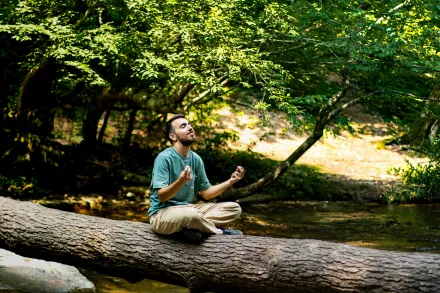
The basic idea of nature therapy and stress relief
Nature therapy is a growing approach that invites human beings to reestablish a gentle, attentive relationship with the living world around them. It is not merely a vacation or a weekend escape; it is a practice that integrates attention, breath, movement, and contemplation within natural settings. The goal is not to conquer stress but to invite it to loosen its grip by reestablishing a rhythm that resonates with the cycles of the earth. When we allow our senses to gradually align with the textures of soil, the hush of wind, the layered chorus of birds, and the quiet strength of trees, the nervous system can shift from a state of hyperarousal toward a more balanced tempo. In this frame, nature becomes a teacher and a companion, offering repeated opportunities to reset, reassess priorities, and restore a sense of belonging to something larger than immediate concerns. What unfolds is a gentle recalibration that touches mood, sleep, attention, and even immune function, and it arises not from power or control but from receptivity and patience. The practice is accessible to people of all ages and mobility levels when approached with curiosity and a desire to listen rather than perform.
How nature therapy interacts with the body and mind
To understand why nature therapy can be effective, it helps to consider the interplay between the body and the environment. The senses feed information to the brain, and the brain responds with hormonal and neural adjustments that shape emotions and energy. A walk through a park, a moment spent listening to the slow cadence of waves, or the simple act of resting beneath a tree can reduce the production of stress hormones and increase the release of restorative neurochemicals. This process is not magical or mystical; it rests on the brain’s ability to switch from a survival mode that is constantly scanning for threats to a mode of safety that allows repair and restoration. The environment provides subtle cues that calm the autonomic nervous system, guiding the heart rate toward a steadier rhythm and inviting the breath to become deeper and slower. Over time, consistent contact with nature can expand the capacity to cope with daily pressures by strengthening the body’s resilience and clarifying mental processes that tend to become clouded under stress.
The science behind the restorative effects of nature
The scientific literature on nature therapy points to several mechanisms that work together to reduce stress. Attention Restoration Theory suggests that natural scenes capture the mind in a soft, effortless way, helping to replenish directed attention that becomes fatigued in urban environments. Stress Reduction Theory emphasizes the innate human appreciation for natural forms and patterns, which promotes relaxation and a sense of safety. Exposure to natural settings has been associated with lower cortisol levels, decreased blood pressure, and improvements in mood and cognitive function. It is not necessary to call upon a single method or mode; rather, the value lies in the reliable presence of nature and the steady practice of slowing down to notice. Research also highlights the importance of duration and variation: even brief moments of exposure can help if they occur regularly, and varied experiences—quiet reflection, light movement, and sensory engagement—tave different pathways to relief. These insights provide a pragmatic basis for developing personal routines that are sustainable and meaningful rather than overly prescriptive or exhausting.
Opening the senses: sight, sound, touch, smell, and movement
Nature therapy invites a holistic engagement of the senses. The eyes can rest on a landscape with soft gradients of color, the ear can take in birdsong, wind, or the distant hum of a city that seems gentler when counterposed with softer natural sounds, the skin can feel the texture of bark, cool air, or sun on the skin, and the nose can notice the aroma of pine, earth, or blooming plants. The body is encouraged to move in ways that feel comfortable and unforced, whether that means slow walking, gentle stretching against a tree trunk, or simply standing still to observe. The magic arises not from complex rituals but from unhurried attention: a single leaf turning in the breeze can become a doorway into mindfulness, a cloud passing overhead can anchor the mind in the present moment, and a stream’s murmur can soften a heart that has been braced against stress. A daily practice can be brief yet potent, especially when it becomes a quiet habit rather than a ceremony with rigid rules. Even in small doses, sensory engagement can recalibrate the nervous system toward ease and clarity.
Breath as a bridge between nature and experience
Breathwork is a natural ally of nature therapy. Slow, deliberate breathing can synchronize with the tempo of natural surroundings, guiding the autonomic nervous system toward balance. In responsive practice, the inhale invites fresh sensation and alertness, while the exhale releases tension and tightness. When performed amid trees or by water, breath becomes a shared rhythm with the environment, and the perception of breath itself shifts from a purely internal event to something that resonates with the world outside. The combination of breathing techniques with the sensory beauty of nature helps to anchor attention, soften anxious tendencies, and create a baseline of calm. There is no need for complicated exhalations or breath-holds; simple, steady breathing paired with quiet observation is enough to begin a cascade of restorative effects that accumulate over days and weeks of regular engagement.
Movement in nature: gentle accumulation rather than strenuous exertion
Movement is an essential thread in nature therapy, but it is not the center of the practice. The aim is not to push the body to limits but to invite gentle, sustainable activity that supports circulation, mood, and neurochemical balance. A slow, mindful stroll among trees, a stroll along a shoreline, or a short hike over soft terrain can enhance mood and attention. Movement in natural settings tends to feel more forgiving because the environment itself offers a spacious, open context that reduces the perception of effort. Regular, moderate activity outdoors has been linked with reductions in anxiety and depressive symptoms and improvements in sleep quality. The key is to honor personal pace, listen to the body’s signals, and cultivate a relationship with movement that feels restorative rather than punitive.
Indoor nature experiences when outdoor access is limited
Not every day allows for a long outdoor excursion, yet nature therapy can be pursued with legal, safe, and accessible options indoors. Indoor plants, natural textures such as wood and stone, photographs of landscapes, and sounds of nature played softly in the background can recreate a sense of connection. A window that frames daylight and seasonal changes can become a daily window to the outside world. Even without stepping outdoors, one can practice mindful observation of indoor greenery, the play of light on surfaces, and the gentle rustle of fabric or leaves in a breeze created by a fan. The essential principle remains the same: cultivate attentiveness to living systems, allow stillness to settle, and let the environment act as a calming influence on the nervous system. The indoor version should be designed with care so as to avoid clutter and to preserve space for pause rather than constant stimuli.
Designing a personal nature routine that fits life
Designing a routine requires listening to one’s schedule, energy patterns, and personal preferences. A practical approach is to identify moments of the day when stress tends to rise and attach a simple nature-based activity to those moments. It could be a short pause at a window with a view of trees, a 10-minute walk during a lunch break, or a longer weekend excursion to a nearby park or trail. The routine should honor individual constraints such as mobility, weather, and access to spaces that feel safe and restorative. It is also important to be flexible, allowing the routine to adapt with changing seasons and unexpected life demands. The aim is consistency rather than intensity, and the essential ingredient is attention trained toward natural stimuli rather than mere exposure to nature as a passive event.
Seasonal rhythms and adjusting the practice across the year
Seasonal variation offers and shapes the quality of nature therapy. In spring, the world is reawakening with new scents and tender growth, which can lift mood and spark curiosity. Summer may provide warmth and longer stretches of daylight that invite extended outdoor time and the chance to explore water-based settings. Autumn brings cooler air, harvest colors, and a contemplative mood that supports reflection. Winter invites stillness, quiet landscapes, and opportunities to engage with bundled activities that remain accessible. Each season has its own sensory palette and energy pattern that can be integrated into a sustained practice. By aligning with seasonal changes, the practice feels more natural and less like a chore, increasing the likelihood that it will endure across months and years.
Overcoming common barriers with thoughtful strategies
Barriers such as busy schedules, perceived lack of access, or skepticism can temper motivation. A practical approach begins with a gentle commitment to small, repeatable actions that do not demand significant time or planning. It helps to choose locations that require minimal travel, to bring a single item that anchors the experience, and to commit to a consistent anchor point such as a specific bench, tree, or hilltop. When weather or mobility challenges appear, adapt by shifting the setting to a sheltered area or by bringing an indoor alternative that preserves the sensory and contemplative aspects of the practice. A supportive mindset emphasizes curiosity over achievement, allowing stress to decrease through the process of show-up, notice, and return rather than through heroic exertion. Social support can also help; sharing a practice with a friend or family member can create accountability and warmth that makes the routine more inviting.
The role of mindfulness and contemplative awareness in nature therapy
Mindfulness involves training attention to rest on the present moment with a nonjudgmental stance. Nature provides a natural focal point for this practice, because it offers an ever-changing but stable context in which to notice sensation, thought, or feeling without being overwhelmed by them. When practiced in natural settings, mindfulness can deepen the sense of belonging and ground the self in the present, reducing rumination and worry. The practice can be simple: observe the texture of a leaf, listen to the rhythm of the wind, feel the air on the skin, and name sensory inputs without labeling them as good or bad. Over time, this form of attentive engagement enhances emotional regulation, quiets the mind, and refreshes cognitive resources. The natural world thereby becomes a teacher of attention, patient and inexhaustible, offering continual opportunities to practice being with what is rather than fighting it.
Ethical and safety considerations in nature therapy
Engaging with the natural world responsibly requires awareness of personal safety and ecological respect. It is wise to plan for basic safety essentials, such as appropriate footwear, hydration, and weather-appropriate clothing. If the practice takes place in more remote settings, it is prudent to inform someone of location and expected return time, carry a communication device, and be mindful of potential hazards like uneven terrain or wildlife. Ethical engagement also means leaving nature as you found it: avoiding the removal of plants, littering, or disrupting wildlife. A respectful posture toward the environment helps preserve the very spaces that make nature therapy possible for others and for future generations. The practice thus becomes not only a personal healing activity but a commitment to stewardship that reflects a broader sense of care for the planet and all living beings.
Inner shifts that accompany regular nature therapy
With ongoing practice, subtle inner shifts can unfold that improve day-to-day living beyond moments spent in nature. People often report greater emotional resilience, enhanced mood stability, and an expanded sense of curiosity about the world. Cognitive clarity can improve as attention replenishes itself, enabling better decision making and a calmer response to stress. Sleep patterns may align more closely with natural rhythms, producing deeper rest and quicker recovery from daily strains. Relationships may benefit as individuals become more present and less reactive, able to listen with greater attentiveness and respond with greater care. The cumulative effect of these shifts is a more buoyant sense of self, a softer approach to challenges, and a deeper connection to the surrounding living world.
Integrating nature therapy with other well-being practices
Nature therapy is compatible with a wide range of wellness practices. It can be combined with regular physical activity, journaling, creative expression, or quiet reading in outdoor settings. Its flexible nature means it can complement formal therapy or counseling by providing a calming, grounding context for reflection. It can also serve as a practical entry point for people who may be hesitant about more intense mindfulness or meditation programs. The synergy arises when nature-based experiences reinforce the intention to slow down, observe, and respond with awareness rather than react from habitual stress patterns. When integrated with other healthy routines, nature therapy becomes part of a holistic lifestyle rather than an isolated activity.
Practical tips for starting today
Begin with a single, simple intent: to notice and breathe in the company of the natural world. Choose a location with a visible horizon or a green space that feels approachable. Set a modest duration that fits into daily life, perhaps ten minutes, and commit to repeating it consistently for a period of several weeks. Bring along a small cue that anchors the practice, such as a favorite blanket, a mug, or a camera to capture a moment for later reflection. Focus on sensory input without forcing outcomes, allowing curiosity to lead the way. If attention wanders, gently guide it back to the present moment and the surrounding textures, sounds, and sensations. The aim is steady presence rather than perfect focus, and the reward is a growing sense of ease and connectedness that compounds over time.
Stories of transformation: emotions, sleep, and daily life
Many individuals report meaningful changes after weeks of regular practice. Emotions may feel more manageable, especially during tense moments or after challenging days. Sleep can become more restorative as the body learns to settle into a natural rhythm. In daily life, the practice can reframe stresses as temporary states rather than overwhelming crises, allowing more thoughtful responses and less impulsivity. The simple habit of pausing to observe, breathe, and connect with nature can become a reliable anchor that steadies mood and cultivates a sense of calm that travels beyond outdoor spaces into indoor rooms, offices, and crowded public places. As this pattern continues, the world may seem a little larger, a little gentler, and a touch more hospitable to quiet resilience.
Nature therapy for different life stages and needs
People experience stress differently at various life stages, and nature therapy can be tailored accordingly. For students, outdoor time can support focus and emotional balance during high-pressure periods such as exams or transitions. For professionals, brief outdoor pauses can mitigate burnout and improve cognitive flexibility. For caregivers, nature-based practices offer a respite that replenishes energy and sustains compassion. For older adults, gentle movement in nature can preserve mobility and foster social connection. In each case, the core principle remains the same: building a relationship with nature that is accessible, meaningful, and sustainable, acknowledging personal limits, and honoring the pace at which healing unfolds.
The transformative role of communities and shared nature experiences
Communities can amplify the benefits of nature therapy by providing shared spaces and collective rituals that foster belonging and mutual support. Group walks, park cleanups, outdoor reading circles, or gentle garden projects create opportunities for social connection that reinforce resilience. Shared experiences in nature can deepen trust, reduce isolation, and offer a sense of accountability in a supportive ecosystem. When communities cultivate green spaces and invite regular, welcoming access, the collective stress burden is distributed more evenly, and everyone gains from the ecological and health benefits that come from a greener, more connected environment.
Measuring progress without obsession: a gentle framework
Assessing progress in nature therapy should remain gentle and nonjudgmental. Rather than chasing numerical goals, notice changes in mood, sleep, attention, and overall energy. A simple mental note can track how long it takes to notice relief after a practice, whether days feel more balanced, or if the practice provides a reliable pause in the middle of turmoil. Acknowledge small wins and recognize that progress is nonlinear. The value comes from increasing consistency, savoring moments of ease, and allowing stress to fade gradually as attention becomes steadier and the body learns to inhabit a more peaceful baseline. This patient approach respects the complexity of human experience and honors each person’s unique journey toward restoration.
Long-term benefits and sustainability of nature-based healing
Over time, consistent engagement with nature supports a durable system of stress management. The body learns to regulate arousal more efficiently, sleep patterns stabilize, and mood experiences become more robust against perturbations. A sustainable practice is built on reliability rather than intensity, on small daily actions rather than dramatic interventions. It thrives in spaces that nurture curiosity and safety, whether that means a favorite park corner, a quiet riverside, or a beloved balcony garden. By investing in these spaces and in regular contact with the living world, individuals can cultivate lasting resilience that extends into work, family life, and personal aspirations, shaping a sense of steadiness that endures beyond immediate stressors.
Closing reflections: embracing nature as a daily companion
Nature is not a cure-all, and stress will continue to arise in life. Yet nature therapy offers a compassionate framework for meeting stress with gentleness, curiosity, and presence. It invites a daily choice to step outside or look outward, to listen more than to react, and to allow cycles of attention and rest to unfold. In cultivating this relationship, people discover that the natural world can be a steady ally, offering space to recover, learn, and grow. The journey is ongoing, and the benefits accumulate as the practice becomes part of a broader way of living—one that honors the body, respects the mind, and recognizes the profound interconnection between human beings and the Earth we inhabit.