Anxiety can be a relentless intruder in daily life, a tide of worry and physical sensations that seems to rise without warning and recede only after long hours or fleeting moments. For many people, the idea of managing anxiety without medication is not a denial of the reality of their feelings but a practical approach to build resilience, regain a sense of control, and cultivate habits that support mental equilibrium. Understanding that anxiety often arises from a combination of biological predisposition, learned responses, and current life stressors helps reframe the process from a battle against something inside to a set of skills that can be learned, practiced, and refined over time. This article explores a comprehensive, drug‑free approach to reducing the intensity and frequency of anxious episodes, improving overall well being, and restoring a more stable emotional baseline through everyday choices, routines, and strategies that can be integrated into busy schedules.
Understanding Anxiety and Its Role in the Body
At its core, anxiety is a natural alarm system designed to protect us from potential danger. When signals of threat are detected, the body releases a cascade of chemical messengers, the heart rate speeds up, muscles tighten, and the senses become heightened. In many people, this system is sensitive and reactive, so ordinary stressors such as a looming deadline, social interaction, or unfamiliar surroundings can trigger a disproportionate response. Recognizing that anxiety is not a personal failing but a shared physiological pattern can lessen self judgment and open the door to targeted coping strategies. An essential element of managing anxiety without medications is learning to observe its beginnings, notice the triggers without immediate reaction, and then choose deliberate actions that reduce the arousal before it spirals into a full emotional storm. This practice, often described as mindful awareness, forms the foundation for more advanced techniques that follow in this guide.
Biology aside, anxiety is also shaped by the stories we tell ourselves. Thoughts like I cannot handle this, This is unbearable, or I will fail can amplify unease, even when the situation is objectively manageable. By becoming curious about such thoughts and reframing them with compassionate language, a person can dampen the intensity of fear. The mind and body are interconnected in a feedback loop, where mental patterns influence physiological responses and vice versa. The aim of nonpharmacological strategies is to gently disrupt this loop and restore a more balanced rhythm between cognitive interpretation and bodily sensation. With patience and consistent practice, small changes in perception can yield meaningful reductions in anxiety over time.
It is also important to distinguish between occasional, context‑specific nerves and persistent, disabling anxiety that interferes with daily functioning. Situations like public speaking, medical visits, or temporary life transitions often provoke anxiety that fades with resolution. When anxiety becomes chronic, pervasive, or disrupts sleep, work, or relationships, it may be wise to seek professional guidance alongside self‑help strategies. A clinician can help determine whether a particular anxiety pattern responds better to certain behavioral techniques, therapy modalities, or other interventions. The central message remains clear: medication is not the only pathway; a structured, patient, and informed approach can yield substantial improvements in mood and behavior while reducing the reliance on pharmacological aids.
Developing a Steady Routine as a Foundation
One of the most reliable strategies to manage anxiety without medication is to establish a steady daily routine that supports predictable patterns in sleep, meals, movement, and rest. Consistency reduces the number of uncertain moments that can trigger a surge of worry. A routine does not have to be rigid; it is about creating a flexible framework that honors personal needs and permit adjustments when life shifts occur. Start with simple anchors such as a consistent wake time, a regular mealtime, and a fixed period for daily movement. Over time, the routine expands to include mindfulness practice, light exposure, hydration goals, and moments of social connection. The predictability of routine acts like a gentle scaffold that cushions the mind against the unpredictable nature of stress, enabling better management of anxious responses as they arise.
Movement plays a crucial role in maintaining an even mood. Incorporating regular physical activity is associated with reductions in baseline anxiety and improved sleep quality. The goal is not to become an elite athlete but to engage in activities that elevate heart rate, release endorphins, and foster a sense of achievement. Activities like brisk walking, cycling, dancing, or gentle yoga can be tailored to personal preferences and fitness levels. The important ingredient is consistency and enjoyment. When exercise becomes a natural part of life, the body learns to regulate stress hormones more efficiently, and the brain receives a steady supply of nutrients that support emotional resilience. Establishing a daily or near‑daily movement habit can thus be a powerful nonpharmacological anchor for anxiety management.
Sleep quality stands alongside movement as a pivotal influence on anxious experience. Poor sleep amplifies worry, lowers frustration tolerance, and makes coping mechanisms less effective. Building a sleep routine involves creating a wind‑down ritual, reducing exposure to stimulating screens before bed, and maintaining a comfortable sleep environment. The body’s internal clock benefits from regularity, so aiming for a consistent bedtime and wake time even on weekends can reduce the frequency of nocturnal awakenings and the subsequent daytime anxiety that can follow. If sleep disruptions occur, investigating factors such as caffeine intake, late workouts, or environmental factors can help identify actionable remedies that support restorative rest.
Nutrition, hydration, and mindful eating also matter. The brain relies on steady fuel to regulate mood, and fluctuations in blood sugar can intensify irritability and anxiety. Choosing balanced meals that include protein, complex carbohydrates, healthy fats, and plenty of fruits and vegetables helps stabilize energy and attention. Regular hydration supports alertness and physical comfort, which in turn reduces the likelihood of anxious triggers stemming from fatigue or dehydration. Mindful eating, savoring flavors, and listening to true hunger cues can prevent emotional eating or rushed meals that heighten stress. In a cohesive routine, nutrition becomes a subtle but powerful contributor to a steadier mental state.
Breathing Techniques and Grounding Practices
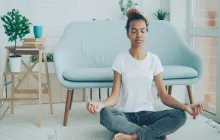
Breath is a bridge between the body and mind, offering a direct route to dampen the fight‑or‑flight response during moments of tension. Simple breathing exercises can be learned quickly and practiced anywhere, at any time, without any equipment. A commonly recommended approach is to breathe slowly through the nose, counting to four as the lungs fill, holding briefly, and exhaling through pursed lips for a longer count, such as six or eight. This deliberate pacing helps shift the nervous system from a sympathetic state into a more balanced parasympathetic state, fostering calm while still allowing awareness of the surrounding environment. Repetition in small doses, perhaps five to ten minutes a day, can accumulate into a more resilient baseline for handling stress with less reactivity.
Another accessible technique is box breathing, which uses four equal parts for inhale, hold, exhale, and hold again. By focusing on the breath and the rhythm of the counts, attention is redirected away from distressing thoughts and toward a controlled physiological process. Grounding exercises offer an immediate sense of connection to the present moment, which is especially valuable when anxiety spirals into scenarios of imagined threats or past regrets. One practical grounding method involves noticing five things you can see, four you can touch, three you can hear, two you can smell, and one you can taste. Repeating this cycle repeatedly helps reestablish sensory contact with the here and now, which frequently reduces anxious energy and creates space for calmer responses to emerge.
In addition to basic breathing methods, progressive muscle relaxation can be a useful tool for releasing physical tension that accompanies anxiety. The technique involves systematically tensing and releasing major muscle groups, moving from the feet upward to the face. The process makes the mind aware of contrasts between tension and relaxation, helping to reduce overall arousal. Regular practice can cultivate a more natural sense of bodily ease, which in turn supports emotional steadiness. These breathing and grounding strategies are best learned with gentle guidance, patience, and a nonjudgmental attitude toward any initial difficulty or discomfort during attempts. Over time, they become reliable resources that can be deployed in moments of acute anxiety and in the quieter intervals of daily life.
Cognitive Strategies: Reframing and Thought Management
Rethinking anxious thoughts and learning to observe them without automatic acceptance is a cornerstone of nonpharmacological anxiety management. Cognitive strategies focus on becoming aware of cognitive patterns that contribute to distress and gradually reshaping those patterns toward more adaptive interpretations. A practical approach is to identify one or two dominant worry themes and examine the evidence for and against the fear. By analyzing the probability and impact of feared outcomes in a structured, compassionate way, the mind discovers that many catastrophic predictions are not inevitable. This process does not demand magical thinking or forced optimism; it invites a more balanced appraisal of risk and consequence while acknowledging uncertainty as a natural component of life.
Another effective element is cognitive defusion, a technique borrowed from acceptance and commitment therapy. Rather than trying to suppress thoughts, individuals learn to observe thoughts as mental events that pass through awareness, not as literal truths that dictate action. Simple statements such as It is just a thought, or This thought does not have to guide my behavior, help create distance from anxious narratives. This gentle psychological space allows actions based on values rather than fear, enabling progress toward meaningful goals even in the presence of anxiety. Practicing cognitive defusion regularly strengthens the mind’s ability to choose responses that align with long‑term well‑being rather than short‑term anxious impulses.
Another component is realistic threat appraisal. Anxiety often exaggerates danger and minimizes personal resources. Training the mind to enumerate available supports, options, and past successful coping experiences can alter the perceived balance of power, making challenges feel more manageable. Writing, speaking, or thinking about a difficult situation in terms of what is known, what can be controlled, and what is uncertain creates a structured cognitive environment that supports calmer decision making. When these skills are practiced consistently, the default mental mode gradually shifts from vigilance and avoidance to measured engagement with life challenges, reducing the overall burden of anxiety.
Mindfulness and Acceptance Practices
Mindfulness involves paying nonjudgmental attention to the present moment, including thoughts, feelings, bodily sensations, and the surrounding environment. Rather than resisting or clinging to anxious experiences, mindfulness encourages a curious, accepting stance that can reduce the impact of distressing sensations. Regular mindfulness practice helps individuals observe their internal landscape with gentleness, allowing emotions to arise, be acknowledged, and then pass without hijacking behavior. The outcome is a broader window of tolerance where anxiety is noticeable but not overpowering, enabling clearer decision making and more deliberate actions in daily life.
Acceptance and commitment therapy emphasizes aligning behavior with personal values even in the presence of anxiety. Rather than fighting every anxious moment, it invites individuals to create a life that matters while learning to tolerate uncertainty. This shift away from perfectionistic goals toward values‑driven living reduces the fuel that fear feeds on. Mindfulness and acceptance work best when practiced regularly and integrated into everyday activities, such as mindful walking, attentive listening during conversations, or savoring the sensory richness of a meal. Over time, these practices strengthen the mind’s ability to stay present and responsive rather than reactively overwhelmed by worry.
Gentle exposure, another mindfulness‑based approach, involves gradually and predictably approaching feared situations in a controlled manner. The aim is not to force hardier courage but to provide the brain with evidence that danger signals do not always require action. A systematic, slow, and compassionate exposure plan can desensitize the fear response and broaden the range of situations in which anxiety feels manageable. This process, when guided by safety and self‑compassion, helps rebuild confidence and reduces avoidance behaviors that can reinforce anxious thinking. As confidence grows, daily life becomes less constricted and more expressive, reflecting a healthier relationship with uncertainty.
Environmental Design and Personal Space for Calm
Physical surroundings have a profound impact on mood and anxiety. A space that feels safe, organized, and predictable can reduce the likelihood of distress spikes. This begins with simple steps such as decluttering, improving lighting, creating quiet corners for reflection, and establishing a dedicated area for relaxation or practice. The goal is not perfection but a sense of order that reduces cognitive load and enables clearer thinking. Introducing elements that evoke calm, such as soft textures, nature imagery, or a plant, can nurture a sense of groundedness. The psychological benefit comes from a stable environment that signals safety, allowing the mind to rest more easily and devote resources to constructive coping rather than hypervigilant alertness.
Natural light and outdoor exposure have powerful effects on mood regulation. Time spent outside, especially in the morning, supports circadian alignment, which in turn improves sleep quality and daytime energy. Even brief periods of daylight exposure can help stabilize mood, reduce rumination, and sharpen attention. When outdoor access is limited, simply opening windows, walking to a nearby park, or sitting on a balcony can offer similar benefits. A well‑designed routine that includes time in nature acts as a counterbalance to indoor, sedentary living that often amplifies anxiety. The supportive role of the environment should be acknowledged as an active partner in emotional regulation rather than a passive backdrop to daily life.
Screen time, social media, and constant information flow can intensify anxious thinking. Setting boundaries around digital consumption, particularly during the evening hours, helps protect sleep and lowers perpetual exposure to distressing or triggering stimuli. The design principle here is to create intentional rhythms: scheduled times for checking messages, deliberate breaks, and tech‑free periods that encourage other forms of rest and engagement. A calmer information diet supports clearer thinking, reduces comparison and fear of missing out, and frees mental bandwidth for tasks that matter. By reclaiming some control over digital inputs, individuals reduce sources of chronic stimulation that feed anxiety while preserving access to useful information and connection with others.
Social Connection and Support Networks
Human beings are social by nature, and social support is a robust buffer against anxiety. Meaningful connections—whether with friends, family, colleagues, or community groups—provide emotional validation, practical assistance, and opportunities to practice new coping strategies in a safe environment. Building a reliable network does not require a large circle; even a few trusted relationships can offer substantial reinforcement during difficult periods. Communicating openly about one’s experiences, asking for help when needed, and offering reciprocal support strengthens trust and resilience. The presence of supportive people can also normalize anxiety, reducing isolation and reminding individuals that they are not alone in their struggles. Nurturing these bonds takes time and intention, but the payoff includes greater emotional steadiness, improved mood, and a more expansive sense of belonging.
In addition to personal networks, group formats such as peer support circles, therapy groups, or wellness classes can provide shared learning experiences and collective encouragement. The value of these settings lies in observing others’ strategies, sharing successes, and normalizing the imperfect path of self‑care. Even when progress feels slow, the sense of community can sustain motivation and provide practical ideas for sustaining nonpharmacological management. The contribution of social connections to anxiety reduction should be recognized as a core element of a comprehensive plan, not as an optional add‑on. When social needs are met with warmth, acceptance, and gentleness, anxiety often recedes its grip and allows space for growth and recovery.
When and How to Seek Professional Guidance
Self‑help strategies can yield meaningful improvements, but some situations benefit from professional input. If anxiety is persistent, worsening, or accompanied by severe sleep disruption, panic attacks, functional impairment, or significant changes in appetite, mood, or energy, a clinician can offer tailored assessments and recommendations. Evidence‑based therapies such as cognitive behavioral therapy, mindfulness‑based approaches, certain forms of psychotherapy, and lifestyle coaching can be highly effective for many individuals. A mental health professional can help design a personalized plan that integrates breathing exercises, cognitive reframing, exposure strategies, sleep hygiene, and lifestyle adjustments in a way that aligns with personal values and life circumstances. They can also help monitor progress, troubleshoot obstacles, and adjust techniques as needed over time.
When considering nonpharmacological pathways, it is essential to approach treatment with patience and realism. Changes in anxiety levels typically occur gradually, often taking weeks or months of consistent practice before noticeable shifts appear. Tracking symptoms, moods, sleep, and stressors in a simple, honest way can illuminate patterns and guide adjustments. A collaborative relationship with a therapist, coach, or counselor can provide accountability, clarity, and a safe space to explore difficult experiences. The goal is to cultivate lasting skills that endure beyond a single therapeutic episode and support ongoing management of anxiety across life’s changing circumstances.
Practical Daily Practices for Ongoing Anxiety Management
Consistency matters, but flexibility within a practical framework is equally important. A daily practice might begin with a brief mindfulness session, followed by a short breathing exercise to prime the nervous system for the day. Next, a plan for movement—such as a 20‑ to 30‑minute walk or light exercise—helps channel energy and reduce restlessness. A nourishing breakfast and hydration set a positive tone for cognitive functioning and emotional regulation. Throughout the day, brief moments of check‑in with the breath or a grounding cue can serve as micro‑interventions to interrupt escalating worry. At the end of the day, a winding‑down routine with dim lights, a quiet activity, and a screen curfew supports deeper rest, which in turn reduces tomorrow’s susceptibility to anxiety.
It is useful to create a personal toolbox of strategies that can be deployed when anxiety spikes. This toolbox might include a specific breathing pattern, a short cognitive reframing script, a grounding exercise, a favorite comforting activity, and a plan for seeking social support. Over time, these tools become familiar allies rather than daunting obligations, enabling quicker and more autonomous responses to distress. The objective is not to eliminate anxiety entirely but to reduce its frequency, intensity, and duration so that life can proceed with greater calm and clarity. A well‑stocked toolbox empowers individuals to navigate challenges with less fear and more confidence, reinforcing the sense that anxiety can be managed and lived with rather than endured in a perpetual state of vigilance.
Finally, cultivating self‑compassion is indispensable. Anxiety can be exhausting, and treating oneself with kindness rather than self‑criticism nurtures resilience. A compassionate stance acknowledges the difficulty of the journey, validates honest effort, and encourages continued practice even when progress seems slow. Small wins—such as a day with better sleep, a moment of calm amidst a tense situation, or an exchange that felt less fraught—are meaningful milestones worthy of celebration. By recognizing progress and maintaining a hopeful outlook, individuals reinforce their capacity to handle stress without medication and foster a life that supports mental health over the long term.
In the end, managing anxiety without medication is a dynamic, ongoing process that blends biological awareness with practical life skills. It requires patience, curiosity, and a willingness to experiment with different approaches to discover what resonates most effectively. By weaving together routine, breath, mindfulness, cognitive strategies, environmental design, social support, and professional guidance when needed, an individual can cultivate a resilient mind and a more serene daily experience. The path is accessible to many, and with commitment, it can transform episodes of anxiety into moments of insight, growth, and renewed agency within one’s own life narrative.