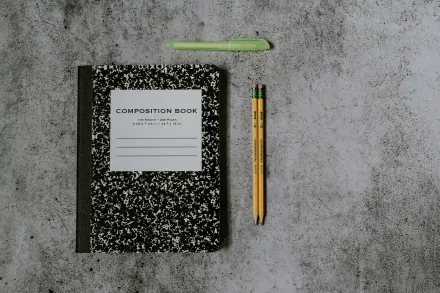
In exploring ways to support mental health, journaling emerges as a flexible, accessible practice that can accompany therapy, self help, or stand alone as a quiet regimen of self-reflection. This article dives into how writing by hand or typing can influence mood, perception, and behavior, and how to design a journaling routine that fits your daily life. By describing practical approaches, the aim is not to prescribe one perfect method but to illuminate paths that help you understand yourself better, regulate emotions, and cultivate resilience even during difficult seasons. The act of putting thoughts into words can create a bridge between internal experience and external awareness, turning stray worries into coherent narratives and offering a space where listening to yourself becomes a kind of self care that compounds over time.
Understanding the relationship between journaling and mental health
Journaling sits at the intersection between narrative construction and emotional processing. When you write, you engage multiple cognitive and affective systems at once: attention sharpens as you choose what to record, memory is retrieved and organized, and emotion is labeled, examined, or reinterpreted. The mere presence of a regular writing habit can create a sense of structure, predictability, and safety, which in turn reduces rumination and the intensity of distress. Narratives you compose about your experiences can gradually replace chaotic raw feelings with stories that feel coherent, allowing you to interpret events with more nuance and less impulsivity. In this way journaling becomes a practice of mind-body alignment: you notice body cues, name emotions, and decide how to respond, rather than letting automatic reactions drive choices. The reflective loop fosters self-compassion because you encounter your own humanity with a soft gaze rather than judgment, and that shift alone can soften anxious patterns and sharpen clarity about goals, values, and needs.
How to begin your journaling journey
Beginning a journaling practice does not require elaborate tools or a fixed timetable. It can start with a simple intention to observe your inner life with curiosity and kindness. Choose a format that feels accessible, whether that means a notebook you love, a private computer file, or a secure digital app. Establish a quiet cue of consistency, such as a predictable time of day or a place that signals the moment to write. When you sit down to write, invite a moment of stillness, breathe gently, and allow thoughts to arrive without forcing a particular outcome. The initial entries do not need to be long or perfect; they can be short notes that capture a mood, a recurring thought, or a small observation about your surroundings. Early practice is about creating the habit more than producing a masterpiece, and with time the quality and richness of your reflections typically improve as the neural pathways for self-reflection strengthen through repetition.
Creating a consistent routine that fits your life
Consistency in journaling is less about rigid schedules and more about finding a rhythm that feels sustainable across the ebbs and flows of daily living. Some days may yield lengthy explorations of emotion, while others deliver quick sketches of facts or moments of gratitude. The goal is to cultivate a steady thread through routine life, not to demand that every entry be exhaustive or profound. It helps to pair journaling with ordinary anchors in your day, such as after waking, after meals, or before sleep, so the practice becomes a familiar part of your identity. If you travel or encounter interruptions, adapt by keeping a compact notebook or using a notes app for rapid entry to preserve continuity. A practical safeguard is to design a flexible structure in which you allow yourself to write freely without the sense of performance pressure, and then, when you have time, you can revisit past entries and deepen them with more context or intention. A routine built on grace rather than rigidity tends to endure longer and offers steadier psychological benefits than a demanding schedule that leads to burnout or guilt when disrupted.
Techniques you can try to enrich journaling practice
Journaling can be a canvas for different styles, and each style can illuminate different aspects of mental life. Free writing invites you to release unfiltered thoughts onto the page and observe their patterns without immediate judgment. Gratitude journaling shifts emphasis toward positive experiences, which can gradually widen attention to small sources of relief and satisfaction. Mood tracking provides a practical map of how emotions rise and fall across days or weeks, helping you identify triggers, rhythms, and the impact of daily activities or relationships on well-being. Cognitive journaling encourages a critical, yet compassionate, examination of automatic thoughts, guiding you to reframe distortions and consider alternative interpretations. Letter writing, whether to yourself, to a future self, or to someone you know, creates emotional distance that can ease difficult feelings and offer a sense of closure or dialogue. Across these styles, you can intersperse sensory details, cite concrete events, and weave in reflections about values, goals, and the environment around you. The diversity of approaches allows you to discover a language of journaling that resonates personally, which in turn sustains motivation and curiosity over time.
Transforming journaling into insight and action
Entries become more than records when they translate into insight that informs daily choices. A reflective paragraph about a recurring worry may reveal a trigger pattern, a belief that no one understands you, or a habit that amplifies stress. When such patterns become visible, you can translate insights into concrete actions: plan to adjust routines, implement small experiments to test new interpretations, or prepare scripts for relevant conversations. Journaling can also support self-regulation by creating a space to rehearse responses to challenging situations, allowing you to choose responses that align with long-term values rather than impulsive reactions. The practice may reveal shifts in mood that align with changes you have made in sleep, nutrition, exercise, or social interactions, reinforcing the sense that deliberate attention to inner life yields tangible improvements in daily functioning. This sense of agency—feeling capable of steering your emotional weather—can itself reduce helplessness, which is a common feature of many mental health concerns, and foster a calmer engagement with life’s ongoing complexities.
Overcoming resistance and inner critic during journaling
Resistance often arrives in the form of a judgmental inner voice that questions the value of writing or labels emotion as unworthy of attention. A gentle strategy is to decouple the act of writing from judgments about the writer. Allow the page to receive all thoughts and feelings as data rather than declarations of identity. Remind yourself that a single entry does not define you and that imperfect writing can still be meaningful. If you encounter a stubborn block, shift to a lighter task such as jotting down a single sensory observation or a brief gratitude note. Returning to the core intention of journaling—to understand and care for your mental life—can reframe writing as a supportive act rather than a test of will. Over time, the inner critic tends to soften as you observe its mechanisms with curiosity, and the practice becomes a reliable ally rather than a hostile presence in your creative process.
Journaling for specific mental health goals
People often seek journaling as a tool to address particular aims, such as reducing anxiety, improving mood stability, or processing grief. In pursuit of these goals, it helps to pair journaling with concrete aims while remaining flexible about the form. For anxiety management, consider entries that describe physiological cues, situational contexts, and the sequence of thoughts that accompany discomfort. Record what helps—breathing strategies, grounding techniques, or a brief cognitive challenge—and monitor how these interventions alter your experience over time. For mood regulation, you might track the day’s activities, social engagement, and emotional responses, looking for correlations that point to practices that lift or stabilize mood. In grief processing, journaling can honor loss by describing memories, expressing longing, and gradually translating intense sorrow into reverent memory and, when possible, a sense of continued connection. The specificity of goals matters; instead of broad declarations, concrete prompts and measurable micro-outcomes can guide progress while preserving the openness required for authentic reflection. The overarching principle is that journaling adapts to your needs, offering a confidential space where you can test ideas, express vulnerability, and cultivate strategies that support well-being over time.
Digital versus paper journaling: choosing what suits you
The medium you choose can influence how you interact with your thoughts. Paper journaling often creates a tangible, slower rhythm that invites contemplation, slows rapid thinking, and can feel more private in environments where digital devices feel exposed. The physical act of writing can engage motor memory and sensory experience in a way that digital formats do not, which some people find grounding. Digital journaling can be faster, searchable, and easier to organize, with built-in prompts or the ability to back up entries securely. Privacy concerns are real for both formats; using passwords, encrypted apps, or physical safekeeping measures can help protect sensitive material. Regardless of the medium, the essential ingredient is regular time spent with your own thoughts and feelings, and the choice should align with your daily life, values, and comfort with vulnerability. Some individuals experiment with a hybrid approach, using paper for reflection and digital tools for momentum tracking or structured prompts, allowing the strengths of each format to complement the other while keeping the practice simple and sustainable.
Privacy, safety, and boundaries in journaling practice
Maintaining boundaries around journaling protects your sense of safety and emotional refuge. It is important to decide who, if anyone, has access to your journals and under what circumstances. For many people, the private nature of journaling is what makes it trustworthy; designing a ritual that signals confidentiality can reinforce that sense of security. If entries reveal acute distress or thoughts of harming yourself or others, it is essential to seek immediate support from trusted individuals or professional resources. Journaling can function as a first step toward safety planning by documenting triggers, warning signs, and coping strategies, which you can share with a therapist, counselor, or support network when appropriate. The aim is to preserve a space where you can explore difficult material without fear of exposure to unintended ears, while also recognizing when professional guidance is needed to navigate complex emotional terrain. Understanding and respecting personal boundaries keeps journaling a sustainable and empowering practice rather than a source of additional stress.
Measuring progress without turning journaling into a project
Progress in mental health through journaling often emerges as qualitative shifts rather than numerical measurements. You may notice a broader range of emotional experiences that feel more manageable, a greater capacity to observe rather than react to stress, and a sense that you are gathering practical tools that work across situations. Rather than treating journaling as a goal with a fixed endpoint, frame it as an ongoing dialogue with yourself that gradually builds resilience. Occasional reviews of themes can be helpful, yet they should be approached with curiosity and compassion, not self-criticism. The aim is to cultivate an ever-deepening relationship with one’s inner life, where patterns become clearer over time, and small adjustments accumulate into meaningful change. Allow yourself to notice subtle improvements—a calmer response to reminders of stress, a kinder self-talk, or a heightened ability to articulate needs—and recognize that these increments add up to a more stable sense of well-being and a richer sense of self-awareness.
Journaling across life stages and emotional landscapes
Different periods of life bring distinct emotional landscapes, and journaling can adapt to each phase with sensitivity. Adolescence, for example, often involves a surge of intense feelings and evolving identity questions, where journaling can offer a private space to explore who you are becoming without the pressure of external judgment. Early adulthood may present complex choices about career, relationships, and independence, for which reflective writing can help align actions with evolving values. Later years can benefit from a consolidation of experiences, the integration of learning, and the processing of loss. Across these transitions, journaling remains a flexible companion, inviting you to document shifts in mood, coping strategies that work, social connections that feel sustaining, and the evolving beliefs that shape daily life. The practice, when approached with patience, becomes not only a method of self-understanding but a record of growth that spans decades, offering continuity in the story you tell about yourself.
Common mistakes to avoid in journaling practice
Several recurring missteps can undermine the potential benefits of journaling. Expecting immediate transformation or judging entries as inadequate can erode motivation and lead to avoidance. Relying on general, vague statements rather than concrete details can make reflections feel hollow and less actionable. Overloading entries with heavy topics without balancing them with lighter observations or self-care notes may intensify distress rather than relieve it. It is also possible to overanalyze the act of journaling itself, turning it into a chore rather than a compassionate practice. To mitigate these pitfalls, maintain a balanced rhythm, allow for lighter days, and remind yourself that consistency matters more than intensity. If you notice that journaling triggers distress rather than relief, consider trimming the scope of entries, focusing on short, specific prompts, or integrating brief grounding exercises before writing. The goal is to keep the practice humane, accessible, and aligned with your evolving needs, rather than turning it into a pressure-filled experiment in personal productivity.
A sustainable long-term plan for journaling and mental health
To sustain journaling beyond initial enthusiasm, emphasize flexibility, personal relevance, and self-compassion. Build a personal philosophy that treats journaling as a tool for support rather than a standard by which you measure worth. Create a simple reset routine for days when motivation fades: a quick check-in, a single sentence about how you feel, and perhaps a reminder of one small action you could take to improve your state. Allow yourself to grow in the practice by gradually expanding prompts, revisiting old entries with new perspectives, and recognizing recurring themes that reveal what matters most to you. By framing journaling as an evolving conversation with your future self, you invite ongoing curiosity and patience, which are essential for lasting impact. The habit then becomes a form of self-care that persists through seasons of both ease and challenge, offering a reliable space where you can learn, adapt, and tend to your mental health with evident care and intention.
Through a generous, patient approach that honors the complexity of inner life, journaling can become a cornerstone of mental health that complements professional guidance and personal resilience. The practice invites you to slow down enough to hear your own voice, to stand with your emotions rather than against them, and to cultivate a steady practice where insight arises from consistent attention rather than dramatic breakthroughs. In this ongoing relationship with your thoughts, feelings, and experiences, journaling becomes not a destination but a companion that travels with you, offering clarity, relief, and a heightened sense of agency as you navigate the nuanced terrain of everyday life. The journey is as meaningful as the destination, and every page becomes evidence of a person choosing to be present, to understand, and to care for themselves with steady, compassionate attention.