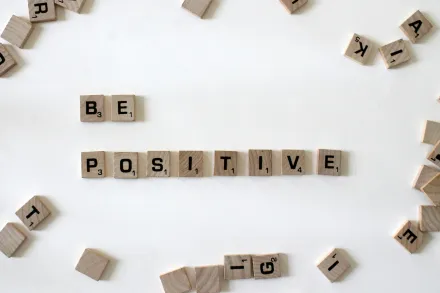
Understanding the Foundation
Developing a positive mindset begins with recognizing that thoughts shape experience, and experience in turn shapes thought in a continuous loop. A positive mindset is not a naive refusal to acknowledge difficulties, but a deliberate stance that invites constructive interpretation and resilient response. It rests on the understanding that suffering and setback are not permanent conclusions, but interruptions in a longer story that can be redirected through awareness, choice, and practice. At its core, a positive mindset requires clarity about one’s values and goals, a willingness to learn from mistakes, and the recognition that small, steady shifts accumulate into meaningful change over time. When people grasp this, they begin to see opportunities where others see obstacles, not because life becomes easier, but because their approach to life becomes more deliberate and adaptive. Within this foundation lies the intention to cultivate attention, to steer focus toward what can be influenced, and to treat thoughts as tools rather than verdicts, capable of being refined through effort and patience.
The Relationship Between Thoughts, Emotions, and Behavior
Thoughts, emotions, and actions are tightly interwoven threads of a single fabric. A positive mindset emerges when one learns to observe thoughts without immediate judgment, allowing emotions to surface without becoming overwhelmed by them, and guiding behavior toward actions that align with long-term well-being. Cognitive science suggests that the brain can rewire itself through repeated practice, a process known as neuroplasticity, which means that with sustained attention to constructive patterns, neural pathways are strengthened and old, rigid responses can soften. This dynamic does not imply denying negative feelings; instead, it invites a compassionate stance toward oneself while choosing responses that support growth. When a person notices a negative thought, they can choose to reframe it, channel attention to something within their control, and proceed with a deliberate step that advances a sense of agency and momentum. The practical value of this relationship is that small, conscious choices accumulate and gradually alter the default repertoire of responses people bring to life’s inevitable stressors.
Reframing Negative Narratives
Reframing is the practice of gently shifting the lens through which experiences are interpreted, transforming self-limiting narratives into perspectives that nurture progress. Rather than accepting a single, narrowing interpretation, a person learns to explore alternative meanings, to examine evidence for and against a conviction, and to imagine potential outcomes that are within reach. This process begins with observation, moves through curiosity, and culminates in a revised interpretation that preserves dignity while opening pathways for action. Reframing is not about forcing optimism in the face of real harm; it is about recognizing that the mind often amplifies what it fears and that a careful, compassionate reframe can reduce unhelpful rumination. With time, reframing becomes a reflex that minimizes unnecessary suffering and frees energy for constructive plans, creative problem solving, and compassionate responses to others. The effect is not merely cognitive but practical: better decisions, steadier nerves, and a clearer sense of direction emerge as habitual reframing becomes part of daily life.
Cultivating Gratitude and Appreciation
Gratitude acts as a counterweight to rumination by drawing attention to what already works, however small, and by inviting a recognition of contribution from others and from the world. A consistent gratitude practice doesn’t require denying pain or pretending to be happy; it involves noticing moments of kindness, acknowledging progress, and savoring simple experiences such as a morning cup of tea, a clear sky, or a conversation that clarifies understanding. When gratitude becomes woven into daily life, it shifts priorities and softens the inclination to compare oneself to others, replacing envy with acknowledgment of personal capacity. The emotional resonance of gratitude increases positive affect and can broaden one’s cognitive repertoire, enabling more flexible thinking and open-hearted responses. Ultimately, gratitude fosters a sense of belonging to a larger process, a feeling that one’s life has value and that others are part of a network of mutual influence and support.
Building Resilience Through Small Wins
Resilience grows when individuals accumulate small, reliable successes that reinforce their belief in the possibility of change. Rather than waiting for dramatic breakthroughs, a positive mindset embraces incremental progress, recognizing that consistent effort yields durable skill. Each small win serves as evidence that effort and persistence pay off, bolstering confidence and reducing fear of failure. Over time, this accumulation rewires expectations, making future challenges feel more manageable. The practice involves choosing doable tasks, aligning them with personal values, and celebrating the process rather than only the outcome. When setbacks occur, the resilient mindset looks for lessons, investigates what can be corrected, and recommits to the path with renewed intention. The cumulative effect is a kind of emotional and cognitive amortization against adversity, a steady rise in both capability and hope that strengthens with practice.
Daily Habits That Support Positivity
Positive thinking flourishes within a structure of daily routines that support mental clarity, emotional balance, and physical well-being. A calm start to the day can frame the hours ahead, settling the nervous system and clarifying priorities. Regular activity that challenges the body releases endorphins and fosters a sense of vitality, while intentional pauses throughout the day restore focus and reduce stress. Mindful handling of information intake—being selective about news, social media, and sources of stimulation—helps protect cognitive bandwidth so that attention remains available for meaningful tasks. Energy is conserved and directed through purposeful scheduling, adequate rest, and nourishment that sustains cognitive function. In this way, the mind grows not only through deliberate thought but through the environmental and rhythmic support surrounding thoughts, emotions, and actions, creating a lasting cycle of positive momentum that is sustainable and humane.
The Role of Sleep, Nutrition, and Exercise
Physical health and mental state are closely linked, and a positive mindset benefits from attention to sleep, nutrition, and movement. Adequate sleep supports memory, executive function, and emotional regulation, reducing susceptibility to impulsive reactions and pessimistic spirals. Nutrition matters because the brain relies on steady energy, stable blood sugar levels, and essential micronutrients to support neurotransmitter balance and cognitive flexibility. Regular exercise acts as a powerful mood regulator by releasing biochemical signals that enhance motivation, reduce anxiety, and improve overall sense of well-being. Rather than treating health choices as chores, the positive framework invites viewing them as investments in emotional resilience and cognitive clarity. A consistent routine that honors rest, fuels the body, and invites movement becomes a foundation upon which optimistic thinking can flourish, rather than a competing set of demands that drain energy and attention.
Mindfulness and Present Moment Attention
Mindfulness trains the mind to rest in the present, observing thoughts and sensations with curiosity rather than judgment. This stance reduces automatic reactivity, allowing for practiced choice in how to respond to internal experiences and external events. Through mindful breathing, sensory awareness, and nonjudgmental noticing, people create a temporary space between stimulus and response that empowers deliberate action. Mindfulness also enhances emotional regulation by increasing recognition of early cues before distress escalates, enabling earlier, kinder interventions with oneself. When integrated into daily life, mindfulness becomes a reliable anchor, helping the mind stay connected to values and intentions even under pressure. The long-term effect is a more stable mood baseline, improved concentration, and a greater tolerance for uncertainty, all of which contribute to a persistent, positive orientation toward life’s inevitable fluctuations.
Social Environment and Support Networks
Social connections play a crucial role in shaping mindset because humans are inherently relational beings who learn from imitation and feedback. Surrounding oneself with people who model constructive coping, celebrate effort, and offer honest yet compassionate perspectives can strengthen the inclination toward positivity. Supportive relationships provide mirrors for self-understanding, opportunities for collaboration, and safety nets during difficult times. They can also introduce new ideas, promote accountability, and widen the horizon of possibilities. However, a positive mindset also requires discernment: it is important to cultivate environments that respect boundaries, nurture autonomy, and align with personal values. In such spaces, encouragement feels authentic rather than coercive, and doubts can be voiced without fear of judgment, reinforcing a cycle of trust, learning, and growth that supports a resilient outlook over time.
Goal Setting and Growth Mindset
A growth mindset treats abilities as expandable through effort, strategy, and persistence, while goals provide a navigational map for applying that belief in concrete situations. Rather than focusing solely on outcomes, the positive framework values learning, process, and the development of competencies that enable future successes. Goals are best approached as adaptable guides, allowing for recalibration in light of new information and experiences. The mindset shift here is to interpret challenges as opportunities to refine one’s skills, to seek feedback with curiosity, and to value progress over perfection. In practice, this means choosing aims that resonate with core values, translating them into meaningful daily actions, and maintaining a flexible attitude that welcomes iteration and revision as part of the journey toward improvement. The result is a sustainable trajectory wherein effort, rather than luck or talent alone, becomes the primary predictor of meaningful outcomes.
Overcoming Obstacles and Setbacks
Obstacles are not detours from a straight path but integral parts of any meaningful pursuit. A positive mindset treats setbacks as information and pressure tests that reveal where strengths lie and where growth is needed. It recognizes that each difficulty surfaces patterns that can be adjusted, whether those patterns relate to time management, resource allocation, or emotional regulation. The key practice is to acknowledge the impact of the event while avoiding self-blame, then to analyze what can be learned and how to apply it next time. This approach requires patience, humility, and steady courage, because progress often comes in gradual increments that go unseen in the moment. When people persist through repeated cycles of effort and reflection, they build a reserve of experience that makes future challenges feel less overwhelming and more like solvable puzzles to which they possess effective tools and strategies.
Maintaining Momentum Across Time
Positive mindset maintenance is a lifelong practice rather than a finite program. It requires periodic renewal, reflection on values, and reapplication of effective methods as circumstances evolve. Momentum is reinforced when daily routines consistently align with longer-term aims, when curiosity remains a central driver, and when one cultivates tolerance for discomfort in the name of growth. A sustainable approach treats positivity as a practice that grows more resilient through repetition, not as a rare occurrence triggered by luck. It involves creating gentle contingencies that protect one’s mental health during stressful periods, ensuring that the mind has access to restorative rest and meaningful social connection even when external pressures intensify. In time, the practice becomes a natural mode of living, a default stance that enables people to navigate uncertainty with composure, clarity, and compassionate resolve.
Measuring Progress Without Perfection
Progress in the realm of mindset is best assessed through qualitative shifts in sensation and behavior rather than rigid numerical targets. The aim is to notice changes in how one experiences daily events, how quickly one recovers from disappointment, and how often one chooses constructive actions over avoidance. This involves cultivating self-compassion, articulating evolving priorities, and documenting insights in a manner that reinforces accountability without harsh self-criticism. The process values consistency over brilliance, patience over haste, and humility over self-importance. When people track subtle improvements—how long they can sustain calm during a stressful moment, how often they reframe a thought before it calcifies into a fixed belief, how readily they seek help when needed—they gain an evidence-based sense of agency that strengthens confidence and fuels continued practice.
The Long-Term Practice of Positivity
Ultimately, a positive mindset is not a finite achievement but a long-term discipline that integrates attention, interpretation, action, and care. It invites a faithful commitment to continuing education of the self, to curiosity about how one’s habits shape one’s reality, and to deliberate stewardship of one’s mental life. The practice unfolds through repeated sessions of awareness, deliberate choice, and kind accountability, weaving together insights from psychology, philosophy, and everyday life. As people cultivate awareness of their inner dialogue, refine their strategies for managing stress, and deepen their engagement with meaningful relationships, positivity becomes not merely a mood but a lifestyle. In this sense, a positive mindset is a hero’s journey within a person’s mind, a journey defined by persistence, compassion, and an ever-expanding sense of possibility that grows brighter as one tends to it with patience and care.