Art therapy stands at the crossroads of creativity and psychology, a discipline that recognizes how our minds speak through images, colors, textures, and shapes as much as through words. It offers a different kind of doorway into inner experience, one that does not require mastery of visual technique or perfect articulation of thoughts. Instead, it invites a person to engage with material, process, and meaning through selective attention, sensory exploration, and symbolic expression. The result is often a shift in perspective, a lowered threshold for emotional access, and a growing sense of agency in the face of distress. In that sense art therapy becomes less about making pretty pictures and more about creating routes toward healing, resilience, and self understanding. It is not a replacement for conventional treatments but a complementary pathway that can deepen the reach of therapeutic work and help people access parts of themselves that language alone cannot reach.
Origins and principles
The origins of art therapy lie in a rich historical conversation about the power of creative activity to reveal what lies beneath the surface of conscious thought. Early practitioners argued that expressive activities could unlock memories, fears, and desires that words could not easily capture, offering a channel for processing experiences that might otherwise remain unspoken. Over time, the field has matured into a structured practice grounded in principles that emphasize the safety of the therapeutic environment, the centrality of the client’s goals, and the idea that symbol making can illuminate inner processes without forcing them into linear narrative. In this framework, the artwork becomes a living artifact of the mind’s current state, a flexible tool for exploration, reflection, and growth rather than a final verdict about a person’s worth or value. The therapeutic relationship sits at the heart of this approach, serving as a bridge between inner experience and external expression, a place where the client can experiment, reflect, and gradually strengthen resources for managing difficult feelings.
What art therapy looks like in practice
In practice art therapy blends structured guidance with open-ended exploration. A session typically begins with a sense of invitation rather than obligation, a recognition that the client brings complexity, vulnerability, and curiosity into the room. The facilitator offers a range of materials—pencils, paints, clay, collage supplies, cloth, or mixed media—without demanding technical proficiency, and invites the client to choose what resonates. As marks appear on a page or sculpture takes form, attention shifts from judging outcomes to noticing processes: where the hand hesitates, which colors attract the eye, how the body feels when a form is carved or layered. The nonverbal stage often carries a congruent emotional map that can later be translated into spoken reflection if the client wishes. Throughout, the environment remains nonjudgmental and client-led, with the therapist guiding through prompts, questions, and gentle containment that supports risk taking and curiosity. The aim is to cultivate present moment awareness, regulate arousal, and gradually expand one’s repertoire of coping strategies through repeated, meaningful engagement with artistic materials.
Neuroscience and psychology behind art therapy
Beyond the experiential and symbolic dimensions, art therapy intersects with contemporary neuroscience and clinical psychology. Creative activity engages sensory pathways, motor planning, and visual-spatial processing, while the act of choosing materials and making marks often involves executive functions such as attention, planning, and self-regulation. From a psychological standpoint, the process can reduce the intensity of negative emotions through exposure to distress in a controlled, safe medium, a practice that fosters emotional labeling, cognitive reappraisal, and a reorganization of personal narratives. Repetitive, mindful engagement with art activities has been associated with shifts in neural networks related to emotion regulation, attention, and social cognition, and it can lower physiological stress markers by providing grounding and rhythmic movement. The result is not a single cognitive trick but a set of plastic changes that can support mood stability, resilience, and a more flexible relationship to internal experiences.
Modalities and activities
Art therapy embraces a spectrum of modalities that can be tailored to individual needs, cultural backgrounds, and personal preferences. Some clients gravitate toward painting or drawing as a direct way to externalize inner themes, while others find clay or sculpture offers a different kinesthetic channel for processing feelings that feel diffuse or elusive. Collage and mixed media can help people assemble fragments of memory or identity into a coherent composite, while mask design, textile work, or digital imagery can unlock symbolic representations of role, transformation, or aspiration. Regardless of the medium, the emphasis remains on the experience of making rather than the end product. The therapist guides attention toward the emotional significance of color, texture, and form, encouraging reflection on what the artwork reveals about mood, relationships, and coping resources. In this light, art becomes a language that can speak to the body as well as to the mind, offering a tangible focal point for exploration that can be revisited across sessions with continuity and safety.
Art therapy for mood disorders
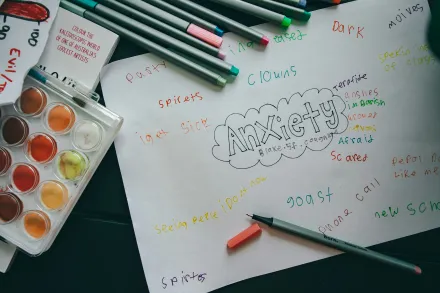
When mood disorders such as depression or anxiety are present, art therapy can provide a gentle entry point for engagement with difficult affect. In the midst of low motivation or pervasive worry, making art can reintroduce a sense of possibility and mastery, even in small steps. The process helps clients name and structure feelings that might otherwise remain diffuse, transforming vague discomfort into a visible or tangible form that can be examined and discussed. As clients observe changes in their artwork over time, they can recognize patterns, breakthroughs, or recurring themes, which supports a narrative of growth. The practice also nurtures self-compassion by offering a nonjudgmental space in which effort is valued over perfection, and it encourages a practice of self-care that integrates daily life with creative exploration. Through the combination of self-expression and reflective dialogue, art therapy can reduce rumination, increase mood regulation, and foster a more balanced sense of self-worth without requiring clients to rely solely on verbose insight.
Art therapy for trauma and stress resilience
In contexts of trauma, art therapy supports a process of gradual exposure and containment that can be less overwhelming than recounting events in a conventional talk setting. The sensory nature of art making provides grounding, a way to anchor attention in the present moment and to notice bodily states without becoming engulfed by distress. Through symbolic representation, clients can reframe traumatic memories, articulate fragmented experiences, and reconstitute a sense of coherence and safety. The creative process often involves repeated cycles of activation and rest, allowing the nervous system to recalibrate its response to stress. Therapists skillfully intervene to maintain safety, set therapeutic boundaries, and reinforce coping skills such as breath awareness, body scan, or paced storytelling. Over time, clients may experience improved sleep, reduced hypervigilance, and increased confidence in managing flashbacks or intrusive thoughts, all of which contribute to a more resilient posture toward difficult life events.
Art therapy across life stages
Art therapy speaks in different dialects across the life span, adapting to developmental stages, cognitive changes, and social roles. For children, playful exploration and symbolic drawing can unlock fears and hopes that they lack words to express, while caregivers learn to observe without intrusion and to respond with attuned support. In adolescence, art can become a mirror for identity formation, peer pressure, and emerging autonomy, offering a private arena where experimentation and reflection can coexist. In adulthood, stress from work, relationships, and responsibilities often finds a more sustainable outlet through ongoing creative practice that builds emotion regulation and meaning. In later life, art therapy can counter isolation, support reminiscence, and foster connections that maintain cognitive vitality and social belonging. Across these stages, the core mechanisms—expression, reflection, and relational safety—remain constant, even as the content and aims shift with age and circumstance.
Accessibility, culture, and ethics
Access to high-quality art therapy is shaped by social determinants of health, including availability of trained professionals, affordability, and cultural relevance. An ethical art therapy practice honors diverse cultural expressions, respects personal history, and avoids imposing any single interpretation of symbolism. Therapists strive to build trust across cultural boundaries, translating feelings and meanings in a way that respects language, spirituality, and community values. This attention to ethical engagement also involves safeguarding privacy, obtaining consent, and ensuring that therapy aligns with the client’s goals and comfort level. When practitioners bring a culturally informed lens to the creative process, the therapeutic space becomes more inclusive, enabling more people to experience the benefits of self-expression, connection, and renewed agency through art without feeling alienated from their own backgrounds.
Challenges and limitations
Not every individual will respond in the same way to art therapy, and expectations must be managed with honesty and care. Some people may find the artistic process intimidating or confusing, while others may experience frustration if outcomes feel unsatisfactory. It is important to emphasize that progress in art therapy is not measured exclusively by the aesthetics of an artwork but by shifts in mood, insight, coping capacity, and relational functioning. The evidence base for specific diagnostic groups remains evolving, which means therapists often integrate art therapy with established modalities to tailor treatment plans. Accessibility constraints, such as insurance coverage or geographic availability, can limit reach, and it is essential for health systems to recognize the value of creative interventions alongside pharmacological and psychotherapeutic options. A thoughtful, patient-centered approach helps to navigate these challenges and preserves the integrity of the therapeutic process.
Integrating art therapy with healthcare systems
Within hospitals, clinics, schools, and community centers, art therapy operates as part of a broader care ecosystem. Collaboration with psychiatrists, psychologists, social workers, and educators enables a holistic approach that addresses mental health as embedded in daily life, relationships, and community belonging. In settings where time and resources are constrained, brief art-based techniques can serve as entry points that reduce anxiety, promote grounding, and prepare individuals for more extended therapeutic work. Documentation of progress, ethical record keeping, and ongoing assessment help align art therapy with evidence-based practice while retaining the flexibility that makes creative work so responsive to individual needs. When integrated thoughtfully, art therapy can augment wellness programs by offering experiential learning, reducing stigma, and supporting sustained engagement with treatment plans across diverse populations.
Practical takeaways for readers
For those curious about trying art therapy, recognizing that talent is not the gatekeeper is a crucial first step. Seek out practitioners who emphasize safety, client autonomy, and trauma-informed practices, and inquire about their approach to assessment, confidentiality, and goal setting. Prior to starting, it can be helpful to reflect on current stressors, emotional triggers, and what you hope to gain from the process, whether it is improved mood, greater emotional clarity, or a sense of connection. During sessions, give yourself permission to explore imperfect results, notice bodily sensations, and listen for the stories your hands and materials seem to tell. After sessions, journaling or a gentle review with the therapist can consolidate learning and reinforce what has been discovered about triggers, resilience, and personal values. If access to an art therapist is limited, consider community workshops or guided self-directed creative practices that cultivate routine, curiosity, and a nonjudgmental relationship with one’s inner life, recognizing that even irregular engagement can seed meaningful shifts over time.
Looking ahead into the future
As mental health care continues to broaden its understanding of healing, art therapy stands as a bridge between felt experience and verbal explanation, between body and mind, between solitary reflection and relational growth. Advances in research, including more precise measurements of emotional regulation, neural connectivity, and long-term outcomes, promise to clarify how different modalities within art therapy contribute to durable change. The field is likely to see greater integration with digital platforms, enabling remote or asynchronous creative work that preserves the core essence of client-centered practice while expanding reach. At the same time, communities may develop more inclusive programs that honor cultural diversity and reduce barriers to entry, ensuring that people from varied backgrounds can discover in art therapy a pathway toward greater self-awareness, social connection, and emotional strength. Taken together, these developments hint at a future where creative inquiry plays a central role in everyday mental health care, empowering individuals to narrate their lives with renewed clarity and courage, even as they navigate the complexities of an evolving world. It is a future that invites imagination as a form of resilience, and resilience as a learning posture that can be practiced with gentle persistence over time.