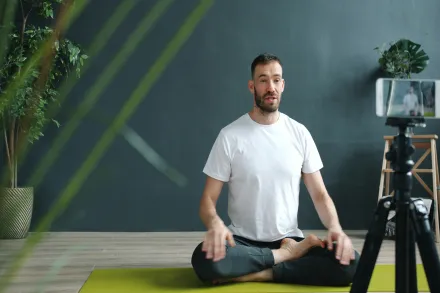
Yoga is often associated with physical flexibility and strength, yet its most transformative effects unfold in the quiet spaces between breaths and in moments of sustained attention. When practiced with intention, yoga becomes a structured invitation to observe thoughts without becoming overwhelmed by them, to regulate arousal, and to cultivate a mental environment where clarity can emerge. This article explores how yoga influences mental processes such as focus, working memory, cognitive control, and emotional balance, and how these changes translate into a steadier and more lucid experience of daily life. The goal is not to chase a fleeting sense of calm but to develop a durable mindfulness that can support decision making, learning, creativity, and resilience through a diverse range of practices, from gentle stretches to deliberate breathwork and meditative techniques.
In modern life, distractions proliferate and the pace of information processing accelerates. The practice of yoga offers a counterbalance by training attention to anchor itself in the present moment. Through coordinated movement, breath awareness, and a disciplined posture, practitioners begin to experience a subtle shift in cognitive tempo. Instead of reacting reflexively to stimuli, the mind learns to pause, evaluate, and choose responses that align with long term goals. This foundational shift lays the groundwork for improved mental clarity, allowing the practitioner to separate essential signals from noise, recognize patterns in thought more quickly, and maintain a steady focus even amidst competing demands.
In this exploration, it is important to understand that mental clarity is not a single magical state but a composite of several interrelated processes. It includes sustained attention, the ability to filter distractions, the flexibility to switch between tasks or perspectives, and a sense of inner calm that slows the intrusion of anxious or ruminative thoughts. Yoga simultaneously cultivates physiological conditions that support these cognitive functions and fosters mental habits that enhance perceptual discrimination and working memory. When the body is calm but alert, the brain can encode new information more efficiently, store it with fewer errors, and retrieve it with greater ease during challenging tasks.
The Mind-Body Connection in Yoga
The mind-body connection lies at the heart of yoga practice. By guiding attention to the body, practitioners create anchor points that stabilize consciousness. Asanas, or postures, combined with mindful breathing, produce subtle physiological changes that influence brain function. For instance, gentle inversions may alter venous return and cerebral blood flow in ways that modulate alertness, while controlled spinal elongation and chest opening can reduce thoracic constriction, improving respiratory efficiency. When breath becomes a deliberate rythmic rhythm, it entrains neural oscillations associated with attentional networks. The physical awareness cultivated through movement provides a bridge from sensation to cognition, enabling a poised mental state in which thoughts arise without overpowering the sense of self that observes them. This bridge is particularly valuable for cultivating clarity because it invites a listening stance toward the internal dialogue rather than a quick reflex to react to it.
As practitioners progress, the body becomes a metronome for cognitive processes. The balance of effort and ease learned in yoga teaches the nervous system to modulate arousal in response to real demands rather than perceived threats or habitual stress. This modulation reduces the likelihood of rumination, a common barrier to mental clarity, by creating a spacious awareness in which thoughts can pass without becoming entrenched. Over time, repeated experiences of coherent breathing and precise postural alignment refine proprioceptive feedback loops, sharpening moment-to-moment perception. The result is an enhanced capacity to notice subtle shifts in mood, attention, and energy, which empowers more intentional choices about how to direct mental resources across tasks and activities.
Breath as a Gateway to Focus
Breath is the most accessible and universally applicable tool for cultivating mental focus. In yoga, breath awareness is not merely a cue for relaxation; it is a dynamic moderator of the autonomic nervous system. Slow, diaphragmatic breathing with extended exhalation tends to lower sympathetic arousal while promoting parasympathetic dominance, a state conducive to deliberate thinking rather than impulsive reaction. This physiological balance translates into cognitive clarity by reducing brain noise associated with stress responses, thereby making the content of consciousness more legible. When the mind is less preoccupied with bodily discomfort or anxious imagery, working memory has greater capacity to hold and manipulate information, problem-solving becomes more efficient, and creative insight can emerge from the quiet interplay of calm attention and persistent curiosity.
Pranayama practices, when taught with proportional breaths and clear intention, help create micro-mights of focus that accumulate into longer periods of sustained attention. Even short sessions—six to ten minutes—can produce measurable improvements in attentional control, particularly when practiced consistently. The exhale often serves as a natural cue for turning attention inward and releasing unnecessary tension in the shoulders, jaw, and chest. This release not only improves physical comfort but also reduces cognitive fog that can accompany shallow breathing. As practitioners grow more adept at guiding their breath, they discover that attention can be anchored not only to a point in space or a sensation but to the rhythmic cadence of respiration, a reliable internal metronome that steadies the mind through distractions and fatigue.
How Yoga Influences Brain Networks
Emerging research suggests that regular yoga practice modulates networks within the brain that govern attention, self-regulation, and cognitive control. The default mode network (DMN), which is active during self-referential thought and mind-wandering, tends to show reduced activity after mindful yoga sessions, while networks involved in attention and executive function, such as the frontoparietal control network and the salience network, show enhanced connectivity and efficiency. This reorganization supports a clearer sense of where attention should land in any given moment and enhances the ability to switch between internal reflections and external tasks with minimal cognitive friction. The practical implication for mental clarity is straightforward: improved ability to notice when the mind has wandered and to gently guide it back to a chosen task without becoming entangled in unrelated ruminations.
The spices of cognitive vitality offered by yoga are not merely neurochemical but also experiential. The repeated pairing of precise movement with breath creates a temporal structure that trains the brain to predict sensory input, anticipate outcomes, and adjust actions accordingly. Predictive processing models describe this as a workflow in which the brain continually optimizes its internal models to minimize surprise. Yoga’s structured sequences create predictable patterns of activation and deactivation, allowing the mind to operate with a reduced cognitive load during tasks that require sustained attention. In practical terms, this leads to a sharper sense of timing, quicker recognition of errors or incongruities, and a capacity to reframe a problem with less cognitive noise cluttering the path toward a solution.
Stress Reduction and Emotional Regulation
Chronic stress is a major enemy of mental clarity because it fills cognitive space with fear, rumination, and heightened vigilance. Yoga offers a multi-layered antidote by reducing physiological stress markers, improving autonomic balance, and fostering a healthier emotional ecology. Regular practice has been associated with lower baseline cortisol, improved vagal tone, and a more adaptive heart rate variability profile. These shifts translate into a mind that remains more even-keeled under pressure, enabling clearer appraisal of options and better decision making. Beyond the body’s biochemistry, yoga cultivates emotional regulation by training the awareness and acceptance of difficult sensations or thoughts without immediate conviction or impulsive reaction. This mindful stance fosters a mental environment where ideas can be evaluated on their merit rather than colored by fear or avoidance impulses.
Moreover, yoga encourages a compassionate, nonjudgmental relationship with one’s experiences. The practice reframes stress as a signal to respond rather than a trigger to resist, allowing for more considered responses in the face of deadlines, social challenges, or personal setbacks. When emotional states become more predictable and manageable, attention is less hijacked by sudden mood shifts. The clarity that follows is not a sterile detachment but a refined perceptual bandwidth that can discern subtle cues in others and in the environment, supporting more effective communication, problem solving, and collaborative thinking in daily life.
Sleep Quality and Mental Clarity
Quality sleep is a foundational pillar of cognitive clarity. Yoga supports sleep in multiple ways, from reducing muscular tension and lowering basal arousal to promoting parasympathetic dominance in the evening hours. Gentle practices, especially those that emphasize slow breathing, restorative poses, and a quiet mind, provide an accessible transition from wakefulness to restful states. Improved sleep translates into more vivid, organized memory consolidation, better daytime alertness, and more reliable executive functioning during waking hours. When sleep quality improves, daytime cognitive tasks such as planning, problem solving, and sustained attention become less effortful, and the mind is less prone to drifting during routine work or study. These changes collectively enhance mental clarity as a daily recurring benefit rather than a one-off sensation following a session.
In addition to physiological sleep benefits, the cognitive rest provided by twilight practices can reduce intrusive thoughts that otherwise interfere with falling asleep. By focusing on breath, body sensations, or a soothing visualization, practitioners can disengage from rumination and create a mental archive of calm signals that ease the transition into deeper sleep stages. The cumulative effect of these nightly resets is a morning wakefulness characterized by a brighter attention, quicker recall, and a greater sense of control over the pace and quality of the day. The practice therefore becomes a reliable ally for those seeking lasting mental clarity through better rest.
Cognitive Flexibility and Learning
Cognitive flexibility—the ability to adapt thinking to new rules or shifting circumstances—is a crucial driver of mental clarity in dynamic environments. Yoga cultivates this adaptability by inviting the practitioner to learn new postures, adjust alignment, and vary breathing patterns. This constant recalibration trains the brain to update strategies rather than cling to habitual responses. In the classroom or workplace, such flexibility translates into faster error detection, greater tolerance for ambiguity, and a more resilient approach to problem solving. The meditative aspects of yoga deepen this effect by reinforcing nonjudgmental attention to present experience, which reduces the bias toward prematurely locking onto a single interpretation and thereby expands creative exploration and integrative thinking.
Beyond the cognitive benefits, yoga also enhances metacognition—the awareness of one’s own thought processes. By paying attention to internal states, practitioners can notice when their thinking becomes rigid or overly automatic and gently intervene with a shift in focus, a change of posture, or a conscious breath cycle. This heightened self-awareness creates a feedback loop that strengthens mental clarity as a conscious practice rather than a passive byproduct of relaxation. In time, learners and professionals may find they can enter problem spaces with a calmer, more curious mindset that supports steady, well-reasoned conclusions rather than impulsive or emotionally charged choices.
Yoga Practices for Daily Mental Clarity
To translate the science of yoga into daily clarity, it helps to cultivate a compact, sustainable practice. A few minutes of mindful breathing, a sequence of gentle stretches, and a brief period of seated meditation can be enough to recalibrate attention and mood. For many, starting with a recurring morning routine—centered on diaphragmatic breath, a short rotation through spinal twists, and a calm forward bend—sets a reliable tone for the day. The key is consistency and a clear intention: to observe without judgment, to notice without clinging, and to bring attention back to the breath or a simple focal point whenever distractions arise. Over weeks and months, these small sessions accumulate into a mental operating system that supports clarity, focus, and purposeful action across tasks and environments.
Alongside formal practice, integrating short breath checks and micro-meditations into daily activities can maintain momentum. For example, pausing briefly before starting a task to inhale deeply through the nose and exhale slowly through the mouth can reset the nervous system and reduce the cognitive load associated with task-switching. Even during high-demand moments, a few consciously regulated breaths offer a corrective mechanism that stabilizes attention and reduces the tendency toward scattered thoughts. Such accessibility is one of yoga’s strongest advantages for mental clarity: it invites a long-term, scalable practice that fits a busy life while delivering measurable cognitive benefits.
Yoga and Creativity
Creativity often arises most clearly when the mind is quiet enough to perceive subtle connections yet alert enough to act on them. Yoga contributes to this balance by fostering a psychological space where ideas can percolate without compulsory self-critique. The deliberate pacing of breath and movement slows the mental tempo just enough to allow associative thinking to unfold, while structured sequences keep the body and mind from slipping into fatigue or distraction. Regular practitioners frequently report a greater ability to notice relationships between disparate ideas, to hold multiple perspectives simultaneously, and to transfer insight from one domain to another. In practice, this means clearer ideation, more flexible problem framing, and a greater willingness to experiment with new approaches, all of which enrich creative performance in work, study, or personal projects.
Moreover, the discipline of returning attention to a focal point—whether it is the breath, a mantra, or the sensation of the body in space—reduces inner noise that often blocks creativity. When inner chatter diminishes, ideas surface with greater clarity and are more likely to be tested, revised, and iterated with a sense of curiosity rather than judgment. This constructive cycle of attention and inquiry is a hallmark of mental clarity and can be cultivated through a combination of postures, breathwork, and short meditative practices that fit into a creative routine without becoming a burdensome obligation.
Lifestyle Factors That Support Clarity
Yoga does not operate in a vacuum; its benefits are amplified when combined with complementary lifestyle choices. Nutrition that supports stable energy levels, hydration, and regular exposure to natural light all contribute to waking cognition that is crisp rather than foggy. Consistency in practice remains a central determinant of long-term gains; irregular sessions yield uneven results, whereas a steady habit builds neural pathways that support sustained attention and emotional regulation. While the practice itself fosters calm and focus, the surrounding lifestyle choices reinforce those effects by reducing chronic stressors and promoting restorative processes that enhance cognitive efficiency.
Time management and environmental design also play a role. A quiet, uncluttered space that invites slow breathing and mindful movement creates an immediate sensory context conducive to clarity. The moment-to-moment choices about when to practice, how long, and which sequences to emphasize are not trivial; they shape how readily the nervous system learns to access a calm, attentive state on demand. By aligning yoga with practical routines that fit personal energy cycles and work demands, individuals can cultivate a stable platform from which to approach tasks, learn new skills, and engage with others with greater mental presence.
Long-Term Benefits Across Life Stages
Across different ages and life circumstances, yoga’s impact on mental clarity remains relevant. In youth, it can complement learning by increasing focus, reducing test anxiety, and supporting healthy sleep patterns that bolster memory consolidation. In midlife, yoga can counteract the cumulative effects of stress and sedentary routines, preserving cognitive flexibility and emotional balance. In later life, yoga contributes to brain health by enhancing circulation, reducing inflammation, and promoting a calm, alert mindset that supports social engagement and lifelong learning. The cross-sectional benefits across the lifespan are not simply about temporary relief but about building a durable cognitive architecture that remains accessible when complexity increases or when confronted with new challenges.
Importantly, the social dimension of yoga—breathing together, sharing space, and receiving nonjudgmental guidance—also nurtures mental clarity by reducing isolation and increasing perceived support. The sense of connection that accompanies group practice can buffer against cognitive and emotional stressors, reinforcing a mental state that welcomes attention, curiosity, and resilience. These social dynamics complement the individual practice, creating a holistic environment in which clarity is fostered from multiple angles rather than relying solely on solitary effort.
Building a Sustainable Practice
The most durable gains in mental clarity come from a sustainable practice rather than sporadic bursts of effort. Building a routine that aligns with personal rhythms is essential. This means choosing a manageable number of postures, deciding on a realistic duration, and committing to a consistent time of day when possible. A sustainable practice values quality over quantity, emphasizing mindful attention to breath, posture, and internal experience rather than rushing through sequences. By cultivating patience, practitioners learn to observe the mind’s patterns without judgment and to return repeatedly to the present moment, which gradually strengthens attention and reduces cognitive fragmentation over time.
As with any skill, gradual progression matters. Beginners who start with accessible poses and short breathwork sessions are more likely to maintain consistency than those who push toward advanced asanas before building a stable foundation. The evolution of a practice often mirrors cognitive growth: initial gains in attention and emotional regulation become deeper with time, enabling more complex tasks to be performed with similar or greater ease. When the practice includes moments of stillness, movement, and breath together, mental clarity emerges not as a sudden crescendo but as a steady orchestra of cues, sensations, and responses that synchronize across body and mind.
In summary, yoga offers a structured pathway toward enhanced mental clarity by integrating breath, body, and awareness into a coherent daily practice. Its benefits arise not from a single technique but from the synergistic effects of mindful movement, deliberate breath, emotional regulation, improved sleep, and deliberate cognitive training. This integrated approach provides a practical framework for people seeking greater focus, steadier mood, and more precise perception in a world full of competing demands. As individuals continue to explore, adapt, and refine their practice, the benefits accumulate in a way that supports a clearer, more resilient way of being in daily life.