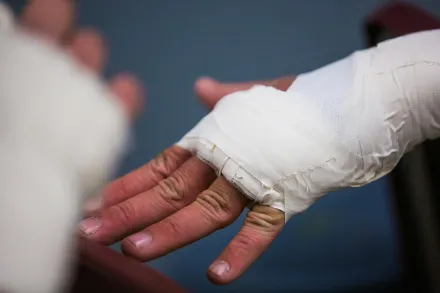
Understanding the Scope of Injury Prevention
Injury prevention is a broad practice that spans everyday life, athletic training, occupational safety, and personal care. It is not a single technique but a philosophy that centers on reducing risk by strengthening the body, refining movement, and shaping environments so that harmful events are less likely to occur. At its core, prevention relies on continuous assessment of risk, thoughtful planning, and a willingness to adjust routines in response to signals the body sends. The aim is to preserve function, enhance resilience, and support long term health rather than chasing short term gains at the expense of safety. When people understand that injuries are often the result of cumulative factors rather than isolated incidents, they can adopt habits that gradually reduce those factors and create a foundation for safer living across all domains.
Foundational Principles of Injury Prevention
Three foundational ideas knit most successful injury prevention efforts together. First, load management and progressive exposure are essential. The body adapts to the demands placed upon it, but abrupt spikes in intensity or volume increase the risk of strains, sprains, or overuse injuries. Second, technique and mechanics matter as much as strength. Efficient, safe movement distributes forces through the joints and muscles in ways that minimize stress on vulnerable structures. Third, environment and recovery are partners in prevention. A well lit, clutter free space supports safe movement, while adequate sleep, nutrition, and hydration sustain tissue repair and neuromuscular control. When these pillars align, the probability of injury diminishes and performance improves.
Consistency is a quiet but powerful contributor to safety. A routine that includes regular conditioning, balanced workouts, and deliberate recovery gently reshapes tissues and neuromuscular patterns. This reduces vulnerability not just during peak effort but also in everyday activities such as lifting, bending, or navigating stairs. It is important to recognize that prevention is not about rigid rules but about adaptive patterns that fit an individual’s age, capacity, and daily responsibilities. People who cultivate awareness of their limits and take small, manageable steps tend to sustain safer habits over the long term.
Education plays a critical role in prevention. Understanding how common injuries occur—such as how repetitive microtrauma accumulates or how poor posture translates into back or neck strain—empowers individuals to intervene early. Clear guidance about warm ups, cooling strategies, proper equipment, and safe technique helps people translate knowledge into action. When knowledge is paired with practical practice, safer choices become instinctive rather than optional.
Preventing Sports and Fitness Related Injuries
Engagement in sports and structured fitness introduces dynamic loads that challenge joints, muscles, and connective tissues. A wise approach begins with an assessment of baseline fitness and movement patterns. Identifying areas of tightness, limited range of motion, or asymmetry allows a coach or individual to tailor preparation before advancing to high intensity work. A well designed plan begins with a thorough warm up that elevates heart rate gradually, increases tissue temperature, and activates the muscles that will bear the brunt of effort. A robust warm up often includes mobility work that targets joints through their natural ranges of motion and light, controlled activation of core and stabilizing muscles. This preparation primes the nervous system to coordinate movement more efficiently and reduces the likelihood of jolts or awkward positions that lead to injury.
Technique matters in every sport. Small adjustments in form can dramatically change the distribution of forces on the body. A focus on alignment, controlled deceleration, and full body engagement helps to protect the shoulders, knees, ankles, and spine. Progressive training that carefully increases intensity and volume over weeks or months allows tissues to adapt without overwhelming them. A balanced program combines strength work with mobility work and includes rest days that honor the body’s need to repair microtears and restore energy reserves. Protective equipment, when appropriate, should complement proper technique rather than substitute for it. Together, these elements create a durable foundation for sustained practice and competition.
Recovery is not optional but essential. Sleep serves as a crucial period for repair, memory consolidation, and hormonal balance that influence tissue resilience. Nutrition supports the repair processes by supplying amino acids, essential fats, vitamins, and minerals that tissues require to rebuild. Hydration maintains blood volume and tissue lubrication, supporting movement and reducing fatigue. A recovery plan that respects rest days, includes light activity or mobility work on off days, and uses modalities such as stretching or gentle massage can reduce the risk of delayed onset muscle soreness that often signals overtraining and potential injury.
Preventing Workplace Injuries
Work environments introduce repetitive motions, awkward postures, and static loading that accumulate risk over time. A cornerstone of prevention is proper ergonomics, which means aligning the workstation to reduce strain on the neck, shoulders, wrists, and lower back. This can involve adjusting chair height, screen position, keyboard placement, and the angle of the desk to maintain a neutral posture during long periods of work. It also means designing tasks to minimize repetitive movements and to alternate between different activities so that no single muscle group bears the burden for too long. When awkward positions are unavoidable, micro breaks and micro stretches can provide relief and maintain mobility. Even small changes in daily routines can accumulate into meaningful reductions in risk when practiced consistently.
A correct lifting technique in the workplace is crucial for protecting the spine and surrounding musculature. Safe lifting begins with assessing the load, planning the movement, and using the legs to generate power rather than bending at the waist. Feet should be placed for stability, the core engaged, and the object kept close to the body to shorten the lever arm. Tools and equipment, such as dollys, hoists, and adjustable platforms, should be used whenever appropriate to reduce force demands. Training programs that teach these habits reinforce safe behavior and help workers apply them across tasks and shifts. Protective gear and personal protective equipment complement safety protocols but do not replace sound technique and environmental safeguards.
Injury prevention in the workplace also means recognizing and addressing fatigue, stress, and mental strain. Chronic stress can alter perception of risk, slow reaction times, and reduce awareness of subtle warning signs. Employers that cultivate a culture of safety, encourage reporting of near misses, and provide access to resources for physical conditioning and restoration tend to experience fewer injuries. Regular assessments of lighting, floor conditions, slip resistance, and clutter management further reduce the chances of falls, trips, and mishaps. A proactive approach that integrates physical preparation with environmental control creates a safer and more productive workplace without diminishing personal well being.
Preventing Home and Everyday Injuries
Daily life is full of opportunities for injury, from kitchen mishaps to trips on cluttered floors. Prevention begins with a comprehensive assessment of home hazards and a plan to address them. Adequate lighting, especially in stairs and hallways, helps prevent missteps and misjudgments. Clear pathways free of loose cords, toys, or rugs reduce the risk of tripping. Stairs should be equipped with sturdy handrails, and flooring should be consistent to minimize unexpected slips. In kitchen areas, safe storage of sharp objects, secure appliance cords, and dry surfaces reduce accidents during cooking and cleaning. A habit of putting things back in their place also lowers the chance of collisions or falls. These everyday checks form a protective layer that supports safe movement in familiar spaces.
Movement in the home benefits from mindful technique. Lifting groceries or laundry should be performed with a stable stance, knees bent, and the load held close to the body. Avoiding sudden twists, keeping the spine aligned, and distributing weight evenly across both sides of the body decrease the likelihood of back strain. For people with limited mobility or pain, it is prudent to adapt tasks and seek assistance or tools that ease effort. Small adjustments, such as placing frequently used items at reachable heights or using assistive devices for heavy tasks, empower safer routines without sacrificing independence.
Emergency preparedness is an element of prevention that many overlook. Knowing what to do in case of a fall, burn, or cut reduces the harm that can follow an accident. Having a basic first aid kit accessible, learning simple skills such as controlling bleeding with clean cloths, and knowing when to seek professional care all contribute to safety. Families can benefit from rehearsing these steps in a calm setting, which builds confidence and reduces panic during real incidents. A thoughtful approach to everyday safety recognizes that prevention is ongoing and adaptive, reflecting changes in health, mobility, and household dynamics.
Preventing Falls for Older Adults
Falls become more likely with aging due to changes in balance, vision, bone density, and reaction time. A multifaceted strategy focuses on balance training, environmental modification, and regular health checks. Simple balance activities, practiced steadily, improve postural control and reduce the risk of unintended sways that lead to a fall. Programs that combine leg strengthening with gait training help maintain steadiness on various surfaces and during transitions such as standing up from a chair. Environmental interventions include removing loose rugs, installing grab bars in key areas, ensuring non slip surfaces, and arranging furniture to create clear walking paths. An honest evaluation of medications, as advised by a clinician, helps identify side effects that could contribute to dizziness or drowsiness, enabling adjustments when appropriate.
Footwear plays a surprising role in stability. Shoes with adequate support, a non slip sole, and a snug fit provide a solid base of support during movement. Regular vision checks are equally important; untreated visual changes can alter depth perception and increase the chance of missteps. Social support and routine physical activity create a lifestyle that reinforces safety habits. When these elements combine, older adults experience fewer falls and enjoy greater confidence in navigating daily spaces, which in turn supports independence and quality of life.
Home modifications tailored to individual needs are often transformative. Handrails on stairways, bright contrast colors for edge detection, and accessible bathrooms with shower seats or bath mats contribute to safer environments. People who integrate these changes with ongoing mobility exercises and gentle cardiovascular programs tend to maintain functional balance longer. A culture of safety that emphasizes prevention rather than reaction fosters an enduring sense of security and reduces anxiety around everyday movement.
It is important to recognize that prevention is dynamic. As mobility, health conditions, or living situations change, prevention plans should be revisited and adjusted. Regular check ins with caregivers, family members, and healthcare providers ensure that the strategies remain appropriate and effective. Through consistent practice, thoughtful environmental design, and supportive social networks, the risk of falls can be meaningfully reduced and the ability to remain active preserved.
Injury Prevention for Children and Teens
Youth sports and active play are valuable for growth, learning, and social development, yet they also pose injury risks when safety measures are neglected. Prevention begins with age appropriate activity that respects developmental stages and gradually builds capacity. Coaches and guardians should prioritize proper technique, progressive exposure to new movements, and adequate rest to avoid overuse injuries. Schools, clubs, and families can collaborate to ensure equipment fits correctly, surfaces are appropriate for the activity, and protective gear is worn as intended. Emphasizing movement skills, balance, and coordination in early years lays a foundation that reduces injury risk later in adolescence and adulthood.
Proper supervision reduces hazardous situations and reinforces safe habits. Clear rules for participation, recognition of fatigue signs, and the encouragement of warm up routines before physical activity help establish standard practices. Education about safe play, including strategies to avoid dangerous collisions or improper landing, empowers young athletes to make smart decisions even when training intensity rises. Encouraging girls and boys to diversify activities rather than specializing too early can also mitigate repetitive stress injuries and promote a broader motor repertoire that transfers to many sports.
Parents and educators should be mindful of the social pressures that can push youth toward unsafe practices. Open conversations about pain signals, such as sharp or throbbing sensations that persist beyond a brief period, encourage early reporting and professional assessment. Providing access to qualified medical care, including timely evaluation of suspected injuries and adherence to rehabilitation plans, supports recovery and long term participation in physical activity. A culture of safety alongside encouragement for curiosity and effort helps children grow confident in movement while minimizing injury risk.
Healthy routines for young people extend beyond the gym or the sports field. Adequate sleep, nutritious meals, hydration, and time for recovery are essential for every age. When children learn to listen to their bodies and respect boundaries, their bodies develop resilience that serves them through adolescence and into adulthood. The goal is not to eliminate challenge but to optimize preparation so that challenges become opportunities for growth rather than triggers for injury.
Nutrition, Hydration, and Recovery
Recovery relies on a steady supply of nutrients, fluids, and rest that support tissue repair and energy restoration. A varied diet that includes lean proteins, complex carbohydrates, healthy fats, and a spectrum of vitamins and minerals lays the groundwork for robust connective tissue and muscle health. Adequate protein intake supports muscle repair after training and helps maintain tissue integrity during daily activities. Carbohydrates replenish glycogen stores used during exercise, while fats contribute to hormone balance and joint health. Colorful fruits and vegetables provide antioxidants that help mitigate inflammation and support recovery processes.
Hydration plays a central role in maintaining tissue health and joint lubrication. Consistent fluid intake supports cardiovascular function and temperature regulation, which in turn influence performance and safety during physical tasks. In hotter environments or during intense training, electrolytes can support fluid balance and nerve function, complementing plain water in sustaining performance and reducing the risk of cramps or dizziness. Recovery strategies also include the timing of nutrition, with post activity meals that combine protein and carbohydrates to optimize repair and replenish energy stores. Individual needs vary, so listening to thirst cues and adjusting intake accordingly is a practical approach for most people.
Recovery is enhanced by sleep quality and duration. Sleep provides a window for muscle growth, neural restoration, and mood regulation that collectively contribute to safer movement and better decision making. A consistent sleep routine supports cognitive and physical performance, reducing reaction times during demanding activities and lowering the likelihood of injuries due to impaired judgment. Acknowledging the importance of rest days within training plans helps prevent cumulative fatigue and allows tissues to rebuild stronger than before, ultimately supporting safer participation in sport and daily tasks.
Beyond nutrition and sleep, recovery also benefits from gentle activities that promote circulation and flexibility. Light mobility work, stretching, or low impact activities on rest days can help maintain range of motion and prevent stiffness. Pain or injury signals should never be ignored, and professional guidance from a clinician or physical trainer can tailor recovery protocols to individual needs. A holistic recovery mindset—encompassing nourishment, hydration, rest, and gentle movement—creates a resilient body capable of handling daily demands and sport related challenges alike.
Sleep, Stress, and Injury Risk
Sleep quality directly affects injury risk by shaping attention, reaction time, and the accuracy of motor control. Inadequate or fragmented sleep impairs the brain's ability to coordinate movements, monitor environmental hazards, and make rapid adjustments during dynamic tasks. When sleep is consistently insufficient, risk of missteps, poor technique, and slower decision making increases noticeably. Prioritizing reliable sleep schedules and creating a conducive sleep environment supports safer performance in all activities and everyday life.
Stress influences injury risk through physiological and cognitive pathways. High stress can elevate muscle tension, reduce focus, and alter sleep patterns, thereby increasing susceptibility to strains and falls. Stress management techniques, including mindful breathing, relaxation practices, and positive daily routines, contribute to safer movement by stabilizing the nervous system and improving concentration. While stress is an inevitable part of life, implementing strategies to manage it can reduce its impact on physical safety and overall well being.
Practicing preventative habits in conjunction with stress management yields a robust approach to safety. Creating predictable routines, maintaining movement quality, and scheduling regular check ins with healthcare providers can help detect changes in health or mobility that might elevate injury risk. When the body and mind are well cared for, the likelihood of injuries decreases across sports, work, and home environments, and individuals often experience better mood, energy, and confidence in their daily activities.
Techniques, Form, and Conditioning
Optimal technique is often the first line of defense against injury. Movement patterns that promote neutral joints, balanced muscle engagement, and controlled momentum reduce the likelihood of awkward torque or abrupt forces that injure tissues. Instruction and feedback, whether from a coach, trainer, or well informed self assessment, support safe technique over time and help individuals detect and correct deviations before they lead to pain. Consistent practice of technique in varied contexts strengthens memory and motor control, enabling safer performance during unexpected or high demand situations.
Conditioning programs that blend strength, mobility, and endurance create a resilient musculoskeletal system. Balanced training addresses major muscle groups and supports joint stability, which reduces compensatory movements that often precipitate injuries. Emphasizing symmetrical development helps prevent asymmetries that can place uneven stress on the body. A well rounded conditioning plan includes push and pull movements, hip and ankle stability work, core engagement, and dynamic mobility work that takes joints through functional ranges of motion. Over time, this combination elevates performance and lowers injury risk while supporting lifelong physical function.
Form and control are particularly important during rapid or high load activities. Subtle misalignments or loss of control can generate large forces on a single joint, leading to strains or ligament injuries. Training that emphasizes slow, deliberate rehearsals of challenging tasks builds confidence and reduces the chance of accident during fast, real world execution. It is often beneficial to incorporate deliberate practice of deceleration, landing mechanics, and orientation changes, especially for athletes and workers who frequently encounter unpredictable movements. The payoff is safer performance and a more confident approach to new activities as skills develop.
Warm Up and Cool Down Practices
A well structured warm up prepares both body and brain for activity. It should be specific to the upcoming demands while gradually elevating heart rate and core temperature. A comprehensive warm up typically begins with low intensity movement that gradually increases in complexity, followed by mobility work that enhances tissue pliability and joint range of motion. Activation exercises targeting the muscles most involved in the session help ensure that these muscles are ready to perform with efficiency and control. A thoughtful warm up reduces stiffness and improves neuromuscular coordination, lowering the chance of early fatigue related injuries and enabling higher quality training from the outset.
Cool down routines are equally important in injury prevention and recovery. A gradual decline in activity allows the body to transition from a high state of arousal to a resting state, aiding heart rate normalization and metabolic recovery. Static stretching or gentle mobility work after exercise supports flexibility and helps prevent post exercise tightness. A consistent cool down can also reveal lingering areas of tightness or minor discomfort that might benefit from targeted attention in subsequent sessions. Integrating both warm up and cool down into every training or work session establishes a safety culture that prioritizes lasting health over short term performance gains.
Equipment, Gear, and Environment
Appropriate equipment is a practical safeguard against injury across activities. Shoes with proper support and fit help maintain alignment during movement, while protective gear appropriate to the sport or task reduces exposure to impact, cuts, or bruising. Regular inspection and replacement of worn gear ensure that protection does not degrade over time. Equipment should also be used correctly; learning how to wear protective items, secure laces, and adjust equipment to body size contributes to effective protection and comfort during use.
Environmentally, safety is enhanced by reducing trip hazards, maintaining clean surfaces, and ensuring adequate lighting. For athletes and workers, the layout of spaces matters as much as the equipment used. When workstations and training areas are organized to minimize awkward postures and excessive reach, the risk of sudden, uncontrolled movements decreases. Temperature and humidity levels influence ligament compliance and perceived exertion, so maintaining comfortable environmental conditions supports safer performance. In all contexts, environment and equipment act as a system, with proper alignment between the user, the tools, and the surroundings creating the greatest safety margin.
Injury prevention also benefits from periodic assessments of safety practices. Regular checks on technique, equipment fit, and environmental factors help catch emerging risks before they cause harm. Cultivating a culture where individuals feel empowered to report near misses or equipment concerns fosters a proactive safety mindset. When prevention is a shared responsibility, communities can adapt quickly to changes in needs, capabilities, or conditions, maintaining safety as a dynamic, ongoing process rather than a static rulebook.
First Aid Readiness and Emergency Planning
Being prepared for emergencies complements prevention by enabling rapid, effective responses that limit injury worse outcomes. A well equipped first aid kit and knowledge of basic wound care, bleeding control, and responses to common injuries provide tangible safety in homes, workplaces, and outdoor settings. Training in recognizing signs of dehydration, heat illness, or concussion supports timely care and reduces the risk of complications. Quick access to professional medical help when needed is a critical component of a complete safety plan and reduces the duration of any impairment caused by an injury.
Emergency planning extends beyond medical responses to include communication and evacuation strategies. Having up to date contact information, a clear plan for locating family members, and designated meeting points can prevent chaos during emergencies and improve outcomes. Practicing these plans through regular drills or conversations with household members or coworkers helps normalize safety behaviors and ensures everyone knows their role. A thoughtful approach to emergencies reduces panic, speeds appropriate action, and preserves safety for all involved.
Individuals should also consider scalable safety plans that fit different contexts and ages. For example, a caregiver might tailor first aid knowledge to the needs of an elderly relative, while a coach might adjust emergency procedures for a youth team. When people feel confident about how to respond to injuries or sudden illness, they make better decisions under pressure and contribute to a safer environment for others. A comprehensive approach to first aid readiness and emergency planning aligns knowledge, practice, and resources in service of ongoing safety and resilience.
Consistency, Motivation, and Habit Formation
The most effective injury prevention strategies are those that become reliable habits rather than sporadic efforts. Building consistency starts with small, achievable steps that fit naturally into daily routines. For some, this means scheduling regular mobility work or short conditioning sessions at the same time each day. For others, it involves setting up an ergonomic workstation that is always ready for use. The key is to reduce friction and make safety a default choice rather than a special, seldom practiced activity. When safety practices feel automatic, they persist through life’s changing rhythms and demands.
Motivation to stay injury free often rises from visible benefits. Improved energy, better sleep, quicker recovery, and enhanced performance reinforce continuing safe practices. Framing safety as a pathway to greater freedom and longer participation in activities one enjoys helps sustain adherence even when life becomes busy or stressful. Social support and accountability also play a meaningful role. Sharing goals with family, teammates, or colleagues can create a sense of shared purpose and provide encouragement during challenging periods.
To support habit formation, it helps to track progress in a non punitive, constructive way. Rather than focusing on failures, emphasize learning from close calls and adjusting plans accordingly. Regular feedback from trainers, teammates, or care providers can guide improvements and keep goals aligned with evolving abilities. Over time, small, deliberate actions accumulate into durable patterns that reduce injury risk across contexts and contribute to a healthier, more active lifestyle for years to come.
In sum, successful injury prevention blends education, technique, environment, recovery, and psychology into a cohesive system. It asks for attention and care, but it also offers tangible rewards in the form of safer movement, more comfortable daily life, and a greater sense of confidence. When people embrace prevention as a living practice rather than a checklist, they empower themselves to participate in the activities they love with less fear of harm and more focus on growth and enjoyment.