Plan ahead with smart preparation and you set yourself up for success during busy days. The simple act of thinking about snacking before you feel hungry makes a huge difference, because it helps you avoid impulsive choices that look convenient in the moment but leave you unsatisfied or bloated later. When you know your schedule—the commute, work meetings, gym sessions, and travel time—you can choose a handful of snack ideas that will travel well, stay fresh, and align with your energy needs. The goal is to create a small but reliable toolkit of options that you actually enjoy and that provide a steady release of energy rather than a quick spike followed by a crash. By stocking your bag, car, or desk with thoughtfully chosen snacks, you reduce the likelihood of reaching for highly processed items simply because they are nearby or easily accessible. The planning process should be practical, not perfectionistic, and it should consider your personal taste preferences, any dietary restrictions, and the realities of your daily routine so that healthy snacking becomes a natural habit rather than a challenge you have to conquer repeatedly.
Choose Nutrient-Dense Snacks with Protein and Fiber
When you select snacks, aim for nutrient density that supports fullness, energy, and lasting satisfaction. Snacks that combine protein and fiber tend to curb hunger longer, stabilize blood sugar, and provide steady focus throughout the day. Think pairs like Greek yogurt with berries, an apple with a generous spoon of almond butter, or a slice of whole grain toast topped with cottage cheese and cucumber. For portable choices, consider single-serve packets of mixed nuts with dried fruit that keep you full without piling on excess empty calories, or a small portion of hummus with crunchy vegetables. Beyond taste, the fiber content helps preserve gut health and fosters a sense of fullness, while protein supports muscle maintenance and recovery during busy periods. If you follow a vegetarian or vegan pattern, options like lentil salads in compact containers, edamame, or protein-packed plant-based bars can fill the same roles, keeping your body nourished even on hectic days.
Smart Pairings for Balanced Energy
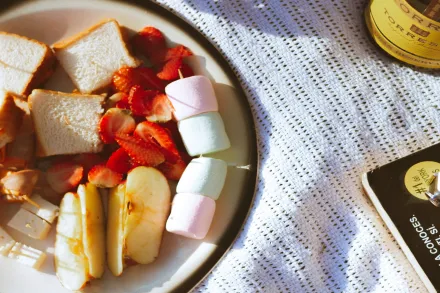
The idea of smart pairings is to complement flavors and nutrients so each snack delivers a harmonious balance of carbohydrates, protein, and fat. A juicy piece of fruit benefits from a protein partner to slow digestion, such as a handful of nuts or a small portion of cheese. Crunchy vegetables gain extra appeal when paired with a protein-rich dip like yogurt-based ranch or tahini. Whole grain crackers, when topped with turkey slices and a slice of tomato, provide a satisfying mix of texture and macro balance that sustains energy through back-to-back meetings. Even small swaps can make a big difference: swapping white bread for a darker, fiber-rich option or choosing roasted chickpeas instead of potato chips can maintain taste while supporting fullness. Remember that flavor variety matters because it keeps snacking enjoyable and less like a duty. This approach helps you stay nourished without feeling deprived and makes healthy choices more appealing when you are on the move.
Portable Fresh Options that Travel Well
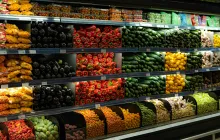
Fresh foods don’t have to be fragile or inconvenient to carry. Certain produce items hold up well when you are away from a kitchen, especially the ones that don’t require refrigeration for a few hours. Apples, pears, grapes, oranges, and bananas travel nicely in a small mesh bag or a dedicated fruit pocket. Carrot sticks, cucumber coins, cherry tomatoes, bell pepper slices, and celery sticks are sturdy, refreshing, and thirsty-satisfying, especially when paired with a durable dip like hummus or a yogurt-based spread in a compact container. For added variety, consider pockets of sugar snap peas, mini cucumbers, or radishes for a zesty crunch. Canned or pouch options such as tuna, salmon, or beans, when stored with a cold pack and consumed within a safe window, can be excellent protein sources that boost the nutritional quality of on-the-go snacking. If you prefer dairy, hard cheeses, individual cheese portions, or shelf-stable yogurt tubes offer convenience while still delivering calcium and protein. The key is to prioritize portability, minimal prep, and refrigeration safety, ensuring that every bite supports energy rather than leaving you lethargic after a busy stretch.
Snacks for Hydration and Electrolytes
Hydration plays a crucial role in how energized you feel, and snacks can contribute to or detract from this balance. Water-rich fruits like watermelon, berries, and cucumbers provide hydration along with natural sweetness and micronutrients. Soured or cultured options such as yogurt can add flavor while also offering beneficial bacteria and minerals, though they may require cooler storage. If you need to enhance hydration during long travel or intense activity, consider electrolyte-enhanced beverages or lightly salted nuts in small portions to replenish minerals lost through sweat. Dried fruit can be a good option in moderation, but it is wise to watch for added sugars that could counteract hydration goals. Herbal teas or unsweetened beverages can be a comforting, calorie-light way to stay hydrated without adding unnecessary sugar. In all cases, pairing a hydration-focused item with a nutrient-dense snack helps sustain energy levels and reduces the likelihood of dry mouth, headaches, or shakiness during busy days.
Portion Control and Storage Techniques
Portion control is essential to prevent overeating and to sustain momentum through long days of activity. Pre-portion snacks into small containers or resealable bags so you can grab a single Serving without measuring or thinking too much. A single, consistent portion helps you monitor intake and avoid mindless grazing in front of screens or during busier shifts. Use transparent containers when possible so you can quickly see what you have and what is missing from your stock, which aids planning for the next shopping trip. Clear labeling with the date and contents can improve food safety and help you rotate items efficiently. When you assemble snacks for a car ride or long trip, consider a layered approach: a core protein, a complex carbohydrate, and a portion of healthy fats to optimize satiety and taste. By maintaining controlled portions, you’re more likely to enjoy snacks, enjoy energy, and avoid the crash that often follows oversized portions. This practical discipline supports consistent performance across work and life demands rather than sudden spikes in appetite.
Reading Labels and Navigating the Aisles
Navigating store shelves with a critical eye helps you choose snacks that truly support your goals. Begin with the ingredient list, looking for whole, recognizable components rather than highly processed blends with extended lists of additives. Check for added sugars and syrups, as excess sugar can undermine energy stability and appetite control. Sodium content is another important factor, especially if you are sensitive to bloating or water retention. Protein and fiber content provide useful benchmarks for satiety; aim for snacks with at least a modest amount of protein and dietary fiber per serving. If you have dietary restrictions, scan for allergen information and gluten, dairy, or other flags that matter to you. The ultimate goal is to select items that taste good, align with your health targets, and minimize artificial fillers, while also recognizing occasional indulgences that fit within your overall plan. By building confidence with the labels, you transform snacking from guesswork into a reliable, informed practice.
Snack Ideas for Different Diets
Healthy snacking on the go can be adapted for various dietary patterns without sacrificing enjoyment. For omnivores and keto-conscious eaters, options like turkey slices rolled around cucumber spears, olives, cheese, or a handful of nuts can offer satisfying fats and proteins. For plant-based friends, roasted chickpeas, edamame, trail mix with seeds, and tahini-dappled pita pockets provide protein and flavor. Gluten-free travelers can access corn tortillas with black bean spread, rice cakes topped with avocado, or mixed nuts and seeds that stay well in a purse or briefcase. Dairy-free choices can rely on fortified plant milks, nut butters, seeds, and fruit-based yogurts made from coconut or almond bases. The central idea is to translate the essence of a balanced snack into a form that respects personal choices while maintaining taste and energy. The goal is inclusive options that keep you nourished and motivated to maintain healthy patterns across different environments and times of day.
Mindful Snacking and Hunger Cues
Mindful snacking involves tuning into your body’s signals and recognizing whether hunger is real hunger or emotional appetite. Before reaching for a snack, take a moment to assess the need: Is your energy dipping, or are you responding to stress, boredom, or habit? If you are truly hungry, choose a snack that provides lasting satisfaction rather than a quick fix. Eating slowly, savoring each bite, and noticing textures, flavors, and aromas can help you feel more connected to your food and prevent overeating. Keep a routine that includes balanced meals as anchors so snacks act as a support rather than an afterthought. When you practice mindful snacking, you also learn to differentiate between true hunger and convenience snacks triggered by cravings. This awareness empowers you to select foods that nourish your body, support digestion, and align with long-term health goals, even during demanding days.
Quick Hacks for Busy Days
On busy days, quick hacks become essential. Prepare a few reliable, no-fuss options that require minimal preparation or cleanup. For example, pre-bag a handful of almonds with a few pieces of dried fruit, or keep a small tub of Greek yogurt in your bag with a companion of berries that you add just before consuming. Pre-make protein smoothies in singles servings so you can shake and go, or carry shelf-stable cheese sticks and whole-grain crackers for a satisfying combination of fats, protein, and carbohydrates. Cut fruit into bite-sized pieces during a calmer moment and store in small containers to speed up consumption. If you must snack while driving, choose foods that are easy to eat one-handed and don’t pose a choking risk, and ensure you stay hydrated with water or unsweetened beverages. The trick is to attach vivid, practical routines to your day so that even in the chaos of schedules, healthy choices remain accessible and appealing.
Staying Safe on the Go with Perishables
When perishable items are part of your snacking strategy, safety becomes a primary concern. Always plan for appropriate cooling, using insulated bags and reusable cold packs to maintain safe temperatures for dairy, meat, and fresh produce that requires refrigeration. If you anticipate extended time away from refrigeration, prioritize shelf-stable proteins like jerky with minimal additives, canned fish or beans, hard cheeses, or seeds and nuts that store reliably at room temperature. Repackage items into portion-controlled containers to reduce the need for frequent handling and to minimize waste. After returning home, discard any items that show signs of spoilage, such as unusual odor, texture changes, or visible mold, and cleanse containers before reusing. By combining thoughtful packing with prudent storage, you can enjoy nutrient-dense snacks without compromising safety, even during long travel days or back-to-back commitments.
Building a Personal Snacking Kit
Your personal snacking kit is a compact, practical companion that travels with you across time zones and tasks. Include a mix of protein-rich items, fiber-rich options, healthy fats, and a few indulgent treats for flexibility, all in travel-friendly packaging. A few smoked almonds or cashews, some mini carrots, a small tub of hummus or guacamole, a fruit such as apples or grapes, a single-serve yogurt, and a protein bar with clean ingredients can form the core. Add a reusable spoon, a compact napkin, and a small bottle of water or a collapsible bottle to ensure hydration. Your kit should reflect your preferences, tolerate your climate, and fit easily into a bag, briefcase, or car console. The point of a well-stocked kit is not mere convenience but a framework that supports consistent nutrition. It should feel like a natural extension of your day, not an exotic exception that you only reach for on special occasions. With a thoughtful kit, you can meet your nutritional needs and maintain energy throughout busy days and long trips alike.
Long-Term Habits for Sustainable Snacking
Sustainable snacking on the go grows from consistent routines rather than sporadic bursts of motivation. Start by setting a recurring reminder to plan or prep snacks on specific days, such as Sunday evenings or midweek breaks. Build a shopping habit around staples you enjoy and that travel well, choosing seasonal produce to keep flavors vibrant and prices reasonable. Rotate snack ideas to prevent taste fatigue, and track how different snacks impact your energy, mood, and appetite to refine your choices. Invest in quality containers and durable packaging to reduce waste and encourage reuse, reinforcing a sustainable mindset. By integrating these habits into your daily life, you create an adaptable framework that sustains healthy eating, supports physical performance, and reduces the stress of making nutrition decisions in the moment. The payoff shows up in steadier energy, improved concentration, and a greater sense of control around your eating patterns, even amid constant movement and changing environments.
Traveling Across Time Zones and Snacking Strategically
Travel introduces unique challenges for snacking as daylight hours shift and meals align with new schedules. To minimize jet lag and maintain stable energy, keep a consistent snack rhythm that mirrors your body’s needs rather than local meal clocks. Pack snack items that reframe hunger into manageable cues, such as protein-rich options that prevent fatigue and mood dips when crossing multiple time zones. Hydration becomes even more vital when traveling, so accompany snacks with water or electrolyte-enhanced beverages to support blood volume and cognitive clarity. Plan for light, nourishing choices at strategic points during travel, choosing snacks that offer a balance of protein, fiber, and healthy fats to sustain focus during conversations, meetings, or long lines. Remember that a flexible approach, paired with practical snacks, reduces fatigue and helps you acclimate to new time schedules with greater ease and composure, turning travel into a less disruptive opportunity to maintain your nutrition plan rather than a derailment of it.
Kids, Family, and Everyday Snacking
Healthy snacking for kids and families requires balance, simplicity, and a dash of fun that encourages repeated healthy choices. Involve children in selecting snacks from a short list of options that offer texture and flavor variety, such as fruit slices, crunchy vegetables, yogurt tubes, whole grain crackers, and small portions of cheese. Make meals colorful and appealing with dip accompaniments that entice kids to try new vegetables or fruit combinations. For busy parents and caregivers, single-serve portions can be a practical way to manage portion control while teaching children about nourishment and mindful eating. If your family follows specific dietary patterns, adapt snacks accordingly, ensuring there is always something safe and appealing for everyone. The overarching aim is to cultivate a positive relationship with food by presenting nourishing options that are enjoyable, accessible, and aligned with the activities and tastes of the household, so healthy snacking becomes a shared, empowering habit rather than a daily chore.