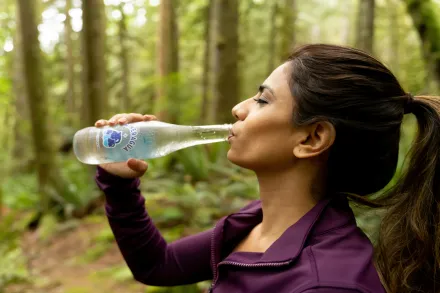
Hydration is an invisible foundation of everyday health, yet it is easy to underestimate how much it powers the body’s quiet, essential operations. Water is not merely a thirst quencher; it functions as a solvent, transport medium, coolant, and participant in countless biochemical reactions. When hydration is optimal, organs work more efficiently, joints move with less friction, skin maintains its barrier function, and cognitive processes—from attention to memory—tend to perform more smoothly. Conversely, even mild dehydration can creep into a person’s daily experience as fatigue, headaches, dry mouth, or reduced exercise tolerance. The purpose of this article is not to chase a single ideal number but to illuminate a practical, flexible approach to hydration that respects body signals, environmental demands, and personal circumstances. By exploring the science behind hydration and translating it into everyday choices, readers can cultivate habits that feel natural rather than punitive, balancing enjoyment with responsibility for long term health and vitality.
Understanding the science of hydration
The human body is composed largely of water, and the distribution of fluids is regulated with remarkable precision by systems that sense balance, or homeostasis. Water moves between compartments through membranes that respond to osmotic pressure, and electrolytes such as sodium, potassium, and chloride help control fluid distribution and nerve and muscle function. This delicate dance becomes especially important during physical activity, heat exposure, illness, or simply as aging shifts the way thirst signals are perceived. When fluids are sufficient, the kidneys can efficiently filter waste, maintain blood pressure, and metabolize nutrients. When intake lags behind losses, cells can shrink slightly, blood volume can decrease, and the brain’s signaling networks may reduce alertness or mood. Even small shifts in hydration status can alter heart rate, perceived exertion, and digestive comfort, underscoring why hydration should be viewed as an ongoing practice rather than a one off event. It is helpful to think of water as a daily partner that supports energy production, temperature regulation, and the integrity of mucous membranes and joints, rather than as a luxury or afterthought.
Within the body, a simple signal system guides fluid balance. When dehydration begins to set in, thirst becomes a prominent cue, and the kidneys reduce urine output while concentrating urine to conserve water. However, thirst is a late indicator in many people, particularly the elderly or individuals engaging in intensive exercise or hot environments. This means that relying solely on thirst can lead to under hydration before there is conscious awareness. Moreover, beverages and foods contribute to hydration, and the body accommodates a wide range of fluid sources, from plain water to soups, milk, fruit, and vegetables with high water content. The brain, gut, and skin all participate in sensing hydration status, and the efficiency of these cues can be influenced by sleep patterns, caffeine intake, alcohol consumption, and overall health. Understanding this science helps frame hydration as a dynamic equilibrium rather than a rigid rule, allowing for responsive choices that fit daily life.
Assessing daily fluid needs
Estimating personal fluid needs is not about chasing a universal magic number; it is about tuning intake to reflect activity, climate, body size, health status, and personal preferences. A practical starting point is to consider baseline needs in typical conditions and then adjust for exercise, heat, humidity, and illness. Body weight provides a rough reference: larger individuals generally require more fluids to replace losses, while smaller individuals may need less. However, this framework must be contextualized with environmental factors. In hot or humid weather, sweat rates rise, increasing fluid losses; in cold climates, the desire to drink may decrease, yet dehydration can still occur through respiration and dry indoor air. Physical activity adds another layer, because muscles generate heat and produce fluid losses through sweat that must be replaced to maintain performance and recovery. Pregnant and breastfeeding people have unique hydration demands, and older adults often experience shifts in thirst perception that require proactive planning. Social and dietary factors also matter, because beverages like tea, coffee, milk, and fortified drinks contribute to total intake while also imparting caffeine or sugar that may influence tolerance and appetite.
One reliable approach is to monitor a few practical indicators rather than chase a single target. A pale, straw-colored urine typically signals adequate hydration, while dark urine may suggest a deficit or concentrated waste products. However, urine color is influenced by medications, vitamins, and recent meals, so it should be used as a general guide rather than a precise measurement. Urine frequency, skin turgor, and perceived energy levels in the day can also offer clues about hydration status, though these cues should be interpreted in the context of activity and overall health. A more systematic method involves establishing a hydration baseline by tracking daily intake for a week and noting how you feel during different activities and at various times of day. This baseline becomes a practical reference point for making adjustments rather than chasing a fixed number that may not fit your physiology or lifestyle. The goal is to keep fluid intake predictable and varied, creating a rhythm that supports your routines while remaining sensitive to how you feel in real time.
Hydration across the day
Healthy hydration unfolds as a steady cadence rather than a single burst at a particular moment. A well designed day often begins with a glass of water upon waking, which can help rehydrate after a night of respiration and reduced intake. It can also be an opportunity to set a tone for the day and support early cognitive function. Spreading fluids across meals and between activities helps maintain comfortable hydration without overwhelming the stomach or triggering a sense of fullness that could dampen appetite. During the morning and afternoon, it is common to drink smaller amounts more frequently, aligning intake with energy dips and work demands. In the late afternoon and evening, a moderate reduction can help minimize nocturnal awakenings caused by late fluid consumption, while still ensuring that thirst is not ignored before bedtime. This pattern encourages a rhythm that makes hydration feel like a natural element of daily life rather than a separate task.
Environmental and lifestyle factors can influence how hydration fits into your day. For instance, people who work in air conditioned or heated spaces often experience dry air that increases fluid losses through respiration and skin. Others may have schedules that produce long stretches without drinking, followed by periods of more intense intake. Recognizing these patterns creates opportunities to smooth out the rhythm by pairing water with consistent anchors such as mealtimes, work breaks, or commuting. In addition to water, foods with high water content, such as fresh fruits, vegetables, soups, and yogurt, can contribute to hydration in a way that also supports micronutrient intake. By weaving hydration into existing routines, it becomes a seamless safeguard for daily function rather than a separate obligation that competes with work and social life.
Choosing beverages
Water remains the cornerstone of hydration because it provides hydration with minimal calories and no added substances. For most people, the majority of daily fluid needs can be met with plain water, yet other beverages can play a supporting role. Tea and coffee, when consumed in moderate amounts, contribute hydration and offer a range of compounds such as polyphenols that may support health. It is important to recognize that caffeine has a mild diuretic effect at higher intakes, but tolerance and habitual consumption can blunt this effect in regular drinkers. Milk can also be a valuable hydrating option, delivering calcium, protein, and other nutrients alongside fluids. Fruit and vegetable infusions, and broths or soups, provide hydration while also supporting mineral and electrolyte balance. For those engaging in endurance activities or hot climates, specially formulated electrolyte beverages can replace salts and minerals that are lost through sweat, aiding performance and recovery. When selecting beverages, readability of labels and awareness of added sugars is helpful to avoid unnecessary energy intake while still meeting hydration goals.
Flavor can be a powerful amplifier for hydration. Infusing water with slices of citrus, cucumber, mint, berries, or herbs can make the act of drinking more appealing without introducing added sugars or excessive calories. Some people discover that warm beverages help with microhydration in cool environments, while others prefer chilled drinks for immediate comfort during hot days. The key is to preserve hydration while aligning choices with personal taste and health objectives. It is also worth noting that beverages that contain alcohol can contribute to hydration in the short term through a modest diuretic effect, but they typically promote net fluid loss and may disrupt sleep and nutrient balance if consumed in excess. Mindful moderation, timing, and pairing with water are strategies that help maintain hydration while enjoying social occasions or relaxation moments.
Practical strategies to build hydration habits
Developing durable hydration habits begins with creating a predictable framework that fits your life rather than forcing abrupt changes. One approach is to designate a consistent bottle or container that you carry with you, making water readily accessible so that reaching for a drink becomes a reflex rather than a decision. Another approach involves tying hydration to existing rituals: sipping a glass before a meal, taking a small drink after finishing a task, or setting a gentle reminder at regular intervals. It is useful to experiment with the pacing of intake to discover what feels most natural, whether that means sipping small amounts throughout the day or consuming slightly larger amounts at fewer intervals. The taste and texture of water can influence how much you drink, so cleaning containers regularly to prevent mineral buildup and maintaining a moderate water temperature can contribute to a more pleasant experience. This practical orientation emphasizes consistency, personalization, and enjoyment, all of which support sustainable hydration behavior over weeks, months, and years.
To foster lasting change, consider integrating hydration goals with broader health aims, such as improving energy, supporting digestion, or maintaining healthy skin. Taking an unhurried approach helps avoid the sense of deprivation that can accompany strict rules. When busy days threaten your rhythm, treat hydration as a non negotiable baseline rather than a luxury, just as you would with sleep or nutrient intake. Tracking progress in a simple manner, such as recording daily intake in a diary or a digital log, enables you to notice patterns and adjust. It is not about perfection but about awareness and adaptation. Small adjustments, made consistently, can yield meaningful benefits in mood, cognitive performance, exercise capacity, and stamina. The experience of drinking water becomes a positive cue that reinforces well being rather than an obligation that is difficult to meet.
Hydration for exercise and heat
During physical activity, fluid needs rise to compensate for sweat losses and to preserve blood volume, cardiac output, and temperature control. The exact amount of fluid required varies with exercise intensity, duration, clothing, humidity, and acclimatization. A practical stance is to begin well hydrated before starting exercise, introduce a steady intake during activity, and continue with prompt rehydration after completion. For shorter, low intensity activities, water may suffice, whereas longer workouts or endurance events often benefit from beverages containing electrolytes to replenish sodium, potassium, and other minerals lost through sweat. Learning to listen to the body during exertion, recognizing signs such as dizziness, muscle cramps, or excessive fatigue, helps tailor hydration in real time. It is important to avoid heavy hyponatremia by not overdrinking pure water during intense exercise; in some cases a lightly salted beverage or electrolyte solution can be more effective for preserving balance until full recovery is achieved. Balancing hydration with fueling strategies, such as a light snack that provides energy and minerals, supports sustained performance and reduces the risk of gastrointestinal discomfort that can accompany large fluid intakes during activity.
Safety considerations are also important during heat exposure. In high heat, the body loses more water and electrolytes through sweat. Adapting hydration to the environment means increasing intake gradually, choosing beverages that restore both fluids and minerals, and paying attention to signs of heat stress or dehydration that may appear more quickly in hot conditions. This approach helps maintain performance, reduces the likelihood of heat-related illnesses, and supports recovery after exertion. Athletes and physically active individuals often benefit from establishing a pre hydration routine, a hydration plan during practice or competition, and an aftercare strategy that prioritizes restoring fluid and electrolyte balance, supporting muscle function and cognitive clarity for the next challenge.
Hydration across life stages
Hydration needs shift across the lifespan, reflecting changes in body composition, kidney function, and activity level. In children, hydration supports growth, attention, and learning; convenient access to water and age appropriate education about thirst cues can help establish healthy patterns early. Adolescents facing active sports, exams, and social commitments may experience fluctuating intake, making routine reminders and palatable options essential. Adults often manage hydration around work, family, and exercise, where predictable habits and a focus on quality fluids help sustain energy and digestion. In older adults, thirst signals may diminish or become less reliable, and kidneys can become less efficient at concentrating urine. These changes highlight the importance of proactive hydration planning, such as scheduled drinking, fortified beverages if appetite is compromised, and attention to conditions that could worsen dehydration, including fever, diarrhea, or certain medications. Pregnancy and lactation raise fluid needs to support fetal development and milk production, while illnesses that involve fever, vomiting, or diarrhea increase a person’s risk of dehydration and call for careful rehydration with electrolyte balance in mind. Across all life stages, hydration remains a dynamic, context dependent practice rather than a fixed rule, and listening to body signals while responding to changing circumstances fosters resilience and well being.
When illness or metabolic conditions arise, hydration decisions should be tailored to individual guidance from healthcare providers. For example, certain medical conditions might require adjusted electrolyte intake or restricted fluids, while some medications can influence hydration status through diuretic effects or changes in appetite. In such cases, hydration becomes an element of medical management, integrated with nutrition, physical activity, and sleep. The overarching theme is that hydration is not a one size fits all prescription but a personalized strategy that respects body signals, clinical circumstances, and daily life rhythms. By understanding how hydration shifts across stages and situations, individuals can implement informed habits that protect health, support function, and enhance the quality of life over time.
Hydration myths and common misconceptions
Several myths about hydration circulate widely, and dispelling them can help people make wiser choices. One common belief is that you should drink eight glasses of water a day regardless of context; the reality is that needs vary widely and are best guided by body signals, activity level, and environmental conditions. Another misconception is that all beverages count equally toward hydration; while many drinks contribute fluids, some come with added sugars, caffeine, or alcohol that can influence appetite, sleep, or blood sugar in ways that require moderation or timing. Some people assume that cold water quenches thirst more effectively than room temperature water, yet personal preference and tolerance often determine what is most likely to be consumed consistently. A further idea is that hydration is primarily a concern for athletes or people who experience heat; in truth, hydration supports every aspect of health, including digestion, skin integrity, and cognitive function, across age groups and activity levels. By challenging myths with attention to how the body responds and how daily habits unfold, readers can adopt a more flexible, science grounded approach to hydration that aligns with real life demands and values.
Additional misconceptions involve the role of beverages like coffee or tea, which many people fear will dehydrate excessively. Emerging evidence indicates that regular consumption can contribute to hydration almost as effectively as plain water for many individuals, especially when intake is spread throughout the day. This does not mean that caffeine devoid beverages are universally neutral; sensitive people or those consuming very large quantities may still experience diuretic effects, sleep disruption, or jitteriness. As with other liquids, the total pattern over hours and days matters more than singular moments, and it is reasonable to enjoy caffeinated drinks while maintaining a primary focus on hydration through water and balanced fluids. By staying curious and evaluating personal responses rather than clinging to rigid rules, hydration habits can evolve into a flexible, enjoyable aspect of health.
Hydration quality and safety
Quality and safety considerations for hydration extend beyond simply drinking water. Access to clean, safe drinking water is a foundational public health concern, and in daily life it is wise to choose sources that you trust. If tap water quality is uncertain, using a certified filtration system or choosing bottled water from a reputable source can protect against contaminants while supporting a consistent hydration routine. Safe storage is also important; containers should be cleaned regularly and kept sealed to prevent contamination or the growth of microorganisms. There is a valid preference among many people for stainless steel or BPA free plastics that are easy to clean and carry, helping to maintain fluid intake without introducing unwanted chemicals or flavors. For those who rely on packaged beverages, reading ingredient lists to avoid excessive added sugars, artificial colors, or high sodium content can help keep hydration healthier and more aligned with overall dietary goals. Alongside water, the inclusion of nutrient rich liquids such as milk or diluted fruit juices can provide minerals, vitamins, and hydration in a satisfying format when used thoughtfully.
In addition to choosing safe fluids, it is beneficial to maintain a sensory check on hydration practices. Pay attention to how your mouth feels, whether the tongue carries mucous without excessive dryness, and whether thirst cues are rising during the day. A healthy hydration pattern supports the mucosal surfaces in the mouth and throat, which can influence comfort and infection resistance, particularly during seasonal illness. Eye level accessibility to water and a consistent routine for modern life reduces the probability of skipping hydration during busy periods. If you find yourself frequently reaching for beverages high in added sugars or artificial flavors, consider gradually substituting with plain water or naturally flavored options and reserve the higher sugar choices for designated occasions. The goal is to sustain a balanced fluid intake that respects both safety and personal pleasure, which together produce a sustainable hydration lifestyle rather than a temporary adjustment.
Tracking progress and adjustments
Monitoring hydration progress is less about achieving a perfect score and more about observing trends and making informed adjustments. A practical method is to observe your daily routine and note how you feel at various points in the day. When energy lags, mood shifts, or attention wanes, it can be a signal to review hydration. Conversely, large, frequent urination with low energy could indicate over hydration or an imbalanced electrolyte state that warrants a review of beverage choices and timing. A straightforward practice is to keep a simple log that records approximate fluid intake, the type of beverage, and how you feel in terms of energy, clarity, and physical comfort. Over time, this record can reveal patterns such as times of day when you tend to drink less and when you are more consistent. Adjustments can then be made by creating new anchors, expanding the availability of appealing low calorie options, or planning for hydration during periods of high activity or heat. The aim is to build a feedback loop where your experiences guide your decisions, fostering a hydration habit that responds intelligently to the changing demands of life.
Additionally, attention to sleep quality can inform hydration decisions. Poor hydration can contribute to dry mouth and disrupted sleep, while inadequate rest can alter thirst perception and appetite for fluids. Aligning hydration with sleep rhythms—such as reducing fluid intake closer to bedtime if it disrupts sleep—can improve rest and daytime function. When introducing changes, it is helpful to implement them gradually and observe tolerance over several days. This patient approach reduces the likelihood of overwhelming the system and increases the odds that new behaviors become part of a durable lifestyle. Regular check ins with healthcare providers can also help, particularly for people with kidney concerns, heart conditions, or those taking medications that influence fluid balance. In such cases, individualized hydration plans ensure safety and effectiveness while empowering people to take control of their health trajectory.
Hydration and overall wellness
Hydration intersects with many dimensions of well being, from digestion to skin health, from cognitive performance to mood stability. Adequate fluids support the lining of the digestive tract, aid in nutrient transport, and help protect mucosal barriers against irritants. Hydration also influences skin turgor and elasticity, contributing to a healthy appearance and comfort, while also supporting the protective outer layers against environmental exposure. In cognitive domains, hydration can affect attention, memory, reaction time, and executive function, with dehydration tending to blunt performance in tasks that require sustained focus. The relationship with mood is nuanced; even modest hydration deficits can subtly alter irritability and perceived energy. Sleep and hydration weave a loop as well, since dehydration can disturb sleep and poor sleep can impact thirst cues and fluid management the next day. Nutrition intertwines with hydration because fluids accompany meals and influence digestion, appetite, and satiety. A thoughtful hydration approach harmonizes with physical activity, dietary choices, mood, and rest, creating a virtuous cycle that enhances resilience and daily functioning. Embracing hydration as part of a broader wellness plan makes it easier to sustain it over the long run as part of self care rather than a restrictive obligation.