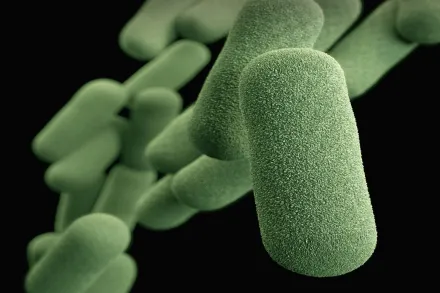
In the modern landscape of health and wellness, the gut microbiome stands out as a complex and influential community that quietly governs many aspects of how we digest food, absorb nutrients, manage energy, and respond to stress. The trillions of microorganisms that inhabit the digestive tract form an intricate network that interacts with our own cells, shaping the environment inside the intestines and communicating with distant organs through a cascade of metabolic byproducts. The idea of healthy gut bacteria is not a single species or a swipe of a probiotic pill, but a balanced and diverse ecosystem that can adapt to daily routines, dietary choices, and physical activity. This ecosystem thrives on variety, sustained nourishment from the foods we eat, and habits that support a stable intestinal habitat. When the balance shifts, discomfort, irregular digestion, or changes in immune function can appear, underscoring the meaningful connection between what we put into our bodies and what we harbor inside.
Understanding the gut microbiome
The gut microbiome is not a uniform mass but a dynamic constellation of bacteria, fungi, and other microorganisms that live in harmony with our gut lining and immune system. The bacteria involved perform a multitude of tasks that extend beyond simple digestion. They break down complex carbohydrates that would otherwise pass through the small intestine undigested, producing short chain fatty acids that supply energy to colon cells, regulate inflammation, and help maintain a healthy barrier function in the gut. They also influence the production of vitamins, aid in detoxification processes, and communicate with immune cells to refine responses to pathogens. The balance among different microbial groups matters; a diverse community tends to be more robust, capable of withstanding occasional dietary disruptions, and better equipped to respond to environmental stresses. The microbiome is shaped by early life experiences, but it remains surprisingly flexible across the lifespan, offering opportunities to support its health through thoughtful daily choices.
One key idea is diversity. A community with many different species tends to perform a wider range of tasks and can adapt when a particular nutrient becomes scarce or a new dietary pattern begins. Diversity is not about chasing a long list of exotic foods, but about intentionally including a wide spectrum of plant-based fibers, grains, legumes, and fermented foods that feed multiple microbial niches. The microbiome also responds to the rhythm of daily life. Sleep patterns, physical activity, stress levels, and hydration influence the environment within the gut, affecting how bacteria grow and how they interact with one another. When these factors align in a supportive way, the gut becomes a more resilient organ that helps sustain healthy digestion and immune function even in the face of occasional dietary deviations or stressors.
Another important aspect is the functional cooperation among microbial residents. Certain species specialize in breaking down fibers that others cannot utilize, producing byproducts that feed different communities in a cooperative chain. This cooperation expands the capacity of the gut to harvest energy from a variety of foods and to generate signals that reach beyond the digestive tract, potentially supporting mental clarity and mood regulation as well. In this sense, healthy gut bacteria are not simply about keeping a list of friendly bacteria; they are about maintaining a thriving, interlinked system that communicates with the body and responds to lifestyle choices in a meaningful way.
Dietary patterns that support a diverse microbiome
Dietary patterns play a central role in shaping the gut microbiome. A nutrient-dense diet rich in plant-based foods provides a broad spectrum of fibers, polyphenols, and minerals that feed a wide array of microbial residents. The fiber found in vegetables, fruits, whole grains, legumes, and nuts serves as fuel for many gut bacteria. As these microbes ferment the fibers, they release short chain fatty acids that support the lining of the colon, help regulate inflammation, and contribute to overall metabolic health. A diet that emphasizes plant diversity tends to produce a richer assortment of microbial nutrients, which in turn supports a more balanced microbial ecosystem. The goal is not simply to increase fiber or calories but to broaden the types of fibers and plant foods consumed so that multiple microbial pathways are engaged and nourished over time.
Beyond fiber, a variety of plant compounds known as polyphenols contribute to gut health. Polyphenols are abundant in berries, apples, leafy greens, tea, coffee, herbs, and spices. Although only a portion of these compounds is absorbed in the small intestine, the remaining polyphenols travel to the colon where they interact with bacteria, promoting beneficial shifts in microbial composition and activity. These interactions can modulate oxidation, inflammation, and metabolic signaling in ways that support a balanced microbiome. It is important to approach polyphenols as part of a whole dietary pattern rather than chasing isolated superfoods, since the synergy among foods often enhances their collective impact on gut health.
Another essential aspect of a gut-friendly diet is variety. Repeatedly consuming the same meals with the same fiber profile can bias the microbial community toward a narrower set of species that excel at metabolizing that particular pattern. Introducing different grains such as barley, quinoa, oats, and millet, along with a range of legumes and colorful vegetables, broadens the nutritional landscape the microbiome encounters. The aim is to deliver a cornucopia of substrates that feed diverse microbial niches, which in turn supports stability and resilience in the gut ecosystem when confronted with occasional dietary changes or life stressors. In practice, this can look like mixing different colors of vegetables each day, rotating whole grains, experimenting with legumes in various forms, and savoring a range of fruits that bring both fiber and natural sweetness to meals.
It is also important to consider the pace at which fiber is introduced. A sudden surge of high-fiber foods can overwhelm the gut and lead to discomfort such as gas and bloating. Gentle, steady increases, paired with adequate hydration, give the microbiome time to adapt and reconfigure itself to a more fiber-rich environment. This adaptation helps minimize negative symptoms and allows the microbial community to shift gradually toward a more diverse and balanced state. Pairing fiber with fluids helps keep stool soft and supports smooth transit, which in turn helps the gut microbiome maintain its favored habitat.
Prebiotics and probiotics in daily life
Prebiotics are dietary fibers and nondigestible carbohydrates that serve as nourishment for gut bacteria. By supplying these substrates, you encourage the growth and activity of beneficial microbes, particularly those that contribute to the production of short chain fatty acids and the maintenance of mucosal health. Foods rich in prebiotics include certain types of fibers such as inulin, fructooligosaccharides, resistant starch, and a spectrum of raffinose-containing vegetables. The real-world implication is to incorporate a variety of fiber-containing foods that deliver these substrates in natural forms rather than relying solely on isolated supplements. A diet that naturally provides a range of prebiotic fibers supports a more robust and diverse microbial ecosystem without the need for specialized products in most cases.
Probiotics, which are live microorganisms that may offer health benefits when consumed in adequate amounts, are another tool in the gut health toolkit. Probiotic products often revolve around specific strains of Lactobacillus and Bifidobacterium, among others, and can be found in fermented foods as well as dietary supplements. It is essential to recognize that the effects of probiotics are strain-specific and not universal. Some people experience improvements in digestion, a reduction in gas, or better stool consistency with certain strains, while others may notice minimal changes. The gut microbiome of each individual is unique, so the response to a probiotic can vary widely. In practice, including fermented foods alongside a fiber-rich diet can supply a combination of live microbes and prebiotic substrates that work together to support gut health. It is also wise to consult with a healthcare professional if there are underlying health conditions, immune concerns, or if someone is considering probiotics in the context of pregnancy, infancy, or chronic illness.
Fermented foods offer a natural source of live microbes along with a range of bioactive compounds formed during fermentation. Regularly consuming yogurt, kefir, sauerkraut, kimchi, miso, tempeh, and other fermented staples can contribute to microbial diversity and function. Even if the probiotic content varies, these foods often provide synergy through accompanying nutrients like fiber, proteins, and amino acids. For many people, fermented foods become a flavorful and satisfying part of daily meals, turning gut health into an enjoyable habit rather than a chore. The key is moderation and variety, as relying on a single fermented food repeatedly can limit the breadth of microbial exposure. A diversified approach with different fermentation styles and cultures can broaden the microbial palette and support resilience in the gut ecosystem.
Fermented foods and their role
Fermentation is a natural process that transforms foods and creates beneficial microbes that can contribute to the gut’s microbial pool. Beyond yielding distinctive flavors and textures, fermentation can increase the bioavailability of nutrients and create organic acids that support digestion. When you include fermented products as part of a balanced diet, you provide live microbes that may help maintain gut barrier integrity and modulate local inflammation. The exact impact of any single product depends on the strains present, the amount consumed, and the overall dietary context. As part of tasting menus in daily life, fermentation can introduce a broader spectrum of microbial candidates for the gut to encounter, supporting a healthier and more adaptable microbiome. The delight and variety of fermented foods also help sustain long-term adherence to a fiber-rich, plant-forward dietary pattern that underpins gut health.
It is important to approach fermentation with an eye toward safety and quality. Choose products that are naturally fermented, minimally processed, and stored in appropriate conditions to preserve live microbes. For those with food sensitivities or certain health conditions, gradual introduction of new fermented foods allows the gut to acclimate and reduces the risk of uncomfortable symptoms such as bloating. In a well-balanced routine, fermented foods complement fiber-rich meals, and together they contribute to a more resilient intestinal environment where beneficial microbial populations can flourish over time.
The impact of sugar, artificial sweeteners, and processed foods
Dietary patterns that are high in added sugars, refined carbohydrates, and ultra-processed foods can disrupt the delicate balance of gut bacteria. A diet heavy in simple sugars and low in fiber can favor microbial communities that metabolize sugar more efficiently but may produce more inflammatory byproducts or reduce the diversity of species that thrive on complex plant fibers. Processed foods often lack the array of fibers and micronutrients that support a diverse microbiome and may contain additives that influence gut physiology in ways that are not always favorable. While occasional indulgences are a natural part of life, habitual consumption of highly processed items can lead to a narrower microbial ecosystem, reduced production of beneficial metabolites, and a higher likelihood of digestive discomfort or metabolic disruption for some people.
Artificial sweeteners have drawn attention for potential effects on gut bacteria, sometimes altering microbial composition in ways that researchers are still unraveling. The exact outcomes can vary depending on the type of sweetener, the dose, and the surrounding diet. While not universally harmful, these substances may influence microbial balance in ways that could indirectly affect glucose tolerance or inflammatory signals for certain individuals. The practical takeaway is to favor whole, minimally processed foods most of the time, enjoy treats mindfully when they arise, and monitor how your body responds to changes in sugar and sweeteners. A focus on plant-based, fiber-rich meals tends to support a healthier microbiome while naturally reducing reliance on highly processed options.
Hydration and lifestyle factors
Hydration plays a meaningful role in digestive health and in supporting the environment in which gut bacteria thrive. Adequate fluid intake helps maintain a well-lubricated digestive tract, aids in the movement of waste, and can influence stool consistency and transit time. A well-functioning gut system creates a stable habitat that can sustain diverse microbial communities. Beyond water, other beverages such as herbal infusions and unsweetened tea can contribute to hydration while offering polyphenols and other plant compounds that may indirectly benefit microbial balance. The broader lifestyle context matters as well. Regular physical activity has been associated with positive shifts in microbial diversity and function, potentially through mechanisms that involve improved intestinal transit, reduced systemic inflammation, and personalized metabolic signaling. Sleep quality and stress management influence the gut-brain axis, altering hormonal and neural signals that can ripple through intestinal motility, immune function, and microbial activity. Building a daily rhythm that prioritizes sleep, physical movement, and stress reduction creates a hospitable internal landscape for gut bacteria to flourish.
In practical terms, this means aiming for consistent hydration as part of daily meals, choosing water or unsweetened beverages most of the time, and pairing movement with meals where feasible to encourage healthy digestion. Establishing a steady sleep schedule and incorporating stress-reduction practices such as mindful breathing, gentle stretching, or restorative activities support the intricate communication networks that link the brain to the gut and its resident microbes. When the body is rested and the mind is calm, the gut environment tends to become more favorable for a broad range of microbial species to maintain a dynamic but stable presence within the digestive tract.
Antibiotics and medications
The use of antibiotics is a powerful reminder of how external interventions can dramatically influence the gut microbiome. Antibiotics can reduce microbial diversity by eliminating susceptible bacteria, sometimes allowing resistant strains to dominate temporarily. The recovery period after a course of antibiotics is highly individual and can range from weeks to months, depending on factors such as diet, baseline diversity, and overall health. In some cases, clinicians may consider carefully timed probiotic or prebiotic strategies to support recovery, though the evidence for universal recommendations is nuanced and strain-specific. Immunocompromised individuals or people with certain medical conditions require cautious consideration and professional guidance before introducing live microbes after antibiotic exposure. The overarching message is that antibiotics are necessary tools in medicine but have a collateral impact on gut ecology, so attention to diet, hydration, and gradual reintroduction of a varied microbial-rich diet can help support restoration of balance after treatment.
Other medications can also influence gut bacteria or digestion, including acid-suppressing drugs, nonsteroidal anti-inflammatory drugs, and certain antidiabetic medications. The consequences are often subtle and vary widely among individuals. If you notice persistent changes in bowel habits, discomfort, or new sensitivities after starting or stopping a medication, it is important to discuss with a healthcare professional who can help you navigate whether adjustments to therapy or supportive dietary strategies might be beneficial. The gut microbiome is responsive to pharmacologic influences, but with mindful management and a focus on nourishing foods, it is possible to support recovery and maintain a healthy microbial landscape over time.
Personalization and when to seek guidance
Every person harbors a unique microbial signature shaped by genetics, early life exposures, and ongoing lifestyle choices. Because of this individuality, there is no one-size-fits-all plan for gut health that works identically for everyone. Some people respond to higher fiber intake with improved digestion and a more diverse microbiome, while others may experience temporary bloating or discomfort as their gut adapts. The process of personalization involves attentive listening to the body, adjusting fiber types and amounts gradually, and observing how dietary changes affect digestion, energy, and mood. Consulting with a registered dietitian, clinician, or gastroenterology specialist can be valuable when there are persistent digestive issues, autoimmune concerns, or a need to tailor dietary changes to specific health goals or medications. For those exploring gut health as part of general wellness, the approach is to introduce a broad spectrum of plant foods, maintain hydration, include fermented elements, and monitor the body’s response over several weeks. This patient and consistent stance often yields meaningful improvements without the need for extreme or restrictive strategies.
Putting it all into a daily routine
In daily life, a gut-friendly routine centers on consistency, variety, and balance. Begin by embracing a wide array of vegetables and fruits that supply different fibers and micronutrients, and replace a portion of refined grains with whole grains such as oats, barley, brown rice, or quinoa to enrich the fiber landscape. Add legumes and pulses regularly, which contribute fermentable fibers that support beneficial bacteria. Pair these plant-based staples with modest portions of high-quality protein to sustain metabolic health and provide amino acids essential for tissue repair and immune function. Include a handful of nuts or seeds for additional fiber and healthy fats while bringing a crunchy texture that makes meals satisfying. Incorporating a few servings of yogurt, kefir, or a variety of fermented vegetables can introduce live microbes and accompanying nutrients that synergize with dietary fiber. Hydration should accompany each meal to aid digestion and transit, and the day’s rhythm should honor restful sleep, deliberate movement, and periods of quiet reflection to reduce systemic stress that can ripple into gut function. The result is an integrated lifestyle pattern where every element—from food choices to rest—occupies a place in a broader tapestry of gut health that extends beyond the stomach to influence energy, mood, and overall well-being.
As you weave this pattern into daily life, focus on small, sustainable changes rather than dramatic overhauls. For instance, you might experiment with a new fiber source each week, gradually increasing intake by a few grams per day to allow the gut to adjust. You can also introduce a new fermented food every couple of weeks to broaden microbial exposure in a controlled way. By listening to your body, enjoying variety, and maintaining regular meals and hydration, you create conditions that invite a diverse microbial community to thrive. This approach does not require perfection but does reward consistency with a gut that feels balanced, more energetic, and better prepared to handle the natural fluctuations of life without becoming overwhelmed by them.
Common myths about gut bacteria
Myth one is that a single “superfood” can rapidly transform gut health into a flawless state. In reality, gut health arises from patterns and balance across many foods and habits, not from a lone miracle item. Myth two is the assumption that probiotics alone will fix digestion or immune issues. While specific strains can help in certain contexts, the broader gut ecosystem is complex, and benefits depend on the fit between the strains, the host, and the dietary backdrop. Myth three suggests that all gut bacteria are the same across people, implying that what works for one person will work for all others. In truth, individual microbiomes are shaped by genetics, early experiences, and lifelong choices, so personalization matters. Myth four implies that digestion occurs in isolation from the rest of the body. In fact, the gut microbiome communicates with distant systems, including the immune system and the nervous system, and that network can influence mood, energy, and inflammation levels. Discarding these myths helps anchor expectations in a more nuanced understanding of how microbiomes operate and how dietary and lifestyle choices influence them in real life.
Myth five may claim that gut health is only about avoiding illness. Gut health is about supporting an active, responsive ecosystem that can contribute to thriving digestion, energy balance, and immune resilience. This broader perspective reframes gut health as a dynamic partnership between a diverse microbial community and the body, one that responds to nourishment, movement, rest, and stress management. By reframing the topic in this way, it becomes easier to implement practical steps that feel integrated rather than extreme, allowing a sustainable path toward a healthier gut microbiome tailored to the realities of everyday life. In embracing these ideas, you rely on a continuous, patient process that honors individual variation and the evolving nature of the microbiome while creating a foundation for long-term digestive vitality and well-being.