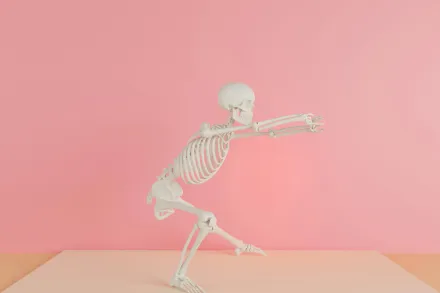
Human bones form a living, responsive framework that gives shape to the body, anchors muscles, protects vital organs, and stores essential minerals for the body's needs. Strengthening this framework is not a single event but a continuous practice that begins early in life and evolves as the body changes. The bones respond to the pressures they face, adapting their density and structure as a way to maintain integrity under ordinary daily demands. This article explores practical, evidence-informed approaches to building and preserving bone strength through everyday choices, mindful movement, and informed dietary habits. It aims to offer clear guidance that can fit into a busy life while emphasizing sustainable changes rather than quick fixes. By understanding how bones grow, adapt, and remodel, individuals can approach bone health with a sense of agency and calm, avoiding fear and embracing a balanced, proactive approach.
Bone health is not a fixed state but a dynamic process. Each day the skeleton undergoes remodeling, a coordinated dance between cells that break down old bone and cells that lay down new bone. When this balance tilts too far toward breakdown, bone density can decline, increasing the risk of fractures. Conversely, when remodeling favors formation and mineralization, bones become stronger and more resistant to everyday stresses. Factors such as hormones, nutrients, physical activity, sleep, and stress all influence this remodeling cycle. Recognizing this complexity helps in designing routines that are sustainable and noninvasive, avoiding excessive fear about aging while encouraging steady progress over time. A holistic view that combines diet, movement, sun exposure, sleep, and healthy lifestyle choices tends to yield the most reliable benefits for bone strength.
At the core of bone health is the simple principle that bones respond to the loads placed upon them. When you lift a weight, climb stairs, or push against your own body during activities that require balance and coordination, the skeleton senses the demand and responds by growing stronger in the relevant regions. This adaptive response is most efficient when it occurs consistently over weeks, months, and years rather than through sporadic bursts. Regular, varied movements that include resistance, impact, and balance help create bones that are denser and more robust. Importantly, the body does not need to be forced into extreme exertion to benefit; even moderate, consistent activity tailored to one’s abilities can yield meaningful improvements over time. This approach reduces the risk of injury and helps cultivate confidence in one’s capacity to maintain bone health in daily life.
Good bone health begins with a foundation of adequate nutrients, with calcium often in the spotlight but only part of the picture. Calcium provides the mineral that builds the bone matrix, yet without other nutrients, the calcium cannot be effectively incorporated into bone tissue. Vitamin D plays a crucial role by enabling calcium absorption in the gut, while magnesium helps regulate bone formation and mineralization. Vitamin K supports the proteins involved in binding calcium to the bone matrix, and protein supplies the amino acids necessary for bone-building cells to function properly. Additionally, minerals such as zinc and trace elements contribute to bone turnover and structural integrity. The overall pattern is one of synergy: a balanced intake of multiple nutrients supports a healthier remodeling process and contributes to a more resilient skeleton across life stages. This interconnected system explains why focusing on a single nutrient, while ignoring others, is unlikely to yield durable gains in bone strength.
Dietary choices set the stage for bone health, and smart eating patterns can be easier to sustain than temporary supplements. Emphasizing whole, minimally processed foods helps ensure a broad spectrum of nutrients that work together to support bone remodeling. Dairy products, fortified alternatives, leafy greens, legumes, whole grains, nuts, seeds, and fatty fish can provide calcium, vitamin D, magnesium, and other essential nutrients. For people who avoid dairy, plant-based sources can offer valuable nutrients when consumed thoughtfully and with attention to bioavailability. Pairing calcium-rich foods with sources of vitamin D from sunlight or fortified foods can enhance absorption, while equally important is keeping sodium intake moderate and limiting excessive caffeine or alcohol, which can influence calcium balance. A mindful, varied diet reduces the risk of gaps and supports long-term bone health without relying on supplements alone. If considering supplements, it is wise to consult a healthcare professional to determine personal needs and to avoid excessive intake that could have unintended consequences.
Sunlight is a natural ally in bone health because exposure to ultraviolet light stimulates the skin to produce vitamin D, a critical regulator of calcium and phosphate metabolism. In many regions, achieving sufficient vitamin D requires a combination of modest sun exposure, dietary sources, and, when appropriate, supplementation. The goal is not to chase high doses of vitamin D but to maintain a steady, adequate level that supports calcium utilization. Practical strategies include spending time outdoors during safe sun hours, especially in seasons with milder weather, and pairing outdoor activity with other routines that encourage movement. Those with limited sun exposure, darker skin tones, or certain health conditions may benefit from a clinician-guided plan that assesses vitamin D status and outlines a safe supplementation approach. Balancing sun exposure with skin health is important, and personalized guidance can help minimize risks while maximizing bone benefits.
Regular physical activity stands as one of the most reliable ways to strengthen bones across life. Weight-bearing exercises, where the skeleton supports the body against gravity, elicit beneficial remodeling responses. Activities such as walking, stair climbing, or hiking provide practical, low-cost options accessible to many people. Adding resistance training using free weights, machines, or bodyweight exercises like squats, lunges, and push-ups targets major bone-rich areas like the hips, spine, and wrists. This combination of impact and resistance loading creates mechanical stress that signals bone-forming cells to increase density and improve structural quality. For older adults or those with mobility limitations, guided programs that emphasize safety, gradual progression, and proper technique can deliver meaningful improvements without risking injury. The everyday pattern of gradually increasing challenge, rather than abrupt overexertion, tends to be the most sustainable path to stronger bones.
Incorporating balance and coordination work further contributes to bone health by reducing the likelihood of falls, a common source of fractures in older adults. Practices such as tai chi, gentle yoga, or simple balance drills can enhance stability, proprioception, and reaction time. The synergy between balance training and resistance work addresses not only bone density but also the risk factors that lead to fractures. As with other forms of exercise, consistency is key. A well-rounded routine that blends cardiovascular activity with strength and balance work can be tailored to personal preferences and medical considerations, helping people maintain a capacity for movement that supports bone integrity over many years.
Beyond activity and nutrition, lifestyle choices play a meaningful role in bone health. Adequate sleep supports hormonal balance, tissue repair, and metabolic processes that contribute to bone remodeling. Chronic sleep deprivation and excessive stress can disrupt hormonal rhythms that influence bone turnover, potentially undermining efforts to build or maintain density. Creating a sleep-friendly environment, establishing a regular rest schedule, and managing stress through mindfulness or relaxation techniques can complement dietary and exercise strategies. Additionally, smoking and excessive alcohol consumption have well-documented negative effects on bone health, including impaired calcium absorption and reduced bone formation. Avoiding or moderating these factors can significantly enhance the effectiveness of other bone-strengthening practices, creating a healthier baseline for lifelong skeletal resilience.
Hydration is another subtle yet important factor. Adequate fluid intake supports cellular processes and helps transport nutrients to bone tissue. While water itself does not directly build bone, a well-hydrated body functions more efficiently, which in turn supports the performance of muscles and connective tissues that interact with bone. Paying attention to thirst cues, consuming water consistently throughout the day, and adjusting intake based on activity level, climate, and health status can contribute to a smoother, more sustainable routine for bone health. A comprehensive approach recognizes that hydration, nutrition, physical activity, and rest work together in maintaining the integrity of the skeletal system in the long term.
Understanding how bones adapt through life
The bones of a growing child and adolescent respond rapidly to nutrition and physical activity, laying down a robust foundation for decades to come. During late adolescence, peak bone mass is achievable, meaning the skeleton reaches its highest density and strength. After this peak, the remodeling cycle continues, but the balance can tilt toward gradual loss if lifestyle habits do not support bone maintenance. In adults, the emphasis often shifts to preserving existing density and quality rather than chasing dramatic increases. In older adults, however, maintaining bone strength remains crucial to preventing fractures and maintaining independence. Across all ages, the principle remains the same: consistent, balanced practices built on reliable information tend to yield the best results over time. The narrative of bone health is a long one, with benefits accruing through steady adherence to evidence-informed habits rather than dramatic but short-lived efforts.
In practical terms, this means integrating bone-friendly choices into daily life in a way that feels natural and sustainable. Building routines around meals, workouts, and rest makes bone health a companion rather than a burden. For children and teens, the focus is on enjoying active play while ensuring adequate nutrition for growth. For adults, it is about maintaining healthy bones while balancing other life responsibilities. For seniors, it is about preserving mobility and resilience through gentle but persistent activity, safe nutrition, and thoughtful medical oversight if needed. The overarching message is that bone health is a lifelong journey, not a destination that one reaches and forgets about. This perspective encourages patience, consistency, and a willingness to adjust as the body changes.
When planning a practical routine, consider the diversity of bone-loading experiences. Resistance training can be moderate in intensity yet highly effective if performed with consistency and proper technique. Weight-bearing cardio, such as brisk walking or light jogging, provides a familiar way to challenge bones without requiring a gym. Flexibility and balance work complement strength training by supporting the joints and connective tissues that connect bone to muscle. The aim is to craft a varied portfolio of activities that address speed, power, endurance, and stability, thereby building a skeletal system capable of withstanding the demands of daily life and unexpected challenges alike. Personal preferences should guide the choice of activities, because enjoyment increases adherence and long-term outcomes more reliably than forced routines.
Dietary patterns that support bone health should emphasize whole foods over processed options while recognizing individual dietary choices. Emphasizing a mix of calcium-rich foods such as dairy or fortified alternatives, leafy greens, and legumes helps ensure steady mineral availability. Pairing calcium sources with vitamin D-rich foods or sensible sun exposure supports absorption, while magnesium from whole grains, nuts, and seeds helps regulate bone formation and mineralization. Vitamin K from leafy vegetables plays a role in activating proteins that bind calcium in the bone matrix, adding another layer of protection and strength. Including fatty fish or fortified products provides omega-3 fatty acids that contribute to overall health, which in turn supports a favorable environment for bone remodeling. A diverse, nutrient-dense diet reduces the risk of nutrient gaps that could blunt the bone-building process and supports general well-being as well.
Maintenance of bone health also benefits from a mindful approach to caffeine and salt intake. While small amounts of caffeine may be compatible with a healthy lifestyle for many people, high consumption can influence calcium balance when intake is paired with inadequate dietary calcium. Similarly, high sodium intake can increase calcium excretion in urine. A balanced approach that respects individual tolerance and dietary patterns helps minimize potential negative effects while still allowing for enjoyment of beverages and foods that are culturally or personally meaningful. Small, sustainable adjustments—such as choosing lower-sodium options, spreading calcium-rich meals across the day, and ensuring adequate hydration—can contribute to a more resilient skeletal system without creating a sense of deprivation or deprivation in daily life.
In the medical realm, bone health is often assessed through measurements that estimate bone density and fracture risk. Beyond measurement, clinicians consider factors such as family history, prior fractures, medications, and comorbid conditions when advising on prevention strategies or treatment. It is important to recognize that bone health is not solely a skeletal concern; it intersects with metabolic, endocrine, and nutritional systems. A comprehensive approach may include screening at appropriate ages or risk levels, especially for individuals with a history of fractures or chronic conditions affecting bone turnover. When clinicians identify specific risks, they may propose interventions that combine lifestyle modifications with medical therapies designed to optimize bone density and reduce fracture risk. This integrated approach acknowledges that bone health is multifaceted and benefits from collaborative care when necessary.
Common questions about strengthening bones
Many people wonder how quickly bone changes occur and whether visible improvements can be seen in a matter of weeks. In reality, bone remodeling is a gradual process that unfolds over months and years. Early signs of progress may show up as improved balance, increased confidence in movement, and better tolerance for physical activity. Measurable gains in density tend to appear over longer periods, often requiring consistency across multiple seasons of life. Patience and realism help individuals maintain motivation, especially when results seem modest at first. A steady course, with attention to technique, safety, and enjoyment, often yields the most meaningful outcomes, not only for bone strength but for overall health and vitality as well. By reframing expectations in this way, people can stay engaged with bone-smart habits that deliver benefits that extend beyond the skeletal system itself.
Another frequent question concerns supplements. While vitamin D and calcium supplements can be helpful for some people, they are not a substitute for a healthy, varied diet and regular physical activity. Supplements should be considered as part of a personalized plan developed with a healthcare professional, taking into account current blood levels, dietary patterns, medications, and health status. Over-reliance on supplements can lead to unnecessary risks or interactions, so a thoughtful, supervised approach is best. The goal is to support natural bone processes with nutrient delivery in a way that respects the body’s complex balance and avoids extremes. In most cases, getting nutrients from foods first, with targeted supplementation when indicated, supports a sustainable path to stronger bones while maintaining overall wellness.
For individuals with specific health conditions, such as autoimmune diseases, gastrointestinal disorders, or medications that influence bone turnover, tailored strategies are especially important. In these contexts, simple steps can be adjusted to accommodate dietary restrictions, tolerance levels, and medical goals. Working with providers who understand bone biology ensures that recommendations are aligned with personal circumstances rather than applying generic advice. The result is a more precise and effective pathway to bone health that fits within the broader health plan and respects the uniqueness of each individual’s medical landscape.
Finally, the idea that bone health is only relevant to the elderly is a common misconception. In reality, bones benefit from protective habits throughout life. Encouraging children and teenagers to engage in active play, learn safe movement techniques, and eat nutritiously helps lay the groundwork for robust bones in adulthood. Adults benefit from maintaining a steady routine that includes strength and balance work, while seniors can preserve mobility and independence by adapting activities to current abilities. Embracing bone-friendly practices across life stages creates a cumulative advantage that reduces fracture risk and contributes to a higher quality of life. This continuity underscores the value of making bone health a shared priority within families, communities, and healthcare systems.
In summary, building stronger bones is a composite effort that integrates movement, nutrition, sun exposure, rest, and mindful lifestyle choices. It is not about dramatic changes but about consistent, thoughtful adjustments that fit into daily life. By recognizing the body’s natural remodeling process and aligning activities with personal capabilities, individuals can create a robust skeletal framework with lasting benefits. The journey toward stronger bones is both practical and empowering, offering a clear path that respects biology while honoring everyday realities. With patience, persistence, and a supportive environment, the goal of enduring bone health becomes an achievable and meaningful part of a well-rounded approach to aging gracefully and living actively.
Putting it all together: a long-term, sustainable approach
To translate these ideas into daily life, consider weaving bone-friendly choices into routines that already exist rather than creating a separate, burdensome schedule. A morning routine that includes a glass of calcium-rich beverage, a short walk, and a few minutes of gentle resistance work can establish a foundation for the day. Lunch and dinner provide opportunities to incorporate leafy greens, protein sources, healthy fats, and vitamin D together with mindful portion sizes. Evening routines that support recovery, such as light stretching and optimal sleep preparation, reinforce the body’s ability to repair and strengthen. In practice, small, repeatable actions create a powerful trajectory over months and years, building a resilient skeletal system that supports active living, independence, and well-being across life’s transitions. The key is consistency, safety, and a willingness to adjust as circumstances evolve, all while maintaining a positive, proactive outlook toward bone health.