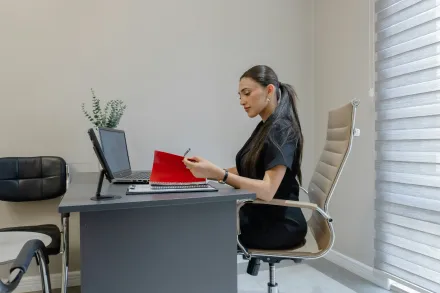
In modern offices many hours are spent seated at a desk, staring at screens, and moving mainly at the speed of a keyboard. This quiet, persistent stillness can accumulate into stiffness, reduced circulation, and fatigue that sneaks into both the body and the mind. Yet minutes of purposeful movement scattered through the workday can counteract these effects, improving posture, buoying energy, and sharpening concentration. The goal of the exercises described here is not a dramatic workout but a steady, practical routine that fits into a typical workday, respects crowds of colleagues, and costs nothing more than a few spare minutes. By adopting a mindset that values micro-breaks as essential parts of productivity, office workers can transform a routine day into a sequence of small healthier habits that add up over weeks and months.
Before beginning any new movement routine, it is wise to take a quick inventory of your workspace and your body. A comfortable chair with good lumbar support, a monitor at eye level, and a keyboard and mouse positioned to keep the wrists straight during use set the stage for safe, effective practice. The practices described below emphasize gentle, controlled motions rather than rapid or strenuous actions. The emphasis is on awareness and control: tune into the breath, listen to the body's messages, and adjust the intensity to match how you feel that day. If anything causes pain, stop performing that motion and consult a professional if necessary. A minute or two of quiet preparation, including a slow breath or two, often makes the following movements easier and more effective.
In order to get the most from these exercises, approach them with a consistent rhythm rather than rushing through a long list. The body responds best to regularity and predictable pacing. As you move through the routines, you can increase the duration gradually, extend the range of motion slightly, or repeat sections more times if your schedule allows. The aim is to cultivate a habit that remains accessible even on the busiest days. Over time, the cumulative effect of small, mindful actions can translate into noticeable improvements in comfort, posture, and even mood.
Why short, regular movement matters at work
Health research consistently shows that long periods of uninterrupted sitting increase the risks of metabolic changes, reduced circulation, and stiffness in the neck, shoulders, and hips. Short, regular movement breaks help reset muscle tone, restore proprioceptive awareness, and promote better oxygenation of the brain. By interspersing these micro-sessions with focused work, you can sustain cognitive sharpness while protecting the body from cumulative strain. The key is to alternate periods of concentration with gentle motion that awakens the muscles involved in posture, breathing, and circulation. This approach respects a practical work environment while delivering meaningful physiological rewards that accumulate with repeated practice.
In addition to physical benefits, frequent movement fosters mental clarity. When stress or fatigue begins to creep in, a well-timed stretch or rotation can interrupt the pattern, reset the nervous system, and offer a moment of reset. As these exercises become routine, you may notice that your shoulders release tension, your jaw softens, and your mind regains a sense of calm focus. The cumulative effect is a workday that feels more manageable, more balanced, and more accessible for sustained attention and thoughtful problem solving.
Finally, these routines are designed to be inclusive. They accommodate a range of body types, mobility levels, and office constraints. You can perform many of the movements seated, standing by the desk, or in a small open space. The only requirement is a willingness to guide your attention to the body, to coordinate breath with movement, and to respect personal limits. If you have a medical condition or recent injury, consider discussing the plan with a healthcare professional before starting, and adapt the exercises to your comfort level as needed.
Preparing your workspace and mindset
Begin with a quick readiness check that takes less than a minute but lays a foundation for safe movement. Sit tall with feet flat on the floor and knees aligned under the hips. Let the shoulders rest down away from the ears, and gently draw the chin back toward the spine to align the head over the torso. The eyes should rest on the screen at a height that does not require tilting the neck excessively. If the screen is too low or too high, consider a simple adjustment like a monitor stand or a stack of books to achieve a neutral neck position. Magical benefits do not come from dramatic changes; they arise from consistent, small improvements applied day after day. When you begin a movement sequence, start with a slow, breathing reset. Inhale through the nose to expand the torso, and exhale softly through the mouth to release tension. This breathing pattern not only calms the nervous system but also primes the body for controlled motion that follows.
As you introduce movement, maintain an attitude of curiosity rather than judgment. If a gesture feels unfamiliar or slightly uncomfortable, you can reduce the range, slow the tempo, or pause to take a restorative breath before continuing. While performing the movements, maintain the sense that you are inviting more space in the body rather than forcing it to change. This mindset helps prevent overexertion and makes the movements feel accessible rather than punitive. The combination of proper alignment, mindful breathing, and gradual progression creates a sustainable habit that you can carry into a busy day with minimal disruption and maximal reward.
Another practical step involves planning a simple routine that suits your schedule. If you can, set an audible reminder every hour or two to prompt a short break dedicated to movement. It is not only about adding time; it is about reclaiming time for the body and the breath. Keep a small space free on your desk or in the room for these sessions, so you avoid the friction of moving around furniture or searching for space. With consistency, the routine becomes second nature, and the mind begins to anticipate the soon-to-come stretch as a normal part of the work rhythm rather than an interruption. The combination of a prepared space, a calm breathing start, and a gentle, progressive approach makes desk exercise a friendly habit rather than a chore.
Neck and shoulder mobility routines
Begin with easy neck mobility to release habitual tension that can accumulate from long periods of looking at a screen. Turn the head slowly to one side, guiding the chin toward the shoulder with a light touch of the opposite hand on the temple for sensory feedback if needed, then return to center. Repeat on the other side, taking care to keep the shoulders relaxed and the jaw soft. From there, tilt the head forward slightly to stretch the back of the neck, hold briefly, and then return upright with a composed breath. Gentle neck rotations, moving with the breath, can further ease stiffness and promote a more balanced sense of alignment through the upper spine. For the shoulders, perform slow shoulder rolls by drawing the shoulders upward toward the ears, then sweeping them back and down in a smooth arc, allowing the chest to open slightly as you move. This movement readies the shoulder girdle for more dynamic actions and helps counteract the daily posture that encourages rounding forward.
Next, incorporate scapular retractions by sitting tall, drawing the shoulder blades toward each other as if pinching a small object between them, and then releasing with the exhale. This motion strengthens the mid back and improves posture without requiring any equipment or leaving the chair. If possible, pair these shoulder movements with a gentle upper back stretch by clasping the hands behind the back and lifting slightly, keeping the chest open and the neck aligned. Throughout the routine, breathe steadily, avoiding any holding of breath. With consistent practice, these simple motions can reduce stiffness, alleviate headaches associated with neck strain, and improve overall comfort during long hours at the desk.
Finally, add a light dynamic stretch for the upper back by crossing the arms in front of the chest, giving a gentle squeeze and a small twist from side to side while maintaining a comfortable spine. This sequence invites increased mobility in the thoracic spine, which is especially important for people who spend a lot of time in front of a monitor and in a forward head posture. Remember that the objective is ease, not intensity, and to respect any limits your body imposes. Regular repetition of these neck and shoulder movements can produce noticeable improvements in daily comfort, reduce fatigue, and contribute to a more relaxed and alert posture across the workday.
Arm, wrist, and hand stretches to ease typing strain
The hands and wrists bear a large portion of daily work, especially for those who type, click, and swipe for many hours. Start with gentle wrist flexor and extensor stretches. Extend one arm forward with the palm facing down, then use the other hand to gently press the fingers toward the forearm until you feel a mild stretch along the underside of the forearm. Hold briefly and then switch to the opposite hand. For the extensor stretch, flip the hand so the palm faces upward and gently pull the fingers back with the other hand, feeling a stretch along the top of the forearm. These two positions counteract the tightness that can accumulate from keyboard use and can be performed easily while seated at the desk.
Another important component is grip and finger work. Squeeze a soft ball, or even a rolled-up towel, for a count of several breaths, then release slowly to promote circulation and relieve fatigue in the hands. You can also practice finger stretches by fanning the fingers wide, then bending them together into a loose fist and repeating the motion to mobilize the small joints across the hand. In addition, pausing briefly to rotate the wrists in small circles in both directions helps to restore motion that can become restricted after repetitive tasks. Throughout these movements, keep the shoulders relaxed and avoid tensing the neck. The goal is a balanced, pain-free range of motion that supports comfortable daily work while reducing the likelihood of overuse injuries over time.
For added mindfulness, you can couple these hand and wrist movements with slow breathing, exhaling as you extend a stretch and inhaling as you release. This pairing creates a gentle rhythm that makes the practice feel soothing rather than mechanical. If you use a computer mouse frequently, consider position adjustments to minimize radical wrist deviation and incorporate a small wrist rest or soft padding if available. The objective is to cultivate a flexible, resilient hand and wrist system that supports sustained performance and prevents fatigue from repetitive tasks. By integrating these stretches into the day, you may notice improved dexterity, greater comfort during typing, and a decreased sense of stiffness when you return to work after breaks.
Upper back and chest openness exercises
To counter posture that tends to slump forward during long hours, practice a gentle chest-opening sequence that emphasizes expansion through the upper rib cage. Sit or stand tall and place the palms against the chest or just behind the shoulders to guide the arms into a gentle retraction. Draw the elbows back and together as you widen the chest, maintaining a lengthened neck and a relaxed jaw. If you have space, you can perform a supported doorway stretch by placing the forearms on a door frame and stepping forward slowly, feeling the stretch across the front of the chest and the interior of the shoulders. This movement carries your posture into a more open alignment and helps reduce the sensation of tightness that often accompanies extended desk work.
Close the stretch with a small pressure release, breathing slowly, and gently returning to a neutral position. For a complementary awakening of the upper back, try a seated or standing twist by crossing one arm over the opposite knee or chair back, and rotating the torso with a controlled breath. The aim is to create a mild, restorative stretch in the thoracic region while keeping the movement smooth and comfortable. These exercises support better breathing, reduce shoulder tension, and encourage a posture that promotes more effortless alignment through the spine as you work. Consistency matters more than intensity; even brief sessions can accumulate meaningful benefits over time.
In addition to posture improvements, these movements can help with focus and energy. When the chest is open and the upper back is mobile, breathing becomes more efficient, which in turn supports clearer thinking and steadier concentration. A simple habit of pairing a chest-opening movement with a deep, slow breath can become one of the most calming and empowering practices in a busy office day. Over weeks, you may notice a reduced sense of fatigue at mid-afternoon, a smoother transition between tasks, and a greater willingness to take on challenging work with a steady, even mental temperature.
Lower back and hip mobility you can do at your desk
The lower back and hip joints often bear the brunt of prolonged sitting. To address this, begin with a seated cat-cow motion if space allows. On an inhale, arch the back gently and lift the chest, imagining the spine lengthening as you expand the ribcage. On the exhale, draw the belly in and round the spine softly, letting the head and pelvis follow the motion. Keep the movement small and controlled, avoiding any discomfort in the back. This gentle spinal mobility helps lubricate the joints, improve circulation, and relieve stiffness that can accumulate in the lumbar region after hours of sitting.
Another practical approach is a seated twist. Place one hand on the opposite knee and the other on the chair back, and rotate gently toward the twist, keeping the spine long and the hips stable. Hold briefly on the exhale, then return to center and repeat on the other side. This motion evokes a soft spinal rotation and promotes mobility in the thoracolumbar region. If the chair height allows, you can perform a pelvic tilt by rocking the hips slightly forward and backward while maintaining an upright spine. These micro-movements support the natural curves of the spine, encourage spinal alignment, and help prevent the stiffness that often accompanies long days at a desk. For a deeper hip mobilization, you may perform a seated figure-four stretch by crossing one ankle over the opposite knee and gently pressing the bent knee away from the trunk, feeling a stretch through the hip and gluteal region. Always proceed gradually and stop if you experience any pain. The goal is comfort, not force, and consistency over time will yield meaningful improvements in hip openness and lower back comfort.
Legs and feet energizers without leaving the chair
Even without standing, you can invite movement into the legs with a few simple actions. Begin with ankle circles, moving the foot from the ankle with slow, deliberate rotations in both directions, and keeping the leg relaxed while you do so. Then switch to gentle toe taps that lift and lower the toes without creating undue tension in the calf or ankle. If you have a chair with a footrest, you can use it to create a small range of motion that helps promote circulation and prevent swelling at the end of a long day. Leg extensions while seated—aimed at the quadriceps—can be performed by straightening one leg at a time and holding for a moment before lowering. This movement strengthens the front of the thigh and supports overall leg circulation while keeping contact with the chair and floor.
Another easy option is a seated march: lift one knee toward the chest, then lower it and switch to the other leg, maintaining a light, rhythmic cadence. This exercise stimulates blood flow through the legs, reduces stiffness, and provides a mental break from typing. If space allows, you can combine light standing marches with a quick stretch, alternating between gentle hamstring and calf stretches as you stand and sit. These strategies keep the lower body active without requiring a gym or a large open area, making them ideal for compact offices and tight schedules. The emphasis remains on gentle, controlled movements that protect the joints while encouraging circulation and energy throughout the workday.
As you work these legs and feet routines into your daily pattern, pay attention to footwear and footwear comfort. Supportive shoes or comfortable socks can complement the movement you perform, improving how your weight is distributed across the feet and reducing fatigue after hours of standing or walking in a brief pause. Small shifts in footwear and foot position can contribute meaningfully to your overall sense of ease while you work. The overall aim is to preserve mobility and vitality in the lower body, which, in turn, supports a more balanced posture and less fatigue in the upper body as you return to tasks at the desk.
Breathing and mindful breaks to reset focus
Breathing is a powerful ally in desk-based routines because it directly influences both physical tension and mental clarity. Start with a calm, deliberate inhale through the nose, allowing the abdomen to rise, followed by a slow exhale through pursed lips or the nose, depending on your preference. This controlled breathing pattern reinforces a physiological relaxation response, reduces sympathetic arousal, and improves the efficiency of oxygen delivery to the brain and muscles. When you pair this breathing with movement, it creates a cohesive signal to the nervous system that movement is safe and beneficial, prompting greater ease in the joints and a brighter mental state.
To deepen the effect, practice a brief mindful break that combines attention with gentle motion. Inhale to a count of four, hold for a moment, and exhale to a count of six or eight, releasing tension from the shoulders, jaw, and neck as you do so. While breathing, you can perform small neck and shoulder releases, as described earlier, to complement the breath and enhance the sense of calm. This combination fosters resilience to daily stress, increases focus, and provides a reliable mechanism to reset during demanding tasks. The benefits accumulate over time as you create a dependable rhythm of movement and breath that supports productivity and well-being in equal measure.
In addition, transitions between tasks can be paired with micro-breath training. For instance, after finishing a paragraph of writing or editing, take a moment to take three slow breaths, aligning the inhale with a gentle expansion of the chest, and the exhale with a soft release of tension. This practice can become a natural pattern that reduces cognitive load, helps clear the mind, and invites a fresh perspective as you resume work. The combination of breath and movement is simple to implement, requires no equipment, and offers a reliable path to maintain energy and focus through a typical workday.
Integrated micro-movements for sustained posture
The idea behind micro-movements is to weave small, non-disruptive adjustments into your routine so that the body remains continually engaged rather than becoming rigid. Start with a tiny shift in your pelvis by tilting it forward slightly and then back, always maintaining the spine in a neutral alignment. This small pelvic motion can help reduce low back stiffness and improve the sense of support from the core muscles. Combine this with an occasional seated chest lift—imagine lifting the sternum just enough to widen the ribcage while maintaining an elongated neck. These sub-threshold actions help keep the postural muscles semi-active, supporting the spine and reducing fatigue from prolonged sitting.
Another practical micro-movement involves eye and head alignment. Periodically roll the eyes horizontally to relax the ocular muscles and give the neck a brief, gentle release. When you are ready, practice a tiny shift in the lower ribcage toward each side, which fosters a balanced breath and can reduce the tendency to lean into one side of the torso as you work on different tasks. These micro-movements are not about dramatic change but about maintaining a dynamic, responsive body that resists becoming rigid or numb. The cumulative effect over days and weeks is improved comfort, steadier posture, and a more sustainable rhythm of work that supports both physical well-being and cognitive performance.
For those who want to go a step further, you can introduce a set of very light, chair-friendly mobility patterns that involve gentle rotation through the hips while seated, a noticeably smoother transfer of weight between the sit bones, and a slow, controlled upright stretch that brings the spine into extension without forcing the back beyond comfort. The key is to avoid forcing movement or pressing into pain, choosing instead to embrace accessible ranges of motion that can be repeated frequently. By pairing these micro-movements with brief breathing breaks, you reinforce the habit of ongoing awareness and vitality, turning the desk into a living workspace rather than a passive surface for long hours of sitting.
Designing a practical desk exercise routine for a busy day
To make desk exercises a reliable part of your routine, design a small, repeatable sequence that you can perform in a few minutes and at regular intervals. Start with a brief arrival ritual that includes alignment checks, a couple of breaths, and a fast neck and shoulder release. Then move into a short mobility circuit that targets the neck, shoulders, wrists, chest, back, hips, and legs, as described above, with each movement lasting a few seconds or a quick breath cycle. Finally, close the cycle with a breathing reset and a moment of stillness to settle attention and energy before returning to work. The exact content of the routine can be adapted to how your body feels on any given day, ensuring that it remains accessible rather than daunting. The important part is consistency and integration into the normal flow of workarounds and break times.
A practical approach is to schedule a micro-break every fifty minutes or so, replacing a portion of screen time with a focused three to five minute routine. On heavier days, you may shorten or lengthen the sequence to fit the available window, but the habit of pausing, moving, and breathing should remain constant. You can use passive reminders like a phone alert or a simple desk card that lists the core motions, but the content should be so straightforward that you can perform it without looking away from your screen for more than a few seconds at a time. The objective is to ensure movement becomes a seamless part of your workflow rather than an afterthought or a disruption, so you can preserve stamina, clarity, and comfort across the entire workday.
As you apply this routine, consider keeping a simple personal log for a couple of weeks. Note how you feel before and after the sessions, and observe any shifts in pain, stiffness, or energy levels. This record helps you calibrate intensity and duration to your needs and provides tangible motivation as you notice improvements. The simple practice of recording experiences reinforces accountability and makes it easier to maintain momentum when the day becomes demanding. With time, these desk-based moves become a natural extension of your workflow, enabling you to perform at your best even in a crowded, high-pressure environment.
When to avoid certain moves and safety tips
Most desk exercises are safe for the average healthy adult, but there are important caveats. If you experience acute pain, a recent injury, or a medical condition that affects balance, circulation, or mobility, adjust the movements accordingly and consult a healthcare professional to tailor a safe routine. Avoid any movement that causes sharp pain or dizziness, and discontinue the exercise if that occurs. If you have a neck or spine condition, keep movements within a comfortable, gentle range and prioritize alignment and breathing over depth. For individuals with recent surgeries, especially in the shoulder, back, or hip, seek professional guidance before engaging in a routine that involves twists or heavy mobility work. It is prudent to progress gradually from lower intensity motions to more expressive movements as your body adapts, ensuring that the routine remains sustainable and injury-free. Hydration and comfortable clothing can also influence how freely you move; staying hydrated helps with joint lubrication, while loose but supportive attire reduces hindrances to movement. The overarching safety principle is simple: respect your body's signals, move with control, and adjust to your own needs rather than chasing a universal standard of flexibility or speed.
In addition to physical safety, consider ergonomic safety in your workspace as part of your movement plan. Ensure your chair supports the lower back, that your feet rest flat on the ground or on a footrest, and that the keyboard and monitor stay in a neutral position to minimize strain. If you start a new movement sequence and notice tingling, numbness, or increased discomfort in the extremities, slow down and reassess your alignment. It is perfectly acceptable to reduce the range of motion, shorten the duration, or pause entirely in order to protect yourself while gaining the benefits of movement over time. The goal is to cultivate a routine that feels restorative and empowering, not risky or painful. If in doubt, seek professional guidance and adjust accordingly to your body’s responses and limitations.
Bringing these habits into your daily work culture
Transforming an individual routine into a shared practice invites collaboration and support that can amplify results. If you work in a team or with colleagues in the same space, consider suggesting a brief group break that begins with a few stretches together or a synchronized breathing exercise. The social aspect of taking regular breaks can create a positive feedback loop, normalizing movement as a common practice rather than an isolated habit. When possible, demonstrate the movements in a simple, unobtrusive way and invite others to participate at their own pace. By cultivating a culture that values healthful micro-breaks, you can help reduce the stigma of stepping away from the desk for a few minutes and encourage a more humane, productive, and creative workplace climate.
Another practical step is to embed reminders in your calendar or project planning tools. A recurring alert that invites a short routine can transform a vague intention into a concrete action. Consider pairing movement with other healthy habits, such as a hydrating ritual or a mental check-in. Small, well-timed prompts help sustain momentum and prevent the routine from slipping during busy periods. Additionally, keep resources accessible: a single-page guide with the core movements, a short video, or a quick reference card can empower teammates to adopt the practice with minimal friction. Over time, what begins as an individual habit can become a shared standard, gradually changing the tone of the workspace toward one that respects movement, focus, and well-being as integral components of professional performance.
In closing, the desk exercises outlined here are designed to be simple, scalable, and adaptable to diverse work environments. They require no special equipment, can be performed in short bursts, and are compatible with the rhythms of a busy workday. The underlying idea is to recognize that your body deserves attention and care during work, and that a series of small, deliberate movements can yield meaningful improvements in posture, energy, and mood. By embracing this approach, office workers can protect their health, sustain productivity, and experience a more comfortable, focused, and resilient day-to-day life at the desk.