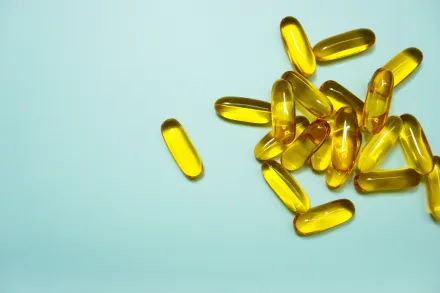
Vitamin C, known chemically as ascorbic acid, occupies a central place in human nutrition due to its unique combination of metabolic functions, antioxidant capacity, and involvement in maintaining the integrity of physical barriers that guard the body. This nutrient is water soluble, required in the daily diet, and cannot be synthesized by humans because the enzyme that would normally convert glucose into ascorbate is nonfunctional in our species. As a result, regular intake from fruits, vegetables, or fortified foods becomes essential for health. Beyond simply preventing outright deficiency, vitamin C participates in a range of processes that influence the immune system and the body’s ability to respond to infections, inflammation, and cellular stress, making it a subject of sustained interest in both clinical guidance and public health messaging.
At the core of vitamin C’s relevance to immunity is its function as a cofactor for a family of enzymes that modify other molecules through hydroxylation reactions. This action supports collagen synthesis, which is critical for the integrity of skin and mucous membranes that form a first line of defense against invading organisms. When tissues and barriers are strong, the entry point for pathogens is less easily established, which in turn helps limit the initiation of infection. The vitamin also participates in the regeneration of the antioxidant vitamin E after it has neutralized free radicals, thereby sustaining the antioxidant network that protects immune cells from oxidative damage during inflammatory responses. The chemical properties that enable vitamin C to donate electrons contribute to its role as a redox buffer, lessening oxidative stress that can otherwise hamper immune signaling and cell function. These features collectively tie vitamin C to the structural and functional resilience of tissues as well as to the intracellular environment in which immune cells operate, especially under stress or during illness.
The role of vitamin C extends into the realm of innate immunity, where neutrophils and macrophages rely on a robust supply of this vitamin for optimal performance. Neutrophils, as frontline responders, use vitamin C to bolster chemotaxis, phagocytosis, and the intracellular killing of engulfed microbes. As these white blood cells migrate toward sites of infection, adequate levels of vitamin C help sustain their function even when reactive oxygen species are produced in abundance during respiratory bursts. In addition to supporting phagocytic activity, vitamin C also influences the function of lymphocytes, including their proliferation and the production of signaling molecules such as cytokines that coordinate the later stages of the immune response. In this way, vitamin C acts not only as a shield against cellular injury but also as a facilitator of the communication networks that guide adaptive immunity and help tailor responses to specific pathogens.
Beyond direct interactions with immune cells, vitamin C’s involvement in the defense against respiratory infections has been the focus of extensive investigation. Historically, researchers examined whether supplementation could prevent the common cold, a ubiquitous viral illness. Across many trials, the findings show that routine vitamin C does not reliably prevent colds in the general population, yet it can affect certain outcomes. For individuals under heavy physical stress or in extreme environmental conditions, regular supplementation has sometimes reduced the incidence or shortened the duration of symptoms. When an infection is already underway, vitamin C intake has been associated with shorter symptom durations in some groups, a finding that supports its role as a supportive adjunct rather than a stand-alone preventive measure. The nuanced picture that emerges underscores the importance of context, including baseline vitamin C status, the presence of comorbidities, and the intensity of physical or environmental stressors that influence immune demand.
The clinical landscape surrounding vitamin C encompasses both observational studies and randomized trials, with pooled analyses clarifying overall effects while acknowledging heterogeneity. Some investigations focus on modest daily doses that align with recommended dietary allowances rather than high-dose regimens. Others explore higher intakes that approach or exceed traditional upper safety limits under carefully controlled conditions. While high-dose vitamin C, particularly when administered intravenously in clinical settings, has been investigated for severe infections or sepsis, the evidence supporting routine high-dose supplementation for the general population remains limited. This body of work emphasizes a prudent approach: vitamin C can support immune defense and recovery, but it is not a panacea, and its benefits depend on individual context, timing relative to illness, and overall nutritional status. When communicating with patients or the public, clinicians often emphasize the balance between achieving sufficient intake for barrier function and avoiding unnecessary excessive dosing, which can carry risks without clear additional benefit.
Understanding how the body handles vitamin C helps explain why intake recommendations and potential benefits can differ across populations. The intestinal absorption of ascorbate occurs predominantly via sodium-dependent vitamin C transporters, known as SVCT1 and SVCT2, which actively shuttle the vitamin into cells. Absorption is saturable, meaning that as intake rises, the fraction absorbed decreases, and excess amounts are excreted by the kidneys. Consequently, consuming very large doses does not yield a proportional increase in tissue vitamin C levels, and it can contribute to gastrointestinal discomfort or osmotic effects in some individuals. Distribution of vitamin C to tissues occurs through the bloodstream, with higher concentrations found in the adrenal glands, pituitary gland, eyes, brain, and leukocytes. Myriad tissues rely on adequate levels to maintain function, particularly during stress or infection when demands escalate. This pharmacokinetic picture supports practical dietary guidance that emphasizes consistent, moderate intake rather than sporadic, high-dose bingeing.
Deficiency of vitamin C, though relatively uncommon in developed populations, remains clinically significant when it occurs, presenting with symptoms such as gum bleeding, skin changes, easy bruising, fatigue, and weakened wound healing. Skeletal health can also be affected through impaired collagen turnover, leading to joint discomfort and fragility of connective tissues. Certain groups are at risk for insufficient intake, including individuals with restricted diets, those who smoke, people with limited access to fresh produce, and patients with malabsorption syndromes. The health consequences extend beyond visible signs; suboptimal vitamin C status may compromise neutrophil function and transiently reduce antioxidant reserves, which can translate into greater susceptibility to infections or slower recovery. Recognizing at-risk groups allows for targeted dietary strategies that reinforce immune resilience without leaning on pharmacologic substitutes.
Food sources of vitamin C are diverse and include citrus fruits, berries, peppers, leafy greens, broccoli, kiwifruit, and tomatoes, among others. The stability of vitamin C in foods is influenced by storage conditions, heat, and light exposure; cooking methods that shorten exposure to oxygen and heat can help preserve content, although some processing inevitably diminishes levels. For individuals who rely on fortified foods or supplements, choices should consider a reliable product that provides a predictable dose and aligns with daily needs. The body’s requirement for vitamin C is modulated by age, sex, and life stage, with higher needs observed in populations such as smokers, who experience increased oxidative stress, and during pregnancy and lactation, when tissue synthesis and metabolic turnover intensify.
From a practical standpoint, daily dietary guidelines typically emphasize achieving a baseline intake that meets the recommended dietary allowances for adults while recognizing that individual requirements may vary. For many adults, a modest daily target achieved through a varied diet, containing a mix of fruits and vegetables, supports not only immune function but cardiovascular and metabolic health as well. When considering supplementation, it is important to weigh the potential benefits against the risk of adverse effects, particularly for individuals with kidney disease, a history of kidney stones, or iron metabolism disorders where high supplemental doses could exacerbate complications. The goal is to ensure adequate but not excessive circulating vitamin C, with an emphasis on dietary patterns that sustain long-term health and resilience.
In the broader landscape of nutrient interactions, vitamin C does not act in isolation but interacts with other antioxidants and micronutrients to support immune health. It participates in regenerating oxidized vitamin E, helping to maintain lipid membranes during oxidative stress. It also enhances non-heme iron absorption, which can influence energy metabolism and immune cell function, especially in populations with higher iron needs or marginal iron status. The synergy with iron must be balanced carefully, as excessive iron can participate in pro-oxidant reactions, whereas insufficient iron can impair immune competence. Vitamin C thus sits within a network of nutrients that collectively support cellular defenses, tissue integrity, and systemic resilience.
In terms of population guidance, smokers, older adults, athletes, and individuals with restricted diets are often advised to pay particular attention to vitamin C intake. Smokers experience higher oxidative stress, which can increase the turnover of ascorbate and create greater demand for replenishment. Older adults may face diminished absorption efficiency or dietary variability, underscoring the value of age-appropriate dietary planning. Athletes and people exposed to harsh environmental conditions may benefit from sustained, moderate supplementation to counteract transient increases in oxidative load and inflammation associated with intense training. For pregnant individuals, vitamin C supports placental health and fetal development through its role in collagen formation and tissue maintenance, while ensuring that intake remains within safe bounds.
Practical considerations for incorporating vitamin C into daily life include choosing a diverse diet that emphasizes fresh produce, optimizing preparation methods to maintain nutrient integrity, and using high-quality supplements when dietary sources are insufficient or impractical. For those who rely on fortified foods, it is important to monitor total daily intake to avoid surpassing tolerable upper intake levels, which could increase the risk of adverse effects such as gastrointestinal discomfort or kidney stone formation in susceptible individuals. Education about reading labels, understanding serving sizes, and recognizing the signs of adequate status can empower individuals to maintain immune-supportive nutrition in a sustainable manner, without resorting to excessive dosing or unnecessary medicalization of a nutrient best obtained through everyday foods.
Looking ahead, ongoing research continues to define the boundaries of vitamin C’s contributions to immune health, aging, and disease contexts. Scientists are examining how baseline status affects responsiveness to supplementation, what thresholds exist for meaningful clinical benefits during infections, and how vitamin C interacts with other interventions such as physical training, vaccinations, and lifestyle changes. Investigations into intravenous administration in critical illness are exploring whether higher tissue concentrations achieved through this route can modulate inflammatory pathways, organ function, and recovery trajectories. The evolving evidence base will help refine recommendations for different populations, balancing accessibility, safety, and potential advantages in immune support.
The practical takeaway for individuals seeking to optimize immune support through vitamin C lies in adopting a balanced approach that treats this nutrient as one component of a broader strategy. A nutrient-dense diet rich in fruits and vegetables provides not only vitamin C but a spectrum of phytonutrients, fiber, and minerals that collectively promote homeostasis and resilience. When dietary intake falls short due to personal preference, geographic limitations, or medical considerations, judicious supplementation under professional guidance can fill gaps without encouraging indiscriminate high-dose use. Safety remains a central consideration, as does the recognition that vitamin C is most effective as a facilitator of immune function rather than a stand-alone preventive or therapeutic agent.
Ultimately, the role of vitamin C in immune support is multifaceted and context dependent. It contributes to the structural integrity of barriers that limit pathogen entry, supports the function and signaling of various immune cell types, and participates in redox processes that protect tissues during inflammation. While science continues to refine precise dosages and identify populations most likely to benefit under specific circumstances, the core message remains consistent: ensuring adequate intake through food first, with thoughtful supplementation when indicated, can help maintain robust immune defenses and support a resilient health profile across the lifespan.