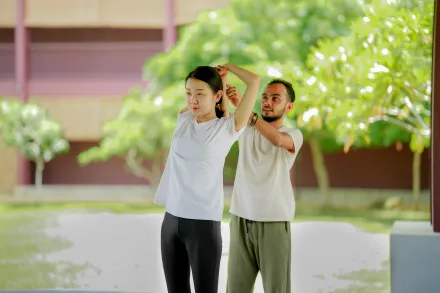
Tai Chi is more than a sequence of graceful movements performed slowly and with careful focus. It stands at the intersection of art, science, and daily living, embodying a philosophy that harmony between body and mind can influence physical function in practical ways. For centuries practitioners have observed that the practice fosters steadiness on the feet, a calm interior state, and a gradual improvement in the ease with which the body carries itself through space. In modern times researchers have begun to describe and quantify the mechanisms behind these observations, revealing that Tai Chi can influence balance by improving sensory processing, neuromuscular control, and the distribution of forces through the joints. The practice uses continual micro-adjustments to posture, weighting, and foot alignment, training the nervous system to anticipate and respond to shifting demands in real time. This integration of intention, breath, and movement creates an experiential platform for balance that extends beyond the studio or the garden where the movements are learned, offering a pathway to steadier gait, reduced fall risk, and a greater sense of physical resilience in daily life.
Throughout its long history Tai Chi developed as a synthesis of martial technique, meditation, and health cultivation. Its forms are not mere patterns but dynamic patterns of attention. The body becomes a living instrument that learns to move through space with compactness, efficiency, and poised readiness. An essential aspect of Tai Chi is the cultivation of a sense of rootedness, a concept sometimes described as a stable center or a soft, expansive spine that allows the limbs to move without creating instability. This sense of rootedness is not a rigid rigidity but a flexible steadiness that permits small shifts in weight, controlled turns of the torso, and precise alignment at the ankle, knee, and hip joints. As practitioners repetitively practice, the nervous system begins to recognize safe, efficient alignments and to respond to internal cues such as breathing rhythm and subtle muscle activation. Over time these patterns become more automatic, enabling smoother transitions between postures and greater tolerance for perturbations, whether from stepping onto uneven ground or from a sudden directional change in daily activity.
In its most widely practiced form Tai Chi emphasizes three concurrent strands: posture, breath, and intention. The posture emphasizes alignment from head to toe in a way that supports the natural curvature of the spine while creating a stable base. The breath is coordinated with movement so that inhalation often accompanies expansion and exhalation accompanies release, creating a rhythm that calms the nervous system and fosters sustained attention. The intention, sometimes expressed as a quiet, focused mindset or as awareness of the present moment, acts as a bridge between physical action and mental state. This triad—posture, breath, and intention—gives the body a map for balancing efforts with ease, reducing abrupt muscular co-contractions, and promoting a coordinated distribution of force across the joints. Practitioners report that this integrated approach can reduce the feeling of effort required to stand, walk, or perform stairs, which in turn supports continued activity and participation in daily life.
Many forms of Tai Chi emphasize slow, continuous motion that is deliberately executed with attention to the path of movement and the way weight shifts from one leg to the other. The slow cadence provides a built-in feedback mechanism: practitioners can observe how their weight moves and where a slight tremor or wobble appears, then adjust with a small, controlled correction. This kind of mindful repetition trains the sensory systems responsible for balance, including proprioception—the sense of where our body parts are in space—and the integration of this information with vision and vestibular inputs. The ongoing practice gradually reduces the latency of postural responses, meaning that the body can respond more rapidly and accurately to small disturbances. Over months and years, this translates to a more confident gait, fewer trips caused by minor misalignments, and an increased capacity to perform everyday tasks that require steady balance, such as reaching for an object on a high shelf or stepping onto a curb without hesitation.
Beyond the mechanics of posture and movement, Tai Chi also offers profound benefits for the nervous system by training attentional control and emotional regulation. The practice invites a calm, sustained awareness that can soften anxious responses to complex tasks or challenging surfaces. The gentle nature of the movements reduces cardiovascular stress while maintaining muscular engagement, which is advantageous for seniors and individuals with chronic diseases alike. Because balance is influenced by attention, mood, and cognitive load, Tai Chi can act as a holistic intervention, strengthening the link between cognitive processes and motor performance. When practiced regularly, participants often describe a subtle shift in how their body feels during daily activities, reporting a more fluid, less hesitant approach to walking, turning, bending, and climbing stairs. These qualitative changes, observed across diverse populations, align with measurable improvements in balance tests, gait symmetry, and reaction time to postural perturbations, thereby supporting a broader view of health that includes mobility, confidence, and independence.
As a living discipline, Tai Chi invites experimentation within safe boundaries. The movements are adaptable to different bodies, ages, and fitness levels, allowing people to begin at a pace that respects their current capabilities. For many, the initial steps involve learning how to stand with feet shoulder-width apart, align the head over the spine, soften the knees, and breathe at a comfortable, natural rate. From this foundational stance, the practice gradually introduces weight transfers, gentle twists, slow stepping, and coordinated arm movements. The key is not speed or superficial mimicry but the accurate alignment and the feeling of control that accompanies each deliberate action. In this sense Tai Chi functions as a form of physical education for the whole person, teaching balance as a dynamic set of skills embedded in everyday action rather than as an isolated exercise confined to a gym floor.
What balance means in human movement
Balance is not a single ability but a composite set of processes that allow a person to maintain an upright posture and to move safely in a complex environment. It relies on the integration of sensory information from the eyes, the inner ear, and the body’s proprioceptors, which detect the position of joints and muscles. It also depends on the strength and coordination of muscles around the hips, knees, ankles, and core, as well as on the ability of the nervous system to rapidly interpret sensory cues and command precise motor responses. With age or certain conditions, these systems can become less reliable, leading to slower reaction times, cautious movements, and a higher risk of missteps. Tai Chi directly targets the components of this system: it challenges the body to respond to subtle shifts in the center of gravity, it trains the eyes and mind to track motion with steadiness, and it develops the muscular support required to keep joints aligned during movement. The result is a more robust, adaptable balance that can withstand disturbances and support a higher level of daily activity.
Balance is also closely tied to confidence. When a person is certain that they can maintain steadiness even when surfaces are irregular or when the body is asked to turn in space, they tend to move with less hesitation and more deliberate control. This psychological component reduces fear of falling, which, paradoxically, can be a risk factor for falls if it leads to avoidance behaviors and reduced physical fitness. Tai Chi fosters a safe environment for practicing balance in which the person learns to tolerate small perturbations without overreacting. The practice teaches the nervous system to differentiate between genuine threats and harmless shifts, thereby improving both the speed and the quality of motor responses. Over time, this combination of physical skill and mental composure translates into a more fluid gait, a lower likelihood of sudden sways or side-to-side instability, and a longer period of safe mobility in real-world contexts.
In addition to improving postural control, Tai Chi influences how people perceive and respond to environmental challenges. Practitioners experience enhanced stability on varied surfaces, such as carpet, tile, or a grassy area, because the training emphasizes even weight distribution and continuous leg engagement. The slow tempo of the movements allows for the gradual accrual of sensory information, which the brain then integrates into a coherent map of one’s body in space. This map becomes more accurate and more reliable as practice continues, enabling a person to adjust to unexpected changes with less reliance on vision, which can be compromised in dim lighting or in busy outdoor settings. The outcome is a more versatile sense of balance that remains effective across a range of contexts, from navigating crowded rooms to simply standing still while waiting in line or listening to a lecture.
From a physiological perspective, balance is a function of the interaction between muscular strength, joint flexibility, and the stability of the spine and pelvis. The hip joints play a central role in controlling the center of mass and in guiding leg movement, while the ankles act as the primary platform for maintaining upright posture during minor shifts. Tai Chi training systematically addresses these components by encouraging a soft, controlled engagement of the leg muscles, a lengthening and stabilizing of the spine, and a cadence that enables the ankles and knees to absorb perturbations gracefully. By repetitively practicing controlled weight transference, practitioners gradually expand their ability to hold the trunk steady while the limbs move, which is a core attribute of balance during walking and standing tasks in everyday life.
Several factors converge to produce measurable improvements in balance through Tai Chi. First, the continuous, low-impact loading of the joints strengthens the muscles that stabilize the lower extremities and pelvis. This supports a more controlled descent in stairs and a steadier rise, helping to reduce the frequency of missteps. Second, the practice fosters greater ankle flexibility and subtler responsiveness of the knee and hip joints, enabling smaller corrections that feel natural rather than forced. Third, the slow, deliberate pace combined with deep breathing tends to lower systemic arousal, decreasing tremor tendencies and enabling steadier postural maintenance. Finally, the feedback loop created by mindful attention to alignment and foot placement accelerates the learning of efficient motor strategies that persist even when the body is challenged by real-world tasks, such as carrying groceries while walking on uneven pavement or turning to greet a friend in a crowded hallway.
The role of proprioception and neuromuscular control
Proprioception—the sense of how the body is arranged in space—depends on a network of receptors located in muscles, tendons, and joints. This sensory information is transmitted to the brain, where it is integrated with visual input and vestibular signals from the inner ear to generate a coherent understanding of posture and movement. Tai Chi directly engages proprioception through slow, deliberate weight shifts, multi-directional steps, and sustained holds that require precise muscle activation without abrupt or jerky motions. Each posture presents a challenge to maintain alignment while the body experiences small disturbances, such as a slight move of the upper body or a change in the angle of a limb. The brain learns to interpret these perturbations as nonthreatening and to adjust muscle tension subtly to reestablish balance. This repeated calibration strengthens the neural pathways that encode spatial orientation and motor commands, leading to improved accuracy of movement and a more economical use of energy during everyday tasks.
The neuromuscular system benefits from the bilateral practice that Tai Chi emphasizes. Movements often begin with the weight balanced over one leg and then transition to the opposite leg, requiring synchronized activation of stabilizing and mobilizing muscles on both sides of the body. This bilateral training promotes symmetry and a more even distribution of work across joints, reducing overreliance on any single structure and thereby lowering the risk of overuse injuries. Over time, proprioceptive acuity improves as the brain constantly decodes the changing relationships among segments of the body during continuous motion. People often notice that they can reposition themselves with less effort or fear, which reflects a refined feedforward control system that anticipates necessary adjustments before a disturbance becomes noticeable. In practical terms, improved proprioception supports more confident navigation of stairs, curbs, and crowded environments, all of which contribute to a higher quality of life for individuals seeking to maintain independence.
Neuromuscular control—the brain’s ability to coordinate muscle activity with timing and accuracy—also benefits from the paced, repetitive nature of Tai Chi. The slow movements create a window in which the nervous system can optimize the sequencing of muscle activation, ensuring that the hip abductors, gluteal stabilizers, and ankle stabilizers work together harmoniously. This coordination is crucial for preventing the small slips that lead to falls, particularly when the body encounters a sudden push or unexpected shift in weight. As practitioners become more proficient, their motor patterns become more automatic, reducing the cognitive load required to maintain balance during routine tasks. This efficiency frees attentional resources for other activities, such as conversation or planning the next step, which is especially valuable for older adults or individuals living with cognitive aging.
In addition to enhancing proprioception and neuromuscular timing, Tai Chi fosters an internal awareness that helps people adjust their posture in anticipation of movement. Before stepping forward, a practitioner often senses a need to align the trunk, release excess muscular tension, and evenly distribute weight. This anticipatory control reduces the likelihood of reactive postural corrections that can be destabilizing. The conscious rehearsal of these anticipatory adjustments becomes ingrained over time, making balance maintenance a proactive, rather than a reactive, process. The cumulative effect is a resilient motor system that can adapt to new tasks and to changing environmental demands with greater ease and less fear, which translates into safer mobility in daily life.
Practically speaking, improvements in proprioception and neuromuscular control manifest in several observable ways. People may experience steadier foot placement during walking, better control when lifting a leg to step over an obstacle, and more reliable maintenance of center of mass within the base of support during turns. Even small gains in postural stability can produce meaningful reductions in the risk of falls, particularly when combined with the other physiological and cognitive benefits that Tai Chi supports. The cumulative impact of these enhancements across multiple sensory and motor systems is a healthier balance profile that remains robust under varying conditions and across different ages and fitness levels.
The influence on the vestibular system and inner ear
The vestibular system housed in the inner ear plays a critical role in sensing head movements and maintaining gaze stability as the body moves. Tai Chi is especially suited to training this system because many movements involve controlled rotations, tilts, and shifts of the head relative to the body. By performing sequences that require precise head orientation during weight transfers and turns, practitioners repeatedly challenge and refine vestibular processing. This can lead to improved gaze stabilization, which supports better spatial awareness and safer orientation when walking on uneven terrain or navigating visually cluttered spaces. The slow pace allows individuals to notice how inner ear signals interact with proprioceptive feedback, enabling a more integrated sense of balance that persists beyond the physical practice room.
In addition to formal movements, Tai Chi encourages a mindful approach to posture that reduces unnecessary head and neck tension. A relaxed, aligned head position supports deeper, more rhythmic breathing and reduces stress-related muscle guarding around the neck. This subtle shift can influence vestibular performance by facilitating smoother sensorimotor integration. Regular practice helps the brain to interpret conflicting sensory cues more accurately, such as when navigating a moving environment or when the surface underfoot briefly changes texture. Over time this adaptation contributes to steadier vision during movement, reduced dizziness in everyday settings, and an enhanced capacity to maintain balance when responding to external perturbations, such as a gust of wind or a crowded sidewalk.
From a broader perspective, engaging the vestibular system through Tai Chi supports a holistic sense of bodily self-awareness. Individuals often report a heightened appreciation for how their head, trunk, and limbs coordinate during even the most modest movements. This heightened bodily awareness translates into more controlled and confident actions, whether bending to tie shoes, turning to greet someone, or stepping over a threshold. The vestibular benefits are thus intertwined with the other sensory and motor improvements described, reinforcing a system-wide enhancement of balance and spatial orientation that can enhance safety and functional independence in daily life.
Studies and anecdotal reports alike indicate that Tai Chi can be a gentle, accessible modality for people who experience subtle balance disturbances, vertigo, or lightheadedness linked to aging or medical conditions. While the practice is not a treatment for all vestibular disorders, it often serves as a complementary activity that strengthens the mechanisms of balance, encourages gentle exposure to challenging head movements, and supports confidence in daily navigation. As with any movement-based intervention, individuals should consult with a healthcare professional when there are specific medical concerns, and they should begin with a level of practice that respects their current capabilities. When approached thoughtfully, Tai Chi offers a pathway to maintain and improve vestibular function in tandem with the broader aims of balance and health.
Muscular strength and flexibility improvements
A common misconception about Tai Chi is that it is merely light exercise with little impact on strength. In truth, the practice engages the muscles in a purposeful, sustained manner that builds both endurance and controlled power. The postures and transitions require the legs, hips, abdomen, back, and shoulder girdle to work together in a coordinated way. The result is gradual strengthening of the core muscles that stabilize the spine and pelvis, a key factor in maintaining an upright posture and a stable center of gravity. The hip stabilizers, gluteal muscles, and muscles around the ankles receive particular attention as weight shifts are executed with care. Over weeks and months, practitioners often notice increased leg endurance, improved posture while standing, and a greater capacity to perform tasks such as climbing stairs without fatigue.
Flexibility, particularly in the hips, spine, and ankles, tends to improve with regular Tai Chi practice. The movements are designed to elongate the spine gently, open the chest, and lengthen the muscles along the back and sides of the body. Rather than forcing joints through a full range of motion, Tai Chi promotes a gradual, controlled stretch that respects tissue limits while encouraging subtle increases in range over time. This careful approach reduces the risk of injury and is particularly suitable for older adults or individuals with arthritis, who can experience meaningful gains in mobility without experiencing sharp pain or inflammation. The combination of stronger supportive muscles and increased flexibility contributes to balance by making postural adjustments more efficient and less taxing, which in turn supports fuller participation in daily activities such as tying shoes, reaching into cabinets, or standing comfortably during conversations.
Strength and flexibility in Tai Chi are inseparable from balance because stable joints rely on both supportive muscle tone and the ability to move within a comfortable range. When the body iterates gradually through postures, it learns to distribute load through the musculoskeletal system in a way that minimizes local fatigue and prevents compensatory patterns. The result is more balanced muscle activation around the hips and knees, better stabilization of the spine, and smoother transitions between standing, stepping, and turning. The improvements accumulate over time, providing broader functional benefits that enhance the ability to perform activities of daily living with a sense of ease and security. For many practitioners, these muscular and flexibility gains translate into improved posture, reduced back and neck discomfort, and a more upright, energetic presence during everyday tasks.
Beyond the physical effects, maintaining muscle tone and joint range of motion through Tai Chi can positively influence metabolic health. Regular activity supports healthy weight management, improves blood glucose regulation, and enhances lipid profiles for some individuals. These systemic benefits contribute to overall vitality, which can indirectly support balance by maintaining muscular function and continuity of movement as people age. The long-term health dividends of balanced muscular strength and flexibility thus extend into cardiovascular health, sleep quality, mood stability, and cognitive clarity, all of which combine to preserve independence and quality of life for many adults as they progress through later decades.
Coordination, breathing, and the mind-body connection
The choreography of Tai Chi—where breath mirrors movement, and each action follows a deliberate internal rhythm—forms a natural bridge between physical control and mental focus. Coordination in Tai Chi is not merely about moving limbs in unison; it is about creating a seamless sequence in which the breath, the body, and the mind work together to achieve a smooth, balanced outcome. The conscious synchronization of breath with movement serves as an internal metronome that guides tempo, effort, and focus. This coordination reduces unnecessary muscle tension, which often interferes with balance by creating stiffer, less adaptable postures. With practice, breathing becomes a stabilizing force that enhances concentration, improves energy efficiency, and fosters a sense of calm that carries over into daily life, supporting balanced responses to stress and fatigue rather than reactive, compensatory movements.
Learning to coordinate beyond mere motor execution also engages cognitive processes that support balance in the real world. The requirement to anticipate the next movement, to plan weight shift, and to monitor body alignment engages working memory and attentional control. As these cognitive functions are trained, individuals frequently notice improvements in processing speed, reaction time, and the ability to stay focused on a task while adjusting posture. In environments where multitasking is common, such as navigating a busy street or following a conversation while walking, this enhanced cognitive-motor integration can reduce errors and increase confidence in behavior. The mind-body synergy cultivated in Tai Chi thus becomes a practical tool for maintaining balance in the complexity of everyday life.
Breath practice in Tai Chi extends beyond the lungs and diaphragm; it becomes a psychological anchor that helps regulate arousal and emotion. By slowing the breath and aligning it with movement, practitioners often experience reductions in perceived effort and stress. This calm inward state supports steadiness in posture by removing unnecessary tension from the neck, shoulders, and upper back. The resulting release of tension conceals a cascade of downstream effects in the body’s balance systems: the limbs begin to move with greater control, the spine remains elongated, and micro-adjustments become more precise. This triadic relationship among breath, movement, and mental state is a core reason many participants report not only improvements in balance but also a greater sense of well-being during and after practice.
In practical terms, the mind-body connection that Tai Chi fosters contributes to more consistent performance of balance tasks. For instance, during a static hold, the breath helps sustain a stable trunk while the legs maintain a gentle, continuous micro-tension that supports the pelvis. When transitioning to a step, the sequence of coordinated actions involving leg extension, hip stabilization, and directional gaze becomes smoother, reducing the likelihood of overcorrection or sudden shifts that could destabilize the frame. This level of integrated control can be especially meaningful for people who have previously relied on rigid postures or who tend to clamp their muscles during movement. The result is an approach to balance that is adaptive, resilient, and less prone to fatigue-driven errors as activity levels increase.
Advancements in understanding the mind-body dimension of Tai Chi also emphasize its potential to support mental health. Regular engagement with slow, mindful movement can decrease rumination and anxiety, contributing to a steadier inner state that enhances focus and reduces cognitive load during tasks requiring balance. This mental quietude complements the physical training by allowing the nervous system to allocate resources more efficiently to motor control rather than being drawn into heightened emotional states. In communities where stress and environmental demands challenge balance, Tai Chi offers a holistic pathway to improve both the physical and psychological dimensions of health, which are deeply interconnected in the experience of daily life.
Cardiovascular and metabolic health benefits
Although Tai Chi is not a high-intensity workout, its long-term practice can support cardiovascular function and metabolic health in meaningful ways. The slow, continuous movement encourages rhythmic breathing, which can reduce heart rate variability and promote parasympathetic dominance during practice. This physiological state is associated with lower levels of stress hormones and a more balanced autonomic tone, both of which contribute to a healthier resting heart rate and improved autonomic regulation during daily activities. While the intensity is modest, the cumulative effect over time can contribute to better blood pressure control, improved vascular function, and enhanced endothelial health, particularly for individuals who engage in regular practice over months and years.
Energy expenditure during Tai Chi is modest but persistent, which makes it accessible for a broad range of people, including older adults and those with chronic conditions. The gentle activities involved in stepping, shifting weight, and gently rotating the trunk can improve insulin sensitivity and help regulate glucose levels without imposing excessive strain on joints. The steady metabolic engagement supports weight management and helps sustain aerobic fitness through controlled, enjoyable movement. Moreover, Tai Chi often takes place in communal settings that provide social engagement, an element known to contribute to adherence and, by extension, to long-term health outcomes such as improved lipid profiles, better glucose control, and a more active lifestyle overall. In this sense, Tai Chi serves as a holistic activity that teaches balance while contributing to cardiovascular and metabolic resilience.
Blood pressure regulation is another area where Tai Chi has shown promise in various studies and clinical observations. The combination of slow, deep breathing and posture-focused activity can reduce systolic and diastolic pressures for some individuals, particularly when practiced consistently over time. While the effects can vary from person to person, several cohorts have reported meaningful improvements in resting blood pressure and in postural hypertension risk. The mechanisms behind these changes likely involve diminished sympathetic nervous system activity, improved arterial elasticity, and a healthier balance between cardiac output and peripheral resistance. Even modest reductions in blood pressure can translate into a lower risk of cardiovascular events and a reduced burden on balance by decreasing the overall load on the vascular system during movement.
Beyond direct cardiovascular metrics, Tai Chi supports metabolic health by fostering regular activity and encouraging a positive lifestyle pattern. The practice can contribute to reductions in abdominal adiposity, improvements in lipid metabolism, and enhancements in mood and energy that motivate continued physical engagement. These benefits create a virtuous cycle: improved health supports better balance and mobility, which in turn encourages ongoing practice and further health gains. For many people, especially those who have previously found other forms of exercise intimidating or uncomfortable, Tai Chi provides a sustainable, enjoyable avenue to cultivate a healthier body and a steadier mind, reinforcing a positive trajectory toward long-term health and independence.
Blood pressure and stress reduction
The mind-body integration of Tai Chi often yields a calming effect that extends to cardiovascular regulation and stress management. The deliberate pace and the focus on breathing can reduce physiological arousal, which helps to soften the tension that can accumulate in the neck, shoulders, and chest. This relaxed muscular state is beneficial for balance because it reduces the stiffness that can hinder postural adjustments and the micro-movements required to maintain stability. In addition to calming the nervous system, the practice fosters a sense of control and predictability in one’s body. When confronted with perturbations in daily life, a participant who has trained the ability to slow the breath and maintain a stable head and trunk is better positioned to respond with well-timed, smooth corrective actions, rather than with panicked or exaggerated movements that jeopardize balance.
Stress reduction is an integrated facet of Tai Chi that supports balance in a broader sense. Chronic stress can impair cognitive processing, affect sleep quality, and influence muscle tone, all of which are relevant to fall risk and balance performance. By cultivating mindful attention to the present moment, the practice reduces rumination and distress, enabling better decision-making and greater motor control across tasks. The social dimension of Tai Chi—practice with others in a supportive environment—contributes to enhanced mood, lower perceived exertion during activity, and a positive feedback loop that makes participants more likely to maintain consistent engagement with the activity. Collectively these effects create a health-promoting context in which balance can flourish and endure beyond structured sessions.
For individuals managing hypertension, anxiety disorders, or sleep disturbances, Tai Chi offers a gentle approach to improving well-being without demanding high-intensity exertion. While it is not a substitute for medical care when needed, it can complement traditional treatments by reducing stress hormones, improving autonomic regulation, and supporting healthier lifestyle choices. Through regular practice, people may experience better daytime alertness, improved sleep quality, and an enhanced sense of self-efficacy in managing health. These outcomes can enrich everyday balance by reducing fatigue, maintaining clearer cognitive function, and supporting more stable emotional states, all of which contribute to a higher quality of life and safer movement patterns in daily routines.
Cognitive function and mental health benefits
As Tai Chi engages attention, memory, and executive function, it has potential benefits for cognitive aging and mental health. The practice demands careful sequencing of steps, postural alignment, and breath control, all of which recruit frontal lobe processes involved in planning, monitoring, and problem solving. The repetitive nature of movement provides consistent cognitive challenges that, over time, may help maintain processing speed and working memory. For older adults, these cognitive demands are particularly relevant because they align with everyday tasks such as following directions, organizing a route through a crowded space, or remembering to adjust posture when carrying groceries. The regular activation of these neural pathways may contribute to a slower rate of cognitive decline and to a sense of mental clarity that supports continued engagement in physical activity and social participation, both of which reinforce balance and overall health.
Beyond cognitive benefits, Tai Chi offers meaningful mood improvements through the combination of movement, breath, and social interaction. The practice can reduce symptoms of anxiety and depression, improve self-efficacy, and foster a sense of belonging within a group. These psychological benefits have indirect but powerful implications for balance. Reduced anxiety can decrease the tendency to adopt rigid postures born from fear, while increased mood and social connectedness can boost motivation to practice consistently, thereby enhancing the long-term gains in balance and physical function. The synergy of cognitive, emotional, and social factors makes Tai Chi a multifaceted intervention that supports balance through multiple channels rather than relying solely on muscular strength or sensory input.
In practical terms, the cognitive and mental health aspects of Tai Chi can translate to real-world advantages. For example, a person who experiences fewer worries about balance and safety is more likely to venture outdoors, walk longer distances, and navigate unfamiliar environments with confidence. This expanded mobility can create opportunities for social interaction, purposeful activity, and exposure to varied sensory experiences, each of which further supports balance and health. The cumulative effect of cognitive engagement, mood stabilization, and social participation is a holistic improvement in daily functioning that makes Tai Chi a compelling option for those seeking to preserve independence and quality of life as they age.
Tai Chi forms and practice essentials
Practicing Tai Chi begins with a respectful approach to form and technique. The foundational elements include proper stance, breath synchronization, and the deliberate timing of transitions between postures. Early instruction often focuses on a few basic postures that emphasize weight shifting and spinal alignment, then gradually introduces more complex sequences. The emphasis on slow, continuous movement makes it possible for beginners to experience stability from the outset and to observe how small adjustments in alignment affect balance. As proficiency increases, practitioners can explore longer sequences, multiple directions, and variations that challenge coordination and timing without sacrificing the principle of ease. This gradual progression ensures that the nervous system can adapt without being overwhelmed, which is essential for sustaining practice over the long term.
The practice environment plays a significant role in the quality of Tai Chi training. A calm space with a flat surface, comfortable footwear, and a supportive instructor can help learners acquire correct mechanics more quickly. Because balance is sensitive to footwear and surface texture, beginners are often advised to begin on a stable, non-slip surface and to use shoes that provide adequate support while allowing sufficient sensory feedback to the feet. As learners gain confidence, they can safely explore varied surfaces and more dynamic transitions, thus extending the applicability of the balance skills they have developed. The teacher’s role is to guide alignment, tempo, and breath while encouraging the learner to listen to the body and respect its boundaries. A well-structured program balances challenge with safety and fosters a gradual sense of mastery that motivates continued participation.
Within the forms, breathing patterns become a crucial anchor for focus and control. The most common approach is to coordinate movement with a gentle inhale during expansion and an exhale during release, a cycle that supports a calm, steady rhythm. This breathing rhythm helps regulate the autonomic nervous system, encouraging a balanced heart rate and a relaxed muscle tone that supports stable balance. The breath also serves as a cue that signals when to initiate a movement or to hold a posture, strengthening the mind-body link and enabling smoother transitions. As practitioners advance, they learn to integrate more nuanced breath patterns into their sequences, such as soft pauses at key transition points or subtle changes in inspiratory and expiratory effort to reflect the tempo of the movement. This integration reinforces a cohesive, resilient approach to balance that remains accessible to a wide range of ages and abilities.
Safety and personal pacing are central to the practice essentials. Beginners are encouraged to move slowly, stay within comfortable limits, and seek guidance when unfamiliar sensations arise. Proper warm-up and cooling-down routines help to prepare the musculoskeletal system and reduce stiffness after practice. A strong emphasis on posture helps prevent overextension and reduces the risk of injury in the back, knees, and ankles. As people gain experience, they can tailor their practice to address specific needs, whether that involves working on ankle stability after an ankle sprain or focusing on hip mobility to improve walking dynamics. The flexibility of Tai Chi makes it possible to adapt the form to personal goals, making it a sustainable, long-term practice that supports balance while enriching physical and mental well-being.
Adapting for different populations: older adults and those with chronic conditions
One of the strengths of Tai Chi is its adaptability to diverse populations. For older adults, the emphasis on gentle, progressive movement, weight transfer control, and safe alignment makes the practice approachable and beneficial. In clinical and community settings, instructors tailor sequences to accommodate arthritis, osteoporosis, vision changes, or reduced proprioception. The goal remains constant: to cultivate a stable center of gravity, improve gait safety, and enhance confidence in everyday activities. Modifications can include shorter practice durations, reduced depth of movements, the use of supportive props, or the substitution of weaker or more accessible postures that still promote balance, breathing, and mindful attention.
For individuals managing chronic conditions such as diabetes, cardiovascular disease, or chronic obstructive pulmonary disease, Tai Chi can offer a low-impact form of physical activity that supports function without imposing undue strain. The practice can be paced to align with energy levels, with optional rest breaks built into a session. In many cases, clinicians collaborate with experienced Tai Chi instructors to create programs that harmonize with medical treatments, medications, and rehabilitation goals. The adaptability of Tai Chi also makes it suitable for people recovering from injuries or surgeries who require careful progression and supervision. A well-designed program can help rebuild confidence, restore mobility, and reintroduce the experience of smooth, balanced movement into daily life, which is particularly valuable after a period of sedentary behavior or functional limitation.
Inclusive practice settings emphasize social connection as a part of health. Group Tai Chi sessions provide a welcoming environment where participants support one another, share experiences, and celebrate incremental improvements. This community dimension can be especially meaningful for older adults who may experience isolation or reduced opportunities for physical activity. When people feel connected, they are more likely to attend sessions regularly and to engage in the practice outside of formal classes. The resulting sense of accountability and companionship further contributes to adherence, creating a positive feedback loop that reinforces balance, mobility, and overall health.
When adapting practice for individuals with mobility constraints, instructors emphasize simpler movements and slower progressions while maintaining the essential principles of balance, breath, and attention. In some cases, chair-based Tai Chi or seated forms are introduced to preserve the cognitive and sensory engagement of the practice without requiring unsupported standing. These approaches are designed to preserve the core benefits of Tai Chi, such as improved proprioception and motor coordination, while ensuring safety and comfort. Over time, many participants experience enhancements in coordination and balance, along with a sense of accomplishment that motivates further exploration of movement and health in ways that suit their unique circumstances.
Safety, progression, and injury prevention
Any movement practice carries some risk, and Tai Chi is no exception. The risk is minimized when practitioners begin with clear goals, respect their current abilities, and work with qualified instructors who understand how to tailor movements to individual needs. A primary safety principle is to progress gradually, allowing the body to adapt to new postures, weight transfers, and ranges of motion without sudden, intense demands. Adequate warm-up, appropriate footwear, and a safe space with a non-slip surface contribute to a secure practice environment. Instructors often emphasize listening to bodily signals such as sudden pain, dizziness, or excessive fatigue, and encourage learners to stop if any warning signs arise. This approach protects joints, muscles, and the spine while enabling consistent progress in balance and mobility.
Injury prevention in Tai Chi also revolves around alignment and the distribution of forces. Misalignment, particularly in the spine or knees, can lead to strain during weight shifting or transitions. By maintaining a mindful focus on posture, practitioners reduce the likelihood of compensatory patterns that could contribute to discomfort or injury. The practice encourages even loading across the feet, which supports stable posture and reduces singular stress points. When injuries have occurred, a careful, medically supervised rehabilitation plan can incorporate Tai Chi as a supplementary activity that restores mobility and confidence while ensuring that healing tissues are protected. The collaborative approach between healthcare providers and trained instructors helps ensure that practice remains safe, productive, and accessible for people across a broad spectrum of ages and health statuses.
As with any physical activity, gradual progression is key. Beginners start with foundational postures and simple weight-shift patterns, gradually introducing more complex sequences as balance and confidence mature. The pace should always honor the learner’s rate of adaptation, and the focus should remain on quality rather than quantity of repetitions. This careful approach helps prevent overuse injuries and promotes a lasting sense of mastery. By prioritizing safety, personalization, and patience, Tai Chi becomes a sustainable tool for improving balance, mobility, and overall health without imposing undue risk.
Tai Chi vs other balance therapies: evidence and comparisons
In recent decades a growing body of research has explored how Tai Chi compares with other interventions designed to enhance balance. Studies often show that Tai Chi can provide comparable improvements in balance and functional mobility to more strenuous forms of exercise, while offering unique benefits related to breath control, mindfulness, and motor coordination. For older adults, Tai Chi has demonstrated positive effects on measures such as gait speed, functional reach, and postural sway, sometimes with greater adherence and lower perceived exertion than high-intensity balance training. The gentle nature of Tai Chi makes it appealing for people who are new to exercise or who prefer a slower, more deliberate approach to learning new movement skills.
Comparisons with conventional physiotherapy or vestibular rehabilitation show that Tai Chi can complement medical interventions by addressing sensory integration, motor control, and cognitive aspects of balance. While not a replacement for targeted therapeutic exercises in all cases, Tai Chi can be integrated into rehabilitation plans to broaden the range of strategies available to improve balance and mobility. The evidence supports the idea that a multimodal approach, combining specific clinical therapies with well-structured Tai Chi practice, may yield superior outcomes for many individuals. The community-based and accessible nature of Tai Chi further enhances its appeal, creating opportunities for sustained engagement that can outlast supervised clinical programs and support ongoing health benefits.
It is important to recognize that research findings vary across populations and study designs. Factors such as the length of the program, instructor expertise, participant health status, and the specific Tai Chi form used can influence outcomes. Yet the overall trend underscores the potential of Tai Chi as a credible, enjoyable, and safe modality for improving balance and related health domains. Individuals and clinicians considering Tai Chi can review evidence in relation to personal goals, preferences, and medical conditions, and they can tailor a program that aligns with their needs while preserving safety and enjoyment. This approach makes Tai Chi a versatile option for those seeking to enhance balance and health in a holistic, integrated fashion.
In addition to clinical evidence, the experiential benefits described by practitioners—such as increased confidence, reduced fear of falling, and a greater sense of agency in daily tasks—are important outcomes that resonate with many people. The subjective experience of balance, mood, and energy can influence motivation, consistency, and long-term commitment to an activity. When individuals perceive tangible improvements in daily life, they are more likely to continue their practice, which in turn reinforces the physical and psychological health benefits outlined in research. Thus Tai Chi stands not only as an exercise intervention with measurable results but also as a meaningful practice that integrates body, mind, and community in a way that supports lasting balance and well-being.
Daily life applications: walking, falls prevention, and functional tasks
The true value of balance training lies in its transfer to everyday activities. Tai Chi equips practitioners with a set of principles—proper alignment, safe weight shifting, and steady, controlled movement—that translate into improvements in simple tasks such as standing from a chair, climbing stairs, or reaching for items at various heights. The habit of staying centered, maintaining a soft gaze, and coordinating breath with movement helps reduce the likelihood of missteps when walking on uneven ground, negotiating crowds, or turning in tight spaces. These functional gains contribute to a greater sense of independence and confidence, enabling people to participate more fully in social and family life without being constrained by balance concerns.
When walking, Tai Chi-inspired strategies emphasize upright posture, the gradual transfer of weight from one foot to the other, and a calm, propulsive flow that minimizes abrupt changes in momentum. People learn to anticipate terrain changes and to adjust foot placement accordingly, often feeling steadier during daily ambulations and longer strolls in parks, neighborhoods, or shopping districts. These improvements are particularly valuable for older adults who face higher fall risk but wish to maintain active lifestyles. The practice also supports mobility in more challenging contexts, such as stepping into a bus, negotiating curbs, or turning at intersections, by encouraging a controlled sequence of movements rather than hurried, reactive motions.
In terms of functional tasks, Tai Chi can improve the precision and safety of activities that require balance during load bearing. For example, lifting a heavy object from a shelf, bending to tie a shoe, or carrying groceries while walking becomes more manageable as the body learns to distribute weight evenly and to maintain a stable trunk. The consistent focus on core engagement and pelvic stability enhances the ability to perform such tasks without compromising balance. The cumulative effect is a daily life that feels more fluid and less hazardous, with individuals experiencing fewer unplanned pauses to regain balance and fewer near-falls that can undermine confidence over time.
Beyond physical function, the social and psychological aspects of daily life benefit as well. Group classes offer social engagement that supports mood and motivation, while individual practice provides a private space for quiet reflection and self-improvement. When people feel capable in their everyday tasks, they are more likely to pursue activities they enjoy, such as visiting friends, traveling, or exploring nature. The improved balance thus reinforces a positive cycle of health behaviors, social connection, and personal growth, contributing to a richer, more autonomous life. Tai Chi becomes a practical ally for navigating the complexities of modern living with steadiness, presence, and resilience.
Social and community aspects: group practice and accessibility
The community dimension of Tai Chi contributes to its broad appeal and enduring appeal for balance and health. Group classes provide opportunities for social interaction, shared learning, and mutual encouragement, all of which can reinforce practice adherence and create a supportive environment for beginners and seasoned practitioners alike. The social setting reduces barriers to engagement, fosters accountability, and generates a sense of belonging that is often linked to improved mood and motivation. The accessibility of group practice is augmented by programs designed for diverse populations, with instructors who understand how to adjust movements, pace, and intensity to meet varying needs while maintaining core principles. This inclusive approach ensures that people across a wide range of ages and backgrounds can benefit from Tai Chi’s balance-promoting effects.
Beyond the group dynamic, Tai Chi is frequently offered in community centers, senior centers, parks, and schools, making it easier for people to access regular practice. The public, informal spaces where Tai Chi is taught can create a welcoming atmosphere that demystifies the practice and invites new participants. In such settings, learners discover not only technique but also cultural and philosophical dimensions that enrich understanding of movement, health, and well-being. The social aspects of practice support the emotional and cognitive benefits that accompany physical training, reinforcing the holistic nature of Tai Chi as a health-promoting activity that integrates body, mind, and community in a meaningful way.
For those who face mobility challenges or who live in areas with limited access to specialized fitness programs, the adaptability and low cost of Tai Chi can be particularly valuable. It offers a scalable model that can be personalized to individual circumstances while preserving the essential balance-focused principles. In rural settings, urban parks, and apartment communities alike, Tai Chi can be scaled to fit available space, time constraints, and safety considerations, ensuring that the positive effects on balance, health, and well-being are accessible to a broad audience. The ripple effects of inclusive practice extend to families, caregivers, and neighbors, who often notice improved mobility, mood, and social engagement among participants, creating a wider culture of health and resilience within communities.
In summary, the practice of Tai Chi offers a multifaceted approach to improving balance and health. It integrates physical training with cognitive and emotional dimensions, supported by a community framework that sustains motivation and engagement. The long-term benefits extend into daily life through better movement efficiency, safer navigation of the environment, and enhanced independence. For many people, Tai Chi becomes not merely an exercise but a way of living that emphasizes presence, care for the body, and respect for the process of gradual improvement. This holistic path toward balance aligns with evolving ideas about health as a dynamic, engaged, and preventive practice that can be woven into the fabric of everyday life, enriching body and mind over time.
As this exploration shows, Tai Chi’s value lies in its integrative nature. It does not rely on dramatic changes in one aspect of health alone but rather on the synergy of posture, sensory processing, motor control, breathing, and mental focus. By incrementally building these elements through patient repetition and mindful reflection, practitioners develop a robust balance system that remains adaptable under real-world conditions. This adaptability is crucial because balance challenges are rarely isolated to one setting; they arise when negotiating stairs, stepping onto a bus, standing in a long line, or turning to greet someone. The practice trains the body to meet these challenges with a measured, composed response, reducing the risk of falls and enhancing confidence in everyday activities. The result is a meaningful, long-lasting improvement in balance and health that can be enjoyed by people at many stages of life and in many circumstances.
The approach to health and balance offered by Tai Chi is grounded in respect for the body's natural rhythms and its capacity for change. Practitioners learn to listen to their bodies, observe the effects of different postures, and adjust their effort to align with their current state of health and energy. This mindful, patient stance is especially valuable in a world that often emphasizes intensity over sustainability. By cultivating a practice that honors pace, safety, and thoughtful progression, Tai Chi helps people build a stable, resilient foundation that supports balance, mobility, and vitality for years to come. In this light, Tai Chi emerges as a living discipline that fosters balance not as a fixed endpoint but as a continuous, evolving relationship with the body, the environment, and the self, a relationship that grows richer with practice and time.
For individuals seeking a comprehensive approach to health that includes balance, movement quality, mental quiet, and social connection, Tai Chi offers a compelling and evidence-informed option. Its benefits extend beyond the physical sense of steadiness to include enhanced mood, improved sleep, clearer cognition, and a greater sense of life satisfaction. The practice invites ongoing exploration and personal growth while providing safety, accessibility, and adaptability for people across the lifespan. As more communities invest in approachable, inclusive Tai Chi programs, the potential to promote healthier aging, reduce fall risk, and support holistic well-being expands, inviting more people to experience the enduring value of balance, health, and inner calm that Tai Chi uniquely provides.