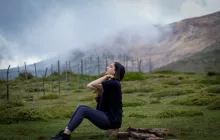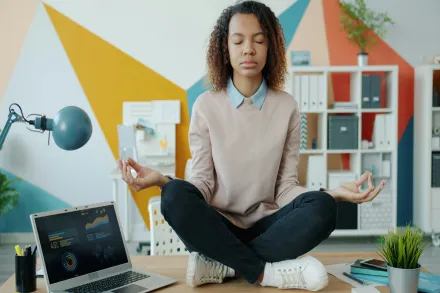
In this exploration, you will discover how the practice of visualization can become a reliable ally in reducing daily stress and restoring a sense of balance. Visualization is more than a mental image; it is a deliberate engagement of the senses, memory, and intention that can modulate the body’s stress response and shift experiences from tension to ease. It invites you to paint inner pictures with clarity, to rehearse calm responses, and to build a mental library of resources you can draw upon when pressure rises. By weaving vivid scenes, precise details, and personal meaning into each session, you train your attention to settle in a place of steadiness, even amid disruption. The process is accessible to beginners and adaptable to diverse lifestyles, from a few quiet breaths before sleep to a full, extended practice during a midafternoon break, and it thrives on consistency rather than intensity. Far from escape, visualization encourages a more nuanced engagement with reality, enabling you to respond to stress with greater discernment, presence, and resilience, thus shaping a healthier relationship with your emotional and physiological signals.
Understanding Visualization and Its Effects
Visualization is a cognitive practice that uses mental imagery as a vehicle for emotional regulation and physiological calm. When you evoke sights, sounds, textures, and even smells inside your mind, you create a sensory-rich experience that can dampen the amygdala-driven alarm system and engage the prefrontal cortex, which is involved in planning, control, and perspective taking. The vividness of the image matters because clearer, more immersive scenes tend to recruit more neural resources, which in turn can influence breathing, heart rate, and muscle tension. Over time, repeated practice can recalibrate automatic reactions, so that the next time you encounter a stressor your brain more readily references the calm scenes you have stored in memory. This process does not pretend that challenges vanish; it reframes your relationship to them, offering a practiced response that feels more manageable and grounded.
Preparing Your Mind and Environment
Preparation is an essential part of any successful visualization routine because it primes attention and reduces internal noise. Creating a quiet, comfortable space, whether at home, at work, or outdoors, signals to your nervous system that it is safe to shift into a receptive mode. You can begin with a short period of gentle settling, perhaps a few deliberate breaths, a body scan, or a moment of noticing how your feet feel on the ground and how your shoulders soften with each exhale. Setting a clear intention for the session helps anchor your focus and clarifies what you want to cultivate, whether it is a sense of calm, patience, confidence, or relief from tension in a particular area of the body. The mind responds to intention with increased coherence, so even a simple statement like I am gathering calm can begin to center your attention. The environment can be modest and practical; a quiet corner, a comfortable chair, or a place near a window where natural light and air can accompany your practice without distraction all contribute to a successful session.
Basic Visualization Techniques
Begin with a straightforward, repeatable script that you can tailor over time. Sit or lie down comfortably with a relaxed posture, close your eyes, and take several slow, even breaths to settle the nervous system. Bring to mind a scene that feels soothing: a sunlit shore, a tranquil forest, a familiar room, or a symbolic image such as a lantern of light resting in your chest. Engage multiple senses: imagine the warmth of the sun on your skin, the fragrance of pine or salt air, the soft texture of a blanket, the distant sound of water or a gentle breeze rustling leaves. As you cultivate detail, notice the physical cues of calm—your shoulders releasing tension, your jaw softening, your breathing slowing. Allow small, realistic changes to unfold in the scene, such as waves lapping, birds gliding across the sky, or a kettle beginning to steam. Repeat the scene for several minutes, then gradually return awareness to the body and the present moment, carrying a subtle but tangible sense of steadiness with you into the rest of the day.
Guided Imagery for Stress Reduction
Guided imagery can be a bridge between the world of thought and the felt experience of calm. In guided practice, you may follow a spoken script or internal cues that lead you through a structured visualization. Imagine your stress as a tangible shape or color that you can observe with compassionate curiosity. See it, name it, and then oversee a transformation: perhaps the shape shrinks, changes color to cooler tones, or dissolves as if it is dissolving into light. As the stress diminishes, replace it with a resource you value deeply, such as a shield of confidence, a reservoir of patience, or a stream of light that travels from your chest outward. The narrative quality of guided imagery matters; a coherent, emotionally resonant storyline engages the imagination more fully and fosters a more robust relaxation response. You can adapt scripts you find in books or audio programs, or you can craft a personal routine that resonates with your own life experiences and values, ensuring that the imagery remains accessible, meaningful, and easy to revisit when needed.
Breathing and Visualization
Breath is the anchor that grounds visualization in the body and helps to regulate autonomic processes. A common integration is to synchronize the pace of the imagined scene with the breath, using slow, diaphragmatic inhalations followed by longer exhalations. For example, as you inhale, you might visualize drawing in a cool, clear air that purifies and refreshes, and as you exhale, you picture releasing tension in the shoulders, abdomen, or jaw. Techniques such as coherence breathing, where you breathe at a steady tempo (for instance, six to seven counts in, six to seven counts out) for several minutes, can be paired with an image of calm energy circulating through the body. You can also imagine a color or light that travels with each breath, brightening areas of stiffness or discomfort and leaving behind a sense of warmth and ease. This combination of precise breath control and vivid imagery often leads to immediate relief from acute stress and strengthens the mind’s ability to recreate calm states on demand.
Visualization for Daily Stressors
Daily life offers a continuum of stressors, from traffic delays to meetings with challenging conversations. Visualization can become a practical tool for these moments by building quick, portable scripts. A simple approach is to picture yourself stepping into a calm space just before you enter a high-pressure situation, such as a brief visualization of a quiet room or a favorite natural scene. In the moment of stress, you can recall the image, take a purposeful breath, and adopt a posture that communicates steadiness, such as standing tall with shoulders back and chin gently aligned. Pair this posture with a mental reminder of the resources at your disposal, such as your ability to listen deeply, to pause before responding, or to frame your own words with clarity and empathy. The goal is not to deny the reality of the moment but to create a brief, effective rehearsal that reduces reactivity and unlocks a more thoughtful response. Over days and weeks, these micro-sessions accumulate into a reliable internal library that you can access anywhere, anytime, often with surprising speed and consistency.
Building a Routine That Sticks
A sustainable visualization practice rests on consistency rather than duration. Start with small, regular windows—perhaps five to ten minutes in the morning and another short window in the evening—and gradually adjust as you notice availability and benefit. Embedding the practice into existing rituals helps it become automatic; for instance, pairing visualization with your morning coffee or during a midafternoon rest break can reinforce the habit. A simple tracking approach, such as noting how you feel before and after sessions or marking days with a checkmark, can boost motivation by making progress tangible. It is important to keep expectations realistic; the objective is to cultivate a gradual shift in how you relate to stress, not to erase every difficult moment. You should also cultivate flexibility by varying the imagery to suit changing needs—sometimes a tranquil landscape is most effective, other times a sense of personal strength or a beloved memory may do the work more efficiently. The more you personalize the practice, the more natural it becomes, and the more you will rely on it as a stable resource during demanding times.
Common Challenges and Solutions
Many people encounter obstacles on the path to regular visualization. The mind may wander, or there may be initial frustration that the images do not appear as vividly as imagined. A practical response is to return to a simple focal anchor, such as the breath or the sensation of contact with the chair or floor, and then gradually reintroduce imagery without judgment. If visual detail feels elusive, you can lean into other modalities such as auditory cues—the sound of waves, wind, or a distant bell—or tactile sensations like the feeling of a warm garment or cool air on the skin. Another challenge is that life intrudes and time is scarce; in that case, compress the practice into a short, highly focused moment, even a single breath with a tiny image in the mind’s eye. Finally, if you notice persistent sleep disturbances or anxiety that overwhelms daily function, consider consulting a mental health professional who can tailor visualization to your specific needs and coordinate with other therapeutic approaches. The practice should feel like a supportive tool rather than a source of pressure, and it should adapt to your evolving case history and life circumstances.
Advanced Visualization Practices
As you gain experience, you can expand your repertoire to include more layered and multisensory techniques. One approach is to practice future-oriented visualization, where you rehearse successful outcomes as if they have already occurred, paying attention to what emotions and actions accompany those outcomes. This can strengthen motivation and improve foresight, especially when facing complex tasks or negotiations. Another sophisticated technique is to cultivate a calm, observing stance in which you witness thoughts and bodily sensations without becoming attached to them. This nonjudgmental stance reduces rumination and helps you respond with greater clarity. You can also explore symbolic imagery that aligns with personal meaning, such as visualizing a personal emblem of resilience or a protective circle formed by trusted relationships. The key to advanced practice is to maintain sensitivity to your own experience, adjust the imagery to reflect current challenges, and keep sessions purposeful, brief, and restorative rather than strictly performance-driven. With regular engagement, these practices can enrich your inner life and broaden your capacity to stay centered across a wide range of circumstances.
Visualization for Sleep and Rest
Sleep is a natural arena where visualization can have a powerful soothing effect. A bedtime visualization might begin with a physical relaxation scan, followed by a calm, protective scene in which you feel safe and unthreatened. You can picture a soft, enveloping light that gradually quiets any residual worries, while a steady, slow breathing rhythm reinforces the sense of safety and rest. Allow thoughts to drift by like clouds without forcing any particular outcome, acknowledging them and then returning to the chosen image. The goal is to create an association between the mental scene and a relaxation response that becomes easier to access as bedtime approaches. Over time, you may notice that falling asleep becomes more effortless, awakenings during the night are less disruptive, and morning mood improves as the nervous system receives more restorative rest. Adjust the imagery to what feels most soothing—some prefer a gentle shoreline, others a quiet forest glade, or a childhood sanctuary—so long as the scene invites calm, warmth, and ease.
Integrating Visualization with Mindfulness and Movement
Visualization pairs effectively with mindfulness and gentle movement to support a holistic stress reduction practice. You can begin with mindfulness of breath and body, allowing the visualization to emerge naturally from a relaxed, attentive state rather than forcing a particular scene. Incorporating light stretches or a short walk while maintaining a calm inner image can deepen the sense of embodiment, linking mental imagery to somatic experience. The integration invites a broader awareness of how stress manifests in the body and how oriented imagery can modulate those sensations. With careful attention, you can cultivate a seamless flow between stillness and action, so that when life demands quick adjustment, you have already trained your system to respond with steadiness rather than reactivity. This integrated approach respects the rhythm of daily life and encourages regular practice without creating extra burdens or rigid expectations.
Tracking Progress and Maintaining Motivation
Measuring the effects of visualization can be approached through subjective reflection and gentle measurement rather than rigid metrics. You can notice shifts in breathing, muscle tone, or the speed of heart rate recovery after a provocation, and keep a simple log of mood, energy, and ease of sleep. Periodically revisiting a particularly vivid scene that once felt challenging can reveal changes in how easily it is to retrieve calm and focus. It is also helpful to rotate imagery to prevent fatigue and to keep your practice engaging. If motivation wanes, remind yourself of the benefits you have already experienced, revisit a cue word or image that was especially effective, or invite a trusted friend or mentor to practice with you for accountability and shared encouragement. The key is to treat visualization as a living practice that evolves with you rather than a static routine, preserving curiosity and patience as you refine your skill.
An Everyday Pathway to Resilience
Visualization offers a sustainable pathway toward resilience by creating a consistently accessible mental resource. The practice supports emotional regulation, reduces physiological arousal, and enhances cognitive flexibility, which in turn helps you navigate uncertainty with greater ease. By regularly engaging in sensory-rich scenes that evoke safety, competence, and calm, you train your nervous system to default to a calmer state more quickly when confronted with stress. This does not eliminate hardship, but it changes the relationship you have with stress, empowering you to meet challenges with composure and clarity. As you integrate visualization into your life, you may find that even small, ordinary moments—checking the weather, waiting in line, or handling a difficult email—become opportunities to practice the gentle art of returning to an inner place of steadiness. The practice becomes part of your internal toolkit, accessible, reliable, and deeply personal, ready to serve you whenever you need a moment of pause and lifting.
As you continue your practice, remember that consistency beats intensity, and authenticity beats perfection. Your goal is not to manufacture serenity but to cultivate a trustworthy approach to your own experience and to reinforce the healthy habits that make calm responses more likely. With time, you may notice a compassionate distance from stressors, a clearer sense of your own values guiding responses, and a greater willingness to listen to what your body is telling you. Visualization can, therefore, become a quiet yet powerful companion in daily life, supporting focus at work, patience in relationships, and restfulness at night. The journey is personal, and the outcomes—such as improved mood, clearer thinking, and easier transitions from stress to calm—are real and measurable in the ways that matter most to you. By tending to your inner landscape with deliberate care, you cultivate a resilient nervous system capable of meeting life with steadiness, even when circumstances are demanding, complex, or unexpected. The practice rewards patience, sincerity, and practice itself, and its growth is evident in small but meaningful changes that accumulate over days, weeks, and months, forming a lasting foundation for well-being.