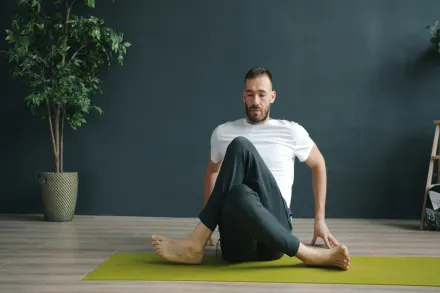
Introduction to Progressive Muscle Relaxation
Progressive muscle relaxation is a deliberate method for reducing bodily tension and quieting the mind through a focused sequence of muscle engagement and release. It grew out of early research by Edmund Jacobson, who proposed that tension and relaxation form a tangible spectrum that can be trained much like a skill. In contemporary practice, progressive muscle relaxation invites a learner to become an attentive observer of the body's signals, noticing where tension accumulates and how it feels to soften those areas with intention. The aim is not to erase every sensation but to cultivate a sense of agency over muscular tone and breathing, so that stress responses become more manageable rather than overwhelming. When practiced with consistency, PMR can help individuals experience a calmer nervous system, improved awareness of bodily cues, and a sense of safety that supports clearer thinking and better sleep. The practice is simple in concept, yet deeply effective because it engages both the body and the mind in a cooperative routine that invites restorative rest and restored balance rather than avoidance or denial of stress. Over time, this approach can become a reliable resource that individuals carry into daily life, helping them respond rather than react to pressure, and it can be adapted to various contexts without losing its core structure or effectiveness.
In essence, progressive muscle relaxation works by guiding attention to the relationship between muscular tension and breathing, then guiding a controlled release that interrupts the cycle of stress hormones and heightened arousal. The technique invites a gentle contrast between the sensation of sustained contraction and the relief of release, which reinforces the neural pathways associated with calm. Because the body and mind are interconnected, the act of deliberately relaxing muscles can cascade through the system: heart rate may slow a notch, breathing becomes steadier, eyes feel more at ease, and the mind begins to settle. This is not a quick fix for every situation, but a reliable, portable practice that cultivates resilience over weeks and months. Researchers have noted that PMR can reduce symptoms of anxiety, improve sleep quality, and lower baseline levels of physiological arousal, especially when integrated into a regular routine. The practice is accessible to people of different ages and physical conditions, with modifications that honor individual limits while retaining the core principles of intentional tensing and releasing. The goal is not to push beyond comfort but to explore the upper edges of muscular tension in a safe and controlled way, then discover the calmer state that follows the release. Over time, the body learns to default toward calm more readily when faced with stressful situations, and the mind learns to anchor attention in the present moment rather than spiraling into worry.
What makes PMR effective
PMR is effective because it engages a fundamental mechanism of human physiology known as the relaxation response, which counteracts the stress response that dominates during anxious states. By isolating groups of muscles, the practitioner creates a clear contrast between the sensations produced when a muscle is held in a state of contraction and the softer, heavier feeling that emerges after release. This contrast provides a tangible signal to the nervous system, signaling that danger is not imminent and that the body can shift toward rest. The process is closely linked to breathing as well; deliberate, slow, diaphragmatic breaths accompany the tensing and releasing phases, reinforcing a sense of rhythm and control. As the breath lengthens and slows, the autonomic nervous system tilts toward parasympathetic activation, which slows heart rate, lowers blood pressure, and reduces muscle tone across the body. Over repeated sessions, the brain builds a pattern of recognizing cues of tension and responding with release, which enhances interoceptive awareness—the understanding of internal bodily states. This fosters a sense of safety and self-efficacy, two elements that are foundational to reducing perceived stress and improving mood. The scientific literature supports the idea that PMR can lower cortisol levels, decrease subjective anxiety, and improve sleep latency, though results can vary depending on frequency of practice and personal context. Even when applied in short sessions, PMR can provide meaningful relief because it trains the nervous system to dissociate the habit of chronic tightening from the more adaptive experience of relaxed muscular tone. The technique is particularly valuable because it does not rely on external devices or pharmacology; its effects arise from attention, intention, and the body’s natural capacity to shift from fight or flight toward rest and repair. As people continue to practice, they often notice a general sense of steadiness that persists beyond the formal session, a more balanced baseline mood, and an improved capacity to manage distractions that previously amplified stress. In this way PMR constitutes a sustainable strategy for stress reduction that complements other healthy habits such as regular exercise, social connection, and adequate sleep.
Before you begin
Creating the right setting can support the effectiveness of progressive muscle relaxation. Choose a quiet space where interruptions are unlikely, and adjust the lighting and temperature to feel comfortable. Wearing loose clothing and using a chair or bed that allows the body to be supported can enhance ease during the exercise. It is helpful to set aside a dedicated time for the practice, ideally a moment when the day’s pressures have not yet escalated, so your body can experience the full sequence without rushing. A few minutes before you start, take a slow, steady breath and notice any habitual areas of tension, such as the jaw, shoulders, or the muscles along the back. If you have a medical condition that causes pain, numbness, or restricted movement, or if you are pregnant or recovering from surgery, consult a healthcare professional before beginning a routine that involves deliberate muscle contraction. The aim is safety and comfort, not discomfort or strain. If you experience dizziness, tingling, or sharp pain at any point, ease the sequence or skip a section, returning to slower breathing and a gentler approach. In addition to safety, it helps to cultivate a nonjudgmental mindset: you are practicing a skill, not evaluating yourself. Let your attention be curious rather than critical, noticing sensations as they arise and allowing them to fade with practice. As you settle into the routine, set a realistic expectation that progressive muscle relaxation is most effective when practiced regularly, not merely as a one off exercise when stress feels intolerable. Regularity matters because it strengthens the body’s capacity to recognize cues of tension and to respond with a calm and controlled release, which over time becomes more automatic and accessible during ordinary events in daily life.
Step by step guide to a standard PMR session
Begin by sitting or lying down in a comfortable position with the spine supported and the head aligned, allowing the limbs to rest naturally in a relaxed posture. Close the eyes if you find it soothing, or keep them softly focused on a point in front of you. Take a slow, diaphragmatic breath in through the nose, allowing the abdomen to rise gently, and exhale smoothly through the mouth, letting the shoulders soften as the breath flows out. Move your attention to the feet and toes, inviting a brief tensing that is firm yet not painful, followed by a deliberate release that allows the toes to relax completely. Notice how the muscles feel after the release, and sense the difference between the initial sensation of tension and the subsequent relaxation that follows. Proceed to the calves and shins, tensing the muscles as you breathe in, then releasing fully while exhaling, as if letting the air carry away the residual strain. Continue this process up through the thighs, hips, and abdomen, honoring any areas where tension tends to accumulate, such as the low back or the jaw, and spending extra moments on those regions if needed. Each muscle group is treated with the same sequence: brief contraction, careful release, and quiet breathing that accompanies the shift in tone. When moving to the upper body, engage the hands by clenching into tight fists, holding briefly, then releasing with a sigh of relief that travels up the forearms toward the elbows and shoulders. The shoulders often carry a large share of stress; tense them gently at the next breath, then allow them to fall away from the ears as the breath flows out. The neck and jaw deserve gentle, mindful attention as well; gently clench the jaw, then release, feeling the mouth soften and the jaw loosen. If you notice the brow furrowing, ease the forehead and temples into a softened state, and release any residual gravity that holds the scalp rigid. Finally, bring awareness to the face by scrunching the eyes and then relaxing, letting the whole countenance become calm and unguarded. With each region, maintain a slow, steady breath and a patient rhythm, avoiding rapid or forceful movements. As you finish the sequence, take a final long, slow inhale, followed by a complete exhale, and rest in a still, quiet moment to notice the overall feeling of relaxation that now pervades the body. If thoughts arise during the session, observe them with kindness and gently return your focus to the body’s sensations and the breath, allowing the mind to settle without judgment. Repeating the cycle a second time or extending the duration of the practice over time can deepen the benefits, building a more robust experience of ease that you can access in daily life when stress resurfaces.
Variations of PMR
There are different ways to structure progressive muscle relaxation depending on time, goals, and personal preference. A shorter version can be very effective for a quick reset during a busy day, using a condensed sequence that targets the major muscle areas with a succinct tensing and releasing rhythm. Some practitioners prefer a longer, more comprehensive tour through the body, which can take twenty minutes or more and cultivates a deeper sense of quiet through extended attention to each region. Another variation blends PMR with a body scan technique, in which the individual moves through the body with a mental note of areas for tension and relief, combining sensory awareness with the rhythmic breath. A further adaptation integrates PMR with mindfulness or cognitive strategies that help manage worry by labeling thoughts briefly and returning to the bodily experience. For individuals who struggle with certain physical limitations, the practice can be adjusted by reducing the degree of contraction or by substituting alternative muscle groups that are accessible without discomfort. Importantly, the practice remains accessible because the emphasis is placed on conscious awareness and controlled release rather than on maximal effort or performance. Auditory cues, such as a calm voice or soft music, can complement the experience, but the core of PMR remains the intentional cycle of contraction and release paired with steady breathing. The stability and predictability of this sequence are valuable because they create a reliable framework that can be invoked in moments of acute stress or as part of a daily routine, reinforcing a sense of mastery over bodily responses and contributing to a calmer baseline state over time.
PMR for sleep and insomnia
Many people discover that progressive muscle relaxation is especially beneficial for improving sleep quality and reducing the time it takes to fall asleep. When stress and worries accumulate at night, the body often remains in a heightened state of readiness, which can interfere with the transition to restful sleep. PMR offers a practical method to counter this by gradually diminishing muscle tension and inviting a slower, more restorative breathing pattern. Practicing PMR as part of a pre sleep routine can help quiet racing thoughts and provide a clear signal to the nervous system that the day is winding down. The routine can be adapted to suit late evening schedules, with a focus on larger muscle groups first and finishing with a gentle facial release to promote complete relaxation. As familiarity grows, the practice can become a familiar ritual that accompanies the onset of sleep, creating a cue that tells the body to shift into restorative states. The predictable nature of the sequence reduces cognitive load, which is often a contributor to restlessness at night, and the physical relief from reduced muscle tension can correlate with deeper, more satisfying sleep. Individuals who combine PMR with other sleep hygiene practices, such as reducing caffeine intake and establishing a regular wake time, typically experience more consistent results and a smoother sleep onset curve over weeks of practice.
PMR and stress at work
In the modern work environment, stress can accumulate through extended screen time, tight deadlines, and frequent interruptions. Progressive muscle relaxation offers a portable and discreet strategy to address this dynamic. A brief PMR cycle can be done right at a desk without needing special equipment or a private space. The technique can be used as a proactive measure to prevent tension from building, or as a restorative break during a tense meeting or demanding task. The act of tensing and releasing the major muscle groups can interrupt the cycle of rumination and give the nervous system a moment to recalibrate, which in turn supports clearer decision making, steadier hands, and a more balanced emotional response. Over time, these micro-pauses contribute to better overall stress management, enabling individuals to sustain performance without sacrificing well-being. The key to effectiveness in a work setting is consistency and a respectful approach to personal limits, choosing a duration that fits into the schedule while still providing a meaningful break from cognitive load. When practiced regularly, PMR can help transform the relationship with stress from a constant, overwhelming presence to a manageable and predictable part of daily life.
PMR for children and teens
Progressive muscle relaxation can be adapted for younger populations by using a gentle approach and patient explanations about how the body responds to stress. With children, the language around contracting and releasing can emphasize feelings of warmth and ease rather than intensity or discomfort. The practice can be integrated into school routines or home routines as a simple way to cultivate focus, reduce night-time anxiety, and improve mood regulation. For teenagers, PMR can offer a method to cope with academic pressure, social stress, and the emotional fluctuations that accompany adolescence. The sequence can be shortened for younger or more restless minds, while maintaining the core principles of awareness, contraction, and release. In all cases, guidance from a caregiver or instructor can help ensure the technique is approached with safety and a compassionate attitude. The ultimate goal is to provide a tool that empowers children and teens to become more attuned to their bodies, to recognize early signs of tension, and to cultivate a sense of mastery over their physiological responses to stress without fear or judgment.
Common mistakes and how to troubleshoot
Even with good intentions, beginners may encounter missteps that reduce the effectiveness of PMR. A common issue is overemphasizing the contraction phase, which can create additional stress or discomfort if pushed too hard. The intention should be to produce a light to moderate tension that becomes noticeably less tense after release, not to force the muscles into a strenuous hold. Breath-holding is another pitfall; maintaining a steady, relaxed breathing pattern supports the contrast between tension and release and helps prevent dizziness or tightness in the chest. Rushing through the sequence can undermine learning because it reduces sensory feedback that informs the nervous system about changes in tone. Practitioners often report better results when they proceed slowly, giving the body adequate time to register the effect of each contraction and release. A final potential challenge is inconsistency: a practice that occurs irregularly tends to yield modest benefits, whereas a routine that is integrated into daily life tends to produce more durable changes. If you notice diminished effects, consider adjusting the duration or the range of muscle groups covered, ensuring you allocate sufficient attention to each region without rushing, and remind yourself that development occurs through repeated, mindful exposure over weeks and months rather than in a single session.
Incorporating PMR into a daily life practice
Making progressive muscle relaxation a habitual practice enhances its benefits and makes stress management more automatic in daily life. Embedding the routine into a consistent window, such as the first moments after waking or the period just before bedtime, helps establish a stable anchor in the day. When you approach PMR as a continuous skill rather than a single remedy, you create a reserve of calm that can be drawn upon during momentary challenges or extended periods of tension. It can be useful to pair PMR with a reflective pause, asking yourself what cues of tension you notice in the present moment and whether the body’s response is proportional to the situation. This practice supports greater awareness of triggers and a calmer approach to respond, rather than automatically react, to stressors. For many people, a modest daily commitment—even a few minutes—can accumulate into meaningful improvements in mood, sleep, and overall well-being. The beauty of PMR lies in its adaptability; it does not require a rigid schedule or specialized equipment, making it accessible to a wide range of lifestyles and environments. As with other forms of self-care, the value grows with time, patience, and a gentle curiosity about how different environments influence the body’s capacity to relax. The more consistently PMR is used as a tool for self-regulation, the more natural it becomes to invite calm into situations that would previously have felt overwhelming, helping the person maintain balance even amid the challenges of daily life.
Scientific perspective and what to expect
From a scientific perspective, progressive muscle relaxation is interpreted as a practical way to influence autonomic nervous system activity and to foster an adaptive interplay between the sympathetic and parasympathetic branches. The concrete actions of tensing a muscle briefly and then releasing can modulate afferent signals to the brain, reinforcing a sense of safety and control. This can lead to reductions in heart rate and skin conductance as physiological arousal subsides, and it may support improved autonomic balance. Over the course of repeated practice, individuals often report a calmer baseline and a more resilient response to stress, which corresponds with improvements in sleep quality and daytime mood. Academic studies have found that PMR can lower anxiety scores, decrease perceived stress, and contribute to reduced symptoms of insomnia in some populations, though outcomes depend on multiple factors, including the duration of practice, the intensity of engagement, and the person’s readiness to learn coping skills. The mechanism is best understood as a combination of bodily awareness, controlled breathing, and the intentional redirection of attention away from stressors toward tangible bodily sensations. Importantly, PMR does not require any special belief system or prior experience with meditation; it is a pragmatic skill that participants can learn and refine through practice, making it accessible to a broad audience. For those interested in the science, PMR is often studied as part of broader mind-body interventions, including programs that combine relaxation with cognitive strategies or with physical activity, suggesting that PMR can serve as a versatile component of a comprehensive approach to stress management and well-being.
Maintaining a lasting practice and next steps
To sustain the benefits of progressive muscle relaxation over the long term, it helps to approach the practice with a mindset of gradual growth and curiosity. Consider setting a gentle, realistic target, such as practicing three to five times per week for several weeks, and then adjusting the frequency based on how you feel and the demands of your schedule. Tracking changes in sleep quality, daytime mood, or a sense of ease during tense moments can provide reinforcing feedback that keeps motivation intact. It is beneficial to vary the context of practice, exploring different times of day or environments to understand how factors like posture, temperature, and noise influence your experience of relaxation. As you become more proficient, you may find it useful to integrate PMR with other supportive practices, such as mindful breathing, gentle stretching, or guided imagery, while preserving the core emphasis on awareness and release. The objective is not to eliminate stress altogether but to expand the repertoire of ways you can respond to it, so you feel more capable and less overwhelmed when pressures arise. In the long run, PMR can contribute to a broader shift toward well-being by strengthening your capacity for regulation, reducing habitual patterns of tension, and cultivating a kinder, more forgiving relationship with your body's signals. With patience and practice, the practice of progressive muscle relaxation can become a dependable companion, ready to assist you in moments of pressure and to support a calmer, more centered life. By returning to the practice regularly, you reinforce the neural circuits associated with calm and create a personal resource that enhances your overall resilience and sense of control in a complex world.