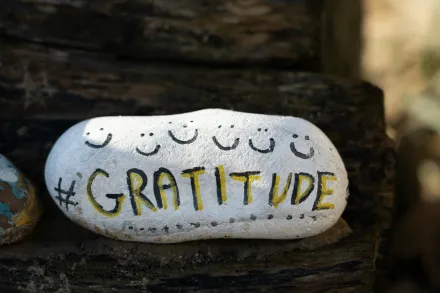
Understanding Gratitude and Its Everyday Value
Gratitude is a mild yet transformative practice that shifts the way a person perceives ordinary moments, turning routine experiences into sources of meaning. When we cultivate gratitude, we do not pretend that life is perfectly free of trouble; rather, we learn to register the parts of life that sustain us, from small acts of kindness to opportunities we might otherwise overlook. The daily discipline of noticing what sustains us through ordinary days helps to rewire attention, strengthening neural pathways that reward optimism and social connectedness. By engaging with gratitude as a practical habit rather than a fleeting mood, anyone can create a stable ballast that supports well being during stress, disappointment, and change, while also enriching moments of joy and connection with others.
Starting with a Simple Morning Ritual
A reliable gratitude practice can begin with a brief moment each morning, a quiet pause before the day unfolds. By intentionally turning attention to at least one thing for which we are grateful, we set a tone that extends into conversations, decisions, and daily routines. This ritual does not require elaborate preparation or grand gestures; it can be a handful of breaths paired with a quick acknowledgement. The key is consistency, enabling gratitude to accumulate like a gentle backbone that steadies us through the hours ahead. Over time, the morning ritual grows into an orientation that colors our perception, subtly guiding how we respond to challenges and interact with others.
Keeping a Gratitude Journal That Feels Natural
A gratitude journal can be as simple or as rich as the writer desires, but its effectiveness rests on honesty, specificity, and regularity. Rather than listing generic statements, use concrete details about people, moments, or phenomena that touched you. Describe how a kind word warmed your heart, how a project progressed because of a colleague, or how a familiar scent brought you back to a cherished memory. Writing in this way trains the mind to distinguish between fleeting pleasure and deeply meaningful experiences, helping to build a reservoir of positive reference points. Regular entries create a map of appreciation that you can revisit during difficult days to remind yourself of continuity, resilience, and community.
Noticing Small Moments: Micro-Gratitude as a Habit
Gratitude accumulates through small, almost invisible moments: a sunbeam on a window, a stranger’s patient smile, a meal cooked with care, a task completed after struggle. When we train ourselves to notice these micro-moments, we begin to recognize that happiness often resides in the ordinary rather than in dramatic events. A habit of micro-gratitude does not deny life’s pressures; it acknowledges that even amid complexity there are textures we can savor. By repeatedly turning attention toward these tiny anchors, we build a continuous thread of positivity that sustains motivation, fosters patience, and softens the edges of daily stress.
Gratitude and Relationships: Expressing Appreciation
Relationships thrive when appreciation is shared openly and warmly, not as a performance but as a genuine acknowledgment. Expressing gratitude to friends, family, coworkers, and neighbors strengthens bonds, creates positive feedback loops, and fosters a sense of safety and belonging. The act of saying thank you can be brief yet heartfelt, and it often invites reciprocity in ways that enrich collaboration and generosity. When gratitude becomes part of daily conversations, the atmosphere shifts from judgment or obligation to mutual recognition and care, encouraging others to notice their own sources of support and to sustain acts of kindness in return.
Gratitude Practice Through Food and Environment
Food and environment offer immediate, tangible openings for gratitude. Paying attention to the nourishment provided by a meal, noting the effort behind ingredient choices, and appreciating the sensory richness of taste, texture, and aroma can ground us in the present moment. Similarly, noticing the beauty of a familiar place, the comfort of a routine, or the resilience of a natural landscape invites a sense of gratitude that extends beyond personal experience. When we treat everyday surroundings as sources of inspiration and care rather than as neutral backdrops, we cultivate a deeper respect for the ecosystems and communities that sustain us.
Using Technology Thoughtfully: Reminders Without Overload
In a connected world, digital prompts can support gratitude without becoming a distraction. Gentle reminders—such as a short daily prompt to reflect on something you appreciated, or a scheduled window for journaling—can help maintain consistency. The aim is to use technology as a facilitator rather than a source of compulsion or comparison. When designed with intentionality, reminders become a nudge toward mindful recollection, encouraging steady practice while preserving spaciousness for authentic reflection. Balancing screen time with quiet moments ensures that gratitude remains a lived experience rather than a passive routine.
Gratitude in Adversity: Reframing Challenges
Gratitude does not erase hardship, but it can illuminate meaning amidst it. When confronted with frustration, loss, or setback, identifying any seed of value—a lesson learned, a skill sharpened, a relationship that endured—creates a constructive lens for processing pain. This reframing does not minimize difficulty; instead, it acknowledges that growth often coexists with pain. A steady practice that includes reflecting on difficulties alongside positive aspects fosters resilience, enabling a more sustainable approach to life’s inevitable fluctuations and encouraging a more compassionate stance toward oneself and others.
A Weekly Rhythm: Reflecting and Expanding Practice
Crafting a weekly rhythm helps to deepen gratitude without making it feel rigid. A longer reflection at the end of the week can review what went well, what challenged us, and which people or encounters deserve special acknowledgment. This cadence supports a habit of looking back with curiosity rather than judgment, widening the circle of gratitude to include mentors, community members, and overlooked moments that contributed to a sense of well-being. A weekly rhythm also invites experimentation, encouraging the practice to evolve by incorporating new prompts, different settings, or alternative forms of expression that resonate personally.
Gratitude Letters and Acts of Kindness
Writing a gratitude letter or performing a meaningful act of kindness can intensify feelings of appreciation and connection. A letter to someone who made a difference offers concrete recognition and can be a lasting message that the recipient can revisit. Likewise, intentional acts of service—small or large—reinforce a reciprocal sense of belonging and responsibility toward others. Such expressions extend gratitude beyond inward reflection into outward behavior, creating a ripple effect that enhances social harmony and fosters a culture of generosity within communities.
Cultivating a Bodily Sense of Gratitude
Gratitude has a bodily dimension that can be cultivated through posture, breath, and sensory awareness. Paying attention to how breath settles in the chest when gratitude arises, or noticing the warmth of a cared-for body in moments of nourishment, helps to tether emotion to physical experience. This somatic grounding makes appreciation more durable because it links feeling to sensation, increasing accessibility during times of stress. By inviting the body into the practice, gratitude becomes a living intelligence that informs choices, communication, and self-care with a gentle, enduring presence.
Mindful Pause: Short Gratitude Practices Throughout the Day
Short, mindful pauses scattered across the day offer flexible opportunities to reset perspective. A few seconds to notice a kindness received, or to acknowledge a personal strength that helped complete a task, can interrupt negative spirals and restore balance. These mini-pauses accumulate into a larger reservoir of goodwill, shaping how we interpret events and respond to others in real time. The beauty of the approach lies in its unobtrusiveness: brief, doable moments that feel natural rather than forced, allowing gratitude to weave itself into ordinary routines without demanding excessive time or mental energy.
Gratitude Across Cultures: Broadening Perspective
Gratitude is a universal thread that takes many forms across cultures, incorporating distinct rituals, language, and social meanings. Exploring diverse expressions of thankfulness can expand our own practice, offering new prompts and honoring different relational dynamics. Learning from others’ traditions invites humility, curiosity, and a broader sense of what it means to be cared for. When gratitude includes a respect for cultural variations, it becomes a bridge that connects individuals to a wider human story, deepening empathy and enriching personal perspectives beyond familiar confines.
Maintaining Momentum: Common Pitfalls and How to Sustain
Even a well-tended practice can stall if it becomes a routine without meaning, or if it is pursued to chase perfection instead of genuine connection. Common challenges include turning gratitude into a performance, comparing one’s life to others, or mistaking gratitude for passive acceptance of hardship. To sustain momentum, it helps to keep the practice authentic and flexible, to allow for seasonal or life-stage changes, and to invite curiosity about what truly nourishes growth. By staying attuned to personal resonance and inviting feedback from trusted friends or mentors, gratitude can remain a dynamic, life-affirming practice rather than a rigid obligation.