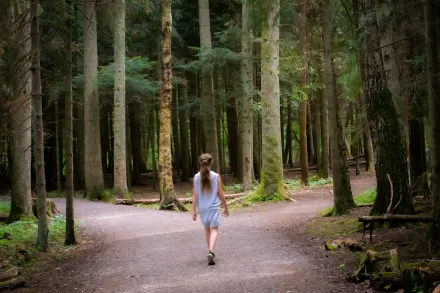
Nature walks are more than a leisure activity; they are a practice that quietly reshapes the brain and mood through an interplay of sensory experiences, physiological responses, and social context. Across diverse landscapes and cultures, regular strolls through parks, forests, coastal paths, or even urban streets lined with trees have become a common recommendation from clinicians and researchers alike. The purpose of this article is to explore the science behind these benefits, to describe how different environments influence outcomes, and to offer practical guidance for building a sustainable habit that supports mental well being without requiring special equipment or extraordinary time commitments. By weaving together physiological mechanisms with lived experience, we can appreciate why a simple walk can feel like a reset in a busy life.
In modern life the mind often zips from one demand to the next, carrying the weight of schedules, responsibilities, and digital streams. A nature walk interrupts that flow in a gentle, nonintrusive way. The body receives a cascade of sensory cues—dappled light, the scent of soil and leaves, the texture of bark under fingertips, and the quiet rhythm of footsteps—that together form a soothing soundtrack for the nervous system. The mind tends to slow down in this setting, not by force but by the affordances of the moment, allowing attention to shift from hypervigilant, goal oriented thinking to a more restorative mode. This shift is not merely subjective; it often accompanies measurable changes in mood and cognitive performance that persist beyond the walk itself.
Internal Biological Responses to Nature Exposure
Exposure to natural environments triggers a constellation of biological responses that help regulate stress and mood. When a person steps into a landscape with living trees, water, and fresh air, the autonomic nervous system leans toward parasympathetic dominance, the part of the nervous system associated with rest and recovery. Heart rate variability tends to increase, an indicator that the body is more capable of adapting to emotional and physical demands. Alongside these shifts, the secretion of stress hormones like cortisol can decrease, especially when walks occur regularly and in moderate, enjoyable contexts. In addition to hormonal modulation, nature exposure can influence inflammatory markers and immune signaling, subtly enhancing resilience to daily irritations and infections. These physiological adjustments do not require dramatic changes in routine; they unfold through repeated, accessible experiences that cue the body toward a calmer baseline.
Another layer of biology emerges through sensory diversity and sensory mismatch reduction. In a natural setting, the brain receives a richer, more varied stream of stimuli that are calming rather than overwhelming. The contrast from a busy indoor environment to a forest path, for example, provides a form of sensory reset that reduces the intensity of overstimulation. This reset can translate into improved mood and a greater capacity to regulate emotions. The olfactory notes of pine, damp earth, or ocean spray each contribute to a sense of aliveness that supports a favorable mood baseline. While the precise neurochemical pathways are complex and still under study, many researchers point to shifts in neurotransmitter balance and neurotrophic factors that accompany repeated exposure to nature as contributing to longer term mental health benefits.
Stress Reduction: Quieting the Mind
One of the most frequently reported outcomes of regular nature walks is a reduction in perceived stress and a decrease in anxious rumination. When the mind is immersed in a natural setting, worries often recede as attention is drawn to immediate sensory experiences and subtle details in the environment. This immersion acts as a form of occupied distraction that feels restorative rather than evasive. Moreover, the tranquil pacing of a walk—slow enough to notice small changes in the landscape—helps to interrupt cycles of worry that can perpetuate tension. Over time, these moments accumulate, building a more resilient baseline in which daily stressors feel more manageable and less likely to trigger a cascade of negative thoughts. Clinically, such reductions in stress markers are associated with improved mood and better sleep, reinforcing the value of outdoor activity as a nonpharmacological strategy for emotional regulation.
In addition to direct mood effects, nature walks can enhance the brain’s capacity to regulate emotional responses. The rhythmic nature of walking fosters a meditative cadence that reduces cognitive load and gives the brain space to reprocess experiences. This can translate into a more measured reaction to emotional triggers and a greater tendency to approach problems with curiosity rather than avoidance. For individuals facing high levels of stress or anxiety, even modest, regular exposure to green spaces can serve as a reliable anchor, providing predictable relief that complements other coping strategies. The cumulative effect is a sense of groundedness that extends beyond the moment of the walk and into daily life.
Attention Restoration and Cognitive Clarity
Attention Restoration Theory proposes that daily life depletes directed attention as people focus on goals, deadlines, and problem solving. Nature, with its softly fascinating scenes, offers a form of effortless fascination that allows cognitive resources to recover. A walk among trees, water, or open skies provides background stimulation that does not demand sustained focused effort, enabling the brain to replenish its available attention. After a restorative walk, people often report improved concentration, quicker information processing, and a greater ability to switch tasks without experiencing the irritability that often accompanies mental fatigue. These cognitive gains can be especially meaningful for students, workers, and caregivers who must juggle multiple streams of information and prioritize tasks with clarity.
The restorative effect is not merely temporary; repeated experiences with varying landscapes help to reinforce the capacity for flexible thinking and problem solving. While the exact neural correlates are an area of active research, the practical takeaway is straightforward: regular, low-intensity exposure to natural environments can refresh cognitive reserves, which translates into enhanced performance in tests of attention and in everyday decision making. For many people, a daily or several-times-per-week stroll becomes a reliable reset that protects against the cumulative cognitive costs of modern life, much like a small deficit-reducing investment that yields compounding returns over time.
Sleep, Circadian Rhythm, and Nature's Timing
Natural light and the daily pace of outdoor activity play a crucial role in aligning circadian rhythms, the internal clocks that regulate sleep and wakefulness. Morning walks expose the eyes and skin to daylight, which helps suppress melatonin at the appropriate time and supports a more consolidated nocturnal sleep. Regular daytime light exposure also appears to improve mood stability and daytime alertness, reducing the tendency toward late-night screen use that disrupts sleep architecture. The combination of better sleep and more robust daytime energy can have a powerful feedback loop: improved sleep supports mood regulation, which in turn increases motivation to maintain outdoor routines. Across populations, this synchronization with daylight patterns helps reduce irritability and enhances overall daytime functioning.
Beyond light exposure, the physical activity component of walking contributes to sleep quality by promoting more efficient sleep cycles. Gentle aerobic movement during the day tends to translate into deeper, more restorative sleep at night, while the ease of a walk makes this rhythm accessible to many people regardless of fitness level. The green environment may further facilitate relaxation, with the sensory cues of a familiar landscape reducing hyperarousal that interferes with sleep onset. When nature walks become a consistent habit, sleep disturbances often lessen, supporting daytime mood, cognitive function, and social interaction.
Mood Elevation and Neurochemistry
Engagement with nature increases positive affect and reduces negative affect through multiple neurochemical pathways. Endorphins, the brain’s intrinsic analgesics and mood enhancers, can rise during physical activity such as walking, contributing to a sense of well being. Dopamine and serotonin systems also respond to the rewarding aspects of the environment, particularly when the walk fosters curiosity, discovery, and a sense of mastery, even in small achievements like noticing a new bird or identifying a plant. Brain-derived neurotrophic factor, a protein linked to learning and resilience, has been associated with regular aerobic exercise and environmental enrichment, suggesting that nature walks may support neural plasticity alongside mood improvements. These biochemical shifts help explain why people often report feeling calmer, more hopeful, and more capable after even moderate outdoor activity.
Of course the subjective experience matters as well. The act of moving through a landscape that evokes beauty or awe can broaden attention and promote a more expansive sense of self. When people describe a lift in mood after a walk, it is frequently accompanied by a sense of connection to something larger than the self, a feeling that can steady mood during difficult times. This combination of physiological change and meaningful experience creates a potent, multi-layered impact on mental health that is accessible without specialized therapies, equipment, or settings.
Physical Activity as a Multiplier
Walking is a form of physical activity that carries its own independent benefits for mental health, and when paired with nature, these benefits are amplified. Regular walking improves cardiovascular health, strengthens muscles, supports weight management, and enhances metabolic resilience. Each of these physical improvements contributes to mood and cognitive function because the body’s energetic resources are better allocated to regulate emotional responses and cope with stress. Even modest increments in weekly step counts have been linked with reductions in depressive symptoms and improved overall well being. The environmental context adds another layer: outdoor settings provide sensory richness, social opportunities, and a sense of purpose that can transform a routine exercise into a meaningful practice rather than a mere workout.
Beyond the objective health markers, walking in natural areas often invites moments of curiosity and playfulness. The chance encounters with wildlife, the patterns of light through leaves, or the sound of distant waves can evoke positive emotions that counterbalance negative moods. This experiential texture makes nature walks a form of green exercise that integrates physical, emotional, and cognitive health in a seamless activity that people can repeat across life stages and varied schedules.
Social Connections in Outdoor Walks
Humans are social beings, and shared walks can strengthen relationships while buffering mental health risk. Whether walking with friends, family, or community groups, the social connection established during an outdoor stroll provides emotional support, accountability, and a sense of belonging. Even when walking alone, the prospect of meeting someone on a familiar trail or the shared experience of a park at a particular hour fosters a feeling of community and safety. Social interaction during or after a nature walk can improve mood, broaden perspectives, and create opportunities for reflective conversations that contribute to psychological resilience. The social dimension is not incidental; it is a central ingredient that often determines whether a routine is sustained over months and years.
Importantly, the social benefits of nature walks intertwine with accessibility and equity. Urban planners, parks departments, and community organizers who design inclusive access to green spaces help ensure that people from diverse backgrounds can experience these advantages. When nature walks become part of a neighborhood’s fabric, children learn to associate outdoor spaces with positive emotions, adults gain stress relief away from crowded indoor settings, and elders discover safer, more inviting routes for gentle movement. The social and environmental textures together create a virtuous circle that enhances mental health across communities.
Environmental Contexts: Forest Bathing, Parks, and Coastal Walks
Different natural settings offer distinctive mental health benefits, with some studies suggesting that forested environments provide deeper restorative effects than urban parks, while coastal or water-adjacent walks can evoke a sense of openness and awe that broadens perspective. Forest environments may amplify sensory engagement with a primary emphasis on texture, scent, and shade, which helps reduce physiological arousal and fosters a meditative state. Parks, particularly those with mature trees and varied landscapes, balance accessibility with ecological variety, supporting sustained attention and mood regulation without overwhelming the senses. Coastal routes bring the rhythmic sound of waves and expansive horizons, which can promote feelings of safety and timelessness, easing anxiety and encouraging reflective thinking. The key is that diverse environments offer different regulatory cues; a person can vary settings to match mood, energy level, and social context, thereby sustaining long term engagement with the practice.
The choice of environment also interacts with seasonal changes. Spring blooms can lift spirits with color and fragrance, autumn light creates a contemplative mood, and winter landscapes may foster resilience through stark beauty and quiet solitude. The brain responds to these cycles with nuanced shifts in attention, emotion, and motivation. For many individuals, simply adjusting the context—shorter routes during a busy week, longer explorations on weekends, or a combination of indoor and outdoor time—can preserve the mental health benefits while accommodating personal constraints. In all cases, the predictability and simplicity of a walk remain the central strengths of the practice.
Accessibility, Equity, and Urban Design
Access to safe and welcoming outdoor spaces is not equal across communities, yet it plays a pivotal role in mental health outcomes. Neighborhoods with crowded streets, limited green space, and uneven pavements can create barriers to regular nature experiences, particularly for children, older adults, and people with mobility challenges. Conversely, well designed sidewalks, accessible trails, shaded routes, and outdoor seating areas transform ordinary streets into micro oases that invite daily movement and spontaneous rest. Urban design that prioritizes green corridors, pocket parks, and riverfront paths expands the potential for nature walks to be woven into daily life. Equitable access is not a luxury; it is a public health imperative that shapes emotional well being, social cohesion, and resilience in communities. When planners work with communities to identify safe routes, reduce perceived danger, and address maintenance, the mental health dividends extend far beyond individual walkers and into shared cultural well being.
At the level of personal action, individuals can seek out what is available, adapt routines to local conditions, and advocate for improvements in nearby spaces. Even in dense cities, a short, tree shaded route near home, a lunchtime stroll along a river path, or a weekend hike in a nearby nature reserve can create meaningful relief from urban stressors. In many regions, community groups organize guided walks that emphasize safety, inclusivity, and educational interpretation, turning a simple walk into an opportunity for social connection and collective belonging. The cumulative impact of these practices is to broaden the circle of people who experience the mental health benefits of nature, thereby supporting healthier communities overall.
Practical How-To: Designing a Regular Nature Walk Routine
Creating a sustainable habit begins with a simple commitment and a flexible plan that respects daily realities. Start by identifying a few preferred settings that feel inviting, whether a quiet park, a tree lined street, or a shoreline path. Aim for regularity rather than intensity, with moderate durations that fit into daily schedules. A practical approach is to schedule a walk at a consistent time when energy and mood are highest, gradually increasing duration as comfort grows. The key is to honor the experience rather than turning it into another obligation. It can be helpful to pair the walk with a companion for social reinforcement or a personal ritual such as listening to a favorite podcast, a guided mindfulness exercise, or a moment of silent observation of the surroundings. The walk should feel accessible and enjoyable, not a burden to be endured, which helps ensure continuity over weeks and months.
During the walk, a gentle focus on the sensory details—the texture of bark, the sound of wind through leaves, the quality of light on water—can deepen the restorative effect. Practicing a light form of mindfulness, where attention drifts to the present moment without judgment, allows mood and attention regulation to unfold naturally. It is also valuable to vary routes to avoid monotony and to discover new textures in familiar places. For some people, pairing a walk with light stretching before and after can support joint mobility and reduce postural discomfort, which in turn improves overall well being and willingness to continue. The practice scales well from short daily intervals to longer weekend excursions, creating a versatile framework that respects life’s many demands while preserving the mental health benefits of nature exposure.
Nature Walks for Special Populations
Children often respond to nature walks with heightened curiosity and imaginative play, and the openness of outdoor spaces can support sustained attention in ways that indoor environments struggle to provide. For older adults, gentle, accessible routes with firm surfaces and seating opportunities help maintain mobility while still offering the emotional benefits of outdoor exposure. People experiencing anxiety or depression can find relief in the nonjudgmental pace of a walk, which allows for slow, steady breathing, reduced rumination, and the gradual building of self efficacy. In all cases, safety and comfort are paramount; choose routes that match ability, carry water, wear appropriate footwear, and consider social support to encourage participation. By tailoring the walking experience to individual needs while preserving the core elements of nature exposure, the mental health advantages can be extended to a wide range of people and circumstances.
It is important to acknowledge that nature walks are not a replacement for professional treatment when it is required. They are a complementary, accessible practice that can enhance mood, reduce stress, and support cognitive function, especially when integrated with other healthy behaviors and, where indicated, clinical care. When combined with sleep hygiene, balanced nutrition, and social engagement, nature walks become part of a holistic strategy for mental health that people can implement in daily life. This integrated approach recognizes that environmental experiences and personal wellbeing exist in a dynamic relationship, each influencing the other in ways that accumulate over time to create a more resilient mind and a more connected sense of self.
Measuring Benefit: What to Track
Tracking personal responses to nature walks can help sustain motivation and clarify what works best in different contexts. A simple mood diary recorded after each walk can reveal patterns in energy, calmness, irritability, and overall happiness. Sleep quality notes, appetite, and daytime alertness provide additional data on how outdoor time interacts with daily functioning. Occasional reflections on attention, creativity, and problem solving can highlight cognitive benefits that may not be immediately obvious. It is not necessary to formalize data collection into complex scales; a basic habit of noting sensations in the body and mood shifts can offer meaningful feedback. Over time, these reflections can guide decisions about frequency, route selection, and companionship, ensuring that nature walks remain a positive and sustainable part of life.
For those who prefer more structured measurement, a few validated scales for mood, anxiety, and sleep can be used in conjunction with subjective notes. The goal of any measurement approach is not comparison with others but understanding one’s own trajectory. Even small, consistent improvements counted over months can translate into substantial relief from stress, better concentration, and a more stable emotional outlook. Importantly, measurement should remain gentle and non punitive; the aim is insight and encouragement, not conquest or performance. When approached with curiosity, tracking can become an additional form of mindful practice that deepens the experience of walking in nature and reinforces the commitment to mental health.
Integration with Other Therapies and Self-Care
Nature walks fit well within a broader self care framework that includes mindfulness practices, gentle movement, and social connection. On days when mood or energy feels low, a shorter, slower walk with a focus on breathing can offer immediate relief. On brighter days, a longer walk with opportunities for exploration can amplify mood enhancements and cognitive reset. When combined with simple mindfulness prompts or grounding exercises, walking outdoors becomes a practical vehicle for cultivating present moment awareness and emotional balance. The synergistic effect arises from layering practices that support the nervous system, reinforce healthy habits, and nurture a sense of agency in the person. In this way, nature walks contribute to a sustainable lifestyle strategy rather than serving as an isolated intervention.
The potential benefits are especially relevant for communities facing high urban stress, where access to nature is limited and mental health challenges are disproportionately burdensome. Supporting programs that bring people into green spaces, train volunteers to lead inclusive walks, and partner with healthcare providers to integrate outdoor activity into treatment plans can magnify outcomes. When nature walks become embedded in everyday life and social systems, the cumulative impact on mental health can be meaningful, lasting, and broadly accessible. The human capacity to respond to nature’s quiet invitation is a powerful resource that lies within reach for many people who seek relief from the pressures of modern life.
The Philosophy of Time in Nature
Beyond the measurable outcomes, nature walks touch on a deeper relationship between humans and the world we inhabit. They offer a chance to slow down, observe, and cultivate a sense of belonging to a larger ecosystem. This experiential depth can alter one’s perspective on daily concerns, inviting a shift from constant striving to a more balanced approach to life. The time spent outdoors becomes a form of self care that honors the body, honors the senses, and honors the intrinsic motivation to maintain mental health. As people become more attuned to seasonal rhythms, environmental cues, and personal limits, they grow more adept at listening to their needs and responding with gentleness. This cultivated relationship with nature can be a source of lasting meaning, resilience, and a quiet confidence that supports mental wellness over the long term.